
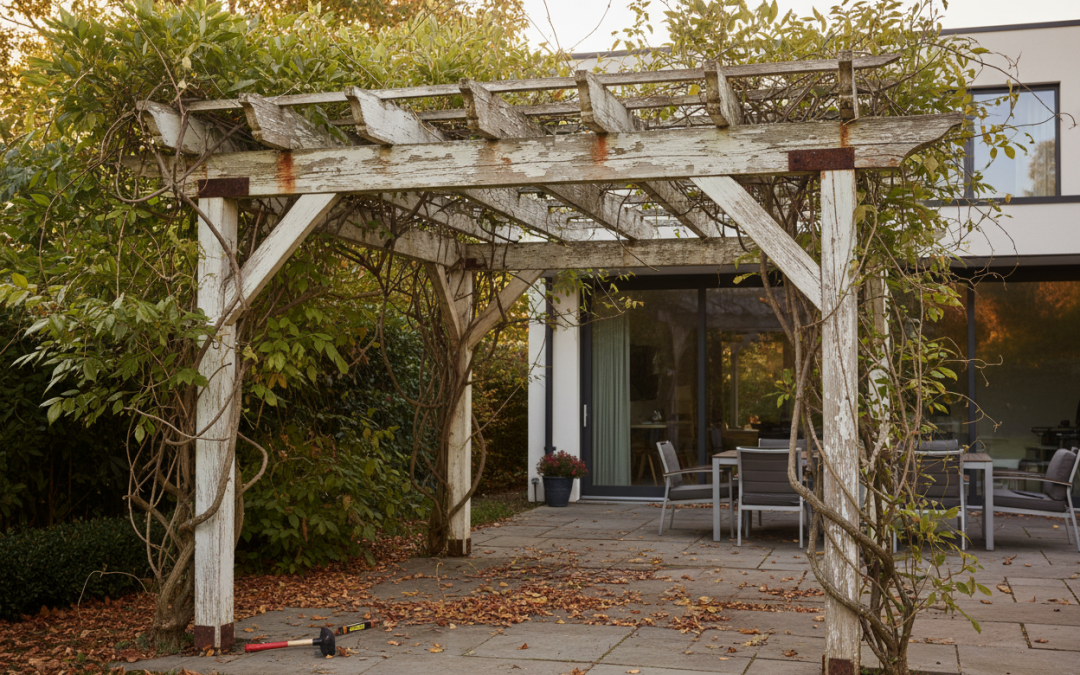
5 Signs Your Custom Pergola Needs Professional Repair or Replacement
Table of Contents
1. Introduction
2. Sign 1: Structural Damage and Instability
3. Sign 2: Extensive Wood Rot and Decay
4. Sign 3: Severe Weather Damage
5. Sign 4: Persistent Pest Infestations
6. Sign 5: Outdated Design and Functionality Issues
7. When to Repair vs. Replace Your Pergola
8. Conclusion
9. Frequently Asked Questions
Introduction
Your custom pergola has been the crown jewel of your outdoor space for years, providing shade during summer barbecues and creating the perfect ambiance for evening gatherings. But like any outdoor structure, pergolas face constant exposure to the elements, and over time, even the most well-built ones can show signs of wear and tear.
Recognizing when your pergola needs professional attention isn’t always straightforward. Some issues might seem minor at first glance but could indicate more serious underlying problems. Others might be glaringly obvious but leave you wondering whether repair or complete replacement is the better investment.
As someone who’s spent countless hours helping homeowners navigate these decisions, I’ve seen how the right choice can transform not just your outdoor space, but your entire property value. Today, we’ll explore the five most critical signs that your custom pergola needs professional intervention, helping you make an informed decision that protects both your investment and your family’s safety.
Sign 1: Structural Damage and Instability
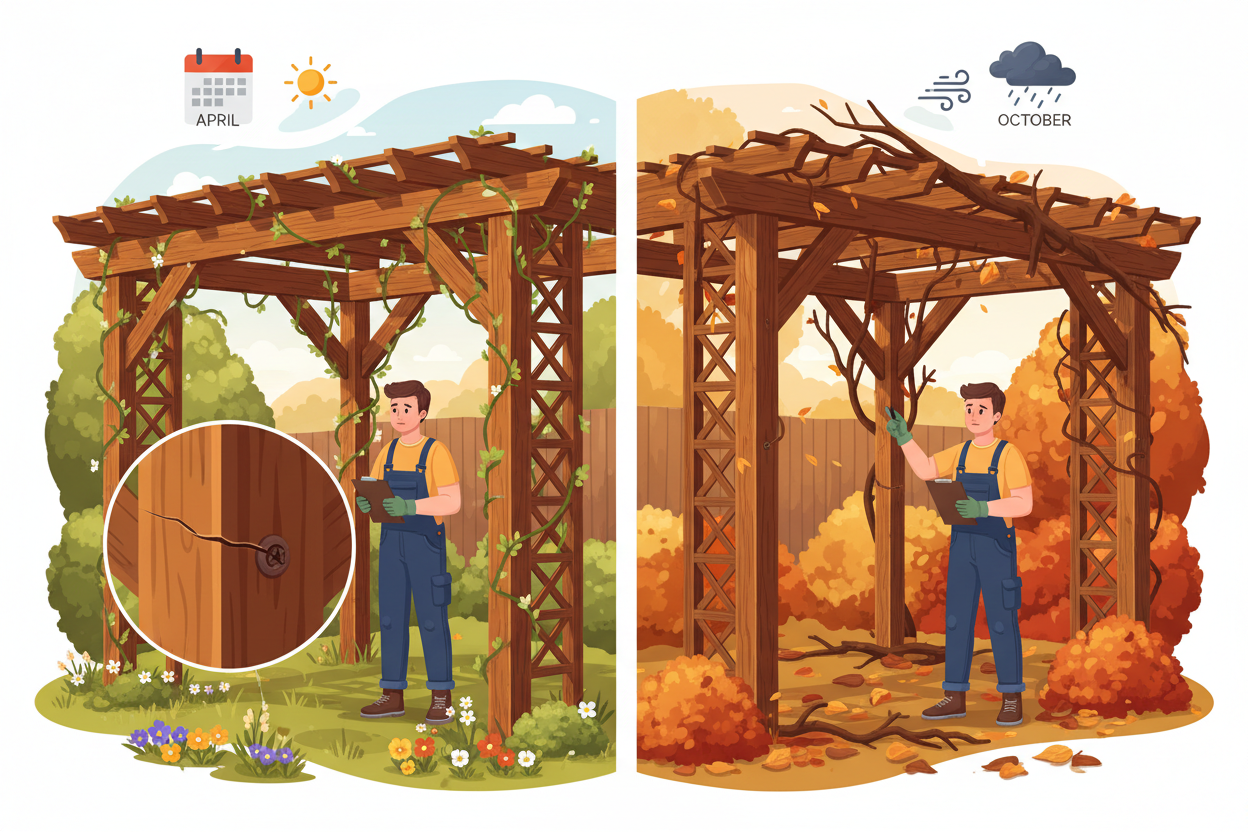
The foundation of any pergola lies in its structural integrity. When you notice your pergola starting to lean, sway, or show visible signs of structural compromise, it’s time to take immediate action. This isn’t just about aesthetics – it’s about safety.
Structural issues often manifest in several ways. You might notice posts that are no longer perfectly vertical, beams that have begun to sag under their own weight, or joints that have loosened over time. Sometimes, the damage is subtle – a slight wobble when you lean against a post or a creaking sound that wasn’t there before.
One homeowner I worked with recently discovered their pergola’s main support beam had developed a hairline crack that extended nearly two feet along its length. What started as a barely visible line had grown over several seasons of freeze-thaw cycles, compromising the entire structure’s stability.
Weather plays a significant role in structural deterioration. Heavy snow loads can cause beams to bow, while strong winds can gradually loosen connections. Ground movement due to freeze-thaw cycles or settling can cause posts to shift, throwing the entire structure out of alignment.
If you notice any structural irregularities, resist the temptation to prop things up temporarily or ignore minor issues. Structural problems rarely resolve themselves and typically worsen over time. A professional assessment can determine whether strategic repairs can restore stability or if replacement is the safer, more cost-effective option.
Sign 2: Extensive Wood Rot and Decay
Wood rot is perhaps the most insidious enemy of wooden pergolas. Unlike sudden storm damage, rot develops slowly, often hiding in places you can’t easily see until it has already caused significant damage.
The early signs of wood rot might include discoloration, soft spots that yield to pressure, or a musty odor around your pergola. As rot progresses, you’ll notice wood that crumbles when touched, visible fungal growth, or sections that appear darker and feel spongy.
I remember inspecting a beautiful cedar pergola that looked relatively sound from a distance. However, closer examination revealed that moisture had been trapped in the post-to-beam connections for years. The rot had hollowed out nearly half of each post’s interior, leaving what appeared to be solid wood but was actually just a thin shell.
Certain areas of pergolas are more susceptible to rot than others. Ground-level connections, horizontal surfaces where water can pool, and any area where different materials meet are prime candidates. Posts that are in direct contact with soil or concrete are particularly vulnerable, especially if proper moisture barriers weren’t installed during construction.
The extent of rot determines your next steps. Surface-level rot on non-structural elements might be repairable through cleaning, treatment, and refinishing. However, when rot affects load-bearing components or has spread throughout multiple structural elements, replacement often becomes the only viable option.
Prevention is always better than cure when it comes to wood rot. Regular inspections, proper ventilation, and maintaining protective finishes can significantly extend your pergola’s lifespan.
Sign 3: Severe Weather Damage
Mother Nature can be particularly harsh on outdoor structures, and pergolas bear the brunt of everything from hailstorms to hurricane-force winds. While minor weather damage might be repairable, severe damage often signals the need for professional intervention.
Storm damage can be immediately obvious – broken beams, torn-off sections, or debris impact damage. But sometimes, the effects are more subtle. Micro-fractures from hail impact might not be visible initially but can allow moisture penetration that leads to bigger problems down the road.
Wind damage is particularly tricky to assess. A pergola might survive a storm looking intact, but the stress from extreme winds can loosen connections, create hairline cracks, or shift the structure in ways that compromise its long-term stability. I’ve seen pergolas that appeared fine after major storms but failed catastrophically months later due to weakened connections.
Ice and snow present their own challenges. The weight of accumulated snow can exceed a pergola’s design load, causing permanent deformation. Ice formation in joints and crevices can expand and contract, gradually working connections loose or creating cracks that allow moisture intrusion.
After any significant weather event, it’s wise to conduct a thorough inspection of your pergola. Look for obvious damage, but also pay attention to subtle changes – new gaps in joints, slight changes in alignment, or sounds that weren’t there before.
Insurance considerations also come into play with weather damage. Many homeowner’s insurance policies cover sudden weather-related damage to structures like pergolas. Documenting damage promptly and having professional assessments can help ensure you receive appropriate coverage for repairs or replacement.
Sign 4: Persistent Pest Infestations
Pest infestations in pergolas go far beyond being merely annoying – they can cause serious structural damage that compromises the entire structure. Different pests present different challenges, but all require prompt attention when they become established.
Carpenter ants are among the most destructive pests for wooden pergolas. Unlike termites, which eat wood, carpenter ants excavate galleries for nesting, creating hollow spaces that weaken structural integrity. The telltale signs include small piles of sawdust-like material beneath posts or beams, and the sound of rustling within the wood itself.
Termites present an even more serious threat, actually consuming the wood fiber and potentially causing catastrophic structural failure. Subterranean termites build mud tubes along foundation elements, while drywood termites leave small holes with tiny pellets of waste nearby.
Wood-boring beetles represent another category of destructive pests. These insects lay eggs in wood cracks, and their larvae tunnel through the wood as they develop, creating networks of holes that significantly weaken the structure. The presence of small, round holes in your pergola’s wood, often accompanied by fine powdery dust, indicates beetle activity.
One client discovered their pergola’s main beam was so riddled with beetle tunnels that it had lost nearly 60% of its structural strength. What appeared to be minor cosmetic damage was actually a serious safety hazard that required immediate replacement.
Weather-related factors often contribute to pest problems. Moisture trapped in wood makes it more attractive to many wood-destroying insects. Poor ventilation, contact with soil, and areas where water pools all create conditions that favor pest establishment.
Professional pest control assessment is crucial when dealing with structural infestations. While surface treatments might address minor problems, established infestations often require comprehensive treatment and, in severe cases, replacement of affected structural elements.
Sign 5: Outdated Design and Functionality Issues
Sometimes, the need for pergola replacement isn’t driven by structural failure but by changing needs and outdated design. As our understanding of outdoor living has evolved, so have the standards for what makes a truly functional outdoor structure.
Older pergolas often lack the integrated features that modern homeowners expect. Today’s designs incorporate elements like built-in lighting systems, retractable canopies, integrated planters, and even outdoor kitchen support structures. If your current pergola feels limiting rather than enhancing your outdoor experience, it might be time to consider an upgrade.
Functionality issues can also stem from poor original design choices. Perhaps your pergola doesn’t provide adequate shade during the times you most want to use your outdoor space, or maybe it blocks desirable views or interferes with other yard activities. These aren’t problems that can be solved with repairs – they require fundamental design changes.
I worked with a family whose 15-year-old pergola was structurally sound but completely inadequate for their evolving needs. As their children grew and their entertaining style changed, they needed a structure that could accommodate larger gatherings and provide more flexible coverage options. The existing pergola’s fixed design and limited size made modification impossible.
Modern building codes and standards have also evolved. Older pergolas might not meet current requirements for things like wind resistance, snow load capacity, or accessibility features. While grandfathering often protects existing structures, any major repairs or modifications might trigger requirements to bring the entire structure up to current codes.
Energy efficiency considerations have also become more important. Modern pergola designs can incorporate features that help reduce cooling costs for adjacent indoor spaces, provide better UV protection, and integrate with sustainable energy systems like solar panels.
The decision to replace for functionality reasons often comes down to cost-benefit analysis. If the modifications needed to bring your pergola up to your current standards approach the cost of replacement, starting fresh often provides better long-term value.
When to Repair vs. Replace Your Pergola
Deciding between repair and replacement requires careful consideration of multiple factors. The decision isn’t always clear-cut, and what makes sense for one homeowner might not be the best choice for another.
Cost is obviously a primary consideration, but it’s important to think beyond just the immediate expense. Minor repairs might seem economical in the short term, but if you’re likely to face additional problems within a few years, replacement might offer better long-term value. A good rule of thumb is that if repair costs exceed 50% of replacement cost, replacement usually makes more financial sense.
The age and overall condition of your pergola also factor into the decision. A relatively new pergola with isolated damage is usually a good candidate for repair. However, an older structure showing multiple signs of deterioration might be better served by replacement, especially if the underlying design or materials weren’t optimal to begin with.
Consider the scope of your outdoor living plans. If you’re planning other landscaping or outdoor improvement projects, pergola replacement might fit well into a comprehensive upgrade. Conversely, if you’re planning to move within a few years, strategic repairs might be the more practical choice.
Professional assessment is invaluable in making this decision. An experienced contractor can identify problems you might miss and provide realistic estimates for both repair and replacement options. They can also advise on whether partial replacement – replacing some components while retaining others – might be a viable middle ground.
Safety should never be compromised for cost savings. If there’s any question about structural integrity, err on the side of caution. No amount of money saved is worth the risk of injury from a structural failure.
Conclusion
Your custom pergola represents a significant investment in your outdoor living space and property value. Recognizing the signs that indicate professional repair or replacement needs can help you protect that investment while ensuring your family’s safety and enjoyment.
Structural damage, extensive rot, severe weather damage, persistent pest infestations, and outdated functionality all signal the need for professional evaluation. While some issues might seem manageable on the surface, the expertise of a qualified contractor is invaluable in determining the best course of action.
Remember that pergola maintenance is an ongoing responsibility. Regular inspections, prompt attention to minor issues, and proactive maintenance can significantly extend your pergola’s lifespan and help you avoid costly emergency repairs or premature replacement.
Whether you ultimately decide on repair or replacement, working with experienced professionals ensures that your outdoor structure will continue to enhance your property and provide years of enjoyment. Don’t wait until minor problems become major headaches – take action at the first sign of trouble to protect your investment and maintain your outdoor oasis.
Frequently Asked Questions
How often should I inspect my pergola for signs of damage?
You should conduct a basic visual inspection of your pergola at least twice a year, ideally in spring and fall. Additionally, inspect it after any severe weather events. Look for changes in appearance, stability, or any new sounds when the structure is under stress.
Can I repair pergola damage myself, or do I always need a professional?
Minor cosmetic issues like refinishing or replacing small decorative elements can often be handled by skilled DIYers. However, any structural repairs, pest treatment, or work involving load-bearing components should be handled by professionals to ensure safety and code compliance.
How long should a well-built custom pergola last?
A properly constructed and maintained pergola can last 15-25 years or more, depending on materials, climate, and maintenance. Cedar and other naturally rot-resistant woods typically last longer than pressure-treated lumber, while metal and composite materials can last even longer with proper care.
What’s the average cost difference between major repairs and full replacement?
This varies significantly based on the pergola’s size, materials, and extent of damage. Generally, if repair costs exceed 50-60% of replacement cost, replacement becomes the more economical choice. Factor in the likelihood of future repairs when making this calculation.
Will homeowner’s insurance cover pergola repair or replacement?
Coverage depends on your specific policy and the cause of damage. Sudden weather-related damage is often covered, while gradual deterioration from age or lack of maintenance typically isn’t. Review your policy and document any damage promptly to ensure proper coverage.
How can I prevent common pergola problems?
Regular maintenance is key: apply protective finishes as recommended, ensure proper drainage around posts, trim vegetation to allow air circulation, inspect and tighten hardware annually, and address minor issues promptly before they become major problems.

Garland TX pergolas | Keathley Landscaping

Rowlett TX pergolas | Keathley Landscaping

Richardson TX outdoor living contractor | Keathley Landscaping

Highland Park TX custom patio cover cost | Keathley Landscaping

Garland TX luxury custom pergolas | Keathley Landscaping

Lavon TX luxury custom pergolas | Keathley Landscaping

Lowry Crossing TX pergola companies near me | Keathley Landscaping

Murphy TX outdoor living contractor | Keathley Landscaping

Mobile City TX pergola companies near me | Keathley Landscaping

Plano TX luxury custom pergolas | Keathley Landscaping

Lucas TX outdoor living contractor | Keathley Landscaping

Murphy TX covered patios | Keathley Landscaping

Lake Highlands Dallas TX pergola companies near me | Keathley Landscaping

Wylie TX custom patio cover cost | Keathley Landscaping

McKinney TX custom pergolas | Keathley Landscaping

Rockwall TX outdoor living contractor | Keathley Landscaping

Murphy TX outdoor living space contractors | Keathley Landscaping

Murphy TX custom patio cover cost | Keathley Landscaping

Allen TX covered patio contractors near me | Keathley Landscaping

Frisco TX pergola companies near me | Keathley Landscaping

Highland Park TX pergola companies near me | Keathley Landscaping

Lavon TX custom wood pergola | Keathley Landscaping

Fate TX custom patio covers | Keathley Landscaping

Dallas TX custom patio cover cost | Keathley Landscaping

Fate TX luxury custom pergolas | Keathley Landscaping

Fairview TX custom pergolas | Keathley Landscaping

Parker TX outdoor living space contractors | Keathley Landscaping

Parker TX custom patio cover builders | Keathley Landscaping

sod installation cost Lucas Texas

lawn sod installation near me Highland Park Texas

cost of sod and installation Garland Texas

installation of sod cost Wylie Texas

sod installation services Frisco Texas

price of sod installation Rose Hill Texas

lawn sod installation near me Richardson Texas

sod lawn installation Parker Texas

lawn sod installation near me Allen Texas

sod installation companies near me Garland Texas

lawn sod installation near me Fairview Texas

sod installation service Preston Hollow Dallas Texas

sod installation company near me Lakewood Dallas Texas

cost of sod and installation Richardson Texas

cost for sod installation Garland Texas

sod installation companies near me Sachse Texas

sod installation companies Sachse Texas

grass contractor Lavon Texas

grass contractor Lakewood Dallas Texas

new sod installation Lake Highlands Dallas Texas

sod installation service Lake Highlands Dallas Texas

cost of sod installation Lake Highlands Dallas Texas

cost of sod installation Allen Texas

sod company Mobile City Texas

new sod installation Rockwall Texas

cost of sod installation Sachse Texas

lawn sod installation Garland Texas

cost of sod and installation Rose Hill Texas

drainage company near me Richardson Texas

landscape drainage Frisco Texas

drain cleaning Parker Texas

outdoor drain repair Frisco Texas

drain Mobile City Texas

yard drainage contractors near me Parker Texas

drainage specialist near me Highland Park Texas

drainage specialist near me Parker Texas

drainage specialist near me Preston Hollow Dallas Texas

drain cleaning Dallas Texas

yard drainage Fairview Texas

landscape drainage Rowlett Texas

yard drainage specialist near me Murphy Texas

drainage solutions near me Rose Hill Texas

drainage Murphy Texas

landscape drainage contractor near me Lake Highlands Dallas Texas

yard drainage specialist near me Fate Texas

drain Frisco Texas

drainage specialist near me Mobile City Texas

landscape drain Fate Texas

channel drain cleaning Dallas Texas

drain cleaning company near me Sachse Texas

landscape drainage Lake Highlands Dallas Texas

yard drainage specialist near me Lake Highlands Dallas Texas

drain cleaning Frisco Texas

drain cleaning company near me Lowry Crossing Texas

drainage specialist near me McKinney Texas

Recent Comments