
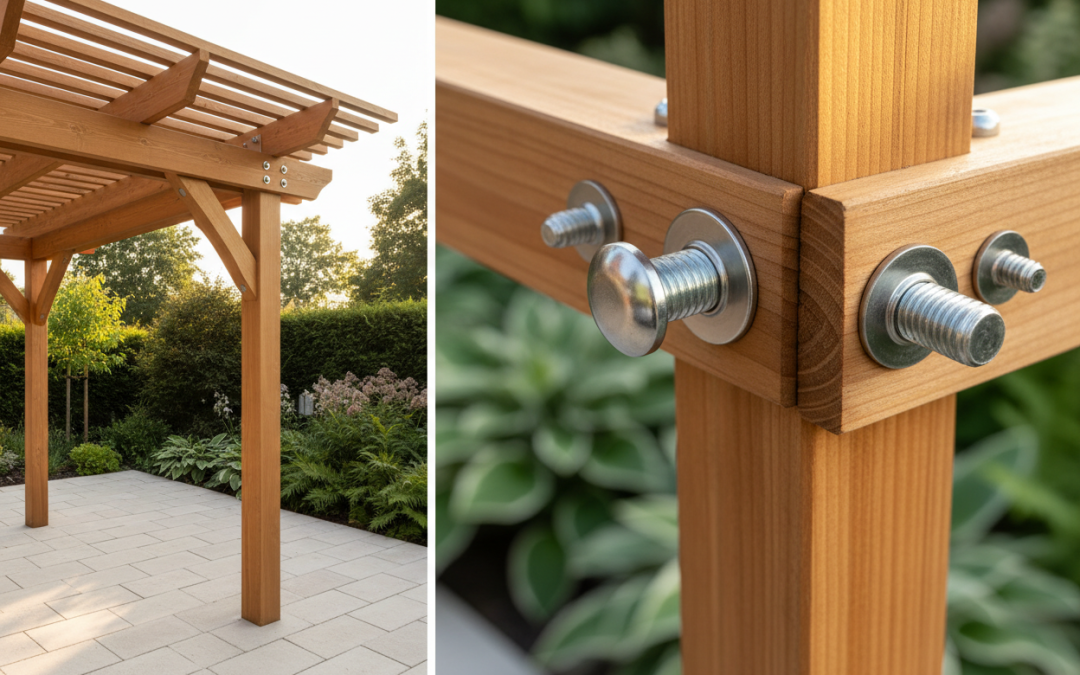
The Benefits of Stainless Steel Fasteners in Custom Pergola Assembly: Why Quality Hardware Makes All the Difference
Table of Contents
1. Introduction
2. Understanding Stainless Steel Fasteners
3. Superior Corrosion Resistance for Long-Term Durability
4. Strength and Load-Bearing Capacity
5. Weather Resistance and Climate Adaptability
6. Aesthetic Appeal and Visual Integration
7. Cost-Effectiveness Over Time
8. Installation Advantages and Ease of Use
9. Environmental Benefits and Sustainability
10. Maintenance Requirements and Long-Term Care
11. Conclusion
12. Frequently Asked Questions
Introduction
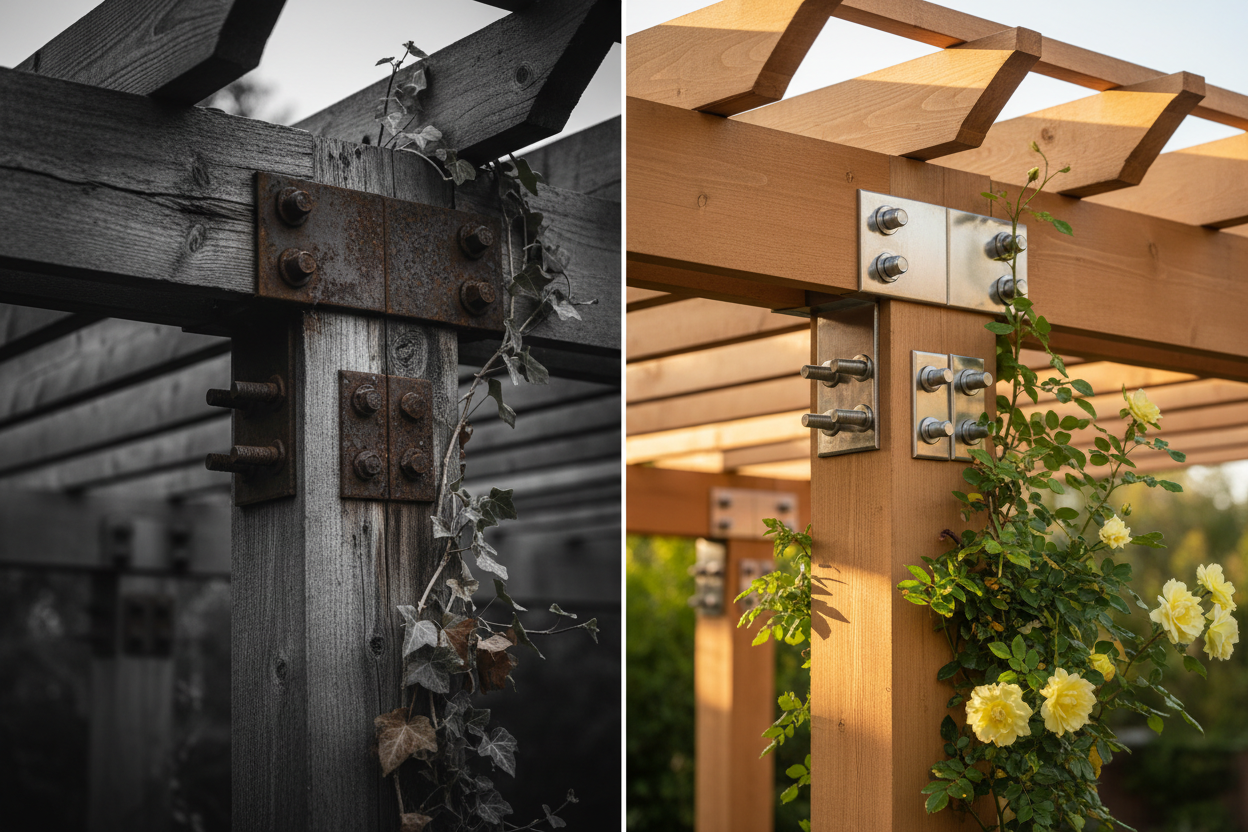
When I first started building custom pergolas, I learned the hard way that not all fasteners are created equal. After watching a beautiful cedar pergola deteriorate within just two years due to rusted bolts and corroded screws, I became obsessed with understanding how the right hardware can make or break an outdoor structure.
The choice of fasteners might seem like a minor detail in pergola construction, but it’s actually one of the most critical decisions that will determine your structure’s longevity, safety, and overall performance. While various materials are available for fasteners, stainless steel has emerged as the gold standard for custom pergola assembly, offering unmatched benefits that far outweigh the initial investment.
In this comprehensive guide, we’ll explore why stainless steel fasteners are essential for custom pergola projects, examining everything from their superior corrosion resistance to their long-term cost-effectiveness. Whether you’re a DIY enthusiast planning your first pergola or a contractor looking to deliver the best value to your clients, understanding these benefits will help you make informed decisions that ensure lasting results.
Understanding Stainless Steel Fasteners
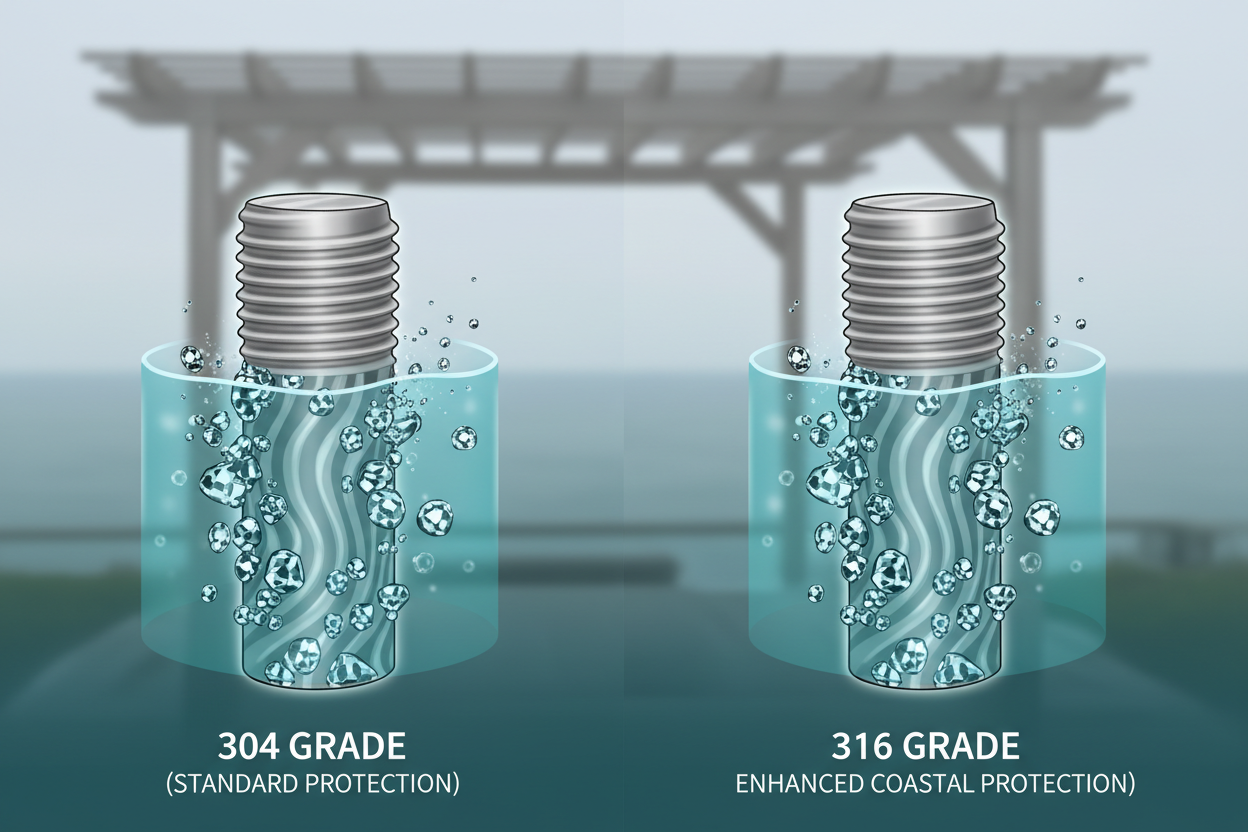
Stainless steel fasteners are manufactured from steel alloys containing at least 10.5% chromium, which creates a passive layer of chromium oxide on the surface. This invisible protective layer is what gives stainless steel its remarkable resistance to rust and corrosion. For pergola applications, the most commonly used grades are 304 and 316 stainless steel, with 316 offering superior corrosion resistance for coastal or highly humid environments.
The manufacturing process involves carefully controlled heating and cooling cycles that align the steel’s molecular structure, creating fasteners that maintain their integrity under stress while resisting environmental degradation. Unlike galvanized or coated fasteners that rely on surface treatments, stainless steel’s corrosion resistance is inherent to the material itself, meaning it won’t chip, flake, or wear away over time.
What sets stainless steel apart from other fastener materials is its unique combination of strength, durability, and aesthetic appeal. While aluminum fasteners might be lighter and brass fasteners might offer certain decorative qualities, stainless steel provides the optimal balance of properties needed for outdoor structural applications like pergola assembly.
Superior Corrosion Resistance for Long-Term Durability
The primary advantage of stainless steel fasteners in pergola construction is their exceptional resistance to corrosion. Traditional steel fasteners, even when galvanized, will eventually succumb to rust when exposed to moisture, oxygen, and varying temperatures. This corrosion process weakens the structural integrity of the fastener and can cause unsightly staining on the pergola’s wood or metal components.
Stainless steel’s chromium content forms a self-healing oxide layer that automatically repairs minor scratches or surface damage. This means that even if the fastener experiences wear during installation or from thermal expansion and contraction, its corrosion resistance remains intact. In practical terms, this translates to pergola structures that maintain their structural integrity for decades rather than years.
The corrosion resistance becomes particularly crucial in challenging environments. Coastal areas with salt air, regions with high humidity, or locations experiencing frequent temperature fluctuations all pose significant challenges to traditional fasteners. Stainless steel fasteners excel in these conditions, maintaining their strength and appearance regardless of environmental stresses.
Additionally, the superior corrosion resistance prevents the fasteners from staining the surrounding pergola materials. Rust streaks from corroded fasteners can permanently discolor wood surfaces and create an unsightly appearance that’s difficult or impossible to remedy without complete hardware replacement.
Strength and Load-Bearing Capacity
Pergolas must withstand significant structural loads, including their own weight, attached accessories like lighting or plants, and dynamic loads from wind and weather. Stainless steel fasteners provide exceptional tensile strength and shear resistance, ensuring that joints remain secure under all anticipated loading conditions.
The material properties of stainless steel allow fasteners to maintain their strength characteristics across a wide temperature range. Unlike some materials that become brittle in cold weather or lose strength in high temperatures, stainless steel fasteners perform consistently regardless of seasonal variations. This reliability is crucial for pergola structures that experience thermal cycling throughout the year.
When properly sized and installed, stainless steel fasteners can handle the dynamic loads created by wind without loosening or failing. The material’s work-hardening properties actually increase strength under repeated loading cycles, making the connections stronger over time rather than weaker.
For custom pergolas with unique designs or larger spans, the superior strength of stainless steel fasteners provides engineers and builders with confidence in their structural calculations. This reliability allows for more creative designs and larger unsupported spans while maintaining safety margins.
Weather Resistance and Climate Adaptability
Outdoor structures face relentless exposure to UV radiation, temperature extremes, precipitation, and humidity variations. Stainless steel fasteners demonstrate remarkable stability under these conditions, maintaining their mechanical properties and appearance through years of weather exposure.
UV radiation, which can degrade many materials over time, has minimal impact on stainless steel. While plastic fasteners might become brittle and aluminum might develop surface oxidation, stainless steel maintains its integrity and appearance. This UV stability is particularly important for pergola applications where fasteners are often exposed to direct sunlight.
Temperature cycling, which causes materials to expand and contract repeatedly, can loosen traditional fasteners over time. Stainless steel’s coefficient of thermal expansion closely matches that of many pergola materials, reducing stress at connection points and maintaining tight joints through seasonal temperature changes.
Moisture resistance extends beyond simple corrosion prevention. Stainless steel fasteners won’t absorb water or develop internal corrosion that could lead to sudden failure. This characteristic is especially valuable in climates with freeze-thaw cycles, where absorbed moisture could expand and cause catastrophic fastener failure.
Aesthetic Appeal and Visual Integration
The visual aspect of fasteners might seem secondary to their functional properties, but in custom pergola construction, aesthetics play a crucial role in the overall design success. Stainless steel fasteners offer a clean, professional appearance that complements both traditional and contemporary pergola designs.
The natural finish of stainless steel provides a neutral appearance that works well with various wood species, from light cedar to dark mahogany. Unlike galvanized fasteners that can appear dull or zinc-coated hardware that might have an artificial appearance, stainless steel maintains a subtle, sophisticated look that doesn’t detract from the pergola’s design.
For modern pergola designs incorporating metal elements, stainless steel fasteners create visual continuity with other stainless steel components like brackets, connectors, or decorative elements. This material consistency contributes to a cohesive, professionally executed appearance.
The long-term aesthetic benefits are equally important. While other fastener materials might discolor, corrode, or require painting over time, stainless steel fasteners maintain their appearance with minimal maintenance. This means your pergola will continue to look professionally built years after installation.
Cost-Effectiveness Over Time
While stainless steel fasteners typically cost more initially than alternatives like galvanized steel or zinc-plated options, their long-term value proposition is compelling. The total cost of ownership, including replacement costs, maintenance expenses, and potential damage to surrounding materials, strongly favors stainless steel for pergola applications.
Traditional fasteners that fail due to corrosion don’t just require replacement of the hardware itself. Often, the surrounding wood or metal components suffer damage from rust staining or structural stress, necessitating more extensive repairs. Stainless steel fasteners eliminate these secondary costs by preventing corrosion-related failures.
The labor costs associated with fastener replacement can be substantial, especially for pergolas where access requires ladders or scaffolding. By choosing stainless steel fasteners initially, you avoid these future labor expenses and the disruption of having to disassemble and reassemble portions of the structure.
From an investment perspective, pergolas built with quality stainless steel fasteners maintain their value better over time. Potential buyers or appraisers recognize the quality difference, and the structure’s continued excellent appearance supports higher property values.
Installation Advantages and Ease of Use
Stainless steel fasteners offer several installation advantages that can improve both the construction process and the final result. The material’s consistent properties mean that installation torque specifications are reliable and predictable, reducing the risk of over-tightening or under-tightening connections.
The surface characteristics of stainless steel provide good grip for tools, reducing the likelihood of cam-out or stripped heads during installation. This reliability is particularly valuable when working with power tools or in challenging positions where maintaining tool control is difficult.
Stainless steel’s resistance to galling (cold welding) when properly lubricated means that fasteners can be removed and reinstalled if necessary during construction without damage. This flexibility is valuable during the fitting and adjustment process common in custom pergola assembly.
The availability of stainless steel fasteners in various head styles, drive types, and thread configurations allows builders to select the optimal fastener for each specific application within the pergola structure. This variety ensures that both functional and aesthetic requirements can be met throughout the project.
Environmental Benefits and Sustainability
Sustainability considerations are increasingly important in construction decisions, and stainless steel fasteners offer several environmental advantages. The longevity of stainless steel fasteners reduces the frequency of replacement, minimizing the environmental impact associated with manufacturing, transportation, and disposal of hardware.
Stainless steel is highly recyclable, with recycled content typically comprising 60-70% of new stainless steel production. At the end of a pergola’s service life, the stainless steel fasteners retain value and can be easily recycled into new products, supporting circular economy principles.
The durability of stainless steel fasteners contributes to the overall sustainability of the pergola structure by preventing premature failure that would require partial or complete reconstruction. This longevity reduces the overall environmental footprint of the project over its lifetime.
Additionally, the corrosion resistance of stainless steel fasteners eliminates the need for protective coatings or treatments that might contain volatile organic compounds (VOCs) or other environmentally harmful substances.
Maintenance Requirements and Long-Term Care
One of the most significant advantages of stainless steel fasteners in pergola applications is their minimal maintenance requirements. Unlike painted or coated fasteners that require periodic refinishing, stainless steel fasteners maintain their performance and appearance with simple cleaning.
Routine maintenance typically involves nothing more than occasional cleaning with mild soap and water to remove surface dirt or debris. In marine environments or areas with heavy pollution, more frequent cleaning might be beneficial, but no special treatments or protective coatings are required.
The self-healing properties of stainless steel’s oxide layer mean that minor scratches or surface damage don’t compromise the fastener’s corrosion resistance. This resilience reduces maintenance concerns and eliminates the need for touch-up treatments common with other fastener materials.
For pergola owners, this minimal maintenance requirement translates to lower long-term costs and less time spent on upkeep. The structure can be enjoyed rather than constantly maintained, which is particularly valuable for vacation properties or rental structures where maintenance access might be limited.
Conclusion
The benefits of stainless steel fasteners in custom pergola assembly extend far beyond simple corrosion resistance. From superior strength and weather resistance to aesthetic appeal and long-term cost-effectiveness, stainless steel fasteners represent a wise investment in any pergola project.
While the initial cost might be higher than alternative fastener materials, the total cost of ownership strongly favors stainless steel. The combination of longevity, minimal maintenance requirements, and sustained performance makes stainless steel fasteners an essential component of any quality pergola construction.
For builders and property owners who value quality, durability, and long-term satisfaction, stainless steel fasteners are not just an option—they’re a necessity. The peace of mind that comes from knowing your pergola is built with hardware that will perform reliably for decades makes the investment worthwhile.
Whether you’re planning a simple attached pergola or an elaborate freestanding structure, choosing stainless steel fasteners ensures that your investment in outdoor living space will provide years of enjoyment without the frustration and expense of premature hardware failure.
Frequently Asked Questions
Q: Are stainless steel fasteners worth the extra cost for pergola construction?
A: Yes, absolutely. While stainless steel fasteners cost more initially, they eliminate replacement costs, prevent damage to surrounding materials, and require virtually no maintenance. The total cost of ownership is typically lower than cheaper alternatives.
Q: What grade of stainless steel should I use for pergola fasteners?
A: For most applications, 304 stainless steel provides excellent performance. For coastal areas or highly corrosive environments, 316 stainless steel offers superior corrosion resistance and is worth the additional investment.
Q: Can stainless steel fasteners be used with pressure-treated lumber?
A: Yes, stainless steel fasteners are compatible with pressure-treated lumber and won’t react with the treatment chemicals. This compatibility makes them ideal for pergola construction using treated posts or beams.
Q: Do stainless steel fasteners require special installation techniques?
A: Stainless steel fasteners install similarly to other fasteners, but pre-drilling is recommended to prevent galling. Use appropriate lubricants when specified and avoid over-tightening to prevent thread damage.
Q: How long will stainless steel fasteners last in outdoor applications?
A: Properly selected and installed stainless steel fasteners can last 50+ years in most outdoor environments. In marine or highly corrosive conditions, they still typically outlast alternative materials by decades.
Q: Will stainless steel fasteners stain my pergola wood?
A: No, stainless steel fasteners won’t cause rust staining on wood surfaces. This is a significant advantage over galvanized or standard steel fasteners that can leave permanent rust marks on pergola materials.

Parker TX luxury custom pergolas | Keathley Landscaping

Allen TX custom pergolas | Keathley Landscaping

Fairview TX covered patio contractors near me | Keathley Landscaping

Dallas TX outdoor living space contractors | Keathley Landscaping

Lowry Crossing TX pergola companies near me | Keathley Landscaping

Highland Park TX covered patios | Keathley Landscaping

Fairview TX outdoor living contractor | Keathley Landscaping

Rockwall TX pergola companies near me | Keathley Landscaping

Plano TX custom pergolas | Keathley Landscaping

Richardson TX pergola companies near me | Keathley Landscaping

Lavon TX pergolas | Keathley Landscaping

Rowlett TX outdoor living space contractors | Keathley Landscaping

Dallas TX luxury custom pergolas | Keathley Landscaping

Lakewood Dallas TX pergolas | Keathley Landscaping

Rowlett TX pergola builders | Keathley Landscaping

Frisco TX pergolas | Keathley Landscaping

Wylie TX custom wood pergola | Keathley Landscaping

Frisco TX pergola companies near me | Keathley Landscaping

Wylie TX covered patios | Keathley Landscaping

Parker TX custom patio cover builders | Keathley Landscaping

Highland Park TX custom patio covers | Keathley Landscaping

Lakewood Dallas TX covered patios | Keathley Landscaping

Garland TX custom wood pergola | Keathley Landscaping

McKinney TX custom wood pergola | Keathley Landscaping

Lowry Crossing TX luxury custom pergolas | Keathley Landscaping

Rowlett TX custom wood pergola | Keathley Landscaping

McKinney TX custom patio covers | Keathley Landscaping

Plano TX custom wood pergola | Keathley Landscaping

grass installation Murphy Texas

sod installation companies Rose Hill Texas

price of sod installation Dallas Texas

sod contractors Lakewood Dallas Texas

cost for sod installation Murphy Texas

sod installation companies Murphy Texas

sod installation services Lakewood Dallas Texas

sod company Parker Texas

sod installation company near me Allen Texas

grass installation Mobile City Texas

sod installation company Fairview Texas

residential sod installation Lucas Texas

lawn sod installation Lowry Crossing Texas

sod installation service Rockwall Texas

sod installation company near me Plano Texas

new sod installation Garland Texas

sod installation company Rowlett Texas

residential sod installation Murphy Texas

lawn sod installation near me Highland Park Texas

residential sod installation Garland Texas

sod contractors Rose Hill Texas

sod installation services Parker Texas

lawn sod installation near me Dallas Texas

residential sod installation Sachse Texas

installation of sod cost Rockwall Texas

sod installation near me Rockwall Texas

sod company Fate Texas

cost of sod and installation Lavon Texas

landscape drain Plano Texas

drainage contractors near me Lowry Crossing Texas

drainage company Lowry Crossing Texas

drain cleaning company near me Parker Texas

drain cleaning company near me Frisco Texas

landscape drainage Richardson Texas

drain cleaning company near me Plano Texas

channel drain cleaning Plano Texas

yard drainage specialist near me Allen Texas

yard drainage Preston Hollow Dallas Texas

yard drainage Mobile City Texas

drainage company Fate Texas

drain cleaning Rowlett Texas

drain cleaning company near me Rockwall Texas

drain cleaning Richardson Texas

drainage Allen Texas

drainage company near me Lucas Texas

drainage company Rowlett Texas

channel drain cleaning Rockwall Texas

drainage Lakewood Dallas Texas

drain Mobile City Texas

yard drainage contractors near me Dallas Texas

drainage company Wylie Texas

yard drainage specialist near me Wylie Texas

landscape drain Frisco Texas

drainage solutions near me Murphy Texas

landscape drainage Fairview Texas

Recent Comments