
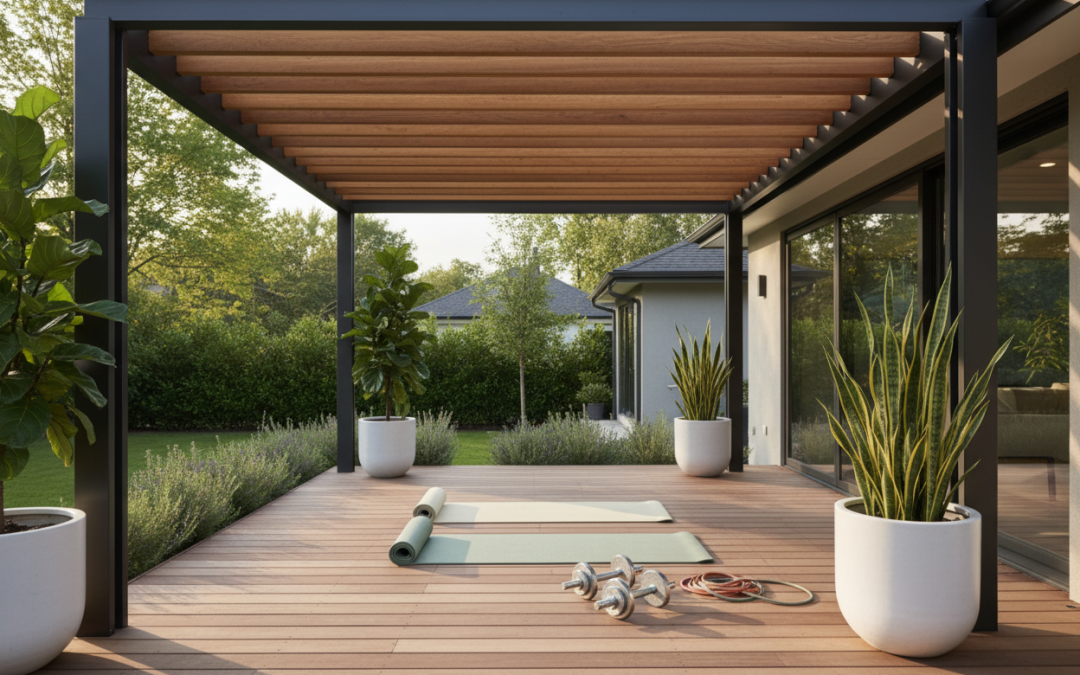
The Role of Custom Patio Covers in Outdoor Fitness Spaces: Transform Your Backyard Into a Year-Round Gym
Table of Contents
1. Introduction: Why Outdoor Fitness is Taking Off
2. The Benefits of Exercising Outdoors
3. How Custom Patio Covers Enhance Your Outdoor Workout Space
4. Types of Custom Patio Covers for Fitness Spaces
5. Design Considerations for Your Outdoor Fitness Area
6. Weather Protection and Year-Round Use
7. Cost-Effective Home Gym Solutions
8. Installation and Maintenance Tips
9. Real-Life Success Stories
10. Conclusion
11. Frequently Asked Questions
Introduction: Why Outdoor Fitness is Taking Off
There’s something magical about breaking a sweat under the open sky. The fresh air fills your lungs, natural light energizes your spirit, and suddenly that grueling workout doesn’t feel quite so grueling anymore. But here’s the thing – Mother Nature doesn’t always cooperate with our fitness schedules. That scorching summer sun or unexpected spring shower can quickly derail your outdoor workout plans.
This is where custom patio covers step in as game-changers for outdoor fitness enthusiasts. These versatile structures are revolutionizing how we think about home gyms, offering the perfect blend of indoor comfort and outdoor freedom. Whether you’re a yoga enthusiast who loves morning sun salutations or a weightlifting warrior who needs protection from the elements, custom patio covers can transform your backyard into a functional, weather-resistant fitness sanctuary.
In today’s world, where home fitness has become more important than ever, creating a dedicated outdoor exercise space isn’t just a luxury – it’s a smart investment in your health, property value, and overall quality of life.
The Benefits of Exercising Outdoors
Before diving into the specifics of patio covers, let’s explore why outdoor fitness has captured the hearts of so many exercise enthusiasts. Research consistently shows that outdoor workouts offer unique advantages that indoor gyms simply can’t match.
Fresh air circulation naturally improves oxygen flow to your muscles, potentially enhancing your performance and endurance. The varied terrain and natural elements challenge your body in ways that smooth gym floors never could, engaging stabilizing muscles and improving overall functional fitness.
Mental health benefits are equally impressive. Natural sunlight helps regulate your circadian rhythm and boosts vitamin D production, while the connection to nature has been proven to reduce stress hormones and improve mood. Many fitness enthusiasts report feeling more motivated and energized during outdoor workouts compared to their indoor counterparts.
The space factor is another significant advantage. Your backyard offers unlimited room for dynamic movements, circuit training, and equipment that might not fit in a traditional indoor setup. You can swing kettlebells, practice martial arts, or set up obstacle courses without worrying about ceiling height or disturbing neighbors below.
How Custom Patio Covers Enhance Your Outdoor Workout Space
Custom patio covers bridge the gap between indoor convenience and outdoor benefits, creating what fitness professionals call the “sweet spot” of home exercise environments. These structures provide essential protection while maintaining the open, airy feel that makes outdoor workouts so appealing.
Temperature control becomes much more manageable under a well-designed patio cover. During hot summer months, the shade can reduce temperatures by 10-15 degrees, making intense workouts comfortable even during peak heat hours. In cooler weather, covers provide wind protection while still allowing for natural ventilation.
Equipment protection is another crucial benefit that many homeowners overlook initially. Quality fitness equipment represents a significant investment, and exposure to UV rays, rain, and temperature fluctuations can cause premature wear and damage. A custom patio cover creates a semi-enclosed environment where you can safely store and use equipment year-round.
Privacy considerations also come into play. Many people feel self-conscious exercising in full view of neighbors or passersby. A strategically designed patio cover can incorporate privacy screens or positioning that creates a more intimate workout environment while maintaining the outdoor atmosphere.
Types of Custom Patio Covers for Fitness Spaces
The beauty of custom patio covers lies in their versatility. Different fitness activities and personal preferences call for different structural approaches, and understanding your options helps ensure you make the best choice for your specific needs.
Solid roof covers offer maximum weather protection and are ideal for serious fitness enthusiasts who want to maintain consistent workout schedules regardless of weather conditions. These covers typically feature materials like aluminum, steel, or composite materials that provide complete overhead protection. They’re perfect for areas with frequent rain or intense sun exposure.
Pergola-style covers strike a balance between protection and openness. The slatted or latticed roof design provides partial shade while maintaining excellent airflow – crucial for high-intensity workouts. These covers work particularly well for yoga, stretching, and moderate-intensity exercises where some sun exposure is welcome.
Retractable covers offer the ultimate in flexibility. During pleasant weather, you can retract the cover for full sun exposure, then extend it when protection is needed. While more expensive initially, these systems provide year-round versatility that many fitness enthusiasts find invaluable.
Shade sail systems represent a more modern, architectural approach to outdoor fitness coverage. These tensioned fabric structures create interesting visual designs while providing excellent UV protection. They’re particularly popular for contemporary home designs and can be configured in multiple configurations to cover large or unusually shaped fitness areas.
Design Considerations for Your Outdoor Fitness Area
Creating an effective outdoor fitness space under a custom patio cover requires thoughtful planning that goes beyond simply choosing a cover type. The most successful installations consider the specific activities planned, traffic flow, and integration with existing landscape features.
Ceiling height becomes critical when planning for activities like jumping, overhead presses, or suspension training. Most fitness activities require a minimum of 9-10 feet of clearance, but serious athletes often prefer 12 feet or more to accommodate dynamic movements without feeling constrained.
Flooring selection significantly impacts both safety and functionality. While natural grass might seem appealing, it quickly becomes muddy and uneven with regular use. Popular alternatives include interlocking rubber tiles, composite decking, or specialized outdoor fitness flooring that provides cushioning and traction while withstanding weather exposure.
Ventilation planning ensures comfort during intense workouts. Even with overhead protection, air circulation remains crucial for temperature control and moisture management. Strategic placement of the cover, along with potential integration of ceiling fans, helps maintain a comfortable exercise environment.
Storage integration often determines the long-term success of outdoor fitness spaces. Built-in storage benches, wall-mounted equipment racks, or adjacent storage sheds keep equipment organized and protected while maintaining the clean, uncluttered appearance that makes workouts more enjoyable.
Weather Protection and Year-Round Use
One of the most compelling arguments for custom patio covers in fitness applications is their ability to extend the usable season for outdoor exercise. Different weather challenges require different design solutions, and understanding these factors helps create truly functional year-round fitness spaces.
Rain protection requires adequate slope and drainage in the cover design. Standing water not only damages the structure over time but can also create safety hazards on exercise surfaces below. Proper guttering and drainage systems channel water away from the fitness area, keeping surfaces dry and safe.
Wind considerations become particularly important in exposed locations. While some air movement is desirable for cooling, strong winds can make exercise uncomfortable or even dangerous. Side panels, either permanent or retractable, can provide wind protection when needed while maintaining the open feel during calm weather.
Snow load capacity must be factored into designs in colder climates. The additional weight of accumulated snow requires stronger structural support, but the payoff is a fitness space that remains functional even during winter months when indoor alternatives become more crowded and expensive.
UV protection benefits both users and equipment. Quality patio cover materials can block 90-99% of harmful UV rays, reducing skin cancer risk during extended outdoor workouts while preventing equipment degradation from sun exposure.
Cost-Effective Home Gym Solutions
When compared to traditional indoor home gym construction or ongoing commercial gym memberships, custom patio covers represent an remarkably cost-effective fitness solution. The math becomes even more compelling when you factor in the multiple benefits these structures provide.
Initial investment costs vary widely based on size, materials, and complexity, but most homeowners find that a quality patio cover costs significantly less than equivalent indoor space construction. There’s no need for extensive electrical work, HVAC systems, or specialized flooring that indoor gyms typically require.
Ongoing membership savings add up quickly. A family of four might spend $200-400 monthly on gym memberships, meaning a patio cover installation often pays for itself within 2-3 years through eliminated membership fees alone.
Property value enhancement represents an often-overlooked financial benefit. Well-designed outdoor living spaces, including covered fitness areas, typically add 10-20% of their installation cost to overall property value. This return on investment, combined with the personal health benefits, makes patio covers one of the smartest home improvement investments available.
Maintenance costs remain minimal with quality installations. Unlike indoor gyms that require heating, cooling, and constant cleaning, covered outdoor fitness spaces largely maintain themselves with occasional washing and basic upkeep.
Installation and Maintenance Tips
Successful patio cover installation requires careful planning and, in most cases, professional expertise. While some handy homeowners tackle simpler projects themselves, the structural requirements and local building codes typically make professional installation the smarter choice.
Permit requirements vary by location and project scope, but most permanent patio cover installations require building permits. Professional contractors familiar with local codes can navigate this process efficiently, ensuring your project meets all safety and legal requirements.
Foundation preparation often determines long-term structural integrity. Proper footings and post placement require precise measurement and appropriate depth for local soil conditions. Cutting corners during this phase almost always leads to problems later.
Material selection impacts both initial cost and long-term maintenance requirements. Aluminum covers offer excellent durability with minimal maintenance, while wood provides natural beauty but requires regular staining or sealing. Steel structures offer maximum strength but need proper coating to prevent rust in humid climates.
Regular maintenance keeps your fitness space looking and functioning at its best. This typically involves periodic cleaning, inspection of fasteners and connections, and addressing minor issues before they become major problems. Most homeowners find that 2-3 hours of maintenance annually keeps their patio cover in excellent condition.
Real-Life Success Stories
The true test of any home improvement concept lies in real-world application. Homeowners across the country have discovered creative ways to integrate custom patio covers into their fitness routines, often with results that exceed their initial expectations.
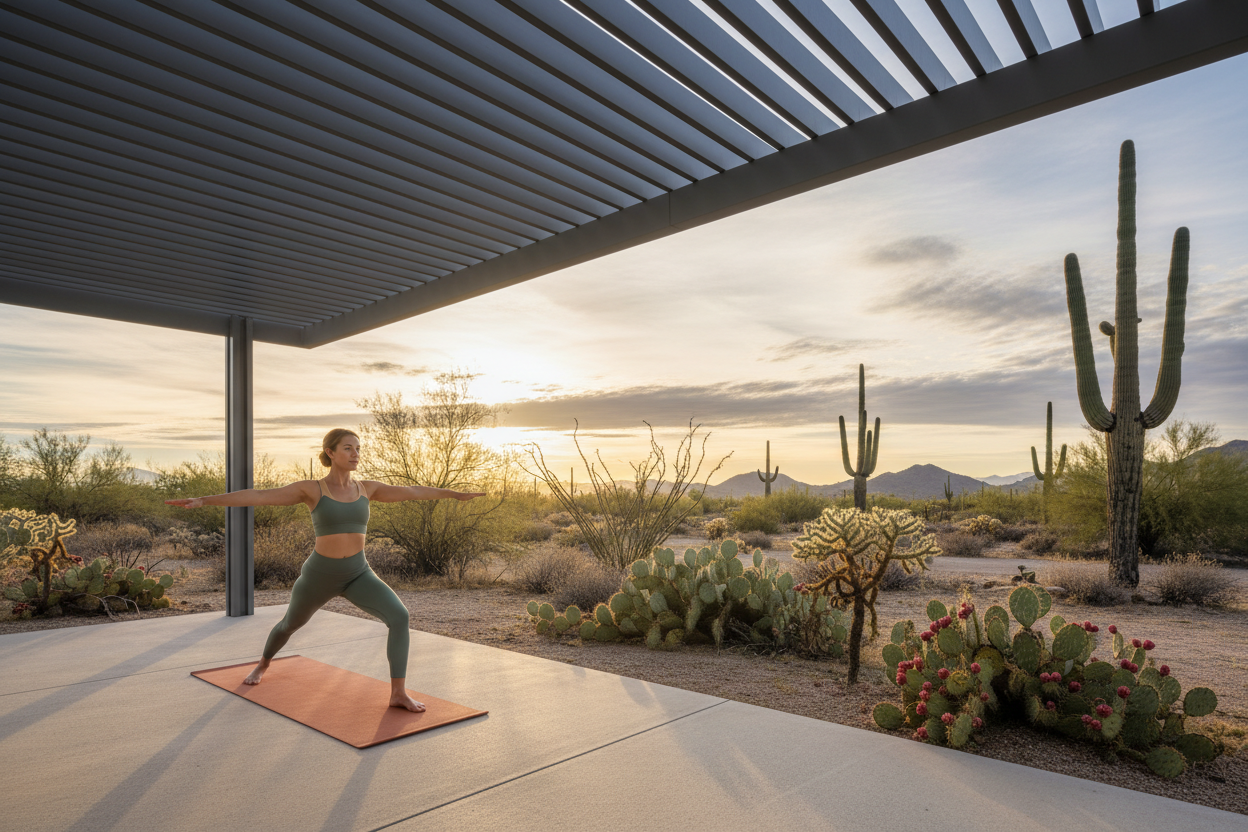
Sarah, a busy mother of three in Phoenix, installed a 20×16 foot aluminum patio cover specifically for her morning yoga practice. “I was spending $150 monthly on studio classes but could rarely make it due to scheduling conflicts,” she explains. “Now I practice every morning at 6 AM, rain or shine. The cover keeps me cool during summer and dry during our monsoon season. It’s paid for itself twice over in saved membership fees.”
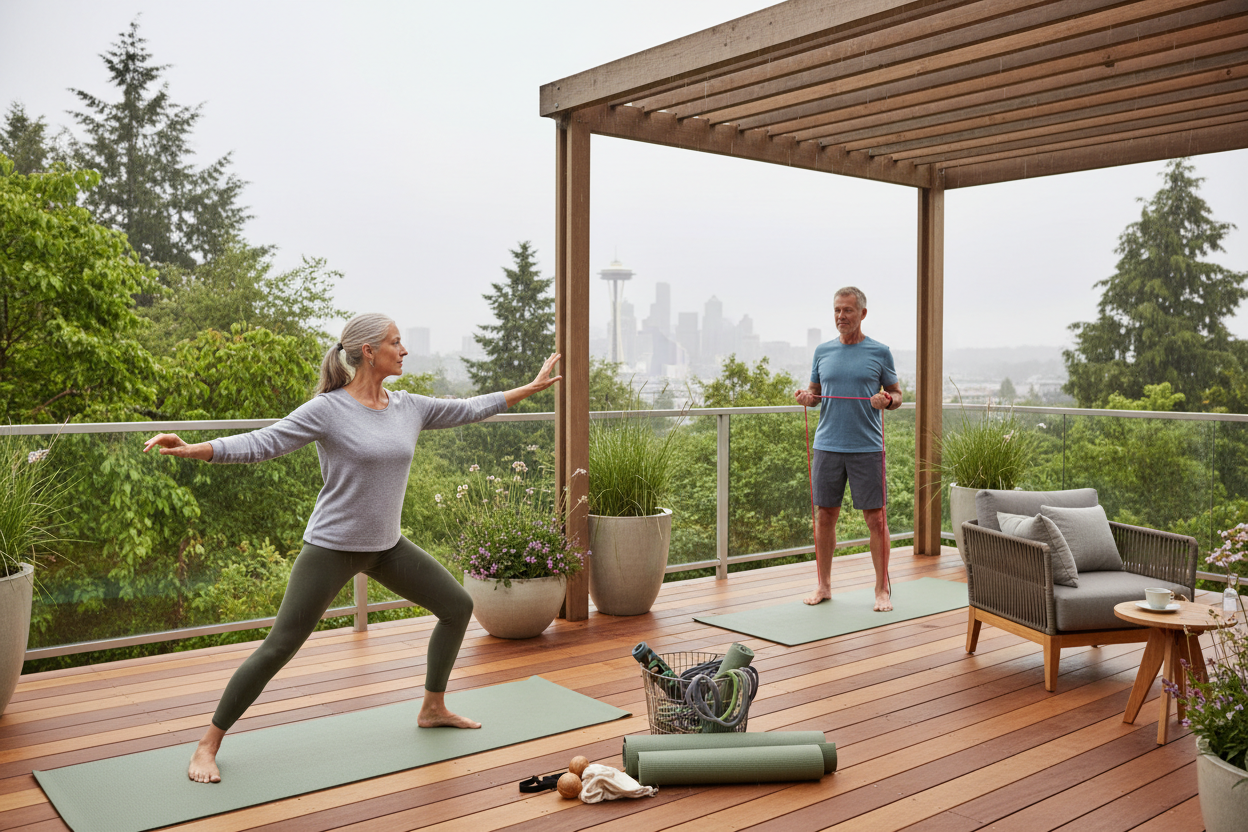
Mike and Jennifer, a retired couple in Seattle, converted their existing deck into a comprehensive fitness space with a custom pergola cover. “We wanted to stay active in retirement but didn’t want to deal with crowded gyms,” Mike shares. “Our covered deck now hosts everything from tai chi sessions to resistance band workouts. The partial coverage gives us flexibility – we can enjoy sunny days fully or stay dry during Seattle’s frequent drizzles.”
These success stories share common themes: increased workout consistency, cost savings, and improved quality of life. Many homeowners report that having a dedicated, weather-protected outdoor fitness space eliminates the common excuses that derail exercise routines.
Conclusion
Custom patio covers represent far more than simple weather protection – they’re catalysts for healthier, more active lifestyles. By combining the mental and physical benefits of outdoor exercise with the reliability and comfort of indoor protection, these structures create unique fitness environments that serve families for decades.
The investment in a custom patio cover for fitness purposes pays dividends in multiple ways: improved health outcomes, substantial savings on gym memberships, increased property value, and the immeasurable benefit of having a personal fitness sanctuary steps from your back door.
As home fitness continues to evolve and grow in popularity, outdoor exercise spaces protected by custom covers are positioned to become standard features in health-conscious households. The question isn’t whether this trend will continue, but rather how quickly homeowners will recognize the tremendous value these installations provide.
Whether you’re a fitness enthusiast looking to enhance your routine or someone seeking motivation to become more active, a custom patio cover could be the key to unlocking your outdoor fitness potential. The combination of fresh air, natural light, weather protection, and convenience creates an exercise environment that’s both effective and enjoyable – a powerful combination for long-term fitness success.
Frequently Asked Questions
Q: How much does a custom patio cover for fitness use typically cost?
A: Costs vary significantly based on size, materials, and complexity, but most fitness-focused patio covers range from $3,000-$15,000. Basic aluminum covers start around $3,000-$5,000 for a 12×12 space, while elaborate custom designs with premium materials can reach $15,000 or more. Most homeowners find the investment pays for itself within 2-3 years through eliminated gym membership fees.
Q: What’s the minimum ceiling height needed for a fitness patio cover?
A: Most fitness activities require at least 9-10 feet of clearance, but 12 feet or more is preferred for activities involving jumping, overhead movements, or tall individuals. Consider your specific workout routines when determining height requirements.
Q: Can I install a patio cover myself, or do I need a professional?
A: While simple kit installations might be DIY-friendly for experienced builders, most custom patio covers require professional installation due to structural requirements, building codes, and permit needs. Professional installation also typically includes warranties and ensures proper engineering for your specific location and intended use.
Q: What type of flooring works best under a fitness patio cover?
A: Interlocking rubber tiles, composite decking, and specialized outdoor fitness flooring are popular choices. Avoid natural grass, which becomes muddy and uneven with regular use. The best flooring provides cushioning, traction, and weather resistance while being easy to clean.
Q: Do I need permits for a patio cover installation?
A: Most permanent patio cover installations require building permits, though requirements vary by location and project scope. Temporary or portable structures may not require permits, but permanent installations typically do. Check with your local building department or consult with a professional contractor familiar with local codes.
Q: How do I maintain my patio cover fitness space?
A: Maintenance is typically minimal, involving periodic cleaning, inspection of fasteners and connections, and addressing minor issues promptly. Most covers require only 2-3 hours of annual maintenance. Specific requirements depend on materials used – aluminum needs less maintenance than wood, which requires periodic staining or sealing.

Richardson TX luxury custom pergolas | Keathley Landscaping

Dallas TX custom patio cover builders | Keathley Landscaping

Fairview TX custom patio covers | Keathley Landscaping

Parker TX custom patio cover cost | Keathley Landscaping

Rowlett TX pergola companies near me | Keathley Landscaping

Allen TX pergola builders | Keathley Landscaping

Rowlett TX covered patios | Keathley Landscaping

McKinney TX pergolas | Keathley Landscaping

Preston Hollow Dallas TX pergola builders | Keathley Landscaping

Sachse TX outdoor living space contractors | Keathley Landscaping

Rockwall TX custom patio cover builders | Keathley Landscaping

Sachse TX covered patios | Keathley Landscaping

Lakewood Dallas TX covered patio contractors near me | Keathley Landscaping

Rose Hill TX pergola builders | Keathley Landscaping

Dallas TX covered patios | Keathley Landscaping

Lowry Crossing TX pergola builders | Keathley Landscaping

Murphy TX custom pergolas | Keathley Landscaping

Frisco TX custom wood pergola | Keathley Landscaping

Parker TX outdoor living space contractors | Keathley Landscaping

Preston Hollow Dallas TX covered patios | Keathley Landscaping

Lucas TX custom pergolas | Keathley Landscaping

Rose Hill TX custom pergolas | Keathley Landscaping

Plano TX pergola builders | Keathley Landscaping

McKinney TX custom patio cover builders | Keathley Landscaping

Garland TX luxury custom pergolas | Keathley Landscaping

Preston Hollow Dallas TX custom patio covers | Keathley Landscaping

Richardson TX outdoor living contractor | Keathley Landscaping

Plano TX custom patio cover builders | Keathley Landscaping

installation of sod cost Frisco Texas

cost of sod installation Lowry Crossing Texas

sod installation companies Highland Park Texas

sod installation companies Lavon Texas

new sod installation Frisco Texas

sod grass installation Rowlett Texas

grass contractor Fairview Texas

sod company McKinney Texas

sod installation service Fate Texas

grass installation Sachse Texas

sod installation service Murphy Texas

sod installation companies near me Murphy Texas

installation of sod cost Fairview Texas

cost for sod installation Mobile City Texas

sod installation companies near me Rowlett Texas

new sod installation Rockwall Texas

price of sod installation Lavon Texas

grass installation Murphy Texas

sod installation companies Allen Texas

cost for sod installation Rose Hill Texas

cost of sod and installation Fate Texas

price for sod installation Sachse Texas

cost for sod installation Fairview Texas

sod installation companies Dallas Texas

sod installation companies Lake Highlands Dallas Texas

sod contractors Lakewood Dallas Texas

cost of sod and installation Rockwall Texas

price for sod installation Fate Texas

drainage company Sachse Texas

drain cleaning Dallas Texas

drain contractor Frisco Texas

drain cleaning company near me Lowry Crossing Texas

drainage contractors near me Fate Texas

outdoor drain repair Lowry Crossing Texas

drainage specialist near me Frisco Texas

yard drainage contractors near me Rose Hill Texas

yard drainage contractors near me Wylie Texas

drainage company Lake Highlands Dallas Texas

drain contractor Lavon Texas

channel drain cleaning Murphy Texas

drainage company McKinney Texas

drain Rockwall Texas

landscape drainage Highland Park Texas

drain Preston Hollow Dallas Texas

drainage solutions near me Sachse Texas

outdoor drain repair Rockwall Texas

drainage company Rockwall Texas

channel drain cleaning Mobile City Texas

landscape drain Murphy Texas

drainage specialist near me Lowry Crossing Texas

drain cleaning Mobile City Texas

landscape drainage contractor near me Preston Hollow Dallas Texas

yard drainage contractors near me Lavon Texas

yard drainage Frisco Texas

drainage company near me Preston Hollow Dallas Texas

Recent Comments