
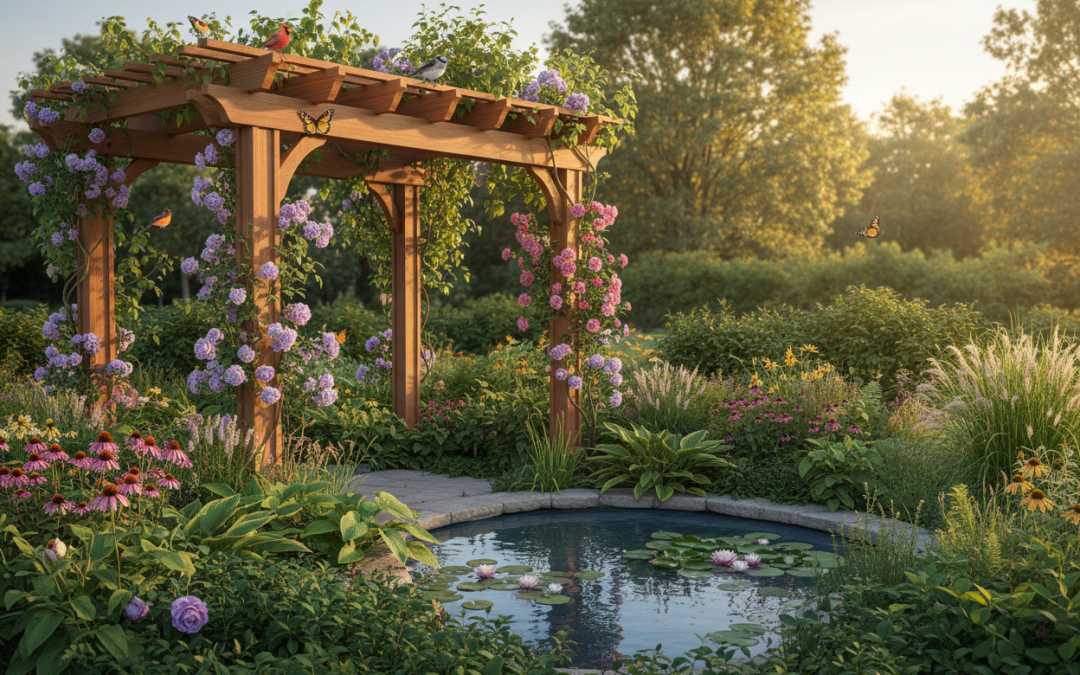
The Impact of Custom Pergolas on Backyard Wildlife and Ecosystems
Table of Contents
1. Understanding the Connection Between Pergolas and Wildlife
2. How Custom Pergolas Create Habitat Opportunities
3. Plant Selection: Choosing Wildlife-Friendly Climbing Species
4. Supporting Pollinators Through Strategic Pergola Design
5. Water Features and Pergolas: A Perfect Partnership
6. Seasonal Considerations for Wildlife-Friendly Pergolas
7. Potential Challenges and How to Address Them
8. Maintenance Tips for Eco-Friendly Pergola Systems
9. Real-World Examples and Success Stories
10. Frequently Asked Questions
Understanding the Connection Between Pergolas and Wildlife
When I first installed a custom pergola in my backyard three years ago, I never imagined it would become a bustling hub of wildlife activity. What started as a simple outdoor structure designed for shade and aesthetics has transformed into something far more meaningful – a thriving ecosystem that supports local wildlife throughout the seasons.
Custom pergolas represent more than just architectural elements; they’re potential catalysts for creating wildlife-friendly environments in our backyards. Unlike mass-produced structures, custom pergolas can be specifically designed with wildlife habitat in mind, incorporating features that support local ecosystems while enhancing our outdoor living spaces.
The relationship between pergolas and wildlife isn’t immediately obvious to most homeowners. However, these structures create unique microclimates and vertical growing opportunities that can significantly impact local biodiversity. From providing nesting sites for birds to supporting climbing plants that feed pollinators, well-designed pergolas can become integral components of backyard ecosystems.
How Custom Pergolas Create Habitat Opportunities
Custom pergolas excel at creating diverse habitat opportunities that benefit various wildlife species. The three-dimensional structure of a pergola naturally provides multiple zones where different animals can find shelter, food, and nesting opportunities.
The vertical posts and beams create elevated perching spots for birds, while the open framework allows for air circulation and natural light penetration. This design encourages the growth of climbing plants, which in turn provide additional habitat layers. The space beneath the pergola offers ground-level habitat for smaller creatures like beneficial insects, amphibians, and small mammals.
One of the most significant advantages of custom pergolas is their adaptability. Unlike pre-fabricated structures, custom designs can incorporate specific features that enhance wildlife value. These might include built-in nesting boxes, specialized mounting points for bird feeders, or integrated planters that support native vegetation.
The materials used in custom pergola construction also play a crucial role in wildlife habitat creation. Natural wood provides opportunities for cavity-nesting insects, while metal structures can be designed with specific textures and surfaces that benefit different species. The key is working with designers who understand both structural requirements and ecological principles.
Plant Selection: Choosing Wildlife-Friendly Climbing Species
The plants you choose to grow on your custom pergola will largely determine its impact on local wildlife. Native climbing species typically provide the greatest benefits, as they’ve evolved alongside local wildlife and offer appropriate food sources and habitat structures.
For North American gardens, native options like wild grape, Virginia creeper, and native honeysuckle species create excellent wildlife habitat. These plants produce berries and nectar that feed birds and insects, while their dense foliage provides nesting sites and protection from predators.
Flowering vines deserve special consideration for their pollinator support. Native clematis species, trumpet vine, and crossvine all produce abundant nectar and attract various pollinators throughout the growing season. The timing of their blooms can be strategically planned to provide continuous nectar sources from spring through fall.
It’s important to avoid invasive climbing species, even if they’re marketed as “wildlife-friendly.” Plants like English ivy or invasive honeysuckle varieties can quickly overwhelm native vegetation and disrupt local ecosystems. Always research the invasive potential of any plant before adding it to your pergola.
Consider incorporating plants with different growth habits and flowering times to maximize wildlife benefits. Fast-growing annual vines can provide quick coverage and seasonal interest, while perennial species offer long-term stability and increasingly valuable habitat as they mature.
Supporting Pollinators Through Strategic Pergola Design
Pollinators face unprecedented challenges in modern landscapes, making wildlife-friendly pergolas more important than ever. Strategic design choices can transform your pergola into a pollinator powerhouse that supports bees, butterflies, hummingbirds, and other crucial pollinating species.
The key to pollinator-friendly pergola design lies in creating diverse flowering opportunities throughout the growing season. This means selecting climbing plants with staggered bloom times and incorporating nearby ground-level plantings that complement the vertical garden.
Native bee species particularly benefit from pergola structures because many are cavity-nesting species that utilize the small gaps and crevices naturally present in wooden pergolas. Custom designs can incorporate specific features like drilled holes of varying sizes to accommodate different bee species’ nesting requirements.
Butterfly gardens work exceptionally well with pergola systems. The structure provides wind protection that butterflies need for feeding, while climbing plants can include both nectar sources for adults and host plants for caterpillars. Creating this dual-purpose environment requires careful plant selection but results in significant conservation benefits.
Hummingbird-friendly pergolas should incorporate tubular flowers in reds and oranges, along with small perching spots where these tiny birds can rest between feeding sessions. The pergola structure itself provides ideal mounting points for specialized hummingbird feeders and water features.
Water Features and Pergolas: A Perfect Partnership
Combining water features with custom pergolas creates exponentially greater wildlife value than either element alone. Water is essential for all wildlife, and the microclimate created by a pergola can help maintain water features while providing the humidity that many species require.
Simple water features work best with pergola systems. A shallow basin or small fountain positioned near the pergola base provides drinking water for birds and mammals while supporting the climbing plants above. The pergola’s shade helps prevent rapid evaporation and reduces maintenance requirements.
Drip irrigation systems integrated into pergola designs serve dual purposes. They maintain the climbing vegetation while creating the gentle water sounds that attract birds and other wildlife. The consistent moisture also supports beneficial insects and creates favorable conditions for amphibians.
Bird baths positioned strategically around pergolas benefit from the structure’s protection and the natural windbreaks created by climbing vegetation. The varied heights available in a pergola system allow for multiple water sources at different levels, accommodating species with different preferences and comfort zones.
For larger properties, pergolas can frame or shelter more substantial water features like small ponds or rain gardens. The structure provides viewing opportunities while the water feature dramatically increases the property’s wildlife carrying capacity.
Seasonal Considerations for Wildlife-Friendly Pergolas
Understanding how pergolas function across seasons is crucial for maximizing their wildlife value. Each season presents different opportunities and challenges for supporting backyard ecosystems through pergola design and management.
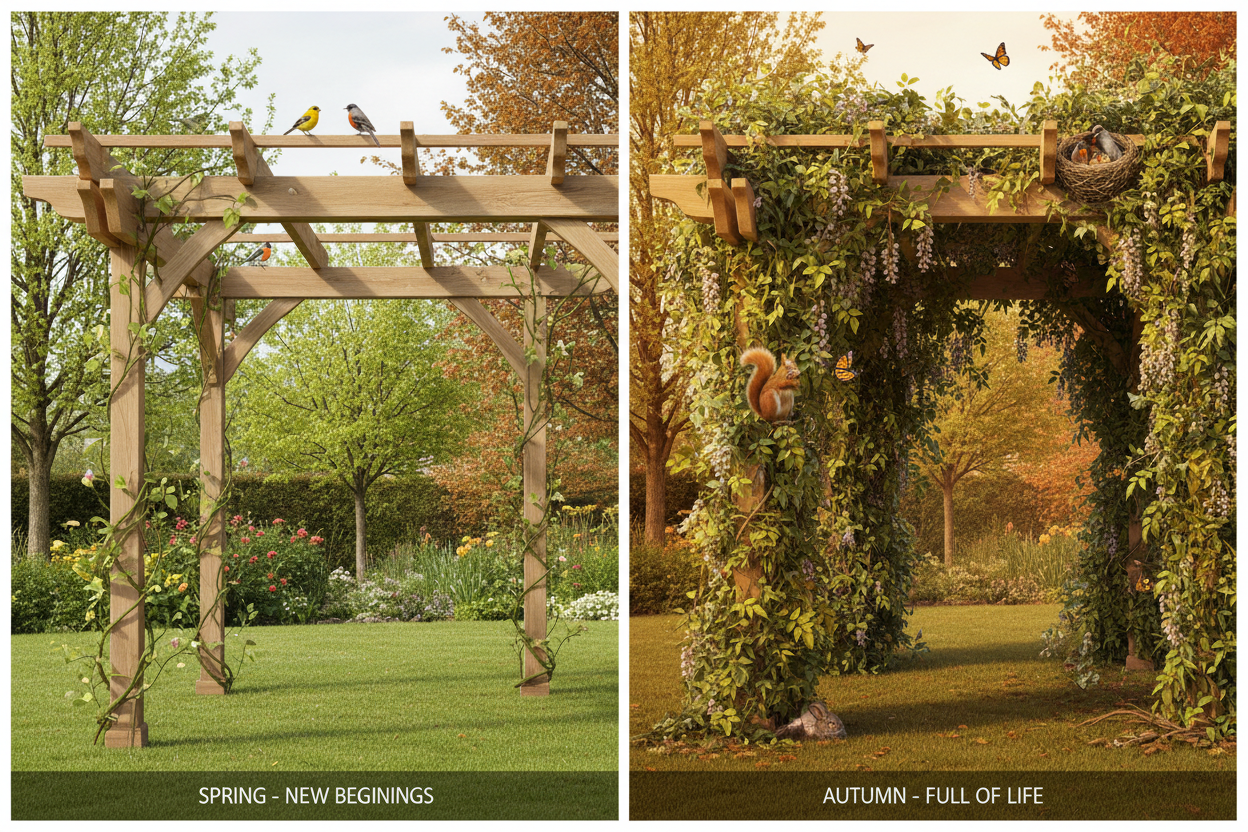
Spring brings renewed activity as climbing plants begin their growth cycle and wildlife species return from migration or emerge from winter dormancy. This is when proper pruning and maintenance of pergola plants becomes crucial for ensuring healthy growth and maximum wildlife benefit throughout the growing season.
Summer represents peak activity periods for most wildlife species. The full canopy of climbing plants provides crucial shade and cooling, creating comfortable microclimates for both wildlife and human users. Regular watering becomes essential, not just for plant health but for maintaining the water sources that wildlife depends upon.
Fall brings unique opportunities as many climbing plants produce berries and seeds that provide crucial nutrition for wildlife preparing for winter. Leaving some plant material in place rather than conducting aggressive fall cleanup provides overwintering habitat for beneficial insects and other small creatures.
Winter might seem like a dormant period, but well-designed pergolas continue supporting wildlife through the cold months. Evergreen climbing species provide year-round shelter, while the structure itself offers wind protection and roosting sites for birds. Seed heads left from summer flowers provide winter food sources.
Potential Challenges and How to Address Them
Creating wildlife-friendly pergolas isn’t without challenges, but understanding potential issues and planning accordingly can prevent most problems while maintaining the ecological benefits these structures provide.
Overgrowth represents one of the most common challenges with pergola vegetation. Vigorous climbing plants can quickly overwhelm structures if not properly managed. Regular pruning and strategic plant selection help maintain the balance between wildlife habitat and structural integrity.
Pest management in wildlife-friendly gardens requires a different approach than conventional landscaping. Chemical pesticides can harm the very wildlife you’re trying to support, so integrated pest management strategies become essential. Encouraging natural predators and maintaining plant diversity typically provides effective pest control.
Structural concerns arise when pergolas aren’t designed to handle the weight of mature climbing plants, especially when wet. Custom pergolas should be engineered with this additional load in mind, using appropriate materials and construction techniques to ensure long-term stability.
Neighbor relations sometimes suffer when wildlife-friendly landscaping appears “messy” compared to conventional manicured gardens. Education and strategic design can address these concerns while maintaining ecological benefits. Keeping areas visible from neighboring properties neat while allowing wilder growth in more private zones often provides a good compromise.
Maintenance Tips for Eco-Friendly Pergola Systems
Maintaining wildlife-friendly pergolas requires a different approach than conventional landscape maintenance. The goal is supporting both structural integrity and ecological function while minimizing disturbance to wildlife populations.
Timing maintenance activities around wildlife breeding seasons prevents disruption of nesting birds and other sensitive species. Late fall or early spring typically provide the best windows for major pruning or structural work, when most species are either dormant or haven’t yet begun breeding activities.
Pruning techniques should focus on maintaining plant health and structural safety while preserving wildlife habitat features. Selective pruning rather than wholesale cutting maintains the habitat structure that wildlife depends upon while preventing overgrowth issues.
Organic maintenance practices protect the wildlife that pergolas are designed to support. This includes using organic fertilizers, avoiding chemical pesticides, and managing plant diseases through cultural practices rather than chemical interventions.
Regular monitoring helps identify potential problems before they become serious issues. This includes checking for structural integrity, monitoring plant health, and observing wildlife usage patterns to ensure the pergola continues meeting its ecological objectives.
Real-World Examples and Success Stories
The theoretical benefits of wildlife-friendly pergolas become more compelling when illustrated through real-world examples. Across the country, homeowners have successfully integrated custom pergolas into their landscape designs with remarkable results for local wildlife populations.
In suburban Atlanta, a family’s custom cedar pergola has become a certified wildlife habitat supporting over 40 bird species throughout the year. Their design incorporates native muscadine grapes and crossvine, providing both human enjoyment and crucial wildlife resources. The pergola’s integrated rain collection system supports both the climbing plants and a series of shallow water features that attract diverse wildlife.
A California homeowner transformed their drought-prone backyard using a custom steel pergola planted with native California grape and morning glory species. The structure now supports a thriving population of native bees and has become a crucial stopover point for migrating hummingbirds. The pergola’s design incorporates specialized nesting boxes and maintains year-round water sources despite the challenging climate.
In the Pacific Northwest, a custom pergola system created from reclaimed materials provides habitat for over a dozen native plant species and supports populations of native cavity-nesting bees. The owners report increased fruit production in their nearby garden due to improved pollination, demonstrating the broader ecological benefits of wildlife-friendly pergola design.
These examples share common elements: thoughtful design that considers both human needs and wildlife requirements, selection of appropriate native plants, and ongoing management that prioritizes ecological function alongside aesthetic appeal.
Conclusion
Custom pergolas represent remarkable opportunities to create meaningful wildlife habitat while enhancing our outdoor living spaces. Unlike conventional landscape features, these structures can simultaneously serve human needs and ecological functions when designed and managed with wildlife in mind.
The impact of custom pergolas on backyard wildlife and ecosystems extends far beyond their immediate footprint. By providing vertical growing space, creating microclimates, and supporting diverse plant communities, these structures can significantly increase the biodiversity and ecological value of residential properties.
Success with wildlife-friendly pergolas requires commitment to ongoing learning and adaptive management. As climate conditions change and wildlife populations shift, pergola systems must evolve to continue providing maximum ecological benefit. This might mean adjusting plant selections, modifying water features, or updating maintenance practices based on observed wildlife usage patterns.
The investment in a custom pergola designed for wildlife pays dividends that extend far beyond the initial installation. These structures create lasting positive impacts on local ecosystems while providing homeowners with unique opportunities to observe and interact with wildlife in their own backyards.
For anyone considering a pergola installation, incorporating wildlife-friendly design elements represents a meaningful way to contribute to conservation efforts while creating beautiful, functional outdoor spaces. The key lies in working with designers who understand both structural requirements and ecological principles, ensuring that your pergola becomes a true asset to local wildlife populations for years to come.
Frequently Asked Questions
How long does it take for wildlife to discover and use a new pergola?
Most wildlife species begin using pergola structures within the first growing season, particularly if appropriate plants and water sources are established. Birds typically discover new perching and nesting opportunities within weeks, while it may take a full season for climbing plants to mature enough to provide substantial habitat value.
What’s the best material for wildlife-friendly custom pergolas?
Natural cedar and other rot-resistant woods provide the best wildlife value, offering opportunities for cavity-nesting insects while aging gracefully. Metal pergolas can also support wildlife when designed appropriately, though they require different plant attachment methods and don’t provide the same insect habitat opportunities.
Can pergolas attract unwanted wildlife like rodents or snakes?
Well-designed pergolas typically attract beneficial wildlife rather than pest species. Maintaining appropriate plant selection, avoiding ground-level food sources, and keeping surrounding areas clean minimizes the risk of attracting unwanted species while supporting desirable wildlife populations.
How do I prevent climbing plants from damaging my pergola structure?
Regular pruning, appropriate plant selection for your climate, and proper structural design prevent most plant-related damage. Choose plants with appropriate vigor for your structure size, and establish pruning schedules that maintain both plant health and structural integrity.
What’s the maintenance time commitment for a wildlife-friendly pergola?
Most wildlife-friendly pergolas require 2-4 hours of maintenance monthly during the growing season, primarily focused on watering, light pruning, and monitoring plant health. Annual maintenance tasks like major pruning and structural inspections typically require an additional 4-8 hours depending on pergola size and complexity.
Do wildlife-friendly pergolas increase property values?
Well-designed pergolas generally increase property values, and wildlife-friendly features are increasingly valued by environmentally conscious buyers. The key is maintaining aesthetic appeal alongside ecological function, ensuring the pergola enhances rather than detracts from overall landscape design.

Preston Hollow Dallas TX covered patios | Keathley Landscaping

Lakewood Dallas TX covered patios | Keathley Landscaping

Lake Highlands Dallas TX outdoor living contractor | Keathley Landscaping

Garland TX custom patio cover cost | Keathley Landscaping

Lavon TX pergola builders | Keathley Landscaping

Murphy TX outdoor living space contractors | Keathley Landscaping

McKinney TX custom pergolas | Keathley Landscaping

Highland Park TX custom patio covers | Keathley Landscaping

Rockwall TX custom patio covers | Keathley Landscaping

Preston Hollow Dallas TX custom patio cover builders | Keathley Landscaping

Lowry Crossing TX covered patio contractors near me | Keathley Landscaping

Dallas TX covered patios | Keathley Landscaping

Richardson TX custom patio cover cost | Keathley Landscaping

Lake Highlands Dallas TX outdoor living space contractors | Keathley Landscaping

Allen TX covered patio contractors near me | Keathley Landscaping

Rowlett TX covered patio contractors near me | Keathley Landscaping

Wylie TX custom wood pergola | Keathley Landscaping

Dallas TX outdoor living space contractors | Keathley Landscaping

Wylie TX outdoor living space contractors | Keathley Landscaping

McKinney TX pergolas | Keathley Landscaping

Parker TX covered patios | Keathley Landscaping

Richardson TX custom patio cover builders | Keathley Landscaping

Highland Park TX covered patios | Keathley Landscaping

Highland Park TX outdoor living contractor | Keathley Landscaping

Mobile City TX custom wood pergola | Keathley Landscaping

Lowry Crossing TX pergola builders | Keathley Landscaping

Lavon TX pergola companies near me | Keathley Landscaping

Preston Hollow Dallas TX pergola companies near me | Keathley Landscaping

cost for sod installation Frisco Texas

cost of sod and installation Mobile City Texas

sod installation companies near me Rose Hill Texas

sod grass installation Preston Hollow Dallas Texas

grass installation McKinney Texas

sod lawn installation Richardson Texas

cost of sod and installation Plano Texas

installation of sod cost Lake Highlands Dallas Texas

sod grass installation Rose Hill Texas

sod company Parker Texas

lawn sod installation Preston Hollow Dallas Texas

price of sod installation Mobile City Texas

sod installation near me Rowlett Texas

new sod installation Richardson Texas

sod installation service Parker Texas

sod company Wylie Texas

sod installation company Rockwall Texas

installation of sod cost Frisco Texas

price for sod installation Garland Texas

sod installation companies near me Wylie Texas

price of sod installation Fate Texas

sod installation near me Highland Park Texas

sod installation service Lowry Crossing Texas

sod lawn installation Parker Texas

sod company Richardson Texas

sod installation services Murphy Texas

sod installation company Lucas Texas

sod installation near me Sachse Texas

drainage Rose Hill Texas

drainage contractors near me Mobile City Texas

yard drainage contractors near me McKinney Texas

outdoor drain repair Lake Highlands Dallas Texas

drain cleaning Dallas Texas

drain contractor Lake Highlands Dallas Texas

drainage specialist near me Lake Highlands Dallas Texas

yard drainage contractors near me Dallas Texas

drainage contractors near me Fate Texas

drainage company near me Highland Park Texas

drainage Lakewood Dallas Texas

yard drainage contractors near me Lucas Texas

yard drainage contractors near me Lavon Texas

yard drainage Plano Texas

landscape drain Mobile City Texas

yard drainage Garland Texas

drain contractor Rowlett Texas

landscape drainage contractor near me Lucas Texas

drain contractor Highland Park Texas

drain Allen Texas

yard drainage contractors near me Fate Texas

drain cleaning company near me McKinney Texas

landscape drain Richardson Texas

drainage company Highland Park Texas

drainage contractors near me Rockwall Texas

drainage specialist near me Richardson Texas

drain cleaning company near me Wylie Texas

Recent Comments