
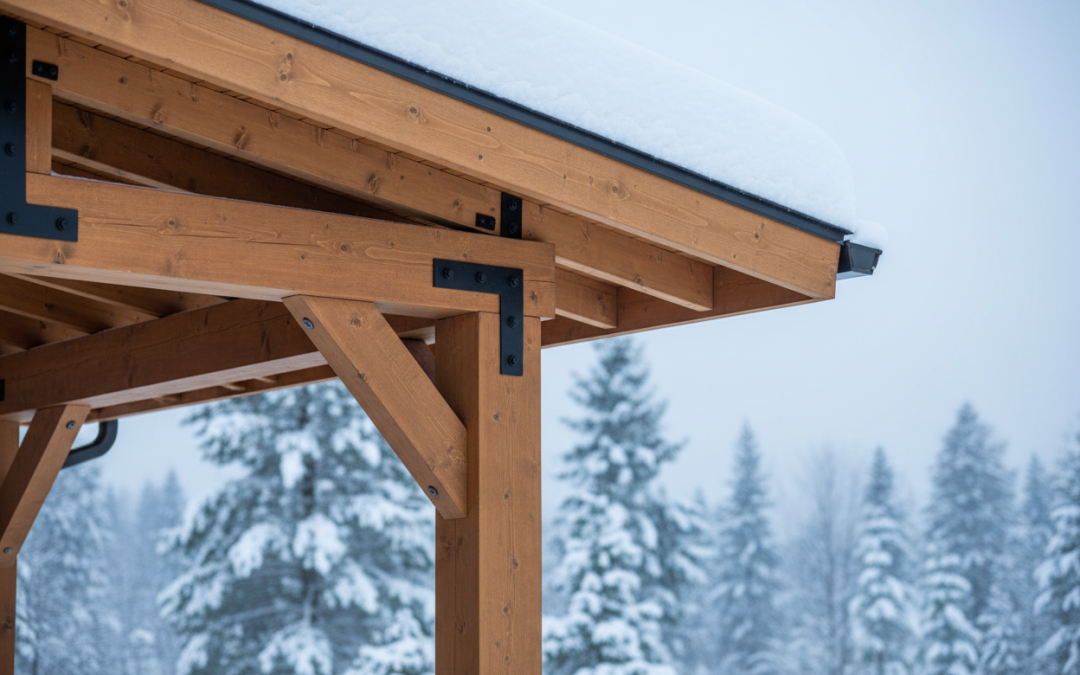
Custom Patio Cover Snow Load Requirements for Cold Climates: A Complete Guide
Table of Contents
1. Introduction to Snow Load Requirements
2. Understanding Snow Load Calculations
3. Regional Snow Load Variations
4. Design Considerations for Cold Climate Patio Covers
5. Materials That Handle Snow Loads Best
6. Professional Installation vs. DIY Considerations
7. Maintenance Tips for Snow-Loaded Patio Covers
8. Building Codes and Permits
9. Cost Factors for Snow-Rated Patio Covers
10. Frequently Asked Questions
Introduction to Snow Load Requirements
Living in a cold climate doesn’t mean you have to sacrifice your outdoor living dreams. However, when you’re planning a custom patio cover in regions where snow is a regular winter visitor, understanding snow load requirements becomes absolutely critical. I’ve seen too many beautiful patio covers collapse under heavy snow loads simply because the design didn’t account for the unique challenges that winter weather presents.
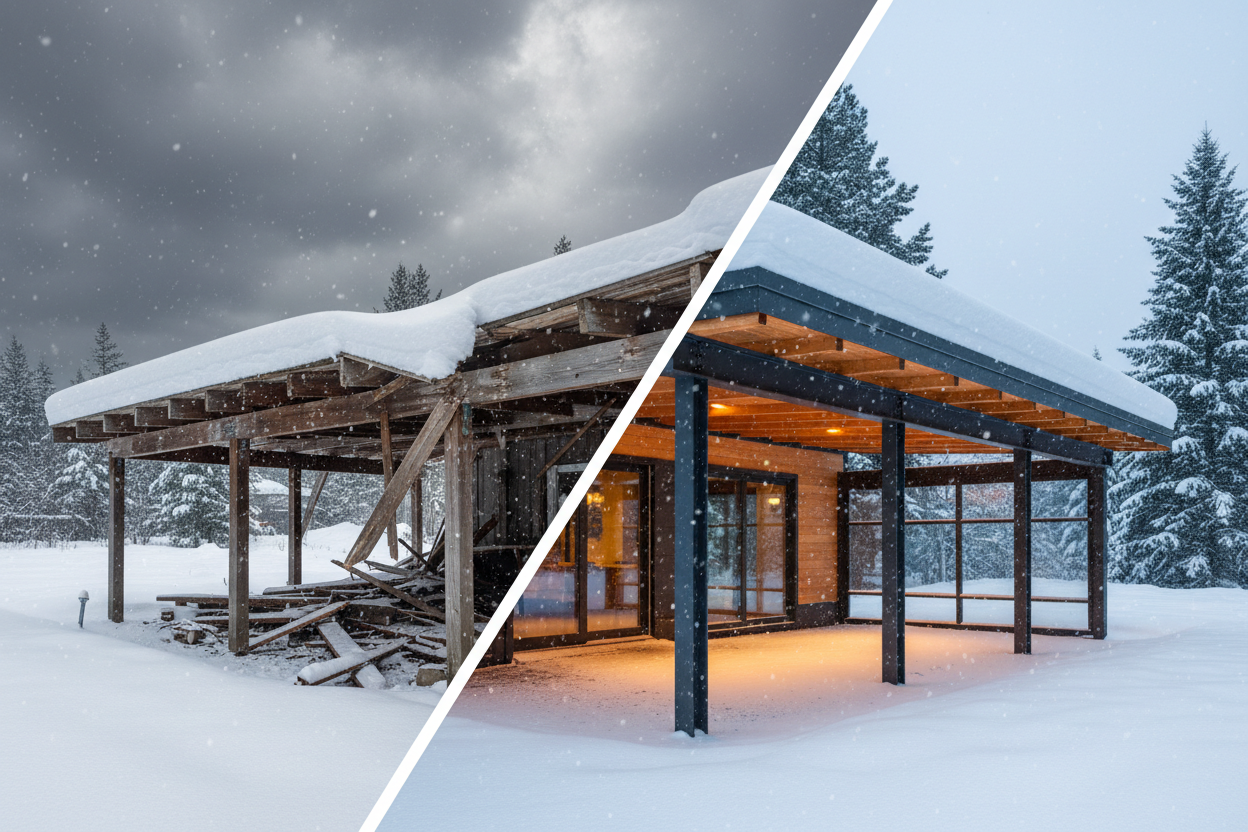
Snow load requirements aren’t just suggestions—they’re essential safety standards that protect your investment and, more importantly, keep your family safe. Whether you’re dreaming of a cozy covered space for winter gatherings or simply want protection for your outdoor furniture, getting the snow load calculations right from the start will save you headaches, money, and potential disasters down the road.
In this comprehensive guide, we’ll walk through everything you need to know about custom patio cover snow load requirements, from basic calculations to material selection and professional installation considerations. By the end, you’ll have the knowledge to make informed decisions about your cold-climate patio cover project.
Understanding Snow Load Calculations
Snow load calculations might seem intimidating at first, but they’re based on straightforward principles that anyone can understand. The basic concept revolves around how much weight accumulated snow will place on your patio cover structure over time.
Ground snow load serves as the starting point for all calculations. This measurement, typically expressed in pounds per square foot (psf), represents the maximum expected snow accumulation on the ground in your area over a 50-year period. However, the snow load on your roof will differ from ground snow load due to factors like wind, roof slope, and thermal effects.
The roof snow load calculation takes into account several key factors. Thermal factor considers whether your patio cover is heated or unheated—heated structures tend to melt snow faster, reducing load. Wind exposure factor accounts for how exposed your structure is to wind, which can blow snow off or create drifting. Roof slope factor recognizes that steeper roofs shed snow more effectively than flat surfaces.
For most residential patio covers, you’ll also need to consider unbalanced snow loads, which occur when snow slides off an adjacent roof onto your patio cover, or when wind creates uneven snow distribution. These scenarios can create significantly higher loads than uniform snow coverage.
Regional Snow Load Variations
Snow load requirements vary dramatically across different regions, and understanding your local requirements is crucial for proper planning. The International Building Code provides snow load maps, but local building departments often have more specific requirements based on historical weather patterns and elevation changes.
In the Northeast, cities like Buffalo and Syracuse regularly see ground snow loads of 50-60 psf due to lake effect snow. Mountain regions in Colorado and Utah can experience ground snow loads exceeding 100 psf at higher elevations. Even areas that don’t typically receive heavy snow, like parts of the Pacific Northwest, may have specific requirements due to occasional severe weather events.
Microclimates within regions can create significant variations. A patio cover at the base of a mountain might have different requirements than one just a few miles away at a different elevation. Similarly, areas prone to snow drifting or sliding from adjacent structures may require additional load considerations.
Local building departments maintain records of historical snow loads and often require engineers to use specific values for calculations. Don’t assume that general regional data applies to your specific location—always check with local authorities for the most accurate requirements.
Design Considerations for Cold Climate Patio Covers
Designing a patio cover for cold climates requires thinking beyond just the structural elements. The entire system must work together to handle not only static snow loads but also the dynamic forces that come with freeze-thaw cycles, ice formation, and thermal expansion.
Roof pitch plays a crucial role in snow load management. Steeper pitches, typically 4:12 or greater, help snow slide off naturally, reducing accumulation. However, this creates the need for adequate clearance areas where sliding snow will land. Flatter roofs may require stronger structural support but can be easier to integrate with existing architecture.
Structural spacing becomes critical in snow-prone areas. Beam and rafter spacing may need to be closer than in warmer climates to distribute loads effectively. The connection points between posts, beams, and rafters require special attention, as these are often the first failure points under heavy loads.
Drainage design takes on added importance in cold climates. Gutters must be sized to handle not only rain but also significant melt-water volumes. Ice dam prevention through proper insulation and ventilation helps prevent water backup that could add unexpected loads or cause structural damage.
Consider the interaction between your patio cover and existing structures. Snow sliding off your house roof onto the patio cover can create concentrated loads that exceed uniform snow load calculations. Proper positioning and additional structural support may be necessary in these areas.
Materials That Handle Snow Loads Best
Material selection for cold-climate patio covers involves balancing structural strength, durability, and cost considerations. Different materials have distinct advantages and limitations when it comes to handling snow loads and cold weather conditions.
Engineered lumber products like laminated veneer lumber (LVL) and glue-laminated beams offer excellent strength-to-weight ratios and consistent performance in cold weather. These materials resist warping and splitting that can occur with traditional dimensional lumber during freeze-thaw cycles. They’re particularly effective for longer spans where heavy snow loads require substantial structural capacity.
Steel framing provides the highest strength capacity for snow loads but requires careful consideration of thermal expansion and condensation issues. Galvanized or powder-coated steel resists corrosion from road salt and moisture. However, steel’s thermal conductivity can create condensation problems without proper design details.
Traditional heavy timber construction remains popular for its aesthetic appeal and proven performance in cold climates. Large timber members distribute loads effectively and have natural resistance to temperature fluctuations. However, proper seasoning and treatment are essential to prevent checking and splitting that could compromise structural integrity.
Aluminum structures offer corrosion resistance and lighter weight but may require closer spacing or heavier gauge materials to achieve necessary snow load capacity. The material’s flexibility can be advantageous in accommodating thermal movement but may create deflection issues under heavy loads.
Roofing material selection impacts both structural requirements and performance. Metal roofing sheds snow effectively but may require snow guards to prevent dangerous sliding. Membrane roofing systems require careful attention to seam integrity in cold weather, while traditional shingles may need upgraded underlayment for ice dam protection.
Professional Installation vs. DIY Considerations
The complexity of snow load calculations and structural requirements makes professional involvement highly recommended for cold-climate patio covers. While DIY installation might be tempting from a cost perspective, the potential consequences of inadequate snow load capacity far outweigh any savings.
Structural engineering expertise becomes essential when dealing with significant snow loads. Engineers can perform detailed load calculations, specify appropriate materials and connections, and ensure compliance with local building codes. They also understand the nuances of cold-climate design that aren’t apparent to most homeowners.
Professional contractors experienced in cold-climate construction bring valuable practical knowledge to the project. They understand local weather patterns, soil conditions, and building practices that affect long-term performance. Their experience with similar projects can help avoid common pitfalls and ensure proper installation techniques.
However, knowledgeable DIYers can handle certain aspects of the project while leaving critical elements to professionals. Foundation work, structural framing, and electrical connections typically require professional involvement, while finishing work like siding or trim installation might be suitable for DIY completion.
Permit requirements often mandate professional involvement for structural work. Building departments may require stamped engineering drawings and professional installation for structures subject to significant snow loads. Understanding these requirements early in the planning process helps avoid delays and additional costs.
Maintenance Tips for Snow-Loaded Patio Covers
Proper maintenance becomes crucial for patio covers in cold climates, as the repeated stress of snow loading and freeze-thaw cycles can gradually compromise structural integrity. Regular inspection and preventive maintenance help ensure long-term performance and safety.
Pre-winter preparation should include thorough inspection of all structural connections, looking for signs of loosening or corrosion. Clean gutters and drainage systems to prevent ice dam formation. Check roofing materials for damage that could allow water infiltration and subsequent freeze damage.
During winter months, monitor snow accumulation on your patio cover. While the structure should be designed to handle expected loads, unusual weather patterns or ice formation can create conditions exceeding design parameters. Remove snow when accumulation appears excessive, but do so safely using appropriate tools and techniques.
Post-winter inspection helps identify any damage that occurred during the snow season. Look for signs of structural movement, connection loosening, or material damage. Address issues promptly to prevent progressive failure that could compromise the structure’s ability to handle future snow loads.
Long-term maintenance includes periodic re-tightening of connections, replacement of worn hardware, and refinishing of exposed wood or metal surfaces. Keep detailed records of maintenance activities and any issues discovered, as these can help identify patterns that might indicate design or installation problems.
Building Codes and Permits
Navigating building codes and permit requirements for snow-loaded patio covers requires careful attention to both general structural requirements and specific local provisions. Building codes provide minimum standards, but local jurisdictions often impose additional requirements based on regional conditions.
The International Building Code serves as the foundation for most local codes, providing standardized snow load maps and calculation methods. However, local amendments often modify these provisions based on historical weather data and local construction practices. Some jurisdictions require higher safety factors or additional load considerations beyond the base code requirements.
Permit applications typically require detailed structural drawings showing load calculations, member sizes, and connection details. For structures subject to significant snow loads, stamped engineering drawings may be mandatory. The permit review process helps ensure compliance with safety standards but can also identify potential issues before construction begins.
Inspection requirements vary by jurisdiction but typically include foundation, framing, and final inspections. Inspectors verify that construction matches approved plans and meets code requirements. Be prepared to provide load calculations and material specifications during inspections.
Setback requirements may be more restrictive for covered structures than for open decks, particularly if snow sliding is a concern. Height restrictions might also apply, especially in areas with view ordinances or architectural guidelines. Research these requirements early in the design process to avoid costly revisions.
Cost Factors for Snow-Rated Patio Covers
Understanding the cost implications of snow load requirements helps in planning and budgeting for cold-climate patio covers. While initial costs may be higher than structures in milder climates, proper design and construction provide long-term value through durability and safety.
Structural requirements for snow loads typically increase material costs by 20-40% compared to similar structures in warmer climates. Larger beam sizes, closer spacing, and heavier-duty connections all contribute to higher material expenses. However, these costs pale in comparison to potential replacement costs if the structure fails under snow load.
Engineering fees become a necessary expense for most snow-loaded structures, typically ranging from $1,000 to $3,000 depending on project complexity. While this represents additional upfront cost, proper engineering helps optimize the design for both safety and economy.
Foundation requirements may be more substantial in cold climates due to frost depth considerations and higher structural loads. Deeper footings and potentially larger foundation elements increase excavation and concrete costs. However, proper foundations prevent settling and structural movement that could compromise the entire structure.
Long-term cost considerations favor investing in proper snow load capacity from the beginning. Retrofitting an inadequate structure costs significantly more than building correctly initially. Insurance considerations may also favor properly designed structures, as inadequate snow load capacity could affect coverage in case of failure.
Labor costs may be higher in cold climates due to seasonal construction limitations and the need for experienced contractors familiar with snow load requirements. However, working with qualified professionals reduces the risk of costly mistakes and ensures proper installation.
Conclusion
Building a custom patio cover in cold climates requires careful attention to snow load requirements, but the result can be a beautiful and functional outdoor space that serves your family for decades. The key is understanding that snow load considerations aren’t just technical requirements—they’re essential safety measures that protect your investment and ensure your family’s wellbeing.
Success starts with accurate snow load calculations based on local conditions and proper engineering design. Material selection, professional installation, and ongoing maintenance all play crucial roles in long-term performance. While the initial investment may be higher than structures in milder climates, the peace of mind and durability of a properly designed snow-rated patio cover make it worthwhile.
Remember that building codes provide minimum requirements, and local conditions may warrant exceeding these standards. Working with experienced professionals familiar with cold-climate construction helps ensure your project meets both safety requirements and your family’s needs.
Don’t let cold weather discourage your outdoor living dreams. With proper planning and attention to snow load requirements, you can create a beautiful covered space that enhances your home’s value and provides years of enjoyment, regardless of what winter weather brings your way.
Frequently Asked Questions
What is the minimum snow load requirement for patio covers?
Minimum snow load requirements vary by location and are determined by local building codes. Ground snow loads can range from 20 psf in mild climates to over 100 psf in heavy snow regions. Always consult your local building department for specific requirements in your area.
Can I build a patio cover without considering snow loads if I plan to remove snow regularly?
No, building codes require structures to be designed for expected snow loads regardless of maintenance intentions. Manual snow removal may not always be possible during severe weather events, and the structure must be safe under all anticipated conditions.
How much does engineering add to the cost of a patio cover project?
Engineering fees typically range from $1,000 to $3,000 for residential patio covers, depending on complexity. While this represents additional upfront cost, proper engineering often optimizes the design and can actually reduce overall material costs while ensuring safety.
What happens if my patio cover wasn’t designed for adequate snow loads?
Inadequate snow load capacity can result in structural failure, property damage, injury, and insurance complications. If you suspect your existing structure is inadequate, consult a structural engineer immediately for evaluation and potential reinforcement options.
Do I need a permit for a patio cover in a cold climate?
Most jurisdictions require permits for covered structures, especially those subject to significant snow loads. Permit requirements help ensure safety and code compliance. Check with your local building department early in the planning process.
Can I use standard lumber for a snow-loaded patio cover?
Standard dimensional lumber can be used if properly sized for the expected loads. However, engineered lumber products often provide better performance and may be more economical for longer spans or heavy snow load requirements.
How often should I inspect my patio cover for snow load damage?
Inspect your patio cover before winter, during heavy snow periods, and after winter ends. Look for signs of structural movement, connection loosening, or material damage. Address any issues promptly to maintain structural integrity.

Allen TX covered patios | Keathley Landscaping

Rockwall TX custom pergolas | Keathley Landscaping

Garland TX custom patio cover builders | Keathley Landscaping

Lakewood Dallas TX custom patio covers | Keathley Landscaping

Lavon TX pergola companies near me | Keathley Landscaping

Lakewood Dallas TX covered patio contractors near me | Keathley Landscaping

Plano TX outdoor living contractor | Keathley Landscaping

Rowlett TX luxury custom pergolas | Keathley Landscaping

Allen TX custom patio cover cost | Keathley Landscaping

Sachse TX custom patio cover cost | Keathley Landscaping

Highland Park TX pergola companies near me | Keathley Landscaping

Lake Highlands Dallas TX custom patio cover cost | Keathley Landscaping

Allen TX covered patio contractors near me | Keathley Landscaping

Sachse TX outdoor living contractor | Keathley Landscaping

Allen TX custom patio cover builders | Keathley Landscaping

McKinney TX pergola companies near me | Keathley Landscaping

McKinney TX custom patio cover cost | Keathley Landscaping

Sachse TX custom wood pergola | Keathley Landscaping

Rose Hill TX outdoor living space contractors | Keathley Landscaping

Lavon TX custom patio covers | Keathley Landscaping

Rockwall TX custom patio covers | Keathley Landscaping

McKinney TX outdoor living space contractors | Keathley Landscaping

Lucas TX custom patio covers | Keathley Landscaping

Rose Hill TX pergola companies near me | Keathley Landscaping

Plano TX pergolas | Keathley Landscaping

Mobile City TX custom patio covers | Keathley Landscaping

Frisco TX outdoor living contractor | Keathley Landscaping

Lavon TX covered patios | Keathley Landscaping

sod company Dallas Texas

sod installation near me Allen Texas

sod installation cost Rose Hill Texas

residential sod installation Wylie Texas

residential sod installation Allen Texas

installation of sod cost Preston Hollow Dallas Texas

sod company Richardson Texas

sod grass installation Garland Texas

price of sod installation Dallas Texas

grass contractor Mobile City Texas

grass installation Frisco Texas

grass contractor Lavon Texas

cost for sod installation Lake Highlands Dallas Texas

price of sod installation Frisco Texas

lawn sod installation near me Lucas Texas

sod installation services Lucas Texas

sod company Fairview Texas

sod installation companies Parker Texas

sod contractors Fairview Texas

sod installation companies Lakewood Dallas Texas

new sod installation Wylie Texas

sod contractors Mobile City Texas

cost of sod installation Lucas Texas

sod contractors Lucas Texas

grass installation Fate Texas

cost of sod installation Dallas Texas

sod installation companies near me Fairview Texas

installation of sod cost Frisco Texas

drain Rockwall Texas

drainage solutions near me Garland Texas

drain Lucas Texas

drainage specialist near me Rockwall Texas

drainage Rowlett Texas

drain contractor Parker Texas

outdoor drain repair Rowlett Texas

channel drain cleaning Lucas Texas

drain Parker Texas

drainage contractors near me Lakewood Dallas Texas

drain cleaning company near me Fairview Texas

yard drainage Highland Park Texas

drainage company near me Rockwall Texas

drain cleaning Parker Texas

drainage company Sachse Texas

drain Murphy Texas

drain cleaning Rockwall Texas

channel drain cleaning Dallas Texas

drain cleaning company near me Preston Hollow Dallas Texas

drainage specialist near me Highland Park Texas

drainage specialist near me Richardson Texas

landscape drainage Lowry Crossing Texas

yard drainage contractors near me Lucas Texas

drainage company Lucas Texas

drain cleaning Preston Hollow Dallas Texas

landscape drain Frisco Texas

landscape drain Preston Hollow Dallas Texas

Recent Comments