
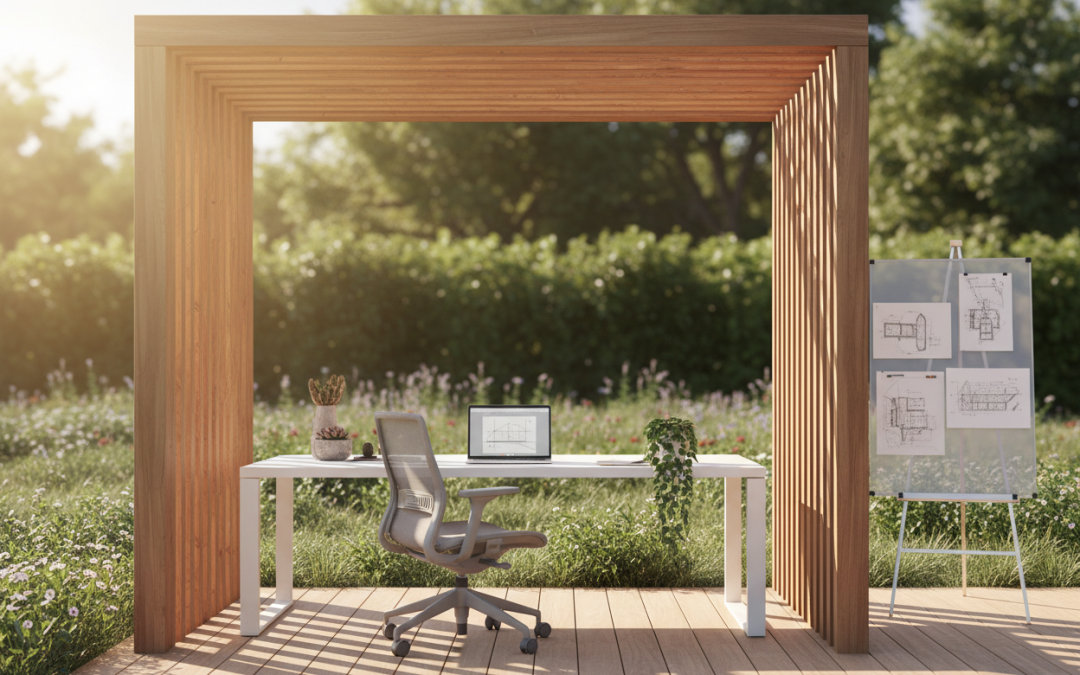
How to Design Custom Pergolas for Outdoor Office Spaces: Your Complete Guide to Creating the Perfect Work Environment
Table of Contents
1. Introduction to Outdoor Office Pergolas
2. Benefits of Custom Pergolas for Outdoor Workspaces
3. Essential Design Considerations for Your Outdoor Office Pergola
4. Choosing the Right Materials for Durability and Style
5. Size and Layout Planning for Maximum Productivity
6. Weather Protection Features Every Outdoor Office Needs
7. Integrating Technology and Electrical Solutions
8. Creating Privacy and Professional Atmosphere
9. Budget Planning and Cost-Effective Solutions
10. Maintenance Tips for Long-lasting Outdoor Office Pergolas
11. Conclusion
12. Frequently Asked Questions
Introduction to Outdoor Office Pergolas
The traditional office landscape has undergone a dramatic transformation in recent years. With remote work becoming the new normal for millions of professionals worldwide, many are discovering the incredible benefits of taking their workspace outdoors. There’s something magical about breathing fresh air while tackling your daily tasks, feeling the gentle breeze as you participate in video calls, and enjoying natural lighting that no indoor setup can truly replicate.

Custom pergolas have emerged as the perfect solution for creating functional, comfortable outdoor office spaces. These versatile structures offer the ideal balance between being connected to nature and maintaining the professional environment necessary for productive work. Whether you’re a freelancer looking to escape the confines of your home office or a business owner wanting to provide employees with innovative workspace options, a well-designed pergola can transform any outdoor area into a productive professional haven.
In this comprehensive guide, we’ll walk you through every aspect of designing custom pergolas specifically tailored for outdoor office use. From initial planning and material selection to incorporating modern technology and ensuring year-round usability, you’ll discover how to create an outdoor workspace that enhances both your productivity and overall well-being.
Benefits of Custom Pergolas for Outdoor Workspaces
Working in an outdoor office pergola offers numerous advantages that extend far beyond the obvious appeal of fresh air and natural surroundings. Research consistently shows that exposure to natural environments can significantly boost creativity, reduce stress levels, and improve overall job satisfaction. When you design a custom pergola for office use, you’re investing in both your physical and mental health while creating a unique professional environment.
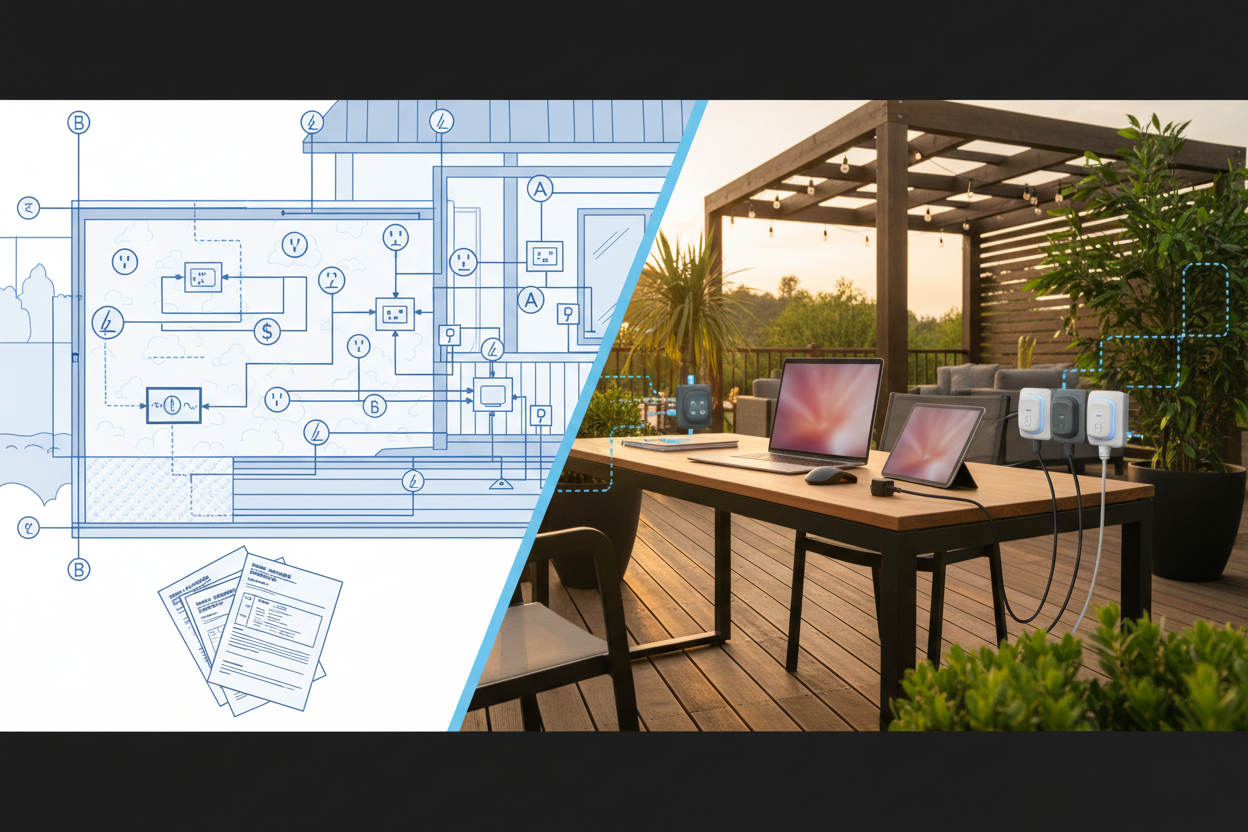
The psychological benefits are particularly noteworthy. Natural lighting helps regulate circadian rhythms, leading to better sleep patterns and increased energy levels throughout the day. The gentle sounds of nature – birds chirping, leaves rustling, or water features – can serve as natural white noise that enhances focus and concentration. Many professionals report feeling more inspired and creative when working outdoors, often finding solutions to problems that seemed insurmountable in traditional indoor settings.
From a practical standpoint, custom pergolas offer incredible flexibility in design and functionality. Unlike prefabricated structures, a custom pergola can be tailored to accommodate your specific work requirements, available space, and aesthetic preferences. You can incorporate features like built-in desk spaces, storage solutions, electrical outlets, and even climate control elements that make outdoor work comfortable year-round.
Additionally, outdoor office pergolas can significantly increase property value while providing a unique selling point if you ever decide to relocate. They represent a forward-thinking approach to workspace design that appeals to environmentally conscious professionals and demonstrates adaptability to modern work trends.
Essential Design Considerations for Your Outdoor Office Pergola
Before diving into the exciting aspects of pergola design, it’s crucial to establish a solid foundation by considering several key factors that will influence every other decision in your project. The success of your outdoor office pergola depends heavily on thoughtful planning and attention to these fundamental elements.
Location selection represents perhaps the most critical decision in your entire project. You’ll want to choose a spot that receives adequate natural light without being overwhelmed by harsh direct sunlight during peak working hours. Consider the sun’s path throughout the day and across different seasons. Morning eastern exposure can provide energizing natural light, while western exposure might require additional shade solutions to prevent afternoon glare on computer screens.
Proximity to your home’s electrical and internet infrastructure should also influence location choice. Running power and high-speed internet connections to distant corners of your property can significantly increase project costs and complexity. Similarly, consider accessibility during various weather conditions – you’ll want a path that remains usable even during rainy seasons or winter months.
Privacy considerations are equally important, especially if you regularly participate in video conferences or handle sensitive business matters. Evaluate sight lines from neighboring properties, public areas, and high-traffic zones within your own property. Your pergola design should incorporate elements that create a professional atmosphere while maintaining the open, airy feeling that makes outdoor work so appealing.
Local building codes and HOA regulations must be researched early in the planning process. Many municipalities have specific requirements regarding structure size, setback distances from property lines, and permit requirements. Understanding these constraints upfront will save you time, money, and potential legal complications down the road.
Choosing the Right Materials for Durability and Style
Material selection for your outdoor office pergola involves balancing aesthetics, durability, maintenance requirements, and budget considerations. Each material option offers distinct advantages and challenges that should be carefully evaluated based on your specific climate, usage patterns, and long-term goals.
Cedar remains one of the most popular choices for pergola construction, and for good reason. This naturally weather-resistant wood offers beautiful grain patterns and a warm, professional appearance that complements most architectural styles. Cedar’s natural oils provide inherent protection against insects and moisture, though regular maintenance with sealers or stains will extend its lifespan significantly. The material ages gracefully, developing an attractive silver-gray patina if left untreated, or maintaining its original color with proper care.
For those seeking maximum durability with minimal maintenance, aluminum pergolas present an excellent option. Modern aluminum systems often feature powder-coated finishes that resist fading, chipping, and corrosion while offering clean, contemporary aesthetics. These structures can incorporate integrated electrical channels, making it easier to add lighting, fans, or technology components. While the initial investment may be higher than wood options, the long-term cost savings in maintenance and replacement make aluminum an economically sound choice.
Composite materials have gained popularity as they combine the natural appearance of wood with the durability of synthetic materials. High-quality composite pergola components resist fading, warping, and insect damage while requiring minimal maintenance. However, it’s important to choose reputable manufacturers, as lower-quality composites may not withstand extreme weather conditions or heavy use.
Steel pergolas offer unmatched strength and can support heavier loads, making them ideal if you plan to incorporate substantial roofing materials, heavy lighting fixtures, or suspended storage solutions. Properly treated steel structures can last decades, though they require more careful attention to rust prevention in humid or coastal environments.
Size and Layout Planning for Maximum Productivity
Determining the optimal size and layout for your outdoor office pergola requires careful consideration of your work habits, equipment needs, and available space. Unlike indoor offices where walls naturally define spaces, outdoor environments require more intentional planning to create functional work zones while maintaining the open, refreshing atmosphere that makes outdoor work so appealing.
Start by inventorying all the equipment and furniture you’ll need in your outdoor office. Consider your primary work setup – desk space for computers or laptops, seating arrangements, storage for supplies and equipment, and any specialized tools or equipment your profession requires. Don’t forget about seasonal variations; you might need space for heating elements in winter or additional shade structures during summer months.
A minimum pergola size of 10 feet by 12 feet typically provides adequate space for a single-person office setup, including a desk, chair, and basic storage. However, if you frequently host client meetings, collaborate with team members, or need space for multiple work stations, consider expanding to 12 feet by 16 feet or larger. Remember that outdoor spaces often feel smaller than indoor rooms of the same dimensions due to the lack of walls and ceiling definition.
Traffic flow within and around your pergola deserves careful attention. Plan clear pathways that allow easy movement without disrupting work activities. If you’ll be moving between indoor and outdoor spaces frequently, ensure the transition is smooth and doesn’t require navigating obstacles or awkward turns while carrying equipment or materials.
Consider creating distinct zones within your pergola space. A primary work area should be positioned to take advantage of optimal lighting while being protected from prevailing winds. A secondary relaxation or meeting area can be positioned to offer different views or atmospheric qualities. Storage areas should be easily accessible but not visually dominant in the space.
Weather Protection Features Every Outdoor Office Needs
Creating a truly functional outdoor office pergola requires addressing weather challenges that could otherwise make your workspace unusable for significant portions of the year. Effective weather protection doesn’t mean completely enclosing your space – rather, it involves strategic design elements that allow you to work comfortably in various conditions while maintaining the open, natural feeling that makes outdoor offices so appealing.
Roofing solutions represent the most crucial weather protection element. Traditional pergolas feature open lattice roofing that provides minimal weather protection, which isn’t suitable for office use. Consider installing polycarbonate panels that offer excellent weather protection while allowing natural light to filter through. These panels are lightweight, impact-resistant, and available in various opacity levels to control light transmission.
Retractable canopy systems provide ultimate flexibility, allowing you to adjust coverage based on current weather conditions and personal preferences. High-quality motorized systems can be operated remotely, making it easy to respond quickly to changing weather. Some advanced systems even include wind and rain sensors that automatically retract the canopy when necessary to prevent damage.
Wind protection requires careful consideration of your local climate patterns. Solid panels on the sides most frequently exposed to prevailing winds can make your space comfortable during breezy conditions without completely enclosing the area. Alternatively, outdoor curtains or screens can be installed on tracks, allowing you to add or remove wind protection as needed.
For regions with significant precipitation, consider installing gutters and proper drainage systems to prevent water from pooling around your workspace. Elevated flooring or proper grading ensures that water flows away from your pergola, preventing moisture-related issues that could damage equipment or create uncomfortable working conditions.
Integrating Technology and Electrical Solutions
Modern outdoor office pergolas must seamlessly integrate technology infrastructure to support today’s digital work requirements. This involves more than simply running an extension cord to your outdoor space – proper planning ensures reliable power, high-speed internet connectivity, and the flexibility to adapt to evolving technology needs.
Electrical planning should begin early in the design process, as running power to outdoor structures often requires permits and professional installation. Plan for more outlets than you initially think you’ll need – technology requirements tend to expand over time. Consider installing both standard 120V outlets for computers and equipment, as well as USB charging stations for mobile devices. Weatherproof outlet covers and GFCI protection are essential for safety in outdoor environments.
Internet connectivity presents unique challenges in outdoor settings. While WiFi might reach your pergola location, the signal strength may not be sufficient for video conferencing or large file transfers. Consider installing a dedicated wireless access point or mesh network extender specifically positioned to serve your outdoor office. For critical applications, a hardwired ethernet connection provides the most reliable internet access.
Lighting systems should accommodate both task lighting for detailed work and ambient lighting for video calls and evening use. LED strip lighting integrated into pergola beams provides even, glare-free illumination while consuming minimal power. Task lighting over work surfaces should be adjustable and positioned to minimize shadows on keyboards and documents.
Climate control technology can extend your outdoor office’s usability throughout the year. Ceiling fans provide cooling airflow during warm weather while consuming relatively little power. For colder climates, consider infrared heaters that warm people and objects directly rather than trying to heat the entire outdoor space. Some advanced systems integrate with smart home technology, allowing you to pre-condition your outdoor office before arriving for work.
Creating Privacy and Professional Atmosphere
Establishing appropriate privacy levels in your outdoor office pergola is crucial for maintaining professionalism, especially during video conferences or when handling confidential business matters. The challenge lies in creating privacy without sacrificing the open, natural atmosphere that makes outdoor work so appealing.
Strategic landscaping offers one of the most natural approaches to privacy creation. Fast-growing evergreen shrubs or ornamental grasses can provide year-round screening while enhancing the natural beauty of your outdoor office environment. Consider plants with different mature heights to create layered privacy that doesn’t feel like a solid wall. Bamboo screens offer rapid growth and dense coverage, though they require careful selection of clumping varieties to prevent invasive spreading.
Architectural privacy elements can be integrated directly into your pergola design. Lattice panels, decorative screens, or frosted glass sections can be positioned strategically to block sight lines from specific directions while maintaining openness in others. These elements can also serve as mounting surfaces for climbing plants, creating living privacy screens that evolve throughout the seasons.
Acoustic privacy deserves equal consideration, particularly if you live in areas with significant ambient noise or frequently participate in confidential calls. Water features like fountains or small waterfalls create pleasant white noise that masks conversations while adding to the natural ambiance. Sound-absorbing materials integrated into pergola design can help reduce echo and improve audio quality for video conferencing.
Professional appearance considerations extend beyond privacy to include visual organization and cleanliness. Built-in storage solutions keep work materials organized and protected from weather while maintaining a tidy appearance. Cable management systems prevent unsightly wire tangles that can detract from the professional atmosphere you’re trying to create.
Budget Planning and Cost-Effective Solutions
Developing a realistic budget for your outdoor office pergola requires understanding the various cost factors involved and identifying opportunities for savings without compromising functionality or quality. Costs can vary dramatically based on size, materials, complexity, and local labor rates, making careful planning essential for project success.
Material costs typically represent 40-60% of total project expenses for DIY installations, or 25-40% for professionally installed pergolas. Basic wood pergola kits start around $1,500-3,000 for smaller structures, while custom aluminum or steel systems can range from $5,000-15,000 or more. However, these base costs don’t include essential features like roofing, electrical work, or technology integration that are necessary for office use.
Labor costs vary significantly by region and project complexity. Simple pergola assembly might cost $1,000-3,000, while comprehensive installations including electrical work, concrete foundations, and integrated features can range from $5,000-15,000 or more. Obtaining multiple quotes from qualified contractors helps ensure competitive pricing and identifies potential red flags in proposals.
Phased construction approaches can help manage cash flow while allowing you to prioritize essential features. Start with basic pergola structure and roofing, then add electrical, technology, and comfort features over time. This approach also allows you to test the space and identify additional needs before making final investments in accessories and upgrades.
DIY opportunities exist for many pergola components, though electrical work typically requires professional installation for safety and code compliance. Pre-fabricated pergola kits offer good value for handy homeowners, while custom designs provide maximum flexibility at higher costs. Consider which aspects of the project align with your skills and available time versus those better left to professionals.
Maintenance Tips for Long-lasting Outdoor Office Pergolas
Proper maintenance ensures your outdoor office pergola remains functional, attractive, and safe for years to come. Developing a regular maintenance routine prevents small issues from becoming expensive repairs while protecting your investment in this unique workspace solution.
Seasonal maintenance schedules help ensure nothing gets overlooked. Spring inspections should focus on winter damage assessment, cleaning accumulated debris, and preparing systems for increased use. Check all structural connections, examine roofing materials for damage, and test electrical systems before heavy usage begins. This is also an ideal time to refresh protective finishes on wood components or touch up paint on metal structures.
Summer maintenance emphasizes keeping systems running smoothly during peak usage periods. Regular cleaning of fans, lights, and technology components prevents dust and debris buildup that can cause overheating or reduced performance. Inspect and clean gutters and drainage systems to ensure they’re ready for summer storm seasons. Monitor plant growth around the structure to prevent overgrowth that could damage pergola components or create pest habitats.
Fall preparation focuses on protecting your pergola and equipment from harsh winter conditions. Remove or secure loose items that could become projectiles in winter storms. Drain water features and irrigation systems to prevent freeze damage. Apply protective treatments to wood components and check weathersealing around electrical components.
Winter maintenance involves periodic inspections during severe weather events and addressing any damage promptly to prevent escalation. Remove snow loads that exceed your pergola’s design capacity, and check for ice dam formation that could cause water damage. This is also an excellent time to plan upgrades or modifications for the following year.
Conclusion
Designing a custom pergola for your outdoor office space represents an investment in both your professional productivity and personal well-being. Throughout this comprehensive guide, we’ve explored the essential elements that transform a simple outdoor structure into a functional, comfortable workspace that enhances your daily work experience while connecting you with the natural environment.
The key to success lies in thoughtful planning that addresses your specific needs, climate conditions, and long-term goals. From selecting appropriate materials and incorporating weather protection to integrating modern technology and creating professional privacy, each decision contributes to the overall functionality and enjoyment of your outdoor office.
Remember that your outdoor office pergola should evolve with your changing needs and preferences. Start with essential features and expand over time as you discover how you use the space and what additional elements would enhance your productivity and comfort. The flexibility inherent in custom pergola design allows for modifications and upgrades that keep your workspace current with evolving work patterns and technology.
As remote work continues to reshape professional landscapes, outdoor office spaces represent an innovative approach to creating inspiring, healthy work environments. Your custom pergola doesn’t just provide a place to work – it offers a daily reminder that professional success and personal well-being can coexist beautifully in thoughtfully designed spaces that celebrate both human needs and natural beauty.
Frequently Asked Questions
How much does a custom outdoor office pergola typically cost?
Custom outdoor office pergolas typically range from $8,000 to $25,000, depending on size, materials, and features. Basic wood structures with minimal features start around $5,000, while fully equipped aluminum or steel pergolas with integrated technology, climate control, and professional installation can exceed $30,000. The key is prioritizing essential features and planning for phased additions over time.
What permits are required for building an outdoor office pergola?
Permit requirements vary by location, but most pergolas over 120 square feet require building permits. Electrical work almost always requires permits and professional installation. Check with your local building department early in the planning process, as permit approval can take several weeks. Some HOA communities have additional restrictions that must be considered.
How do I ensure reliable internet connectivity in my outdoor office?
Reliable outdoor internet typically requires dedicated wireless access points or hardwired ethernet connections. Mesh network systems work well for extending coverage, while WiFi extenders offer budget-friendly solutions for shorter distances. For critical applications, consider backup connectivity options like cellular hotspots or satellite internet services.
What’s the best roofing solution for year-round outdoor office use?
Polycarbonate panels offer the best balance of weather protection and natural light transmission for outdoor offices. They’re lightweight, impact-resistant, and available in various opacity levels. Retractable canopy systems provide maximum flexibility but may not offer adequate protection in severe weather. Solid roofing materials provide complete protection but reduce the outdoor experience.
How can I heat and cool my outdoor office pergola effectively?
Ceiling fans provide excellent cooling while consuming minimal energy. For heating, infrared heaters warm people and objects directly rather than trying to heat the entire space. Misting systems offer additional cooling in dry climates. Avoid trying to condition the entire outdoor space like an indoor room – focus on personal comfort zones instead.
What maintenance does an outdoor office pergola require?
Maintenance requirements depend on materials chosen. Wood pergolas need annual cleaning and periodic refinishing every 2-3 years. Metal structures require occasional cleaning and inspection for rust or corrosion. All pergolas need regular inspection of structural connections, electrical components, and roofing materials. Seasonal maintenance schedules help prevent small issues from becoming major problems.

Lucas TX custom patio covers | Keathley Landscaping

Lowry Crossing TX covered patios | Keathley Landscaping

Dallas TX custom patio cover builders | Keathley Landscaping

Wylie TX outdoor living contractor | Keathley Landscaping

Rowlett TX outdoor living space contractors | Keathley Landscaping

McKinney TX outdoor living contractor | Keathley Landscaping

Highland Park TX pergolas | Keathley Landscaping

Fairview TX covered patios | Keathley Landscaping

Wylie TX custom patio covers | Keathley Landscaping

Garland TX covered patio contractors near me | Keathley Landscaping

Preston Hollow Dallas TX outdoor living contractor | Keathley Landscaping

Preston Hollow Dallas TX custom patio covers | Keathley Landscaping

Rose Hill TX covered patios | Keathley Landscaping

Lavon TX outdoor living space contractors | Keathley Landscaping

Highland Park TX custom patio cover cost | Keathley Landscaping

Rose Hill TX covered patio contractors near me | Keathley Landscaping

Preston Hollow Dallas TX custom pergolas | Keathley Landscaping

McKinney TX outdoor living space contractors | Keathley Landscaping

Garland TX outdoor living space contractors | Keathley Landscaping

Fate TX custom patio covers | Keathley Landscaping

Lowry Crossing TX outdoor living contractor | Keathley Landscaping

Frisco TX pergola companies near me | Keathley Landscaping

Rockwall TX covered patios | Keathley Landscaping

Richardson TX luxury custom pergolas | Keathley Landscaping

Lucas TX custom patio cover cost | Keathley Landscaping

Dallas TX custom patio cover cost | Keathley Landscaping

Sachse TX custom patio covers | Keathley Landscaping

Rockwall TX pergola builders | Keathley Landscaping

new sod installation Frisco Texas

cost for sod installation Sachse Texas

cost for sod installation Fairview Texas

sod contractors Rowlett Texas

sod installation services Fairview Texas

lawn sod installation near me Rowlett Texas

sod installation company near me McKinney Texas

grass installation Mobile City Texas

lawn sod installation near me Highland Park Texas

lawn sod installation near me Lucas Texas

sod installation company McKinney Texas

grass contractor Dallas Texas

new sod installation Garland Texas

sod installation services Wylie Texas

cost for sod installation Dallas Texas

cost of sod installation Lucas Texas

sod grass installation Sachse Texas

residential sod installation Richardson Texas

installation of sod cost Rockwall Texas

sod installation cost Lowry Crossing Texas

sod installation cost Richardson Texas

sod installation service Murphy Texas

installation of sod cost Lucas Texas

sod installation service Lakewood Dallas Texas

sod grass installation Parker Texas

sod installation cost Sachse Texas

installation of sod cost Dallas Texas

sod installation companies Richardson Texas

yard drainage Frisco Texas

drain cleaning company near me Garland Texas

drain cleaning Plano Texas

landscape drain Lucas Texas

drainage specialist near me Rockwall Texas

landscape drain Richardson Texas

drainage company near me Garland Texas

drainage solutions near me Lakewood Dallas Texas

yard drainage Fairview Texas

drain cleaning company near me Frisco Texas

drainage specialist near me Dallas Texas

outdoor drain repair Highland Park Texas

yard drainage contractors near me Mobile City Texas

drain cleaning Preston Hollow Dallas Texas

channel drain cleaning Plano Texas

drainage solutions near me Sachse Texas

outdoor drain repair Frisco Texas

landscape drainage contractor near me Mobile City Texas

drainage solutions near me McKinney Texas

drain contractor McKinney Texas

yard drainage specialist near me Murphy Texas

outdoor drain repair Wylie Texas

drainage company McKinney Texas

landscape drainage Murphy Texas

drainage specialist near me McKinney Texas

drainage company Fate Texas

drain contractor Highland Park Texas

Recent Comments