
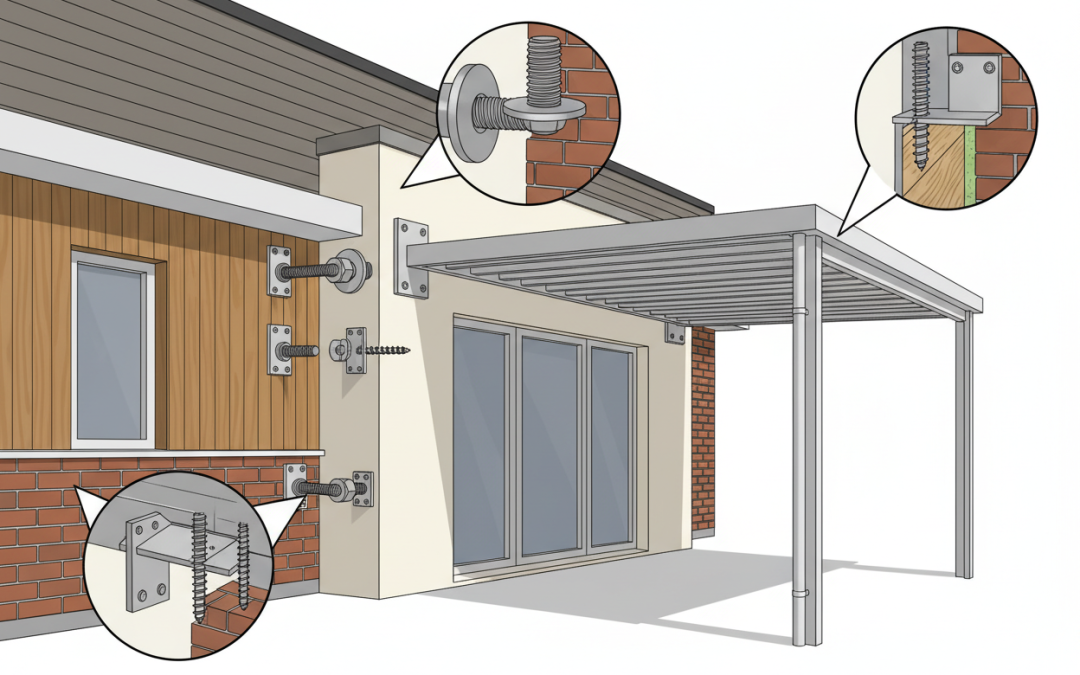
Custom Patio Cover Attachment Methods for Different Siding Types: Your Complete Installation Guide
Table of Contents
1. Introduction to Patio Cover Attachments
2. Understanding Your Home’s Siding Type
3. Vinyl Siding Attachment Methods
4. Wood Siding Installation Techniques
5. Brick and Stone Siding Approaches
6. Stucco Siding Attachment Solutions
7. Fiber Cement Siding Considerations
8. Metal Siding Installation Methods
9. Essential Tools and Materials
10. Professional Installation vs. DIY
11. Frequently Asked Questions
12. Conclusion
Introduction to Patio Cover Attachments
Adding a patio cover to your home can transform your outdoor space into a comfortable retreat while increasing your property’s value. However, one of the most critical aspects of patio cover installation is ensuring proper attachment to your home’s existing structure. The method you choose depends heavily on your siding type, and getting it wrong can lead to water damage, structural issues, or even safety hazards.
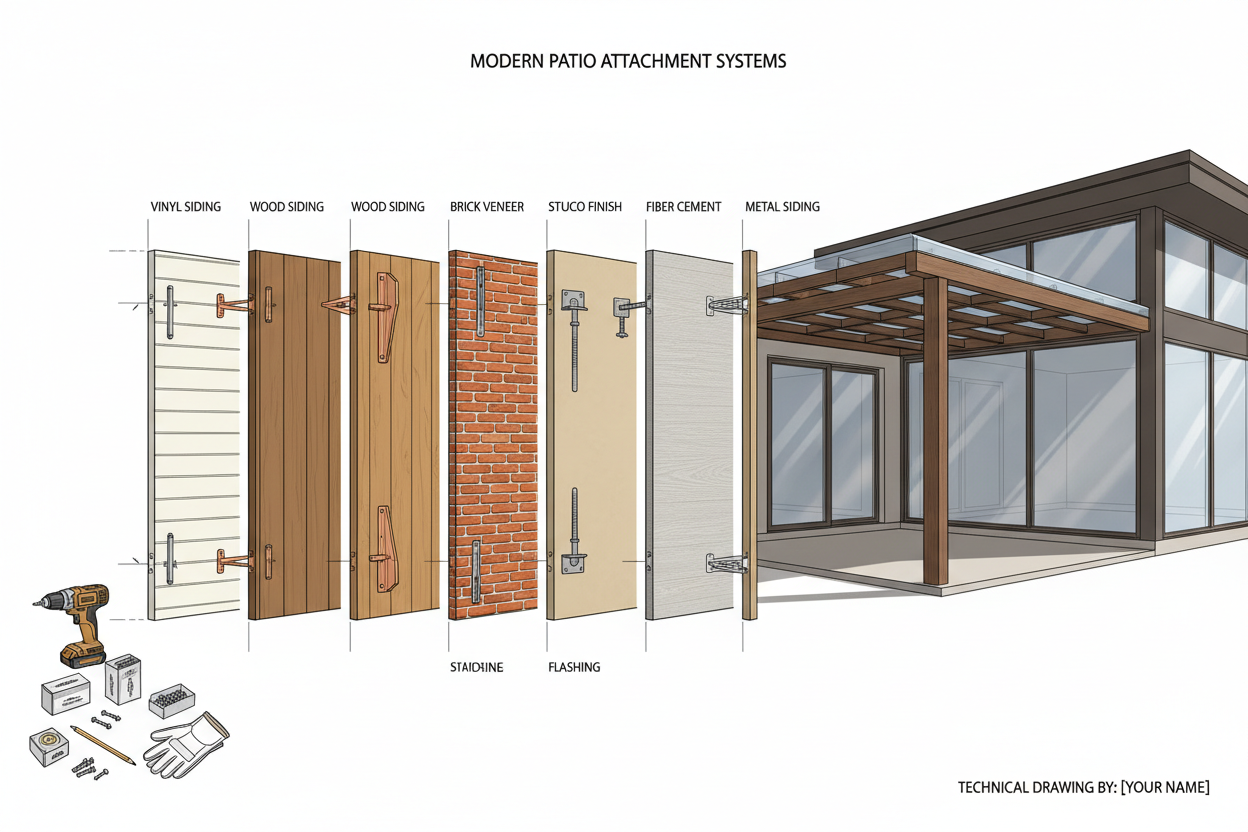
I’ve seen countless homeowners struggle with this decision, often choosing attachment methods that work beautifully on one siding type but fail miserably on another. Whether you’re dealing with vinyl, wood, brick, stucco, or any other siding material, understanding the proper attachment techniques will save you time, money, and potential headaches down the road.
This comprehensive guide will walk you through the specific attachment methods for each major siding type, helping you make informed decisions about your patio cover installation project.
Understanding Your Home’s Siding Type
Before diving into attachment methods, you need to accurately identify your home’s siding material. This might seem straightforward, but many homeowners are surprised to learn they have a different siding type than they initially thought.
Take a close look at your exterior walls. Vinyl siding typically has a slightly flexible feel and visible seam lines. Wood siding can be identified by its natural grain patterns and may show signs of weathering or paint layers. Brick and stone are obviously recognizable by their masonry construction, while stucco has a textured, cement-like appearance.
Fiber cement siding, which has become increasingly popular, can sometimes be mistaken for wood but feels much harder and denser. Metal siding, often found on modern homes, has a distinct metallic appearance and may show signs of expansion joints.
Vinyl Siding Attachment Methods
Vinyl siding presents unique challenges for patio cover attachment because it’s designed to move with temperature changes. The key is never to attach directly to the vinyl itself, as this can cause cracking, warping, or pulling away from the house.
The most effective method involves removing a section of vinyl siding where the patio cover will attach. This allows you to secure mounting brackets directly to the underlying sheathing and house framing. Use a zip tool or utility knife to carefully unlock the vinyl panel, then slide it out of the way.
Once you’ve exposed the underlying structure, install a mounting block or flashing system that will accommodate your patio cover brackets. The mounting block should be slightly larger than the attachment point to ensure proper water drainage. After securing your brackets to the structural elements behind the siding, reinstall the vinyl siding around the mounting block, ensuring proper overlap and weatherproofing.
For areas where removing siding isn’t practical, consider using specialized vinyl siding mounting systems that distribute the load across multiple siding panels. These systems use backing plates and through-bolts to create a secure connection without compromising the siding’s integrity.
Wood Siding Installation Techniques
Wood siding offers more straightforward attachment options since you can often secure directly to the siding material itself, provided it’s in good condition and properly backed by structural elements.
Start by locating the wall studs behind your wood siding using a stud finder. Mark these locations clearly, as you’ll want to hit at least two studs with each mounting bracket for optimal support. Pre-drill pilot holes slightly smaller than your lag bolts to prevent splitting the wood.
When working with horizontal wood siding like clapboard or lap siding, position your brackets to span across multiple boards when possible. This distributes the load more evenly and reduces the risk of individual boards pulling away from the house.
For vertical wood siding, ensure your mounting hardware penetrates through the siding and into the underlying framing. Use appropriate flashing and sealant around all penetrations to prevent water infiltration, which can lead to rot and structural damage over time.
Consider the age and condition of your wood siding before proceeding. Older wood that shows signs of rot, extensive weathering, or insect damage may not provide adequate support for a patio cover. In such cases, you might need to replace sections of siding or add additional backing support.
Brick and Stone Siding Approaches
Masonry siding requires specialized attachment methods and tools, but it can provide excellent support for patio covers when done correctly. The solid nature of brick and stone makes them ideal for heavy-duty applications.
For brick siding, you have two main options: drilling into the mortar joints or drilling directly into the brick itself. Mortar joint attachment is generally preferred because it’s easier to repair if you ever need to remove the patio cover. Use a masonry bit to create holes in the mortar, then install masonry anchors or expansion bolts.
When drilling into brick, use a hammer drill with a carbide-tipped masonry bit. Work slowly and steadily to avoid cracking the brick. Wedge anchors or sleeve anchors work well for this application, providing strong holding power in solid masonry.
Stone siding attachment follows similar principles, though natural stone can be more unpredictable than manufactured brick. Test drill in an inconspicuous area first to ensure your chosen method won’t cause cracking or splitting.
Always use stainless steel or galvanized hardware when working with masonry to prevent corrosion. Apply appropriate sealant around all penetrations to maintain the weather barrier of your home’s exterior.
Stucco Siding Attachment Solutions
Stucco siding requires careful handling during patio cover installation because it can crack or chip easily if not approached correctly. The key is understanding what lies beneath your stucco and choosing appropriate attachment methods.
Traditional three-coat stucco over metal lath requires drilling through the stucco layer to reach the underlying framing. Use a masonry bit for the stucco layer, then switch to a wood bit once you reach the sheathing and framing behind it.
EIFS (Exterior Insulation and Finish Systems) stucco presents additional challenges because there’s typically a foam insulation layer beneath the stucco coating. You’ll need longer fasteners to penetrate through the foam and reach the structural framing behind it.
Pre-drill carefully to minimize cracking, and consider using a backing plate to distribute the load over a larger area of stucco. This helps prevent stress cracks around the attachment points. After installation, seal around all penetrations with appropriate caulk or sealant to maintain the stucco’s weather resistance.
For heavy patio covers, consider installing blocking between wall studs before attaching your mounting brackets. This provides additional support and helps distribute loads more evenly across the wall structure.
Fiber Cement Siding Considerations
Fiber cement siding has gained popularity due to its durability and low maintenance requirements, but it requires specific techniques for patio cover attachment. This material is harder than wood but more brittle, making proper drilling techniques essential.
Always use carbide-tipped bits when drilling fiber cement siding, and work at moderate speeds to prevent chipping or cracking. Pre-drilling is crucial – never attempt to drive screws directly into fiber cement without pilot holes.
Like vinyl siding, fiber cement is designed to move with temperature changes, so your attachment method must accommodate this movement. Use mounting blocks or flashing systems that allow for slight movement while maintaining a weather-tight seal.
When possible, locate mounting points to coincide with underlying wall studs. Fiber cement siding alone won’t provide adequate support for patio cover loads – you need to reach the structural framing behind it.
Pay special attention to cutting and drilling dust when working with fiber cement, as some older products may contain silica. Use appropriate dust masks and eye protection, and consider wetting the work area to minimize airborne particles.
Metal Siding Installation Methods
Metal siding, whether aluminum, steel, or other alloys, requires specialized fasteners and techniques to ensure secure patio cover attachment without compromising the siding’s integrity or weather resistance.
Self-drilling screws with neoprene washers work well for attaching to metal siding, but you must ensure adequate backing support. Metal siding alone won’t support patio cover loads – you need to reach the structural framing behind it.
Consider the expansion and contraction characteristics of metal siding when planning your attachment points. Metal moves significantly with temperature changes, so your mounting system must accommodate this movement.
For corrugated metal siding, position mounting brackets at the high points (ridges) rather than in the valleys. This provides better support and reduces the risk of oil-canning or distortion of the metal panels.
Use stainless steel or galvanized fasteners to prevent galvanic corrosion between dissimilar metals. Apply appropriate sealants around all penetrations to maintain the weather barrier.
Essential Tools and Materials
Having the right tools and materials makes any patio cover attachment project much smoother and more successful. Your specific needs will vary based on your siding type, but some items are universal.
A quality drill with both standard and masonry bits is essential for most projects. Hammer drills become necessary when working with brick, stone, or concrete block. A stud finder helps locate wall framing, while a level ensures proper alignment of mounting brackets.
Fastener selection is critical and varies by siding type. Lag bolts work well for wood siding, while masonry anchors or expansion bolts are necessary for brick and stone. Specialized fasteners may be required for metal or fiber cement siding.
Don’t forget about weatherproofing materials. High-quality exterior caulk, flashing tape, and sealants help prevent water infiltration around attachment points. These materials are just as important as the structural fasteners themselves.
Safety equipment shouldn’t be overlooked. Safety glasses, dust masks, and work gloves protect you during installation. A sturdy ladder or scaffolding ensures safe access to attachment points.
Professional Installation vs. DIY
Deciding whether to tackle patio cover attachment yourself or hire professionals depends on several factors, including your skill level, available tools, and the complexity of your specific situation.
DIY installation can save money and provide personal satisfaction, but it requires confidence in your abilities and access to proper tools. Simple attachments to wood siding might be within reach of most homeowners, while masonry work or complex flashing details might warrant professional help.
Consider the consequences of mistakes when making your decision. Improper attachment can lead to structural failure, water damage, or safety hazards. Professional installers bring experience, specialized tools, and typically offer warranties on their work.
If you choose the DIY route, don’t hesitate to consult with professionals for advice or to handle specific aspects of the job. Many contractors are willing to provide guidance or handle the most challenging portions while leaving simpler tasks to you.
Building permits may be required for patio cover installation in your area. Professional installers typically handle permit applications and inspections, while DIY installers must navigate this process themselves.
Frequently Asked Questions
Can I attach a patio cover directly to vinyl siding?
No, you should never attach directly to vinyl siding. The siding isn’t designed to support structural loads and will likely crack or pull away. Always remove sections of vinyl siding to access the underlying structure for mounting.
How do I know if my wall framing can support a patio cover?
Most standard wall framing can support typical patio cover loads when properly attached. However, older homes or those with unusual construction may require evaluation by a structural engineer. If you’re unsure, consult a professional.
What’s the best way to prevent water damage around attachment points?
Proper flashing and sealing are crucial. Use high-quality exterior sealants around all penetrations, install flashing tape where appropriate, and ensure water can drain away from attachment points rather than pooling.
Do I need special permits for patio cover installation?
Permit requirements vary by location and project scope. Many areas require permits for attached structures like patio covers. Check with your local building department before beginning work.
How many attachment points do I need for my patio cover?
This depends on your patio cover size, design, and local building codes. Generally, attachment points should be spaced no more than 6-8 feet apart, with additional points at corners and areas of high stress concentration.
Can I reuse existing attachment points if I replace my patio cover?
Existing attachment points can often be reused if they’re in good condition and properly located for your new patio cover design. However, inspect them carefully for signs of wear, corrosion, or damage before reusing.
Conclusion
Proper patio cover attachment is crucial for both safety and longevity of your outdoor living investment. Each siding type presents unique challenges and requires specific techniques to ensure secure, weather-tight installation.
Whether you’re working with vinyl, wood, brick, stucco, fiber cement, or metal siding, the key principles remain the same: understand your material, use appropriate fasteners, ensure adequate structural support, and maintain proper weatherproofing. Taking time to plan your attachment method carefully will pay dividends in the form of a secure, long-lasting patio cover.
Remember that when in doubt, consulting with professionals can save you time, money, and potential problems down the road. A properly installed patio cover will provide years of enjoyment and add value to your home, making the investment in correct installation techniques well worthwhile.
By following the guidelines outlined in this comprehensive guide, you’ll be well-equipped to make informed decisions about your patio cover attachment project, regardless of your home’s siding type.

Rowlett TX custom wood pergola | Keathley Landscaping

Mobile City TX custom patio cover builders | Keathley Landscaping

Highland Park TX luxury custom pergolas | Keathley Landscaping

Mobile City TX custom pergolas | Keathley Landscaping

Parker TX outdoor living contractor | Keathley Landscaping

Preston Hollow Dallas TX custom patio cover cost | Keathley Landscaping

Rose Hill TX custom pergolas | Keathley Landscaping

Allen TX outdoor living contractor | Keathley Landscaping

Lucas TX covered patio contractors near me | Keathley Landscaping

Rowlett TX covered patios | Keathley Landscaping

Dallas TX pergolas | Keathley Landscaping

Richardson TX custom patio cover builders | Keathley Landscaping

Mobile City TX pergolas | Keathley Landscaping

Highland Park TX covered patio contractors near me | Keathley Landscaping

Richardson TX custom pergolas | Keathley Landscaping

Preston Hollow Dallas TX luxury custom pergolas | Keathley Landscaping

Allen TX pergola builders | Keathley Landscaping

Allen TX custom patio cover cost | Keathley Landscaping

McKinney TX custom patio cover cost | Keathley Landscaping

Parker TX custom patio covers | Keathley Landscaping

Lakewood Dallas TX covered patio contractors near me | Keathley Landscaping

Allen TX custom pergolas | Keathley Landscaping

Frisco TX custom patio cover cost | Keathley Landscaping

Rockwall TX custom patio cover builders | Keathley Landscaping

Murphy TX luxury custom pergolas | Keathley Landscaping

Lowry Crossing TX custom pergolas | Keathley Landscaping

Lowry Crossing TX covered patio contractors near me | Keathley Landscaping

Murphy TX custom patio cover builders | Keathley Landscaping

sod installation service Mobile City Texas

sod contractors Lowry Crossing Texas

cost for sod installation Frisco Texas

sod company Lucas Texas

sod installation near me Lavon Texas

sod installation service Highland Park Texas

residential sod installation Parker Texas

sod contractors Lavon Texas

installation of sod cost Lakewood Dallas Texas

sod lawn installation Richardson Texas

lawn sod installation Lucas Texas

cost for sod installation Lowry Crossing Texas

sod installation services Parker Texas

price for sod installation Fairview Texas

grass contractor Lavon Texas

sod lawn installation Sachse Texas

lawn sod installation near me Lakewood Dallas Texas

new sod installation Rockwall Texas

cost of sod installation Mobile City Texas

lawn sod installation near me Lavon Texas

sod installation companies near me Rowlett Texas

sod lawn installation Fairview Texas

grass contractor Fate Texas

residential sod installation Rockwall Texas

new sod installation Rose Hill Texas

sod installation company Rowlett Texas

grass installation Wylie Texas

cost for sod installation Lake Highlands Dallas Texas

landscape drainage Lowry Crossing Texas

landscape drainage Lakewood Dallas Texas

drainage company Mobile City Texas

drain Rose Hill Texas

drain Allen Texas

landscape drain Lavon Texas

yard drainage Murphy Texas

drain contractor Lakewood Dallas Texas

drainage specialist near me Lucas Texas

drain cleaning company near me Fairview Texas

yard drainage Sachse Texas

drainage solutions near me Fairview Texas

drainage company Parker Texas

drain cleaning Fairview Texas

landscape drain Highland Park Texas

drain Sachse Texas

yard drainage contractors near me Sachse Texas

drainage company Lake Highlands Dallas Texas

drainage contractors near me Allen Texas

outdoor drain repair Rockwall Texas

landscape drainage Fairview Texas

yard drainage specialist near me Allen Texas

drain contractor Murphy Texas

drainage contractors near me Sachse Texas

drain cleaning company near me Richardson Texas

drain cleaning company near me Fate Texas

yard drainage specialist near me Lavon Texas

Recent Comments