
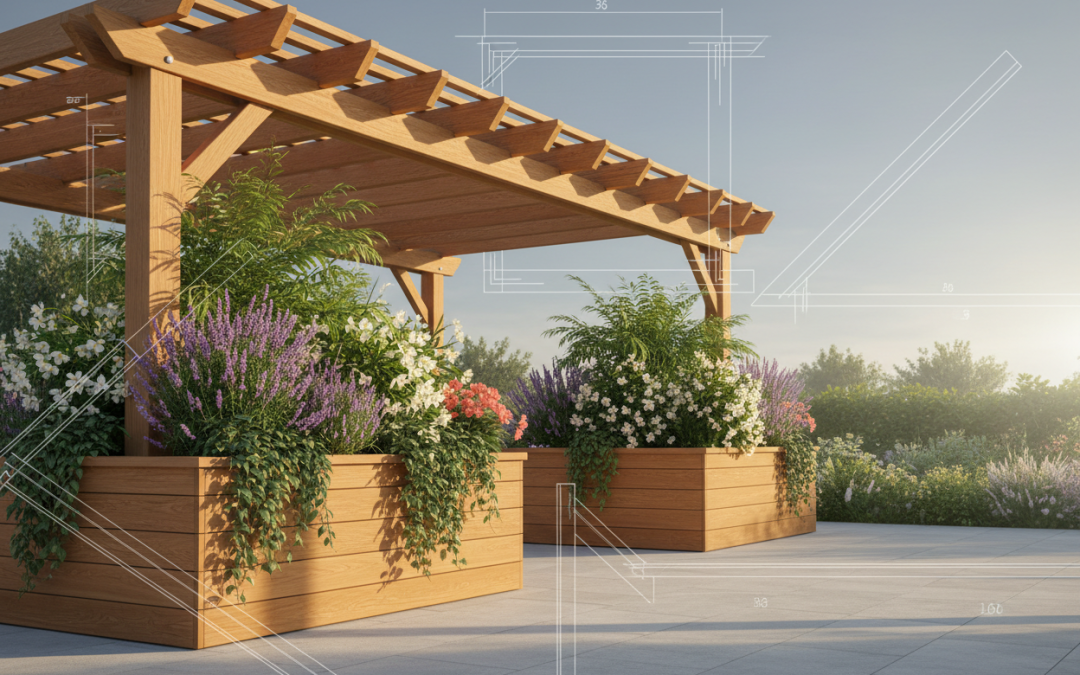
How to Design Custom Pergolas with Integrated Planters and Gardens: A Complete Guide
Table of Contents
1. Introduction to Pergola Garden Design
2. Planning Your Custom Pergola with Integrated Planters
3. Essential Design Elements for Pergola Gardens
4. Choosing the Right Materials for Your Pergola Structure
5. Selecting Perfect Plants for Your Pergola Garden
6. Step-by-Step Construction Guide
7. Maintenance Tips for Long-lasting Beauty
8. Creative Design Ideas and Inspiration
9. Common Mistakes to Avoid
10. Conclusion
11. Frequently Asked Questions
Introduction to Pergola Garden Design
There’s something magical about stepping into a garden space where architecture and nature dance together in perfect harmony. Custom pergolas with integrated planters represent the pinnacle of outdoor design, creating stunning focal points that serve multiple purposes in your landscape. These structures don’t just provide shade and visual appeal – they transform ordinary outdoor spaces into living, breathing sanctuaries.
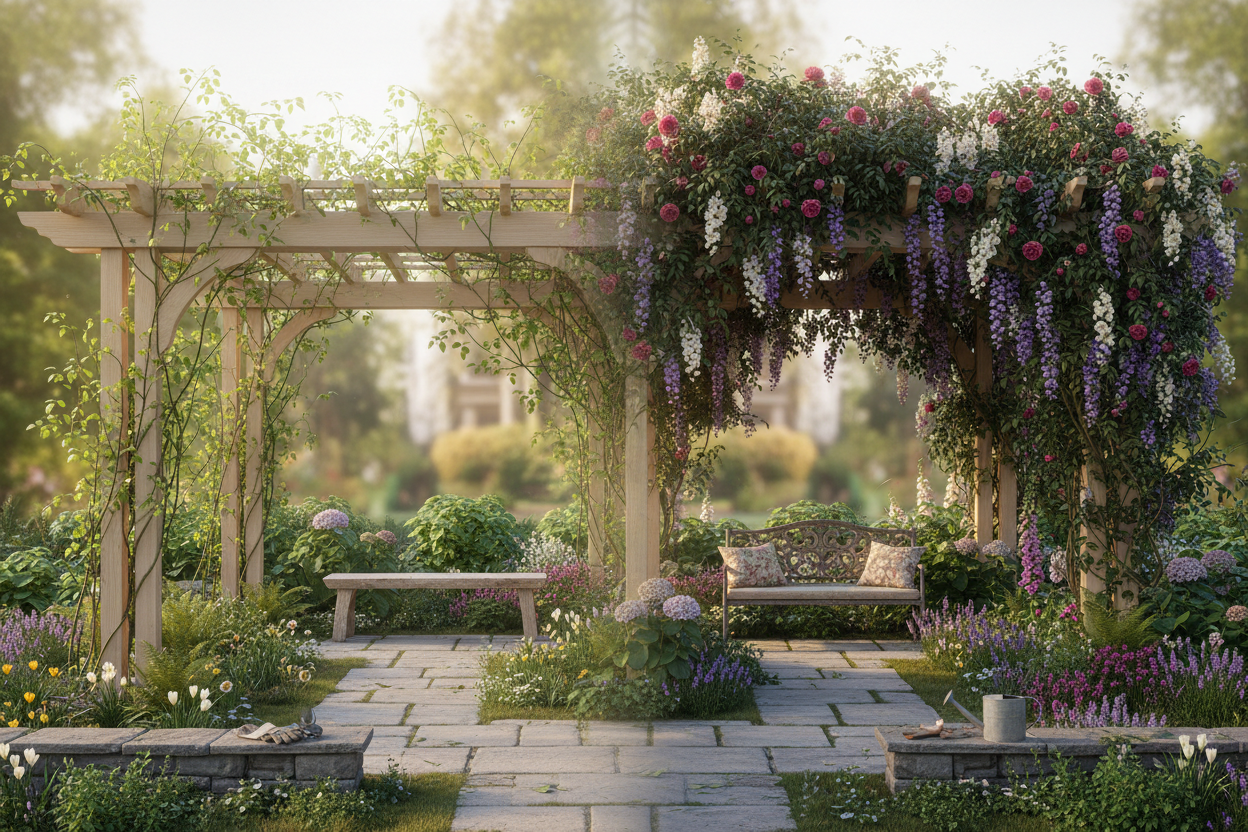
I’ve spent countless hours designing and building pergola gardens, and I can tell you that the combination of structured beauty and natural growth creates an atmosphere that’s impossible to achieve with either element alone. Whether you’re working with a sprawling backyard or a cozy patio, integrating planters into your pergola design opens up endless possibilities for creating your own outdoor paradise.
Planning Your Custom Pergola with Integrated Planters
Before you pick up a single tool or purchase your first plant, successful pergola garden design begins with thoughtful planning. The key is understanding how your space will be used and what kind of atmosphere you want to create.
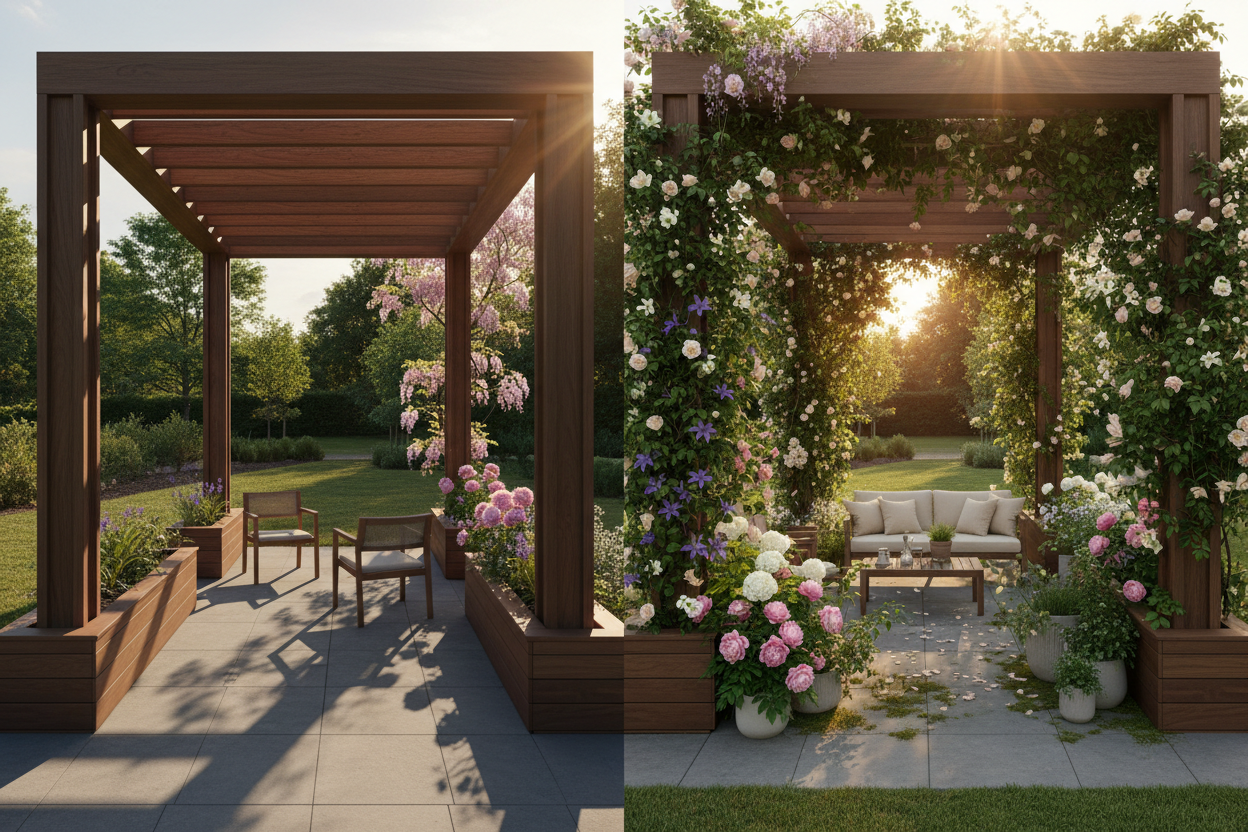
Start by assessing your available space and considering the sun patterns throughout the day. Most pergola gardens thrive with a combination of morning sun and afternoon shade, but your specific plant choices will ultimately determine the ideal location. I always recommend spending a week observing your potential site at different times to understand the light conditions.
Consider the primary function of your pergola garden. Will it serve as an intimate dining area surrounded by fragrant herbs? Perhaps a meditation space with cascading vines and gentle rustling leaves? Or maybe a vibrant entertainment zone with colorful flowering plants? Your intended use will guide every subsequent design decision.
Don’t forget about practical considerations like access to water sources, proximity to your home, and any existing landscape features you want to incorporate or work around. The most beautiful pergola garden won’t reach its potential if it’s impractical to maintain or doesn’t flow well with your existing outdoor space.
Essential Design Elements for Pergola Gardens
Creating a cohesive pergola garden design requires balancing several key elements that work together to create visual harmony and functional beauty. The structure itself should complement your home’s architecture while providing the perfect framework for your chosen plants.
Height and proportion are crucial considerations. A pergola that’s too small will feel cramped once plants mature, while an oversized structure can overwhelm your space. I typically recommend a minimum height of eight feet for comfortable headroom, with additional space factored in for hanging plants or climbing vines.
The integration of planters should feel natural and purposeful rather than like an afterthought. Built-in planters at the base of posts create strong vertical elements, while elevated planters can define seating areas or create privacy screens. Consider incorporating planters at various heights to add visual interest and accommodate different types of plants.
Pathways and circulation patterns deserve careful attention too. Your pergola garden should invite exploration while maintaining clear sight lines and easy access for maintenance. Curved paths feel more organic and create opportunities for surprise views, while straight lines offer a more formal, structured appearance.
Choosing the Right Materials for Your Pergola Structure
Material selection significantly impacts both the aesthetic appeal and longevity of your pergola garden. Each option comes with distinct advantages and considerations that will influence your design approach.
Wood remains the most popular choice for pergola construction, offering natural beauty and versatility. Cedar and redwood provide excellent weather resistance and develop beautiful patina over time, while pressure-treated lumber offers affordability with proper maintenance. For integrated planters, ensure your wood choice can handle constant moisture exposure without compromising structural integrity.
Metal pergolas, particularly those made from aluminum or steel, offer exceptional durability and can support heavier planter loads. Powder-coated finishes provide excellent weather protection while offering numerous color options to complement your design vision. Metal structures also allow for more intricate design details and can accommodate complex planter configurations.
Composite materials combine the appearance of wood with enhanced durability and lower maintenance requirements. While initial costs may be higher, composite pergolas often prove more economical over time, especially in challenging climate conditions.
For the planters themselves, consider materials that complement your pergola structure while providing proper drainage and root space. Built-in concrete planters offer permanent solutions with excellent insulation for plant roots, while removable containers provide flexibility for seasonal changes.
Selecting Perfect Plants for Your Pergola Garden
Plant selection can make or break your pergola garden design. The right combination of climbing vines, container plants, and ground-level gardens creates layers of interest while ensuring year-round appeal.
Climbing plants serve as living roof material, providing natural shade while adding vertical interest. Grape vines offer the bonus of edible fruit along with beautiful fall color, while clematis provides stunning flowering displays throughout the growing season. For faster coverage, consider annual vines like morning glories or sweet peas, though you’ll need to replant each season.
Container plants in integrated planters allow for more controlled growing conditions and easier seasonal updates. Herbs like rosemary, thyme, and lavender provide fragrance and culinary value while thriving in container conditions. For dramatic foliage, consider hostas in shadier spots or ornamental grasses for movement and texture.
Don’t overlook the importance of year-round interest. Evergreen plants provide structure during winter months, while plants with interesting bark or seed heads extend visual appeal beyond the growing season. I always include at least one element that looks good in every season to prevent the space from feeling abandoned during dormant periods.
Consider bloom times when selecting flowering plants to ensure continuous color throughout the growing season. Early spring bulbs can be followed by summer perennials and late-season asters or mums for extended flowering periods.
Step-by-Step Construction Guide
Building a pergola with integrated planters requires careful attention to both structural integrity and planting requirements. While specific steps vary based on your design, certain principles apply to most projects.
Begin with proper foundation work. Posts should be set in concrete footings that extend below the frost line in your area. For integrated planters, this often means creating more complex foundation systems that accommodate both structural support and proper drainage.
Frame construction should proceed systematically, with careful attention to level and square measurements. Pre-drilling all connections helps prevent splitting and ensures clean, professional-looking joints. If you’re incorporating built-in planters, install the planter framework before completing the overhead structure.
Waterproofing and drainage are critical for long-term success. All planter areas need adequate drainage to prevent root rot and structural damage from standing water. Install drainage systems before adding soil, and consider including overflow provisions for heavy rainfall periods.
When installing overhead elements like rafters and cross-beams, consider how they’ll interact with mature plant growth. Leave adequate spacing for climbing plants while ensuring the structure can support additional weight from foliage and potential snow loads.
Maintenance Tips for Long-lasting Beauty
A well-designed pergola garden requires ongoing care to maintain its beauty and structural integrity. Regular maintenance prevents small issues from becoming major problems while keeping your plants healthy and attractive.
Structural maintenance should be performed at least twice yearly. Check all connections for loosening, inspect wood for signs of decay or insect damage, and clean metal components to prevent corrosion. Pay special attention to areas where planters meet the structure, as constant moisture can accelerate deterioration.
Plant care varies by season but should include regular watering, fertilizing, and pruning. Climbing plants often require guidance and support as they grow, while container plants may need more frequent watering than ground-planted specimens. Don’t forget to monitor for pests and diseases, which can spread quickly in the enclosed environment of a pergola garden.
Seasonal tasks help ensure year-round appeal. Spring preparation includes pruning, fertilizing, and replacing any plants that didn’t survive winter. Summer maintenance focuses on watering and deadheading flowers. Fall cleanup prepares plants for winter while preventing debris accumulation that could cause structural problems.
Creative Design Ideas and Inspiration
The beauty of custom pergola gardens lies in their endless design possibilities. Each installation can reflect the owner’s personality while addressing specific site conditions and functional requirements.
Mediterranean-inspired designs often feature terra cotta planters filled with herbs and succulents, creating aromatic spaces perfect for outdoor dining. Grape vines overhead complete the theme while providing natural shade and potential fruit harvests.
Modern minimalist approaches might incorporate sleek metal planters with architectural plants like bamboo or ornamental grasses. Clean lines and limited plant palettes create sophisticated spaces that complement contemporary home designs.
Cottage garden styles embrace abundance and variety, with multiple planter levels supporting everything from trailing flowers to upright perennials. These designs often include built-in seating surrounded by fragrant plants that engage all the senses.
For smaller spaces, vertical growing systems maximize plant diversity within limited footprints. Tiered planters and hanging containers create lush environments without overwhelming compact areas.
Common Mistakes to Avoid
Learning from others’ mistakes can save you time, money, and frustration during your pergola garden project. Some issues are more common than you might expect, but they’re all preventable with proper planning.
Inadequate drainage ranks as the most frequent problem I encounter. Without proper water management, even the most beautiful design will fail as plants suffer and structural elements deteriorate. Always prioritize drainage during the planning phase rather than trying to address it later.
Choosing plants without considering mature sizes leads to overcrowded, unhealthy gardens that require constant pruning or complete replanting. Research growth habits and space requirements before making final plant selections.
Ignoring local climate conditions often results in plant failures and structural problems. Select materials and plants appropriate for your specific growing zone and weather patterns rather than copying designs from different climates.
Poor integration between structure and plantings creates disjointed designs that never achieve their full potential. Plan for how plants will interact with the pergola structure as they mature, leaving appropriate space while ensuring adequate support.
Conclusion
Designing custom pergolas with integrated planters and gardens represents one of the most rewarding outdoor projects you can undertake. These living structures provide immediate impact while evolving and improving over time as plants mature and establish themselves.
The key to success lies in thoughtful planning that considers both immediate needs and long-term goals. By carefully selecting materials, plants, and design elements that work together harmoniously, you’ll create an outdoor space that provides years of enjoyment while adding significant value to your property.
Remember that pergola gardens are living, changing entities that will surprise and delight you as they develop. Embrace the process of growth and change, and don’t be afraid to make adjustments as you learn what works best in your specific situation. With proper planning and care, your custom pergola garden will become a cherished retreat that connects you with nature while providing the perfect setting for outdoor living.
Frequently Asked Questions
What’s the ideal size for a pergola with integrated planters?
The ideal size depends on your space and intended use, but most successful pergola gardens measure at least 10×12 feet to provide adequate room for both structure and plantings. Smaller spaces can work with careful design, while larger areas offer more flexibility for complex planter arrangements.
How much weight can a pergola support with integrated planters?
Weight capacity varies significantly based on construction materials and methods. A properly built wooden pergola can typically support 50-75 pounds per square foot, while metal structures often handle more. Always consult with a structural engineer for large or complex installations.
What’s the best way to provide water to integrated planters?
Drip irrigation systems work exceptionally well for pergola gardens, providing efficient watering while maintaining clean aesthetics. For smaller installations, consider installing water spigots nearby or using decorative watering cans that complement your design.
Can I build a pergola garden myself, or should I hire professionals?
Many pergola gardens can be DIY projects if you have basic construction skills and tools. However, complex designs, electrical work, or structural concerns may require professional assistance. Start with simpler designs and expand your skills gradually.
How long does it take for climbing plants to cover a pergola?
Coverage time varies by plant species and growing conditions. Fast-growing annuals like morning glories can provide coverage in a single season, while perennial vines like clematis typically take 2-3 years to establish substantial coverage. Grape vines and wisteria may require 3-5 years for full coverage but provide decades of beauty once established.

Preston Hollow Dallas TX outdoor living space contractors | Keathley Landscaping

Murphy TX pergolas | Keathley Landscaping

Fairview TX pergolas | Keathley Landscaping

Rowlett TX outdoor living contractor | Keathley Landscaping

Wylie TX pergolas | Keathley Landscaping

Lucas TX outdoor living contractor | Keathley Landscaping

Lowry Crossing TX outdoor living contractor | Keathley Landscaping

Rowlett TX pergola builders | Keathley Landscaping

Lake Highlands Dallas TX custom patio covers | Keathley Landscaping

Rose Hill TX outdoor living space contractors | Keathley Landscaping

Lake Highlands Dallas TX pergola companies near me | Keathley Landscaping

Fate TX pergola builders | Keathley Landscaping

Lowry Crossing TX outdoor living space contractors | Keathley Landscaping

Lucas TX pergola builders | Keathley Landscaping

Lake Highlands Dallas TX covered patios | Keathley Landscaping

Mobile City TX custom pergolas | Keathley Landscaping

Dallas TX custom patio cover cost | Keathley Landscaping

Parker TX pergola builders | Keathley Landscaping

Lucas TX covered patio contractors near me | Keathley Landscaping

Preston Hollow Dallas TX custom patio covers | Keathley Landscaping

Dallas TX custom patio cover builders | Keathley Landscaping

Rockwall TX outdoor living space contractors | Keathley Landscaping

Garland TX custom patio covers | Keathley Landscaping

Fate TX custom patio covers | Keathley Landscaping

McKinney TX custom wood pergola | Keathley Landscaping

Frisco TX custom patio cover builders | Keathley Landscaping

Lowry Crossing TX pergola companies near me | Keathley Landscaping

Highland Park TX custom pergolas | Keathley Landscaping

sod installation cost Frisco Texas

cost of sod installation Richardson Texas

sod installation services Rowlett Texas

installation of sod cost Allen Texas

cost of sod and installation Preston Hollow Dallas Texas

sod installation near me Richardson Texas

cost for sod installation Lake Highlands Dallas Texas

sod installation company Rowlett Texas

sod company Rose Hill Texas

new sod installation Sachse Texas

lawn sod installation Sachse Texas

sod installation near me Lakewood Dallas Texas

sod installation companies Garland Texas

price for sod installation Rockwall Texas

lawn sod installation near me Rowlett Texas

cost of sod installation Fairview Texas

lawn sod installation Lowry Crossing Texas

sod installation companies Fairview Texas

installation of sod cost Lavon Texas

cost of sod installation Lowry Crossing Texas

price for sod installation Rose Hill Texas

sod installation companies near me Rose Hill Texas

new sod installation Dallas Texas

grass contractor Preston Hollow Dallas Texas

price of sod installation Mobile City Texas

price of sod installation Richardson Texas

cost for sod installation Preston Hollow Dallas Texas

price for sod installation Richardson Texas

drain cleaning company near me Sachse Texas

yard drainage specialist near me Mobile City Texas

yard drainage contractors near me Parker Texas

drain cleaning Lowry Crossing Texas

drainage contractors near me Parker Texas

drainage contractors near me Sachse Texas

drainage specialist near me Lake Highlands Dallas Texas

drainage solutions near me Mobile City Texas

drainage company near me Richardson Texas

yard drainage Preston Hollow Dallas Texas

drain cleaning company near me Allen Texas

drainage solutions near me Rose Hill Texas

drain contractor Garland Texas

drain cleaning company near me Fate Texas

yard drainage contractors near me Preston Hollow Dallas Texas

drainage Wylie Texas

yard drainage contractors near me Rockwall Texas

drainage company Rose Hill Texas

outdoor drain repair Mobile City Texas

drain cleaning Highland Park Texas

drain Lake Highlands Dallas Texas

yard drainage Lavon Texas

drainage specialist near me Plano Texas

yard drainage contractors near me Lake Highlands Dallas Texas

drain cleaning company near me Lowry Crossing Texas

drain contractor Plano Texas

yard drainage Wylie Texas

Recent Comments