
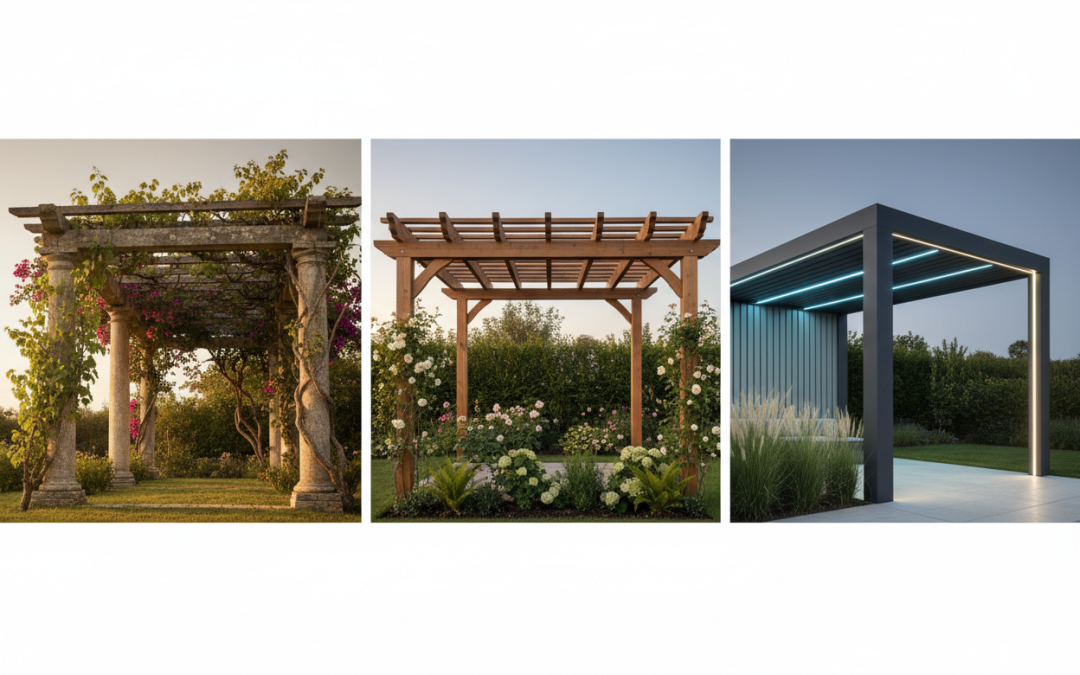
The History and Evolution of Pergola Design: From Ancient Gardens to Modern Outdoor Living
Table of Contents
1. Introduction
2. Ancient Origins: The Birth of Pergola Design
3. Roman Innovations and Mediterranean Influence
4. Renaissance Revival and European Gardens
5. Victorian Era and Colonial Adaptations
6. Arts and Crafts Movement Impact
7. Mid-Century Modern Minimalism
8. Contemporary Pergola Design Trends
9. Materials Evolution: From Wood to Modern Composites
10. Smart Pergolas and Future Innovations
11. Conclusion
12. Frequently Asked Questions
Introduction
When you step into your backyard and admire that beautiful overhead structure providing shade and architectural interest, you’re looking at thousands of years of design evolution. The pergola, with its distinctive open-roof framework and vertical supports, has been transforming outdoor spaces since ancient civilizations first discovered the magic of creating defined outdoor rooms.
From the sun-drenched courtyards of ancient Egypt to today’s high-tech retractable canopy systems, pergola design has continuously adapted to changing lifestyles, climates, and aesthetic preferences. This journey through time reveals how a simple structural concept became one of the most versatile and beloved elements in landscape architecture.
Understanding the rich history of pergola design not only deepens our appreciation for these structures but also provides valuable insights for homeowners and designers looking to incorporate pergolas into modern outdoor living spaces. Let’s explore how these architectural gems evolved from practical necessity to design statement.
Ancient Origins: The Birth of Pergola Design
The story of pergola design begins in ancient Egypt, around 1400 BCE, where the earliest forms appeared in tomb paintings and archaeological evidence. These primitive structures served a purely functional purpose: supporting grapevines and providing much-needed shade in the harsh desert climate. Egyptian pergolas were typically constructed from stone columns with wooden crossbeams, creating covered walkways that connected different areas of gardens and courtyards.
What’s fascinating about these ancient designs is how they established the fundamental principles we still follow today. The Egyptians understood that the ratio between vertical supports and horizontal spacing was crucial for both structural integrity and aesthetic appeal. They also recognized that pergolas could serve multiple purposes simultaneously – providing shade, supporting climbing plants, and creating defined outdoor spaces.
Archaeological discoveries in ancient Egyptian sites reveal that pergolas weren’t just utilitarian structures. They were often decorated with intricate carvings and positioned to frame views of gardens, water features, or important architectural elements. This early integration of form and function laid the groundwork for pergola design philosophy that continues to influence contemporary architects and landscape designers.
Roman Innovations and Mediterranean Influence
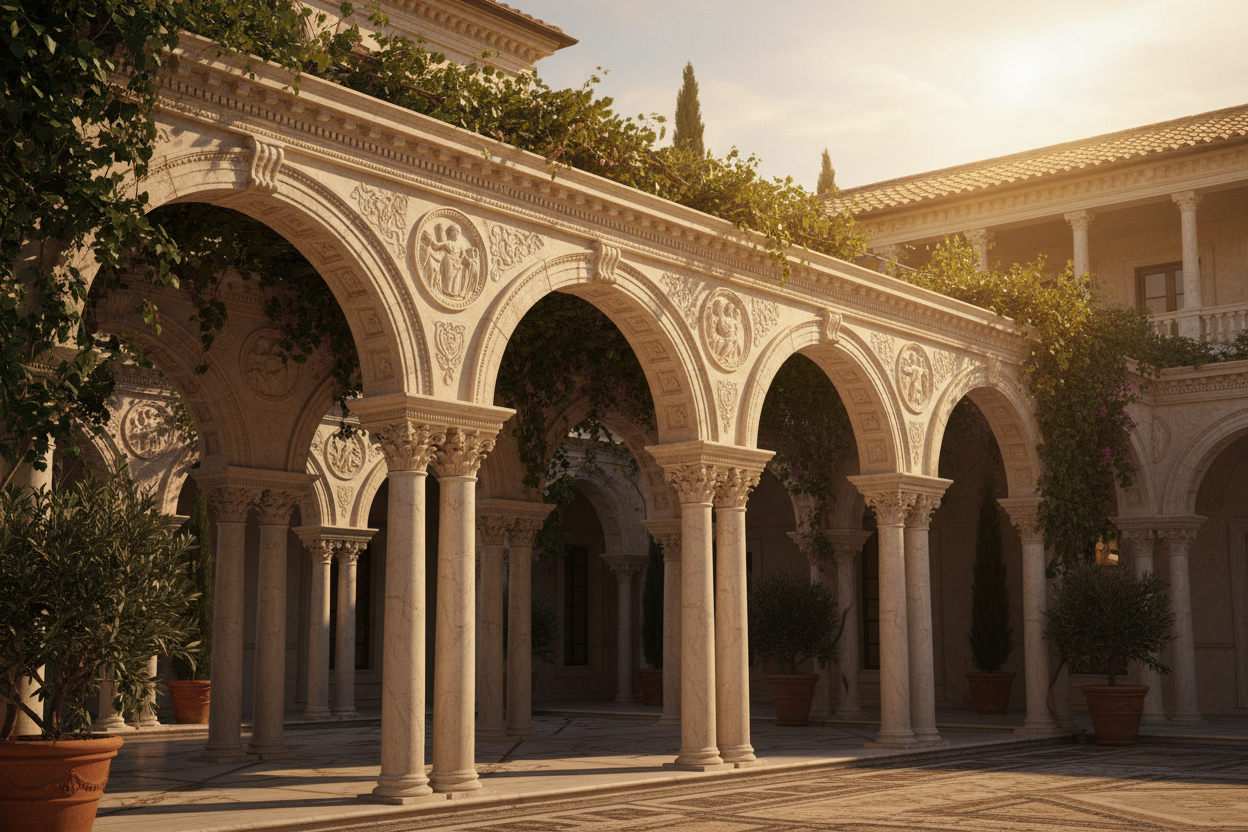
The Romans took pergola design to new heights, both literally and figuratively. Around the 1st century BCE, Roman engineers and architects began incorporating pergolas into their sophisticated garden designs, treating them as integral architectural elements rather than simple plant supports. Roman pergolas featured more elaborate construction techniques, including the use of concrete and advanced joinery methods that allowed for larger spans and more complex geometries.
Roman villas throughout the Mediterranean showcased pergolas as central features of their outdoor entertainment areas. These structures often extended from the main building, creating seamless transitions between indoor and outdoor living spaces – a concept that feels remarkably modern today. The Romans also introduced the idea of pergola “rooms,” where multiple connected pergola structures created a series of outdoor spaces with different functions and moods.
The Mediterranean climate proved ideal for pergola development, and regional variations began to emerge. Italian pergolas emphasized stone construction and integration with terraced landscapes, while those in Greece incorporated local marble and focused on framing views of the surrounding countryside. These regional adaptations established pergolas as culturally significant architectural elements that reflected local materials, climate conditions, and lifestyle preferences.
Renaissance Revival and European Gardens
After centuries of relative dormancy during the medieval period, pergola design experienced a dramatic renaissance during the 15th and 16th centuries. Italian Renaissance garden designers rediscovered classical pergola principles and elevated them to new artistic heights. This period saw the development of pergola design as a formal architectural discipline, with detailed drawings, proportional studies, and construction manuals.
Renaissance pergolas became increasingly ornate, featuring carved stone columns, decorative metalwork, and sophisticated geometric patterns. Garden designers like Giacomo Barozzi da Vignola and Andrea Palladio incorporated pergolas into their comprehensive landscape designs, treating them as essential elements that provided structure, rhythm, and visual interest to garden compositions.
The influence of Renaissance pergola design spread throughout Europe, with each country adapting the concept to local conditions and preferences. French château gardens featured pergolas with elegant curved profiles and integration with formal parterre designs. English gardens embraced pergolas as romantic elements that softened the rigid formality of earlier garden styles. German and Austrian gardens incorporated pergolas into their baroque landscape designs, creating dramatic focal points and processional routes.
Victorian Era and Colonial Adaptations
The Victorian era brought pergola design into the domestic realm, making these structures accessible to middle-class homeowners for the first time. Victorian pergolas reflected the period’s love of ornate decoration and romantic garden aesthetics. Cast iron became a popular material choice, allowing for intricate patterns and mass production that made pergolas more affordable and widely available.
During this period, pergola design began to reflect the growing influence of colonial experiences and global trade. British colonial administrators and merchants encountered pergola-like structures in India, Southeast Asia, and other tropical regions, bringing back ideas about climate-responsive design and the use of local materials. These influences resulted in hybrid designs that combined European aesthetic preferences with practical solutions developed for hot climates.
American colonial pergola design developed its own distinct character, influenced by both European traditions and the practical needs of frontier life. Early American pergolas were typically constructed from readily available wood and featured simpler, more utilitarian designs. However, as American cities grew and prospered, pergola design became increasingly sophisticated, incorporating elements from various European styles while developing uniquely American characteristics.
Arts and Crafts Movement Impact
The Arts and Crafts movement of the late 19th and early 20th centuries profoundly influenced pergola design philosophy. Movement leaders like William Morris and Charles Rennie Mackintosh advocated for designs that celebrated natural materials, honest construction methods, and integration with landscape settings. This philosophy resonated perfectly with pergola design principles, leading to a golden age of pergola construction in both Britain and America.
Arts and Crafts pergolas emphasized the beauty of wood grain, the rhythm of repeated structural elements, and the interplay between built and natural environments. Designers like Edwin Lutyens and Gertrude Jekyll created pergolas that seemed to grow organically from their landscape settings, using local stone, native timber, and plantings that reflected regional ecological conditions.
This period also saw the development of pergola design as a collaborative art form, with architects, landscape designers, and craftspeople working together to create integrated outdoor environments. The movement’s emphasis on handcrafted details and regional materials established pergola design traditions that continue to influence contemporary sustainable design practices.
Mid-Century Modern Minimalism
The mid-20th century brought a radical simplification of pergola design, influenced by modernist architecture principles and changing lifestyle patterns. Architects like Richard Neutra, Joseph Eichler, and Pierre Koenig incorporated pergolas into their residential designs as clean-lined structural elements that provided solar control and defined outdoor living areas without overwhelming the overall architectural composition.
Mid-century modern pergolas featured minimal ornamentation, emphasis on horizontal lines, and integration with other modern architectural elements like floor-to-ceiling windows and flat roofs. Materials shifted toward steel, aluminum, and engineered lumber products that allowed for longer spans and more precise construction tolerances. These pergolas often incorporated innovative features like adjustable louvers, integrated lighting, and modular construction systems.
The period also saw the development of pergola design for suburban residential settings, where space constraints and neighborhood regulations required more compact and standardized solutions. Prefabricated pergola systems became available, making modern pergola design accessible to homeowners who couldn’t afford custom construction. These mass-produced systems established many of the standard dimensions and proportional relationships that continue to influence pergola design today.
Contemporary Pergola Design Trends
Today’s pergola design reflects our contemporary values of sustainability, flexibility, and indoor-outdoor living integration. Modern pergolas serve multiple functions simultaneously: providing shade and weather protection, supporting outdoor kitchens and entertainment systems, incorporating sustainable technologies like solar panels and rainwater collection, and creating flexible spaces that can adapt to different activities and seasons.
Contemporary materials have revolutionized pergola construction possibilities. Engineered lumber products allow for longer spans and more complex geometries while maintaining structural integrity. Powder-coated aluminum systems provide durability and low maintenance requirements. Composite materials offer the appearance of natural wood without the ongoing maintenance needs. These material innovations have made pergolas more accessible and practical for a wider range of applications and budgets.
Current design trends emphasize customization and personalization. Homeowners can choose from countless combinations of materials, colors, sizes, and features to create pergolas that perfectly match their specific needs and aesthetic preferences. Popular contemporary features include integrated LED lighting systems, retractable canopy options, privacy screens, and mounting systems for outdoor televisions and sound systems.
Materials Evolution: From Wood to Modern Composites
The evolution of pergola materials tells a fascinating story of technological advancement and changing environmental consciousness. Traditional wood pergolas, while beautiful and natural, required significant maintenance and had limited lifespans in many climates. The development of pressure-treated lumber in the mid-20th century extended wood pergola durability, but environmental concerns about chemical treatments led to continued material innovation.
Aluminum pergolas emerged as a low-maintenance alternative that could be powder-coated in virtually any color and engineered for precise fit and finish. Steel pergolas offered even greater structural capabilities for large-span applications, though they required careful attention to corrosion protection. The development of galvanized and weathering steel products addressed many durability concerns while maintaining the material’s strength advantages.
The latest material innovations focus on composite products that combine the best characteristics of multiple materials. Wood-plastic composites offer the appearance of natural wood with minimal maintenance requirements. Fiberglass composites provide exceptional durability and can be molded into complex shapes that would be difficult or impossible with traditional materials. These advanced materials are enabling pergola designs that were simply not feasible with earlier construction methods.
Smart Pergolas and Future Innovations
The integration of smart technology is transforming pergola design and functionality. Motorized retractable canopies can be controlled via smartphone apps, automatically adjusting based on weather conditions, time of day, or user preferences. Integrated sensors can monitor temperature, humidity, and UV levels, providing data that helps optimize outdoor comfort and plant health.
Solar integration represents another exciting frontier in pergola evolution. Photovoltaic panels can be incorporated into pergola roof systems, generating renewable energy while providing shade. Battery storage systems allow this energy to power integrated lighting, fans, heating elements, and other pergola features. Some advanced systems can even feed excess energy back into the home’s electrical system.
Future pergola innovations may include responsive materials that change properties based on environmental conditions, integrated air purification systems, and augmented reality features that provide information about plants, weather conditions, or entertainment options. As Internet of Things (IoT) technology continues to develop, pergolas may become sophisticated outdoor living platforms that seamlessly integrate with smart home ecosystems.
Conclusion
The journey of pergola design from ancient Egyptian shade structures to today’s high-tech outdoor living platforms reveals humanity’s enduring desire to create comfortable, beautiful outdoor spaces. Throughout this evolution, certain principles have remained constant: the importance of proportion and scale, the integration of structure with landscape, and the balance between functionality and aesthetic appeal.
What’s remarkable about pergola design history is how it reflects broader cultural and technological changes while maintaining its essential character and purpose. Whether constructed from ancient stone columns or modern composite materials, pergolas continue to serve the same fundamental human needs: shelter, beauty, and connection with the natural environment.
As we look toward the future, pergola design will undoubtedly continue evolving, incorporating new technologies, materials, and environmental considerations. However, the timeless appeal of these structures suggests that pergolas will remain essential elements in outdoor design, adapting to new challenges while preserving the qualities that have made them beloved for thousands of years.
For today’s homeowners and designers, understanding this rich history provides valuable context for making informed decisions about pergola selection, placement, and customization. Whether you’re drawn to classical proportions, mid-century minimalism, or cutting-edge smart features, there’s a pergola design approach that can enhance your outdoor living experience while honoring this remarkable architectural tradition.
Frequently Asked Questions
What is the oldest known pergola design?
The oldest known pergola designs date back to ancient Egypt around 1400 BCE, where they appeared in tomb paintings and archaeological sites. These early structures were primarily functional, supporting grapevines and providing shade in desert climates.
How did Roman pergolas differ from earlier Egyptian designs?
Roman pergolas were more architecturally sophisticated, featuring advanced construction techniques, larger spans, and integration with comprehensive garden designs. Romans treated pergolas as architectural elements rather than simple plant supports, often connecting them to main buildings and creating outdoor room sequences.
What materials were traditionally used for pergola construction?
Traditional pergola materials included stone columns with wooden crossbeams in ancient times, evolving to include cast iron during the Victorian era, and various wood species throughout most of history. Modern pergolas utilize aluminum, steel, composite materials, and engineered lumber products.
When did pergolas become popular in American residential design?
Pergolas gained popularity in American residential design during the Victorian era and experienced significant growth during the Arts and Crafts movement of the early 20th century. They became widely accessible to middle-class homeowners through mass production and prefabricated systems in the mid-20th century.
What are the main design principles that have remained consistent throughout pergola history?
Key design principles include proper proportion and scale relationships, integration with surrounding landscape, balance between horizontal and vertical elements, and the dual function of providing both practical benefits (shade, plant support) and aesthetic appeal.
How are modern smart pergolas different from traditional designs?
Smart pergolas incorporate technology features like motorized retractable canopies, integrated lighting and sound systems, weather sensors, and smartphone app controls. Some include solar panels, battery storage, and IoT connectivity that allows integration with smart home systems.
What should homeowners consider when choosing between traditional and modern pergola designs?
Consider factors including maintenance requirements, budget, climate conditions, intended use, architectural style of your home, local building codes, and personal preferences for technology integration. Traditional materials may require more maintenance but offer natural beauty, while modern materials provide durability and advanced features.

Parker TX pergola builders | Keathley Landscaping

Fairview TX pergolas | Keathley Landscaping

Rowlett TX covered patios | Keathley Landscaping

Mobile City TX custom pergolas | Keathley Landscaping

Lavon TX covered patios | Keathley Landscaping

McKinney TX custom patio cover builders | Keathley Landscaping

Preston Hollow Dallas TX covered patios | Keathley Landscaping

Highland Park TX custom patio cover builders | Keathley Landscaping

Mobile City TX pergola companies near me | Keathley Landscaping

Rockwall TX outdoor living contractor | Keathley Landscaping

Highland Park TX custom patio covers | Keathley Landscaping

Highland Park TX covered patio contractors near me | Keathley Landscaping

Garland TX custom wood pergola | Keathley Landscaping

Lucas TX outdoor living contractor | Keathley Landscaping

Richardson TX pergola companies near me | Keathley Landscaping

Murphy TX luxury custom pergolas | Keathley Landscaping

Lucas TX pergolas | Keathley Landscaping

Garland TX outdoor living contractor | Keathley Landscaping

Plano TX custom wood pergola | Keathley Landscaping

Preston Hollow Dallas TX pergola companies near me | Keathley Landscaping

Preston Hollow Dallas TX luxury custom pergolas | Keathley Landscaping

Lake Highlands Dallas TX covered patios | Keathley Landscaping

Sachse TX luxury custom pergolas | Keathley Landscaping

Sachse TX pergola companies near me | Keathley Landscaping

Rockwall TX covered patio contractors near me | Keathley Landscaping

Frisco TX covered patio contractors near me | Keathley Landscaping

Parker TX pergolas | Keathley Landscaping

McKinney TX outdoor living space contractors | Keathley Landscaping

price of sod installation Lavon Texas

grass installation Allen Texas

grass contractor Lavon Texas

sod lawn installation Sachse Texas

sod grass installation Mobile City Texas

sod installation companies Rose Hill Texas

installation of sod cost Sachse Texas

sod company Dallas Texas

sod installation company Parker Texas

cost for sod installation Parker Texas

price of sod installation Rowlett Texas

installation of sod cost Richardson Texas

residential sod installation Rowlett Texas

price of sod installation Highland Park Texas

cost for sod installation Dallas Texas

cost for sod installation Preston Hollow Dallas Texas

grass contractor Lowry Crossing Texas

cost of sod installation Dallas Texas

sod installation cost Lucas Texas

sod installation services Plano Texas

price for sod installation Rockwall Texas

sod lawn installation Richardson Texas

sod contractors Frisco Texas

sod lawn installation Murphy Texas

sod contractors Richardson Texas

sod installation services Lake Highlands Dallas Texas

cost of sod installation Richardson Texas

sod installation cost Garland Texas

drain contractor Mobile City Texas

yard drainage Lakewood Dallas Texas

drain cleaning company near me Fairview Texas

drainage solutions near me Sachse Texas

landscape drainage Lakewood Dallas Texas

landscape drain Lowry Crossing Texas

drain contractor Rockwall Texas

drain cleaning Fate Texas

drain Garland Texas

drainage contractors near me Rose Hill Texas

drain cleaning Lavon Texas

landscape drainage contractor near me Fairview Texas

drain cleaning Plano Texas

drainage McKinney Texas

drain contractor Lake Highlands Dallas Texas

drainage specialist near me Murphy Texas

drainage Fate Texas

outdoor drain repair Plano Texas

drainage solutions near me Plano Texas

drainage company near me Preston Hollow Dallas Texas

channel drain cleaning Rowlett Texas

outdoor drain repair McKinney Texas

yard drainage contractors near me Allen Texas

yard drainage specialist near me Lucas Texas

outdoor drain repair Richardson Texas

drain contractor Sachse Texas

drainage solutions near me Rowlett Texas

Recent Comments