
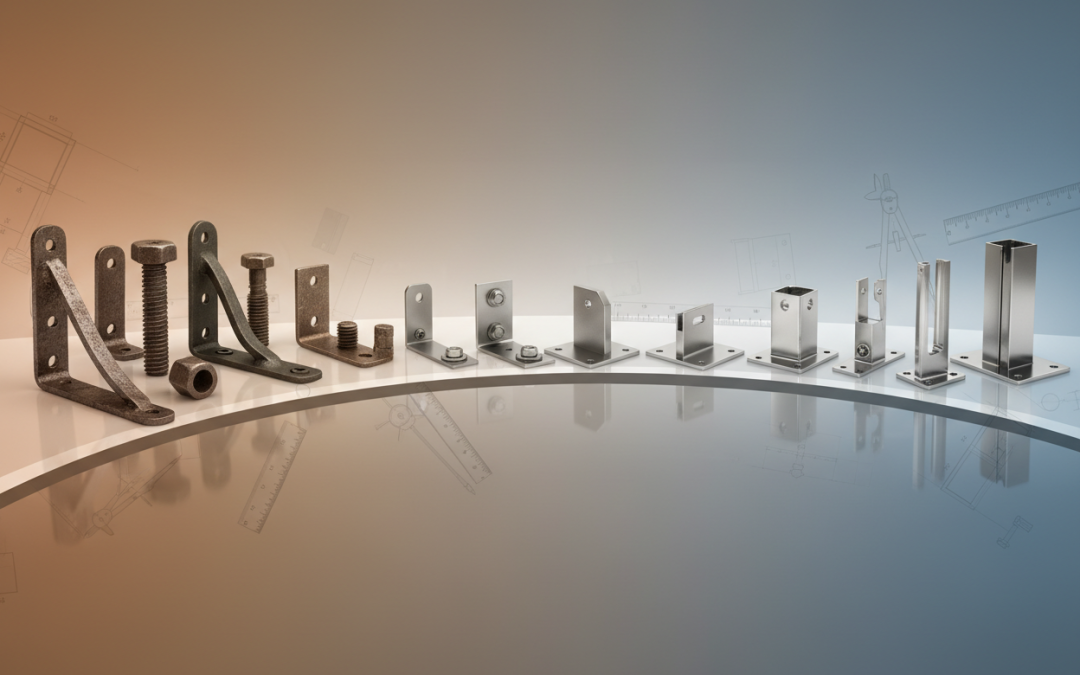
The Evolution of Custom Pergola Hardware and Fasteners: From Basic Bolts to Modern Marvels
Table of Contents
1. Introduction: The Foundation of Outdoor Living
2. The Early Days: Simple Solutions for Simple Structures
3. The Rise of Galvanized Steel: A Game-Changer in Durability
4. Stainless Steel Revolution: When Corrosion Became History
5. Modern Materials: Aluminum and Composite Innovations
6. Smart Hardware Solutions: Technology Meets Tradition
7. Specialized Fasteners for Different Pergola Styles
8. Installation Evolution: From Professional-Only to DIY-Friendly
9. Environmental Considerations in Modern Hardware Design
10. Future Trends in Pergola Hardware Technology
11. Conclusion: Building Better Outdoor Spaces
12. Frequently Asked Questions
Introduction: The Foundation of Outdoor Living
When you step into your backyard and admire that beautiful pergola casting dappled shadows across your patio, you’re probably not thinking about the dozens of specialized fasteners and hardware pieces that make it all possible. Yet, these seemingly mundane components have undergone a fascinating transformation over the decades, evolving from basic bolts and screws into sophisticated engineering marvels that can withstand hurricanes, resist corrosion for decades, and even incorporate smart technology.
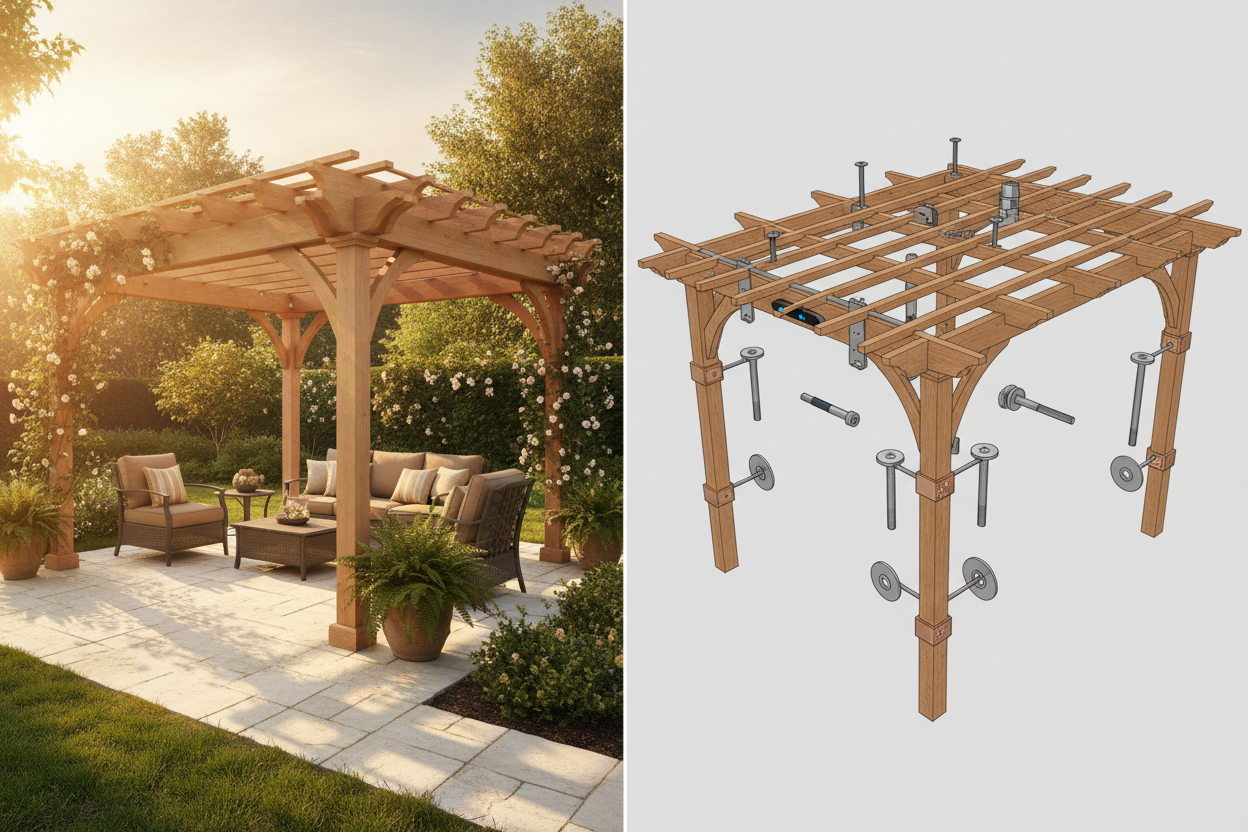
The story of custom pergola hardware and fasteners is really the story of how we’ve learned to build better, stronger, and more beautiful outdoor living spaces. It’s a tale of innovation driven by necessity, where every advancement has been born from the real-world challenges faced by homeowners, contractors, and manufacturers who refuse to accept “good enough” when it comes to creating lasting outdoor structures.
The Early Days: Simple Solutions for Simple Structures
Cast your mind back to the 1950s and 60s, when pergolas were primarily the domain of high-end landscaping projects and Mediterranean-inspired architecture. The hardware of this era was refreshingly straightforward: basic carbon steel bolts, standard wood screws, and simple L-brackets that any hardware store would stock. These early pergola builders worked with what was available, often repurposing construction hardware designed for indoor use.
The challenge, of course, was durability. Those basic steel fasteners would begin showing rust within months of installation, especially in coastal areas or regions with high humidity. Homeowners quickly learned that maintaining a pergola meant annual touch-ups with rust-resistant paint and periodic replacement of the most corroded hardware pieces.
What’s remarkable about this period is how builders compensated for inferior materials through superior craftsmanship. They would over-engineer joints, use multiple fasteners where one might suffice today, and employ traditional joinery techniques that reduced reliance on metal hardware altogether. These methods worked, but they required significant skill and time investment that put quality pergolas out of reach for many homeowners.
The Rise of Galvanized Steel: A Game-Changer in Durability
The 1970s brought the widespread adoption of galvanized steel hardware, marking the first major evolutionary leap in pergola construction technology. Hot-dip galvanizing, where steel is coated with a layer of zinc, suddenly made it possible to build outdoor structures that could withstand years of exposure without significant corrosion.
This wasn’t just an incremental improvement; it was transformative. For the first time, manufacturers could offer hardware specifically designed for pergolas with confidence that it would perform reliably for decades. Specialized brackets emerged, designed to handle the unique stress patterns of pergola construction, where horizontal beams must support both their own weight and dynamic loads from wind, snow, and climbing plants.
The galvanized steel era also saw the development of the first standardized pergola hardware systems. Companies like Simpson Strong-Tie began producing connector plates and brackets specifically engineered for outdoor timber construction, complete with load ratings and installation specifications that took the guesswork out of structural design.
However, galvanized steel had its limitations. In marine environments or areas with acid rain, even the best galvanized coatings would eventually fail. The hardware was also heavy, making installation more challenging and limiting design possibilities for more delicate or contemporary pergola styles.
Stainless Steel Revolution: When Corrosion Became History
The introduction of stainless steel hardware in the 1980s and 90s represented another quantum leap forward. Suddenly, pergola builders had access to fasteners that were virtually immune to corrosion, even in the harshest marine environments. This wasn’t just about longevity; stainless steel opened up entirely new aesthetic possibilities.
The clean, modern appearance of stainless steel hardware complemented the emerging trend toward contemporary pergola designs. Architects and designers could now specify visible hardware as a design element rather than something to be hidden or disguised. This led to the development of decorative stainless steel brackets, ornamental bolts with attractive head designs, and cable systems that became focal points rather than necessary evils.
Different grades of stainless steel emerged to serve different applications. Marine-grade 316 stainless steel became the gold standard for coastal installations, while 304 stainless steel provided excellent performance for most residential applications at a more accessible price point. Manufacturers also began developing specialized stainless steel alloys optimized for specific challenges, such as fasteners with enhanced resistance to stress corrosion cracking.
The stainless steel revolution also coincided with advances in manufacturing precision. Computer-controlled machining made it possible to produce hardware with tolerances measured in thousandths of an inch, ensuring perfect fits and eliminating the gaps and play that had plagued earlier hardware systems.
Modern Materials: Aluminum and Composite Innovations
As we moved into the 21st century, pergola hardware began incorporating advanced materials that would have been unimaginable to earlier generations of builders. Aluminum alloys, particularly those developed for the aerospace industry, brought unprecedented strength-to-weight ratios to pergola construction.
Modern aluminum hardware offers several compelling advantages over traditional materials. It’s naturally corrosion-resistant, requires no protective coatings, and can be anodized in virtually any color to match or complement pergola designs. The weight savings are substantial, making installation easier and enabling more ambitious cantilever designs that would be impractical with heavier hardware.
Perhaps more intriguing are the composite materials now entering the pergola hardware market. Carbon fiber reinforced polymer (CFRP) fasteners offer strength that rivals steel while weighing a fraction as much. These materials are particularly valuable in applications where electromagnetic neutrality is important or where the hardware must remain invisible within the structure.
Fiber-reinforced plastic (FRP) hardware has found its niche in chemical processing environments and other specialized applications where traditional metals would fail. While not yet common in residential pergolas, these materials hint at future possibilities as manufacturing costs continue to decline.
Smart Hardware Solutions: Technology Meets Tradition
The most recent chapter in pergola hardware evolution involves the integration of smart technology. This might sound like science fiction, but it’s happening right now in high-end installations around the world. Smart hardware systems can monitor structural loads in real-time, alerting homeowners to potential problems before they become dangerous.
Wireless sensors embedded in critical connection points can detect unusual stress patterns that might indicate loosening fasteners, structural damage, or overloading. These systems typically connect to smartphone apps, providing homeowners with unprecedented insight into their pergola’s structural health.
Some manufacturers are experimenting with shape-memory alloy fasteners that can automatically adjust their tension in response to temperature changes, compensating for the thermal expansion and contraction that can loosen traditional hardware over time. While still in early development, these self-adjusting systems promise to eliminate one of the primary maintenance requirements for outdoor structures.
Solar-powered LED lighting integrated directly into hardware components represents another frontier. Decorative bolts and brackets that illuminate automatically at dusk are already available, transforming functional hardware into architectural lighting elements.
Specialized Fasteners for Different Pergola Styles
Modern pergola hardware has become increasingly specialized, with different fastener systems optimized for specific construction methods and aesthetic goals. Traditional timber pergolas still rely heavily on through-bolts and carriage bolts, but even these have been refined with features like integrated washers and corrosion barriers.
For contemporary steel pergolas, welded connections have largely given way to sophisticated mechanical fasteners that allow for easier assembly and disassembly. These systems often incorporate tensioning mechanisms that ensure consistent joint tightness across the entire structure.
Aluminum pergola systems have driven the development of specialized extrusion connectors that slide into channels built into the structural members. These hidden fastener systems create clean, uninterrupted lines while providing exceptional structural integrity.
The growing popularity of curved and organic pergola designs has spurred innovation in flexible fastening systems. Cable hardware, adjustable brackets, and multi-axis connectors make it possible to create flowing, sculptural pergolas that would have been impossible to build with traditional rigid hardware.
Installation Evolution: From Professional-Only to DIY-Friendly
One of the most significant trends in pergola hardware evolution has been the development of systems that enable confident DIY installation. Early pergola construction required extensive carpentry skills and specialized tools. Modern hardware systems increasingly feature foolproof installation methods that eliminate guesswork and reduce the risk of costly mistakes.
Pre-engineered pergola kits now include hardware packages with detailed instructions, color-coded components, and even QR codes that link to installation videos. Some manufacturers provide augmented reality apps that overlay installation guidance directly onto the construction site through a smartphone camera.
Tool requirements have also been simplified. Many modern fastening systems can be installed with basic hand tools, eliminating the need for specialized equipment like impact drivers or torque wrenches. Self-drilling screws reduce the need for pre-drilling, while integrated levels and alignment guides help ensure professional-quality results.
However, this democratization of pergola construction hasn’t come at the expense of structural integrity. If anything, modern DIY-friendly hardware systems are more reliable than many professional installations from decades past, thanks to improved engineering and more consistent manufacturing quality.
Environmental Considerations in Modern Hardware Design
Today’s pergola hardware manufacturers face increasing pressure to consider environmental impact throughout the product lifecycle. This has led to innovations in sustainable materials, manufacturing processes, and end-of-life recyclability that previous generations of hardware designers never had to consider.
Recycled content has become a standard feature in many hardware lines. Stainless steel fasteners routinely contain 60-80% recycled material, while aluminum hardware can incorporate even higher percentages of post-consumer content without compromising performance.
Manufacturing processes have been refined to minimize waste and energy consumption. Precision machining reduces material waste, while improved metallurgy allows for thinner, lighter components that use less raw material while maintaining strength.
Some manufacturers are exploring bio-based materials for non-structural hardware components. Washers and gaskets made from renewable materials can perform as well as traditional synthetic alternatives while offering better end-of-life disposal options.
The trend toward modular, reusable hardware systems also supports sustainability goals. When pergolas need to be relocated or reconfigured, modern fastening systems can often be disassembled and reused rather than discarded.
Future Trends in Pergola Hardware Technology
Looking ahead, several emerging technologies promise to further revolutionize pergola hardware and fasteners. Additive manufacturing, commonly known as 3D printing, is beginning to enable custom hardware production for unique applications. Homeowners with unusual design requirements or challenging installation conditions may soon be able to order bespoke hardware components designed specifically for their projects.
Nanotechnology coatings represent another frontier. These ultra-thin protective layers can provide superior corrosion resistance, self-cleaning properties, or even photocatalytic air purification capabilities. Imagine pergola hardware that actively cleans the air around your outdoor living space.
Biomimetic design principles are inspiring hardware that mimics natural structures. Fasteners based on the attachment mechanisms of gecko feet or mussel proteins could provide incredible holding power without traditional mechanical threads or adhesives.
The integration of renewable energy generation directly into hardware components is another possibility. Piezoelectric fasteners that generate electricity from structural vibrations could power monitoring systems or lighting without external power sources.
Conclusion: Building Better Outdoor Spaces
The evolution of custom pergola hardware and fasteners reflects our broader journey toward creating more durable, beautiful, and sustainable outdoor living spaces. From the rust-prone steel bolts of the 1950s to today’s smart, self-monitoring systems, each advancement has been driven by real-world needs and the relentless pursuit of better performance.
What’s most exciting about this evolution is that it’s far from over. As new materials emerge, manufacturing techniques advance, and our understanding of structural engineering deepens, pergola hardware will continue to become more capable, more durable, and more user-friendly. The pergolas of tomorrow may incorporate technologies we can barely imagine today, but they’ll all be built on the foundation of lessons learned through decades of innovation in fasteners and hardware.
Whether you’re planning your first pergola or your fifth, understanding this evolution helps you make informed decisions about the hardware that will determine your structure’s longevity, performance, and beauty. The investment in quality hardware pays dividends for decades, turning a simple outdoor structure into a lasting legacy that enhances your property and your quality of life.
Frequently Asked Questions
What type of hardware is best for coastal pergola installations?
Marine-grade 316 stainless steel is the gold standard for coastal environments due to its superior resistance to salt spray and corrosion. While more expensive than other options, it provides decades of reliable performance in harsh marine conditions.
How often should pergola hardware be inspected and maintained?
Annual inspections are recommended for most installations, with more frequent checks in severe weather areas. Look for signs of corrosion, loose fasteners, or structural movement. Modern stainless steel and aluminum hardware typically requires minimal maintenance beyond periodic cleaning.
Can I upgrade existing pergola hardware to modern systems?
In many cases, yes. However, this often requires careful evaluation by a structural engineer to ensure compatibility and safety. Some upgrades may require modifications to the existing structure to accommodate new fastening systems.
What’s the difference between galvanized and stainless steel hardware?
Galvanized steel features a zinc coating that provides good corrosion protection at a lower cost, but will eventually wear through. Stainless steel is inherently corrosion-resistant throughout the material and offers superior longevity, especially in harsh environments.
Are DIY pergola hardware kits as strong as professional installations?
Modern DIY hardware systems are engineered to meet or exceed professional installation standards when properly installed. The key is following manufacturer instructions precisely and using the correct tools and techniques.
How do smart pergola hardware systems work?
Smart systems typically use wireless sensors to monitor structural loads, vibrations, and environmental conditions. Data is transmitted to smartphone apps or cloud-based platforms that can alert users to potential issues or maintenance needs.

Dallas TX custom patio cover builders | Keathley Landscaping

Fate TX custom patio covers | Keathley Landscaping

Plano TX custom wood pergola | Keathley Landscaping

Sachse TX custom wood pergola | Keathley Landscaping

Dallas TX pergolas | Keathley Landscaping

McKinney TX outdoor living space contractors | Keathley Landscaping

Garland TX custom patio cover cost | Keathley Landscaping

Lowry Crossing TX covered patio contractors near me | Keathley Landscaping

Lowry Crossing TX outdoor living contractor | Keathley Landscaping

Fate TX outdoor living contractor | Keathley Landscaping

Garland TX outdoor living contractor | Keathley Landscaping

Lake Highlands Dallas TX custom patio cover cost | Keathley Landscaping

Frisco TX outdoor living contractor | Keathley Landscaping

Plano TX covered patio contractors near me | Keathley Landscaping

Mobile City TX luxury custom pergolas | Keathley Landscaping

Wylie TX custom patio cover builders | Keathley Landscaping

Rose Hill TX custom wood pergola | Keathley Landscaping

Frisco TX custom wood pergola | Keathley Landscaping

Murphy TX custom patio cover builders | Keathley Landscaping

Rockwall TX custom patio cover builders | Keathley Landscaping

Fate TX covered patio contractors near me | Keathley Landscaping

McKinney TX luxury custom pergolas | Keathley Landscaping

Highland Park TX custom patio cover builders | Keathley Landscaping

Lucas TX pergola companies near me | Keathley Landscaping

Lowry Crossing TX custom pergolas | Keathley Landscaping

Murphy TX pergolas | Keathley Landscaping

Wylie TX custom patio cover cost | Keathley Landscaping

Lakewood Dallas TX custom patio covers | Keathley Landscaping

cost for sod installation Highland Park Texas

sod installation company near me Lucas Texas

sod installation services Preston Hollow Dallas Texas

installation of sod cost Sachse Texas

sod installation company near me Rose Hill Texas

sod installation companies near me Frisco Texas

sod installation companies Murphy Texas

sod installation service Lake Highlands Dallas Texas

cost of sod installation Allen Texas

lawn sod installation near me Lowry Crossing Texas

installation of sod cost Lucas Texas

sod installation cost Parker Texas

sod lawn installation Lavon Texas

sod installation near me Lavon Texas

grass installation Preston Hollow Dallas Texas

sod contractors Lavon Texas

sod contractors Murphy Texas

price of sod installation Rockwall Texas

cost of sod and installation Fate Texas

grass installation Lakewood Dallas Texas

sod grass installation Lowry Crossing Texas

sod installation cost Lucas Texas

grass installation Allen Texas

price for sod installation Rockwall Texas

cost of sod and installation Dallas Texas

price of sod installation Dallas Texas

price of sod installation Wylie Texas

sod installation service Allen Texas

drain contractor Lavon Texas

drainage Highland Park Texas

drainage specialist near me Rowlett Texas

drainage contractors near me Lowry Crossing Texas

drain cleaning company near me Rockwall Texas

drain contractor Fate Texas

drainage Lakewood Dallas Texas

landscape drainage contractor near me Lowry Crossing Texas

drainage Mobile City Texas

drain Lowry Crossing Texas

landscape drain Lavon Texas

drain cleaning company near me Rose Hill Texas

landscape drainage contractor near me Lucas Texas

drainage specialist near me Lakewood Dallas Texas

landscape drain Lowry Crossing Texas

yard drainage Lavon Texas

drainage company near me Sachse Texas

drainage specialist near me Lowry Crossing Texas

outdoor drain repair Fate Texas

drainage company Dallas Texas

outdoor drain repair Garland Texas

yard drainage contractors near me Fate Texas

drainage company near me Lakewood Dallas Texas

drain cleaning company near me Lucas Texas

drainage company Plano Texas

drain cleaning Preston Hollow Dallas Texas

outdoor drain repair Rowlett Texas

Recent Comments