
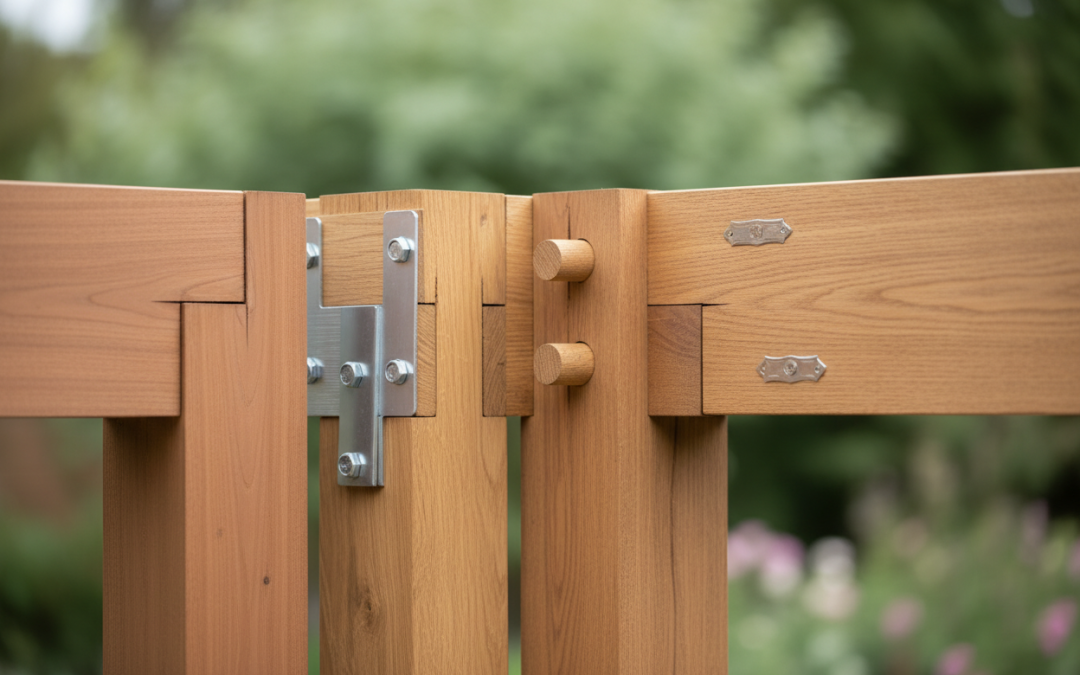
Custom Pergola Joint Types: Which Connections Last the Longest
Building a custom pergola is an exciting project that can transform your outdoor space into a stunning focal point. However, the longevity and structural integrity of your pergola heavily depend on one crucial factor that many DIY enthusiasts overlook: the type of joints and connections you choose. After working with countless pergola projects over the years, I’ve learned that selecting the right joint type can mean the difference between a structure that lasts decades and one that starts showing problems within a few seasons.
The joint connections in your pergola are essentially the backbone of the entire structure. They’re responsible for transferring loads, resisting weather-related stress, and maintaining the pergola’s shape and stability over time. With so many joint options available, from traditional woodworking techniques to modern metal connectors, making the right choice can feel overwhelming. That’s why I’ve put together this comprehensive guide to help you understand which pergola joint types offer the best durability and longevity for your investment.
Table of Contents
1. Understanding Pergola Joint Fundamentals
2. Traditional Wooden Joints for Pergolas
3. Modern Metal Connector Systems
4. Hybrid Joint Solutions
5. Factors Affecting Joint Longevity
6. Best Practices for Joint Installation
7. Maintenance Tips for Long-Lasting Joints
8. Cost vs. Durability Analysis
9. Frequently Asked Questions
10. Conclusion
Understanding Pergola Joint Fundamentals
Before diving into specific joint types, it’s essential to understand what makes a pergola joint effective. A quality pergola joint must accomplish several critical functions simultaneously. First, it needs to provide adequate structural support to handle both the weight of the pergola itself and external forces like wind loads and snow accumulation. Second, the joint must resist moisture penetration, which is often the primary cause of joint failure in outdoor structures.
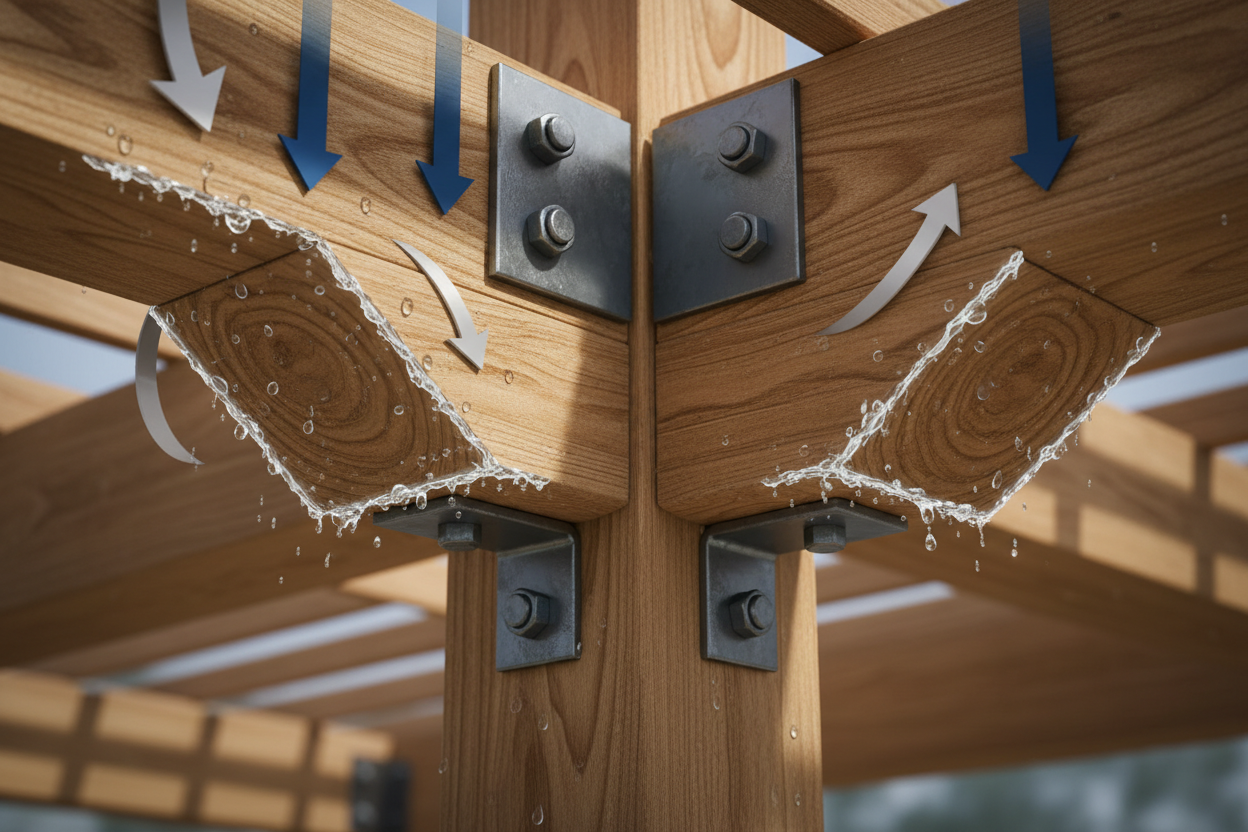
The joint also needs to accommodate the natural movement of wood as it expands and contracts with temperature and humidity changes. This thermal movement is particularly important in pergolas, which are constantly exposed to the elements. Additionally, the connection should be designed to prevent water from pooling or collecting in areas where it could cause rot or corrosion over time.
From my experience, the most durable pergola joints share three common characteristics: they distribute stress evenly across the connection point, they’re designed with proper drainage in mind, and they use materials that are compatible with the pergola’s primary construction material. Understanding these fundamentals will help you evaluate different joint options more effectively.
Traditional Wooden Joints for Pergolas
Traditional woodworking joints have been used in outdoor structures for centuries, and many of these time-tested techniques remain excellent choices for modern pergolas. The mortise and tenon joint stands out as one of the most durable options for pergola construction. This joint creates an incredibly strong mechanical connection that can last for decades when properly executed and maintained.
The key to a successful mortise and tenon joint lies in precise cutting and a snug fit. When the tenon is properly sized and the mortise is accurately cut, the joint creates a connection that actually gets stronger over time as the wood fibers compress and lock together. I’ve seen mortise and tenon joints in pergolas that are still solid after 30 years of exposure to harsh weather conditions.
Another excellent traditional option is the half-lap joint, which is particularly effective for beam-to-beam connections in pergola construction. This joint is easier to cut than a mortise and tenon but still provides excellent strength and weather resistance. The overlapping wood surfaces create a large glue area, and when combined with through-bolts or lag screws, the connection becomes extremely durable.
Dovetail joints, while more complex to execute, offer exceptional resistance to pulling forces. This makes them ideal for connections where the pergola beams might experience tension loads due to wind or thermal movement. The interlocking nature of the dovetail prevents the joint from separating even under significant stress.
Modern Metal Connector Systems
Modern metal connector systems have revolutionized pergola construction by offering strength and durability that often exceeds traditional wooden joints. Galvanized steel brackets and connectors provide excellent corrosion resistance while creating incredibly strong connections that can handle substantial loads.
Simpson Strong-Tie connectors, for example, are engineered to meet specific load requirements and have been tested extensively for outdoor applications. These connectors eliminate much of the guesswork involved in traditional joinery while providing consistent, reliable performance. The pre-drilled holes ensure proper fastener placement, and the galvanized coating provides long-term protection against rust and corrosion.
Stainless steel connectors represent the premium option in metal connector systems. While they come with a higher upfront cost, stainless steel connectors offer unmatched corrosion resistance, making them ideal for coastal environments or areas with high humidity. I’ve installed stainless steel connectors in pergolas near the ocean, and they still look pristine after more than a decade of salt air exposure.
Aluminum connectors offer an interesting middle ground between steel and stainless steel options. They’re naturally corrosion-resistant and won’t rust, though they may not provide the same ultimate strength as steel connectors. For most residential pergola applications, however, aluminum connectors provide more than adequate strength while offering excellent longevity.
Hybrid Joint Solutions
Some of the most durable pergola connections combine traditional woodworking techniques with modern materials and fasteners. These hybrid approaches often provide the best of both worlds: the aesthetic appeal and natural strength of traditional joints enhanced by the reliability and consistency of modern hardware.
A mortise and tenon joint secured with a hidden steel bracket, for instance, provides the visual appeal of traditional joinery while adding the security of engineered hardware. The steel bracket acts as insurance against joint failure while allowing the traditional joint to carry the primary loads under normal conditions.
Another effective hybrid approach involves using traditional joint geometry with modern adhesives and fasteners. Epoxy-based construction adhesives can significantly enhance the strength and weather resistance of wooden joints when used in conjunction with mechanical fasteners. These adhesives fill gaps and create waterproof seals that help prevent moisture infiltration.
Threaded rod systems represent another hybrid solution that’s particularly effective for pergola construction. By running threaded rod through mortise and tenon joints or half-lap connections, you create a connection that combines the strength distribution of traditional joinery with the clamping force of modern hardware.
Factors Affecting Joint Longevity
Several environmental and design factors significantly impact how long your pergola joints will last. Understanding these factors can help you choose the most appropriate joint type for your specific situation and take steps to maximize longevity.
Climate plays perhaps the most significant role in joint longevity. Areas with frequent freeze-thaw cycles put additional stress on joints as moisture expands and contracts within the wood and connection points. High humidity environments accelerate the corrosion of metal components and can promote rot in wooden joints if proper drainage isn’t maintained.
The wood species you choose also affects joint longevity. Naturally rot-resistant woods like cedar, redwood, and teak tend to maintain joint integrity longer than softer woods like pine or fir. However, even premium woods benefit from proper joint design and protection.
Exposure to direct sunlight can cause significant thermal movement in pergola structures, putting additional stress on joints. UV radiation also breaks down wood fibers over time, potentially weakening joint connections. Proper finishing and periodic maintenance can help mitigate these effects.
Water management is crucial for joint longevity. Joints that allow water to pool or collect moisture will fail much sooner than those designed with proper drainage. This is why joint orientation and design details matter so much in pergola construction.
Best Practices for Joint Installation
Proper installation techniques can dramatically extend the life of any pergola joint, regardless of the type you choose. The key is attention to detail during the construction phase, as mistakes made during installation are often impossible to correct without major reconstruction.
Pre-drilling is essential for any joint that uses screws or bolts. This prevents wood splitting and ensures that fasteners achieve their full holding power. Using the correct drill bit size is crucial – too small and you risk splitting the wood, too large and the fastener won’t hold properly.
Proper fastener selection makes a huge difference in joint longevity. Stainless steel or hot-dipped galvanized fasteners should be used exclusively in outdoor applications. Regular zinc-plated screws or bolts will corrode quickly when exposed to weather, leading to joint failure.
Sealing joint interfaces helps prevent moisture infiltration and extends joint life significantly. Construction adhesive, caulk, or specialized wood sealers can be used depending on the joint type and aesthetic requirements. The goal is to create a barrier that prevents water from entering the joint while still allowing for natural wood movement.
Proper torque specifications are critical when using bolted connections. Over-tightening can crush wood fibers and actually weaken the joint, while under-tightening allows movement that can lead to premature wear and failure.
Maintenance Tips for Long-Lasting Joints
Even the best pergola joints require periodic maintenance to achieve their maximum lifespan. Developing a regular inspection and maintenance routine can help you catch problems early and address them before they become major issues.
Annual inspections should focus on looking for signs of loosening, corrosion, or wood deterioration around joint areas. Pay particular attention to joints that are exposed to the most weather or that carry the heaviest loads. Early detection of problems allows for simple repairs rather than major reconstruction.
Tightening fasteners is often necessary as wood dries and shrinks over time. However, be careful not to over-tighten, as this can cause new problems. Check manufacturer specifications for proper torque values when available.
Cleaning joints periodically helps prevent the buildup of debris and moisture that can accelerate deterioration. A simple brush and mild detergent are usually sufficient for most cleaning tasks. Avoid pressure washing directly into joint areas, as this can force water into places where it shouldn’t go.
Refinishing wood surfaces around joints helps maintain the protective barrier against moisture and UV damage. This is particularly important for joints that use traditional woodworking techniques, as the wood itself provides much of the weather resistance.
Cost vs. Durability Analysis
When evaluating different joint options for your pergola, it’s important to consider the total cost of ownership rather than just the initial material and installation costs. While premium joint systems may cost more upfront, they often provide better value over the long term through reduced maintenance requirements and longer service life.
Traditional wooden joints typically have the lowest material costs but require more skilled labor to execute properly. The tools and time required for cutting precise mortise and tenon joints can add significantly to the project cost if you’re hiring professionals. However, when properly executed, these joints can last for decades with minimal maintenance.
Metal connector systems usually fall somewhere in the middle for initial costs. The connectors themselves are more expensive than basic hardware, but installation is typically faster and requires less specialized skill. The reduced labor costs often offset the higher material costs, making metal connectors an economical choice for many projects.
Stainless steel and other premium materials represent the highest initial investment but offer the best long-term value in challenging environments. If you’re building a pergola in a coastal area or other corrosive environment, the additional cost of stainless steel connectors will likely pay for itself through extended service life and reduced maintenance requirements.
Frequently Asked Questions
What is the strongest type of joint for a pergola?
The strongest pergola joints are typically mortise and tenon connections reinforced with through-bolts or heavy-duty metal connectors. These hybrid approaches combine the load distribution benefits of traditional joinery with the consistent strength of modern hardware.
How often should I inspect my pergola joints?
You should inspect your pergola joints at least once per year, preferably in the spring before the heavy weather season begins. Look for signs of loosening, corrosion, cracking, or wood deterioration around connection points.
Can I retrofit my existing pergola with better joints?
In many cases, yes. Metal connectors can often be added to reinforce existing wooden joints, and loose or failing connections can be rebuilt using more durable techniques. However, extensive retrofitting may be more expensive than building new.
What’s the best joint type for a beginner builder?
Metal connector systems are generally the best choice for beginners. They provide consistent results with less specialized skill required and offer excellent strength and durability when properly installed.
Do I need to use treated lumber for pergola joints?
While treated lumber can help extend joint life, proper joint design and protection are more important than the lumber treatment. Many beautiful, long-lasting pergolas are built with naturally rot-resistant woods like cedar or redwood without chemical treatment.
How do I know if my pergola joints are failing?
Signs of joint failure include visible gaps opening up in connections, loose or corroded fasteners, cracking or splitting wood around joint areas, and any noticeable sagging or movement in the pergola structure.
Conclusion
Choosing the right joint type for your custom pergola is one of the most important decisions you’ll make during the planning process. While traditional wooden joints offer timeless appeal and excellent strength when properly executed, modern metal connector systems provide consistency and reliability that’s hard to beat. Hybrid approaches that combine traditional techniques with modern materials often provide the best overall solution for most applications.
The key to long-lasting pergola joints lies not just in selecting the right type, but in proper installation, appropriate material selection, and regular maintenance. By understanding the strengths and limitations of different joint options and matching them to your specific environment and skill level, you can build a pergola that will provide decades of enjoyment.
Remember that the best joint for your pergola is the one that balances your budget, skill level, aesthetic preferences, and local environmental conditions. Don’t be afraid to consult with professionals or invest in premium materials for critical connections – the additional cost is often minimal compared to the total project investment, and the peace of mind is invaluable.
Whether you choose traditional mortise and tenon joints, modern metal connectors, or a hybrid approach, focus on quality installation and regular maintenance. With proper attention to these details, your pergola joints can provide reliable service for many years, allowing you to enjoy your outdoor space without worrying about structural issues.

Preston Hollow Dallas TX custom patio covers | Keathley Landscaping

Fate TX pergolas | Keathley Landscaping

Plano TX custom pergolas | Keathley Landscaping

Fate TX custom patio covers | Keathley Landscaping

Richardson TX custom pergolas | Keathley Landscaping

Rowlett TX pergolas | Keathley Landscaping

Rose Hill TX pergola companies near me | Keathley Landscaping

Wylie TX custom patio covers | Keathley Landscaping

Lavon TX luxury custom pergolas | Keathley Landscaping

Preston Hollow Dallas TX pergola builders | Keathley Landscaping

Lakewood Dallas TX luxury custom pergolas | Keathley Landscaping

Mobile City TX custom pergolas | Keathley Landscaping

Rose Hill TX outdoor living contractor | Keathley Landscaping

Lakewood Dallas TX custom patio covers | Keathley Landscaping

McKinney TX covered patio contractors near me | Keathley Landscaping

Dallas TX custom patio cover builders | Keathley Landscaping

Plano TX custom patio cover cost | Keathley Landscaping

Preston Hollow Dallas TX outdoor living space contractors | Keathley Landscaping

Lakewood Dallas TX custom patio cover cost | Keathley Landscaping

Lake Highlands Dallas TX custom patio cover cost | Keathley Landscaping

Lavon TX custom patio cover cost | Keathley Landscaping

Murphy TX pergola companies near me | Keathley Landscaping

Richardson TX custom patio covers | Keathley Landscaping

Lucas TX custom patio cover builders | Keathley Landscaping

Rowlett TX pergola builders | Keathley Landscaping

Rose Hill TX custom wood pergola | Keathley Landscaping

Dallas TX custom wood pergola | Keathley Landscaping

Dallas TX covered patios | Keathley Landscaping

price for sod installation Murphy Texas

sod installation companies near me Rose Hill Texas

sod lawn installation Lucas Texas

sod installation companies near me Lake Highlands Dallas Texas

sod installation near me Rockwall Texas

installation of sod cost Highland Park Texas

cost of sod and installation Rose Hill Texas

cost of sod installation Rowlett Texas

lawn sod installation Rockwall Texas

cost of sod installation Preston Hollow Dallas Texas

new sod installation Wylie Texas

new sod installation Fate Texas

new sod installation Richardson Texas

sod installation cost Highland Park Texas

lawn sod installation near me Dallas Texas

sod installation companies Lucas Texas

cost of sod installation Rose Hill Texas

cost for sod installation Rose Hill Texas

cost of sod installation Lowry Crossing Texas

sod company Murphy Texas

sod installation company near me Dallas Texas

cost for sod installation Richardson Texas

sod grass installation Lavon Texas

sod installation near me Wylie Texas

sod installation companies Richardson Texas

sod installation service Highland Park Texas

grass installation Allen Texas

lawn sod installation near me Rose Hill Texas

drainage company near me Allen Texas

drainage company near me Lakewood Dallas Texas

yard drainage contractors near me McKinney Texas

drainage specialist near me Frisco Texas

drainage company Fairview Texas

drainage contractors near me Allen Texas

drain Lakewood Dallas Texas

drain cleaning company near me Dallas Texas

landscape drainage contractor near me Highland Park Texas

landscape drain Lowry Crossing Texas

yard drainage specialist near me Highland Park Texas

drainage contractors near me Dallas Texas

yard drainage Wylie Texas

landscape drainage Wylie Texas

drainage specialist near me Wylie Texas

yard drainage contractors near me Garland Texas

yard drainage specialist near me Rose Hill Texas

drainage company Lakewood Dallas Texas

outdoor drain repair Dallas Texas

drainage solutions near me Fairview Texas

drainage contractors near me Plano Texas

drain cleaning Rockwall Texas

yard drainage Fate Texas

drainage specialist near me Mobile City Texas

drain contractor Dallas Texas

drain cleaning Fairview Texas

yard drainage contractors near me Highland Park Texas

Recent Comments