
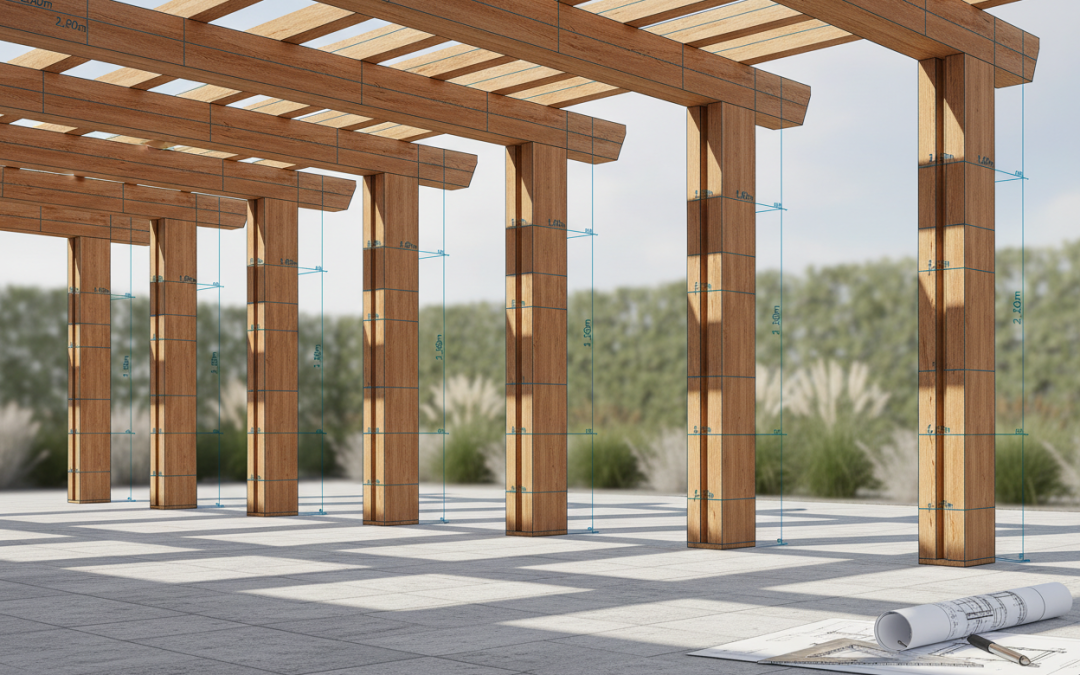
Custom Pergola Post Spacing: Engineering for Structural Integrity
Table of Contents
1. Introduction to Pergola Post Spacing
2. Understanding Load Distribution in Pergola Design
3. Standard vs. Custom Post Spacing Considerations
4. Engineering Factors That Determine Post Spacing
5. Material Selection and Its Impact on Spacing
6. Climate and Environmental Considerations
7. Building Codes and Safety Requirements
8. Professional vs. DIY Pergola Construction
9. Common Mistakes in Pergola Post Spacing
10. Conclusion
11. Frequently Asked Questions
Introduction to Pergola Post Spacing
When I first started designing outdoor structures, I learned the hard way that pergola post spacing isn’t just about aesthetics – it’s the backbone of your entire structure’s safety and longevity. Whether you’re planning a cozy 10×10 backyard retreat or an expansive 20×30 entertainment space, understanding the engineering principles behind custom pergola post spacing can mean the difference between a structure that stands strong for decades and one that becomes a costly liability.
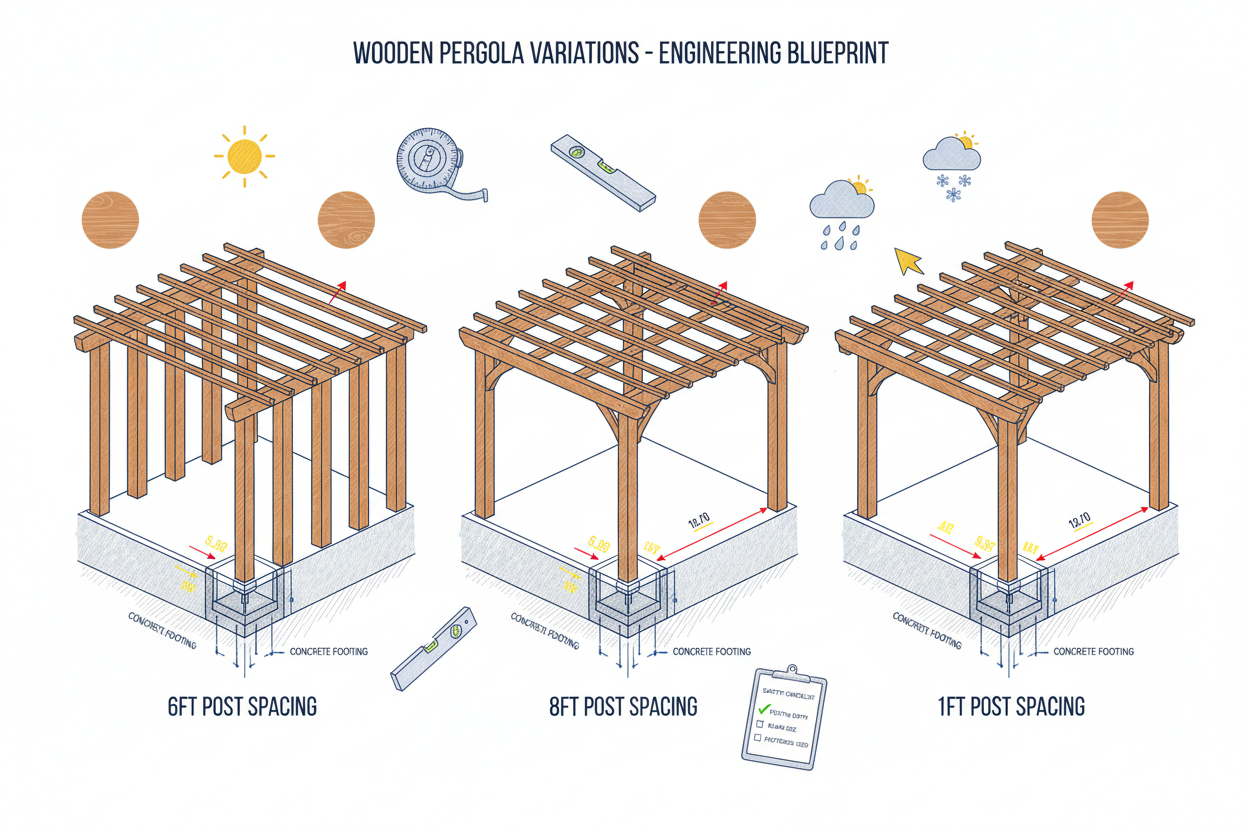
Custom pergola post spacing goes beyond the standard 8-foot intervals you’ll find in most pre-fabricated kits. It’s about creating a tailored solution that accounts for your specific site conditions, material choices, local weather patterns, and intended use. This comprehensive approach to structural design ensures your pergola not only looks beautiful but also meets rigorous safety standards while maximizing both functionality and cost-effectiveness.
Understanding Load Distribution in Pergola Design
The foundation of proper pergola post spacing lies in understanding how loads are distributed throughout the structure. Every pergola must handle three primary types of loads: dead loads, live loads, and environmental loads. Dead loads include the weight of the structure itself – the beams, rafters, roofing materials, and any permanent fixtures like lighting or ceiling fans.
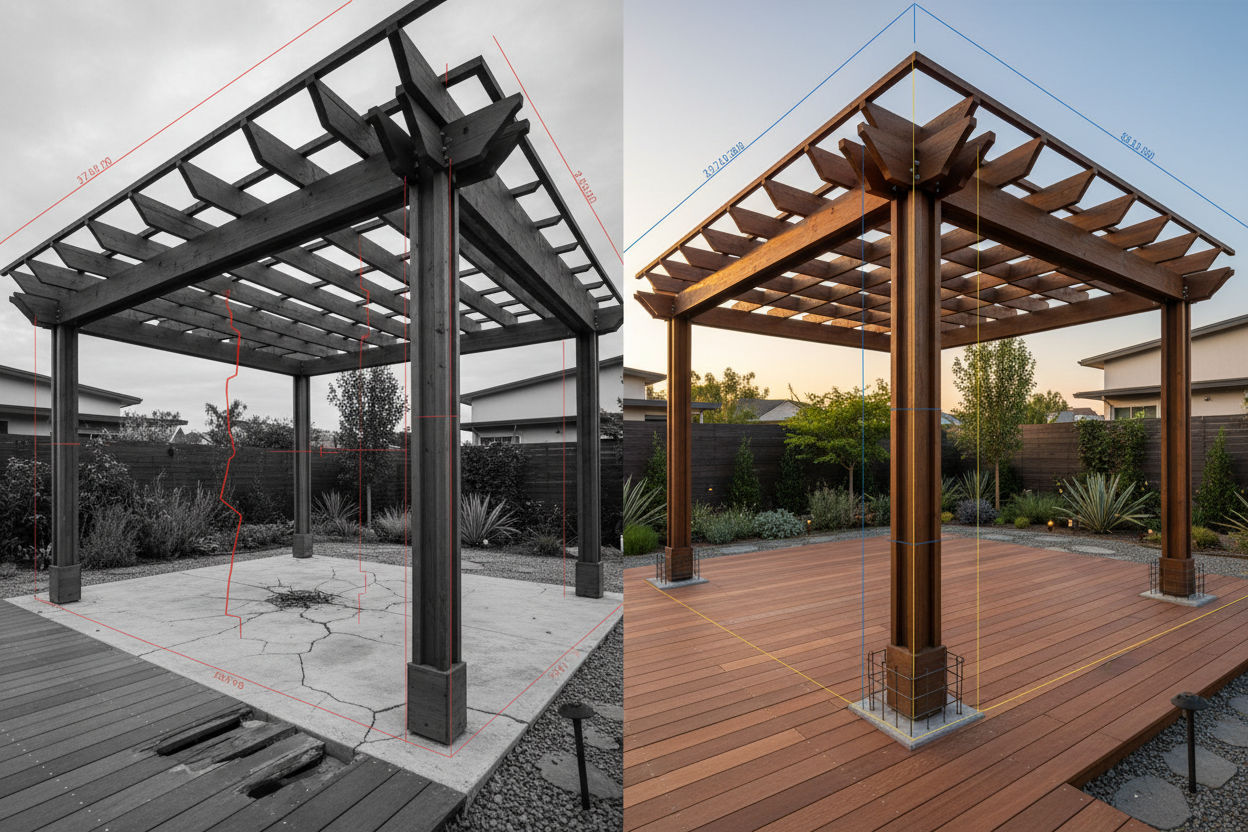
Live loads encompass temporary weight additions such as snow accumulation, hanging plants, outdoor curtains, or even people climbing on the structure for maintenance. Environmental loads present the most complex challenge, including wind forces that can create both uplift and lateral pressure, seismic activity in earthquake-prone regions, and thermal expansion and contraction cycles that stress connection points.
The spacing between posts directly affects how these loads transfer through your structure. Closer post spacing reduces the span of your beams, decreasing deflection and stress concentrations. However, it also increases material costs and can impact the visual appeal of your design. Finding the optimal balance requires careful calculation and consideration of all contributing factors.
Standard vs. Custom Post Spacing Considerations
Most residential pergolas follow standard spacing conventions of 6 to 8 feet between posts, primarily because this works well with common lumber dimensions and provides adequate structural support for typical applications. However, custom spacing becomes necessary when you’re dealing with unique circumstances that standard designs can’t accommodate.
Custom spacing might be required when you’re spanning longer distances to avoid obstructing pathways, working around existing landscape features like mature trees or utility lines, or when local building codes mandate specific requirements. I’ve encountered projects where property lines, septic systems, or underground utilities forced creative spacing solutions that required detailed engineering analysis.
The benefits of custom spacing extend beyond mere accommodation of site constraints. Properly engineered custom spacing can actually reduce material costs by optimizing beam sizes and eliminating unnecessary posts while maintaining structural integrity. It also allows for more flexible design options, creating spaces that better serve your specific needs and aesthetic preferences.
Engineering Factors That Determine Post Spacing
Several critical engineering factors influence optimal post spacing decisions. Beam span capabilities represent the most fundamental consideration – longer spans between posts require larger, stronger beams, while shorter spans allow for more economical lumber choices. The relationship between span and beam size follows established engineering formulas that account for material properties and safety factors.
Soil conditions play a crucial role that many DIY builders overlook. Sandy soils may require closer post spacing or deeper footings to provide adequate stability, while clay soils might allow for wider spacing but need special consideration for expansion and contraction. Rocky terrain can limit footing depth, necessitating alternative foundation solutions that may influence post placement.
The intended use of your pergola significantly impacts spacing requirements. A simple shade structure over a patio requires less robust engineering than a pergola designed to support heavy climbing vines, retractable canopies, or integrated lighting systems. Each additional feature adds load requirements that must be factored into spacing calculations.
Material Selection and Its Impact on Spacing
Your choice of materials dramatically influences optimal post spacing configurations. Traditional pressure-treated lumber offers good strength-to-cost ratios but has limitations in span capabilities compared to engineered alternatives. Cedar and redwood provide excellent weather resistance but typically require closer spacing due to their lower strength ratings compared to treated pine or fir.
Engineered lumber products like laminated veneer lumber (LVL) or glulam beams can span much greater distances, potentially allowing for wider post spacing while maintaining structural integrity. Steel and aluminum structures offer the greatest spanning capabilities but require specialized connection details and may need professional engineering for optimal design.
The interaction between post material and beam material also affects spacing decisions. Steel posts can support larger wooden beams over longer spans, while wooden posts might require more frequent placement to adequately support the same beam configuration. Understanding these material relationships helps optimize both structural performance and project costs.
Climate and Environmental Considerations
Local climate conditions significantly influence pergola post spacing requirements. High-wind regions may necessitate closer post spacing to resist lateral forces, while areas with heavy snow loads require consideration of increased dead loads during winter months. I’ve worked on projects in coastal areas where salt air corrosion concerns influenced both material selection and spacing decisions to ensure long-term durability.
Seismic considerations in earthquake-prone regions often require specific engineering approaches that can affect post spacing. Building codes in these areas may mandate particular connection details or spacing requirements that override standard design practices. Understanding your local seismic zone classification is essential for proper pergola design.
Thermal expansion and contraction cycles, particularly in regions with extreme temperature variations, can stress pergola connections and influence spacing decisions. Longer spans may require expansion joints or flexible connections to accommodate material movement without compromising structural integrity.
Building Codes and Safety Requirements
Local building codes often establish minimum requirements for pergola construction that directly impact post spacing decisions. Many jurisdictions have specific requirements for footing depth, post-to-beam connections, and maximum allowable spans that must be incorporated into your design. Some areas classify pergolas as accessory structures with relaxed requirements, while others treat them as permanent structures requiring full engineering analysis.
Safety factors built into engineering calculations provide margins of safety beyond anticipated loads. These factors account for material variability, construction tolerances, and unforeseen loading conditions. Professional engineers typically apply safety factors of 1.5 to 2.0 for residential structures, meaning the structure is designed to handle loads significantly higher than expected normal conditions.
Permit requirements vary widely by location and can influence design decisions. Some areas require professional engineering stamps for pergolas exceeding certain sizes or heights, while others allow owner-builder permits for smaller structures. Understanding local requirements early in the design process helps avoid costly redesigns and delays.
Professional vs. DIY Pergola Construction
The decision between professional design and DIY construction significantly impacts how you approach post spacing decisions. Professional engineers have access to specialized software and extensive experience that allows them to optimize spacing for specific conditions while ensuring code compliance. They can also provide stamped drawings required for permits in many jurisdictions.
DIY builders can successfully construct pergolas with proper planning and adherence to proven design principles. However, custom spacing decisions often benefit from professional consultation, particularly for larger structures or challenging site conditions. The cost of professional design consultation is often offset by material savings from optimized spacing and the peace of mind that comes with proper engineering.
Hybrid approaches, where professionals provide design guidance while owners handle construction, can offer cost savings while ensuring proper engineering. This approach works particularly well for experienced DIY builders who understand construction principles but want professional verification of their spacing and structural decisions.
Common Mistakes in Pergola Post Spacing
One of the most frequent mistakes I encounter is using standard spacing without considering site-specific conditions. What works in one location may be inadequate in another due to differences in wind exposure, soil conditions, or local building requirements. Always verify that standard designs are appropriate for your specific situation.
Underestimating future loading is another common error. Many builders design for current needs without considering potential additions like heavy climbing plants, retractable canopies, or integrated lighting systems. Planning for reasonable future modifications during initial design is much more cost-effective than retrofitting later.
Inadequate foundation design relative to post spacing represents a critical oversight that can compromise entire structures. Posts spaced too far apart may require larger footings or deeper installations than initially planned. The foundation system must be designed to work with your chosen spacing configuration, not as an afterthought.
Conclusion
Custom pergola post spacing requires careful consideration of multiple engineering factors to ensure structural integrity while meeting your specific needs and site conditions. The investment in proper spacing analysis pays dividends in safety, durability, and long-term satisfaction with your outdoor structure.
Whether you choose to work with professional engineers or tackle the project yourself, understanding the principles behind proper post spacing helps you make informed decisions that result in a pergola that’s both beautiful and structurally sound. Remember that local conditions, intended use, and material choices all influence optimal spacing decisions, and there’s no universal solution that works for every situation.
Take the time to properly analyze your specific requirements, consult local building codes, and don’t hesitate to seek professional guidance when dealing with challenging conditions or large structures. A well-engineered pergola with properly spaced posts will provide years of enjoyment and add lasting value to your property.
Frequently Asked Questions
What is the maximum spacing between pergola posts?
Maximum post spacing depends on beam size, material type, and local loading conditions. Generally, 8-12 feet is common for residential pergolas using standard lumber, but engineered beams can allow wider spacing up to 16-20 feet with proper design.
Do I need an engineer for custom pergola post spacing?
Professional engineering is recommended for pergolas over 200 square feet, structures in high-wind or seismic zones, or when using non-standard spacing. Many jurisdictions require engineered drawings for permits on larger structures.
How does soil type affect pergola post spacing?
Soil conditions influence foundation requirements and lateral stability. Poor soils may require closer spacing or deeper footings, while good bearing soils can support wider spacing with standard foundation designs.
Can I change post spacing after construction begins?
Modifying post spacing after footings are installed is costly and may require structural redesign. Plan spacing carefully before beginning construction, and consult professionals if changes become necessary.
What’s the minimum spacing between pergola posts?
Minimum spacing is typically 6-8 feet for practical construction and aesthetic reasons. Closer spacing is possible but may create a cramped appearance and increase material costs without significant structural benefits.
How do I calculate the right beam size for my post spacing?
Beam sizing requires consideration of span length, loading conditions, and material properties. Use span tables from lumber associations or consult with a structural engineer for custom applications exceeding standard residential guidelines.

Fate TX custom patio cover cost | Keathley Landscaping

Dallas TX covered patio contractors near me | Keathley Landscaping

Rockwall TX custom patio cover cost | Keathley Landscaping

Lakewood Dallas TX pergola builders | Keathley Landscaping

Sachse TX luxury custom pergolas | Keathley Landscaping

Highland Park TX custom patio cover cost | Keathley Landscaping

Preston Hollow Dallas TX luxury custom pergolas | Keathley Landscaping

Garland TX outdoor living contractor | Keathley Landscaping

Lavon TX custom wood pergola | Keathley Landscaping

Rowlett TX covered patio contractors near me | Keathley Landscaping

Rose Hill TX pergola builders | Keathley Landscaping

Rose Hill TX custom patio covers | Keathley Landscaping

Plano TX outdoor living space contractors | Keathley Landscaping

Lake Highlands Dallas TX covered patio contractors near me | Keathley Landscaping

Garland TX luxury custom pergolas | Keathley Landscaping

Highland Park TX outdoor living contractor | Keathley Landscaping

Dallas TX outdoor living contractor | Keathley Landscaping

Lowry Crossing TX custom wood pergola | Keathley Landscaping

Lowry Crossing TX outdoor living contractor | Keathley Landscaping

Murphy TX custom patio cover builders | Keathley Landscaping

Lavon TX custom pergolas | Keathley Landscaping

Fate TX custom wood pergola | Keathley Landscaping

Garland TX custom patio cover builders | Keathley Landscaping

Sachse TX pergola builders | Keathley Landscaping

Garland TX pergola companies near me | Keathley Landscaping

Sachse TX covered patios | Keathley Landscaping

Rowlett TX custom wood pergola | Keathley Landscaping

Lakewood Dallas TX outdoor living contractor | Keathley Landscaping

cost of sod and installation Lucas Texas

cost for sod installation Rose Hill Texas

cost of sod and installation Garland Texas

sod installation company Fate Texas

residential sod installation Lavon Texas

price for sod installation Lakewood Dallas Texas

lawn sod installation Lowry Crossing Texas

sod installation companies Lowry Crossing Texas

cost of sod installation Frisco Texas

sod installation companies Murphy Texas

lawn sod installation Lavon Texas

price of sod installation Sachse Texas

sod installation services Fate Texas

sod installation company near me McKinney Texas

sod installation company Wylie Texas

sod installation companies Rockwall Texas

sod installation companies near me Highland Park Texas

lawn sod installation Dallas Texas

sod installation companies Fate Texas

sod company Rowlett Texas

lawn sod installation near me Murphy Texas

sod installation services Highland Park Texas

installation of sod cost Lake Highlands Dallas Texas

sod installation near me Lowry Crossing Texas

price of sod installation Fairview Texas

installation of sod cost Dallas Texas

sod installation companies Garland Texas

sod lawn installation Rockwall Texas

yard drainage specialist near me Rose Hill Texas

drain cleaning Preston Hollow Dallas Texas

outdoor drain repair Fate Texas

drainage specialist near me Murphy Texas

outdoor drain repair Highland Park Texas

drainage Lucas Texas

drain contractor Preston Hollow Dallas Texas

yard drainage Rowlett Texas

yard drainage Lake Highlands Dallas Texas

landscape drainage Wylie Texas

landscape drain Richardson Texas

landscape drainage Fairview Texas

landscape drainage contractor near me Sachse Texas

landscape drainage contractor near me Allen Texas

drain cleaning company near me Wylie Texas

drainage solutions near me Fate Texas

landscape drain Mobile City Texas

drainage company Lakewood Dallas Texas

channel drain cleaning Rowlett Texas

drain contractor Plano Texas

drainage company Murphy Texas

landscape drain Rose Hill Texas

yard drainage contractors near me Plano Texas

landscape drainage Mobile City Texas

drainage solutions near me Lake Highlands Dallas Texas

landscape drainage contractor near me Rockwall Texas

drainage Rose Hill Texas

Recent Comments