
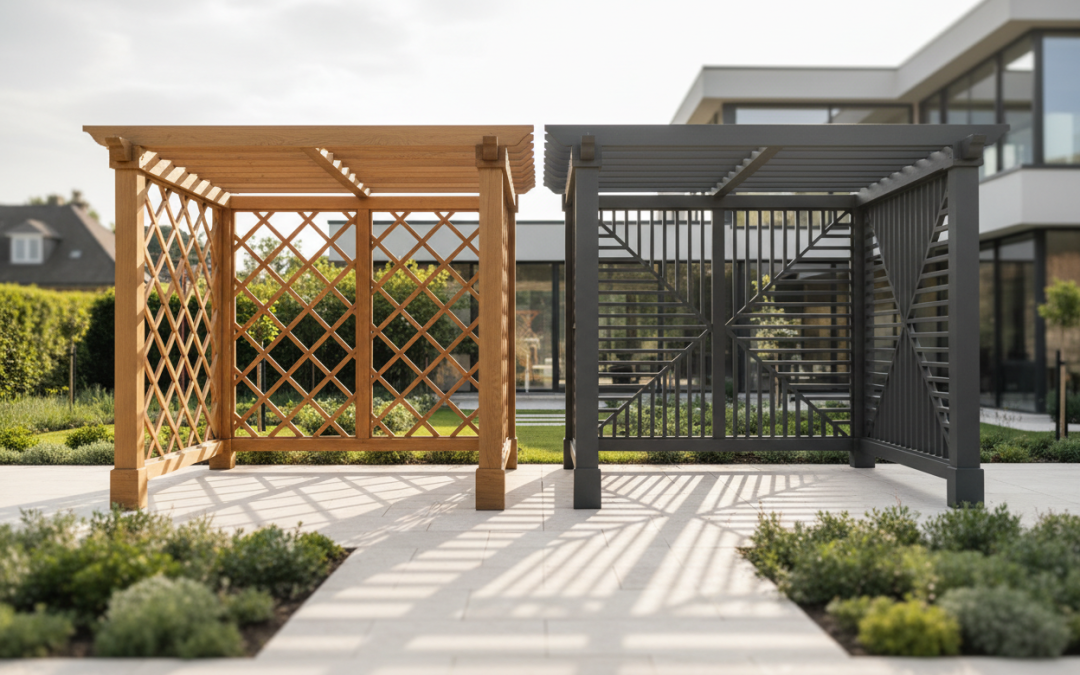
Custom Pergola Lattice Patterns: Traditional vs Modern Approaches
Table of Contents
1. Introduction to Pergola Lattice Design
2. Understanding Traditional Lattice Patterns
3. Classic Diamond and Square Grid Designs
4. Exploring Modern Lattice Approaches
5. Contemporary Geometric and Asymmetrical Patterns
6. Material Choices for Different Design Styles
7. Installation Considerations and Techniques
8. Choosing the Right Pattern for Your Space
9. Maintenance and Longevity Factors
10. Cost Comparison: Traditional vs Modern
11. Conclusion
12. Frequently Asked Questions
Introduction to Pergola Lattice Design
When it comes to transforming your outdoor space, few elements are as versatile and visually striking as a well-designed pergola with custom lattice work. The lattice pattern you choose can dramatically influence the overall aesthetic of your outdoor living area, creating everything from intimate garden retreats to bold architectural statements.
I’ve spent years working with homeowners who struggle with this very decision: should they embrace the timeless appeal of traditional lattice patterns or venture into the exciting world of modern design approaches? The truth is, there’s no one-size-fits-all answer. Your choice depends on your home’s architecture, personal style preferences, and how you envision using your outdoor space.
Today, we’ll explore both traditional and modern pergola lattice patterns, examining their unique characteristics, benefits, and potential drawbacks. Whether you’re planning a new installation or considering an upgrade to your existing pergola, this comprehensive guide will help you make an informed decision that you’ll love for years to come.
Understanding Traditional Lattice Patterns
Traditional pergola lattice patterns have stood the test of time for good reason. These designs draw inspiration from classical architecture and garden design principles that have been refined over centuries. When we talk about traditional patterns, we’re referring to symmetrical, repetitive designs that create a sense of order and harmony in outdoor spaces.
The beauty of traditional lattice work lies in its predictability and balance. These patterns typically feature consistent spacing, uniform angles, and geometric regularity that appeals to our innate sense of proportion. They work particularly well with colonial, Victorian, craftsman, and other traditional home styles, creating a cohesive look that feels both established and welcoming.
What makes traditional patterns so enduring is their ability to complement rather than compete with their surroundings. They provide structure and visual interest without overwhelming the space, making them an excellent choice for gardeners who want their plants and flowers to take center stage while still maintaining an elegant architectural framework.
Classic Diamond and Square Grid Designs
The diamond lattice pattern remains one of the most popular traditional choices, and for good reason. Created by intersecting diagonal slats at 45-degree angles, this pattern creates a series of diamond-shaped openings that provide excellent support for climbing plants while maintaining an open, airy feel.
Diamond patterns work exceptionally well for privacy screening because the diagonal lines create visual depth while still allowing light and air circulation. The spacing between slats can be adjusted to provide more or less privacy, making this pattern incredibly versatile for different applications. I often recommend diamond patterns for pergolas adjacent to neighboring properties where some screening is desired without creating a completely closed-off feeling.
Square grid patterns, on the other hand, offer a more structured, architectural appearance. These designs feature horizontal and vertical slats that intersect at right angles, creating clean, geometric squares throughout the lattice panel. This pattern works beautifully with modern traditional homes and provides excellent support for heavier climbing plants like grape vines or robust flowering varieties.
The square grid’s strength lies in its simplicity and functionality. The horizontal elements can serve as natural shelving for potted plants or decorative elements, while the vertical components provide strong structural support. This makes square grids particularly popular for pergolas that will support significant plant weight or serve multiple functional purposes.
Exploring Modern Lattice Approaches
Modern pergola lattice design takes a completely different approach, embracing asymmetry, bold geometric shapes, and innovative material combinations. These contemporary patterns often challenge traditional notions of balance and symmetry, creating eye-catching focal points that make strong design statements.
Modern approaches tend to emphasize clean lines, minimalist aesthetics, and integration with contemporary architectural elements. Rather than simply providing plant support, modern lattice patterns are designed to be sculptural elements in their own right, adding artistic value to outdoor spaces even when not covered with vegetation.
These designs often incorporate varying slat widths, irregular spacing, and unexpected angles that create dynamic visual interest. The goal isn’t necessarily to blend into the background but to serve as a striking architectural feature that enhances the overall design of your outdoor living space.
Contemporary Geometric and Asymmetrical Patterns
Contemporary geometric patterns push the boundaries of traditional lattice design by incorporating complex shapes, varying dimensions, and unexpected combinations. Hexagonal patterns, for instance, create a honeycomb-like appearance that’s both organic and structured, offering a fresh take on geometric design that works beautifully with modern and transitional home styles.
Triangular patterns represent another exciting modern approach, creating dynamic visual movement through their angular geometry. These patterns can be arranged in various configurations – from simple repeating triangles to complex tessellated designs that create stunning optical effects as light and shadow play across the surface throughout the day.
Asymmetrical patterns represent the boldest departure from traditional design principles. These might feature irregular spacing, varying slat sizes, or completely non-repetitive designs that create unique, one-of-a-kind installations. While more challenging to design and install, asymmetrical patterns offer unlimited creative possibilities for homeowners who want their pergola to serve as a true artistic statement.
Mixed-pattern approaches combine elements from different design philosophies, perhaps featuring traditional diamond patterns in some sections and modern geometric elements in others. This approach allows for creative expression while maintaining some connection to classical design principles.
Material Choices for Different Design Styles
The material you choose for your pergola lattice can significantly impact both the appearance and longevity of your installation. Traditional patterns often work best with natural materials that complement their classical aesthetic, while modern designs may benefit from contemporary materials that enhance their bold, architectural character.
Cedar remains the gold standard for traditional lattice work due to its natural beauty, weather resistance, and workability. The warm tones and natural grain patterns of cedar complement traditional designs beautifully, and the material ages gracefully, developing an attractive silvery patina over time. Cedar also offers natural insect resistance and can last for decades with proper maintenance.
For modern applications, aluminum and steel lattice systems offer sleek, industrial aesthetics that complement contemporary design approaches. These materials can be powder-coated in virtually any color, allowing for bold design statements or subtle integration with existing architectural elements. Metal lattice systems also offer superior durability and require minimal maintenance compared to wood options.
Composite materials represent an interesting middle ground, offering the appearance of natural wood with enhanced durability and reduced maintenance requirements. Modern composite lattice systems can be manufactured in various colors and textures, making them suitable for both traditional and contemporary applications.
Installation Considerations and Techniques
The complexity of installation varies significantly between traditional and modern lattice patterns. Traditional designs, with their regular spacing and standard angles, are generally more straightforward to install and can often be accomplished by skilled DIY enthusiasts with proper planning and tools.
Diamond and square grid patterns typically use standard lumber dimensions and conventional joinery techniques, making them accessible for home improvement projects. The repetitive nature of these patterns also means that once you establish the spacing and angles for one section, the rest of the installation follows a predictable pattern.
Modern patterns, particularly asymmetrical or complex geometric designs, often require more advanced planning and installation techniques. These projects may benefit from professional installation, especially when working with metal materials or when precise measurements are critical to achieving the desired aesthetic effect.
Regardless of the pattern chosen, proper structural support is essential. The pergola frame must be designed to handle not only the weight of the lattice itself but also the additional load from climbing plants, wind pressure, and potential snow loads in colder climates. This is particularly important for modern designs that may use heavier materials or feature larger unsupported spans.
Choosing the Right Pattern for Your Space
Selecting the perfect lattice pattern requires careful consideration of multiple factors, including your home’s architectural style, the intended function of your pergola, and your personal aesthetic preferences. The key is finding a design that enhances rather than conflicts with your existing outdoor environment.
For homes with traditional architecture – think colonial, Victorian, or craftsman styles – classic diamond or square grid patterns typically provide the best visual harmony. These patterns complement the established design language of traditional homes and create a cohesive look that feels intentional and well-planned.
Contemporary homes with clean lines and minimalist aesthetics often benefit from modern lattice approaches. Geometric patterns, asymmetrical designs, or mixed-material installations can echo and enhance the bold architectural elements of modern construction while providing functional benefits.
Consider also the scale of your space and the viewing distances involved. Intricate patterns may be lost when viewed from a distance, while bold, simple designs can make strong statements even in large outdoor areas. The size of your pergola and its relationship to surrounding landscape elements should influence your pattern choice.
Maintenance and Longevity Factors
Long-term maintenance requirements differ significantly between traditional and modern lattice approaches, and these differences should factor into your decision-making process. Understanding the ongoing care requirements will help you choose a solution that fits your lifestyle and maintenance preferences.
Traditional wood lattice requires regular maintenance to preserve its appearance and structural integrity. This typically includes annual cleaning, periodic staining or sealing, and occasional repair or replacement of individual components. However, the modular nature of traditional patterns makes repairs relatively straightforward – damaged sections can often be replaced without affecting the entire installation.
Modern metal lattice systems generally require less frequent maintenance but may need specialized care when repairs are necessary. Powder-coated finishes can last for years without attention, but when they do require refinishing, the process may be more complex than simple wood staining.
The complexity of the pattern also affects maintenance requirements. Simple, repetitive patterns are easier to clean and maintain than intricate geometric designs with multiple angles and varying dimensions. Consider how easy it will be to access all areas of your lattice for cleaning and maintenance when making your selection.
Cost Comparison: Traditional vs Modern
Budget considerations often play a significant role in lattice pattern selection, and the cost differences between traditional and modern approaches can be substantial. Understanding these cost factors will help you make a decision that fits your financial parameters while still achieving your design goals.
Traditional lattice patterns typically offer the most cost-effective solution, particularly when using standard lumber dimensions and simple joinery techniques. The materials are readily available, and the installation techniques are well-established, potentially allowing for DIY installation that can significantly reduce overall project costs.
Modern patterns, especially those requiring custom fabrication or specialized materials, generally command higher prices. Complex geometric designs may require computer-aided design and precision manufacturing, while metal systems often involve higher material costs and specialized installation techniques.
However, it’s important to consider long-term costs as well as initial investment. Modern materials like aluminum or composite may have higher upfront costs but could provide savings over time through reduced maintenance requirements and longer service life.
Conclusion
The choice between traditional and modern pergola lattice patterns ultimately comes down to your personal style preferences, home architecture, functional requirements, and budget considerations. Both approaches offer unique benefits and can create stunning outdoor spaces when properly designed and installed.
Traditional patterns provide timeless appeal, proven functionality, and generally lower costs, making them excellent choices for homeowners who value classic aesthetics and straightforward maintenance. Modern approaches offer exciting design possibilities, contemporary appeal, and the opportunity to create truly unique outdoor spaces that serve as architectural focal points.
Remember that your pergola lattice will be a long-term investment in your outdoor living space. Take time to consider how different patterns will work with your existing landscape, how they’ll function for your intended uses, and how they’ll age and weather over time. Whether you choose the elegant simplicity of a traditional diamond pattern or the bold statement of a contemporary geometric design, the right choice is the one that enhances your enjoyment of your outdoor space for years to come.
Frequently Asked Questions
What is the most popular pergola lattice pattern?
The diamond lattice pattern remains the most popular choice due to its versatility, classic appearance, and excellent plant support capabilities. It works well with most architectural styles and provides good privacy screening while maintaining an open feel.
How much more expensive are modern lattice patterns compared to traditional ones?
Modern patterns can cost 30-100% more than traditional designs, depending on complexity and materials. Simple geometric patterns may only add 30-50% to the cost, while custom asymmetrical designs or premium materials can double the expense.
Can I mix traditional and modern elements in one pergola design?
Yes, mixed approaches can work beautifully when done thoughtfully. Consider using traditional patterns in main sections with modern accents, or transitioning from one style to another across different areas of a large pergola installation.
Which lattice pattern provides the best privacy screening?
Diamond patterns with closer spacing typically provide the best privacy while maintaining air circulation. Square grids can also offer good privacy, especially when combined with climbing plants or additional screening materials.
Do modern lattice patterns support climbing plants as well as traditional ones?
This depends on the specific design. Some modern patterns provide excellent plant support, while others prioritize aesthetics over functionality. Discuss plant support requirements with your designer if vegetation coverage is important to your design goals.
How long do different lattice materials typically last?
Cedar lattice can last 15-25 years with proper maintenance, while aluminum and steel systems can last 25-40 years or more. Composite materials typically fall somewhere in between, offering 20-30 years of service life with minimal maintenance.

Preston Hollow Dallas TX pergola companies near me | Keathley Landscaping

Richardson TX outdoor living space contractors | Keathley Landscaping

Mobile City TX custom pergolas | Keathley Landscaping

Murphy TX pergolas | Keathley Landscaping

Sachse TX custom patio cover cost | Keathley Landscaping

Lowry Crossing TX custom patio cover builders | Keathley Landscaping

Frisco TX outdoor living contractor | Keathley Landscaping

McKinney TX covered patios | Keathley Landscaping

Rockwall TX pergolas | Keathley Landscaping

McKinney TX pergola builders | Keathley Landscaping

Plano TX covered patios | Keathley Landscaping

Rockwall TX covered patios | Keathley Landscaping

Preston Hollow Dallas TX pergola builders | Keathley Landscaping

Lavon TX custom patio cover builders | Keathley Landscaping

Highland Park TX outdoor living contractor | Keathley Landscaping

Fate TX luxury custom pergolas | Keathley Landscaping

Lowry Crossing TX luxury custom pergolas | Keathley Landscaping

Lowry Crossing TX custom patio covers | Keathley Landscaping

Lowry Crossing TX outdoor living contractor | Keathley Landscaping

Dallas TX covered patios | Keathley Landscaping

Sachse TX covered patios | Keathley Landscaping

Allen TX pergola builders | Keathley Landscaping

Lucas TX pergolas | Keathley Landscaping

McKinney TX covered patio contractors near me | Keathley Landscaping

Wylie TX outdoor living contractor | Keathley Landscaping

Richardson TX custom patio cover cost | Keathley Landscaping

Dallas TX custom patio cover builders | Keathley Landscaping

Mobile City TX outdoor living contractor | Keathley Landscaping

lawn sod installation near me Frisco Texas

lawn sod installation Lavon Texas

sod installation service Fairview Texas

sod installation services Rockwall Texas

cost of sod installation Rose Hill Texas

new sod installation Allen Texas

new sod installation Fairview Texas

new sod installation Rowlett Texas

sod installation cost Allen Texas

new sod installation Plano Texas

lawn sod installation near me Richardson Texas

price of sod installation Wylie Texas

sod installation companies Rose Hill Texas

sod installation cost Fate Texas

price for sod installation Mobile City Texas

sod company Dallas Texas

sod installation service Murphy Texas

sod company Parker Texas

residential sod installation Murphy Texas

sod installation service Wylie Texas

sod company Rowlett Texas

sod lawn installation Garland Texas

cost for sod installation Frisco Texas

sod company McKinney Texas

cost for sod installation Lakewood Dallas Texas

lawn sod installation near me Fate Texas

sod installation cost Rose Hill Texas

price of sod installation Lucas Texas

landscape drainage Lowry Crossing Texas

outdoor drain repair Fate Texas

drain cleaning company near me Garland Texas

drainage contractors near me McKinney Texas

yard drainage contractors near me Plano Texas

drain Preston Hollow Dallas Texas

yard drainage contractors near me Lake Highlands Dallas Texas

drainage company Fate Texas

drainage Lucas Texas

drainage Fairview Texas

drain cleaning company near me Rowlett Texas

drain cleaning McKinney Texas

yard drainage specialist near me Wylie Texas

drainage company near me Wylie Texas

drainage Highland Park Texas

landscape drainage contractor near me Allen Texas

drain contractor Allen Texas

drainage contractors near me Lake Highlands Dallas Texas

outdoor drain repair Parker Texas

landscape drainage Preston Hollow Dallas Texas

channel drain cleaning Mobile City Texas

drainage Mobile City Texas

yard drainage specialist near me Lake Highlands Dallas Texas

outdoor drain repair Rockwall Texas

drainage company Rowlett Texas

yard drainage Rockwall Texas

landscape drainage contractor near me Parker Texas

Recent Comments