
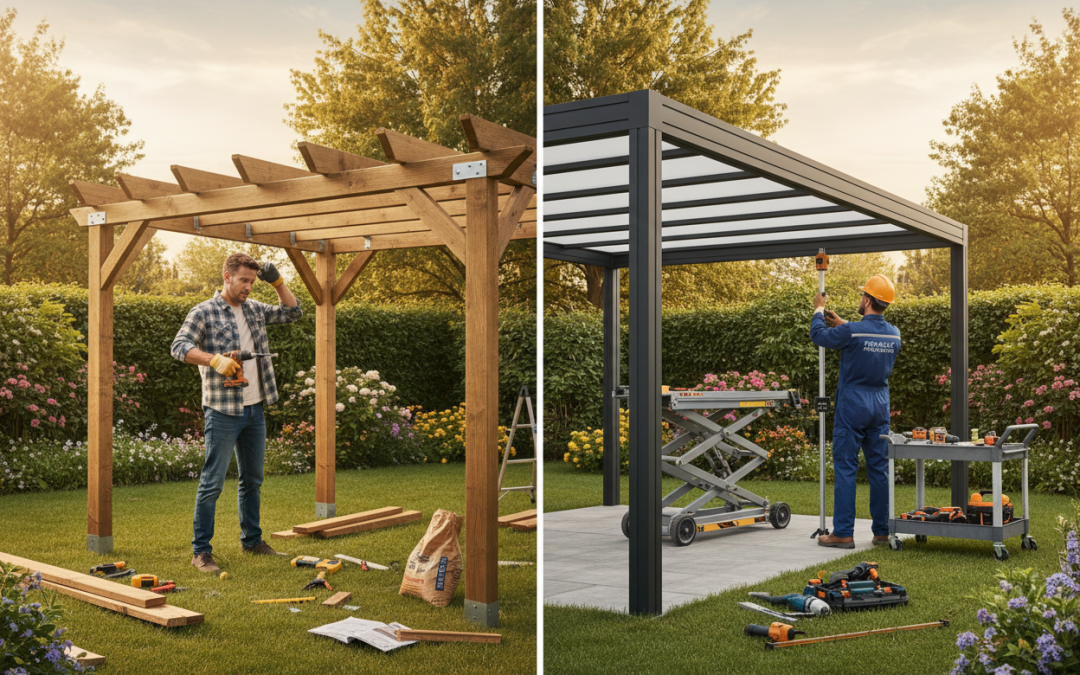
DIY vs Professional: When to Hire Experts for Custom Patio Covers
Table of Contents
1. Introduction
2. Understanding Custom Patio Covers
3. The DIY Route: Pros and Cons
4. Professional Installation: Benefits and Drawbacks
5. Key Factors to Consider Before Making Your Decision
6. When DIY Makes Sense
7. When to Call the Professionals
8. Cost Comparison: DIY vs Professional Installation
9. Common Mistakes to Avoid
10. Making the Final Decision
11. Frequently Asked Questions
12. Conclusion
Introduction
Picture this: you’re sipping your morning coffee, gazing out at your backyard, and suddenly it hits you. Your patio needs a cover. Whether it’s for protection from the blazing summer sun or those unexpected rain showers, a custom patio cover seems like the perfect solution. But then comes the million-dollar question that keeps many homeowners up at night: should you tackle this project yourself or hire professionals?
The decision between DIY and professional installation for custom patio covers isn’t just about saving money. It’s about understanding your skills, available time, local building codes, and the complexity of your specific project. Some homeowners thrive on weekend projects and have the expertise to handle structural work, while others prefer to invest in professional craftsmanship and peace of mind.
In this comprehensive guide, we’ll walk through everything you need to know to make an informed decision. From understanding the true costs involved to recognizing when a project exceeds DIY capabilities, you’ll have all the information needed to choose the right path for your custom patio cover installation.

Understanding Custom Patio Covers
Before diving into the DIY versus professional debate, let’s establish what we’re talking about when we say “custom patio covers.” These aren’t your standard pop-up canopies or basic awnings you might find at a big box store. Custom patio covers are permanent or semi-permanent structures designed specifically for your outdoor space.
These covers come in various materials including aluminum, wood, vinyl, and composite materials. They can range from simple lean-to designs that attach to your house to complex freestanding pergolas with intricate lattework. Some feature solid roofing for complete weather protection, while others use slats or louvers for filtered sunlight.
The “custom” aspect means these covers are tailored to your specific measurements, aesthetic preferences, and functional needs. This customization is what makes the DIY versus professional decision so crucial – you’re not just assembling a kit, you’re creating a structure that needs to integrate seamlessly with your home’s architecture and meet local building requirements.
The DIY Route: Pros and Cons
Taking on a custom patio cover as a DIY project can be incredibly rewarding, but it’s not for everyone. Let’s examine both sides of this coin honestly.
The most obvious advantage of going DIY is cost savings. You’ll eliminate labor costs, which typically account for 40-60% of a professional installation. For a homeowner with solid carpentry skills and the right tools, this can mean savings of several thousand dollars on a substantial project.
There’s also the satisfaction factor that can’t be quantified in dollars. Building something with your own hands, especially something as visible and functional as a patio cover, provides a sense of accomplishment that resonates every time you use the space. You’ll know every joint, every measurement, and every decision that went into creating your outdoor sanctuary.
However, the challenges are real and significant. Custom patio covers often require permits and must meet specific building codes. Understanding load requirements, proper footings, and structural engineering isn’t intuitive – it requires knowledge that many DIYers simply don’t possess. A mistake in structural calculations could result in a dangerous installation that fails during the first strong wind or heavy snow load.
Time is another major consideration. What professionals might complete in a few days could take weekends spread across several months for a DIYer. Weather delays, learning curves, and the reality of working around a full-time job can stretch projects much longer than anticipated.
Professional Installation: Benefits and Drawbacks
Hiring professionals brings expertise that’s hard to replicate. Licensed contractors understand local building codes, have established relationships with inspectors, and carry insurance that protects you from liability. They’ve likely installed hundreds of similar structures and can anticipate challenges before they become problems.
Professional installations typically come with warranties that cover both materials and workmanship. If something goes wrong six months after installation, you have recourse. This peace of mind is invaluable, especially for a permanent structure attached to your home.
The efficiency factor is substantial too. Professional crews have specialized tools, established workflows, and the experience to complete installations quickly and correctly. What might take you several weekends, they can often finish in a matter of days.
The primary drawback, obviously, is cost. Professional installation will always be more expensive than DIY when you’re only comparing upfront expenses. However, this comparison can be misleading if you factor in the cost of mistakes, tool purchases, and the value of your time.
Another consideration is control. When you hire professionals, you’re trusting their judgment on many details. While reputable contractors will consult with you throughout the process, you won’t have the same level of hands-on involvement as a DIY project.
Key Factors to Consider Before Making Your Decision
Several critical factors should influence your decision, and honestly assessing each one will guide you toward the right choice for your situation.
Your skill level tops this list. Be brutally honest about your carpentry abilities. Have you successfully completed structural projects before? Do you understand concepts like load-bearing calculations, proper flashing installation, and foundation requirements? Building a patio cover isn’t like assembling furniture – mistakes can be costly and dangerous.
Tool availability is another practical consideration. Custom patio cover installation requires more than a basic tool collection. You’ll likely need a circular saw, drill, level, measuring tools, and potentially specialized equipment for concrete work. If you need to purchase or rent significant tools, factor these costs into your DIY budget.
Local building codes and permit requirements vary significantly by location. Some areas have strict regulations about permanent structures, setback requirements, and height restrictions. Navigating the permit process can be complex, and inspections are typically required at various stages. Professional contractors handle this bureaucracy as part of their service.
Your available time is crucial too. Custom patio covers aren’t weekend projects – they’re substantial undertakings that require consistent progress to avoid weather-related delays and material deterioration. If you can only work sporadically, the project timeline could stretch uncomfortably long.
When DIY Makes Sense
Certain scenarios strongly favor the DIY approach, and recognizing these situations can help you make the right choice.
If you have extensive carpentry or construction experience, DIY becomes much more viable. Former contractors, skilled tradespeople, or serious hobbyists with multiple successful projects under their belts have the foundation needed for a custom patio cover installation.
Simple designs with straightforward attachment methods are ideal for DIY. A basic lean-to cover that attaches to an existing structure with standard lumber dimensions falls within many homeowners’ capabilities. The more complex the design – multiple angles, custom cuts, or freestanding structures – the more it favors professional installation.
When permits aren’t required or are minimal, DIY becomes more attractive. Some jurisdictions don’t require permits for certain types of patio covers under specific size thresholds. However, always verify local requirements before assuming you can skip the permit process.
Budget constraints sometimes make DIY the only viable option. If professional installation costs exceed your budget but you have the skills and time to tackle the project yourself, DIY might be your path to getting the patio cover you want.
When to Call the Professionals
Certain red flags should immediately point you toward professional installation, regardless of your DIY enthusiasm.
Complex structural requirements top this list. If your patio cover needs to span large distances without support posts, attach to multiple surfaces, or integrate with existing rooflines, professional engineering and installation become essential. These scenarios involve calculations and techniques that extend far beyond typical DIY capabilities.
When electrical work is involved, professionals become necessary unless you’re a licensed electrician. Many patio covers incorporate lighting, fans, or electrical outlets. While some homeowners might tackle basic wiring, the integration with your home’s electrical system typically requires professional expertise and permits.
Challenging site conditions favor professional installation. Sloped lots, poor soil conditions, or areas requiring significant excavation benefit from contractor experience and equipment. Professionals have the tools and knowledge to handle these complications efficiently.
Time constraints often necessitate professional help. If you need your patio cover completed quickly for an event or before weather changes, professional crews can meet tight deadlines that DIY projects simply can’t match.
Cost Comparison: DIY vs Professional Installation
Understanding the true cost comparison requires looking beyond initial material expenses. Let’s break down the real numbers you should consider.
For a typical 12×16 foot aluminum patio cover, materials might cost between $2,000 and $4,000 depending on quality and features. Professional installation could add another $3,000 to $6,000 in labor costs, bringing the total to $5,000 to $10,000.
However, DIY costs extend beyond materials. Tool purchases or rentals can add $200 to $800 to your project. Permit fees, if required, typically run $50 to $300. Don’t forget the concrete for footings, hardware, and miscellaneous supplies that always seem to add up.
The hidden costs of mistakes can be substantial. Incorrectly sized footings might require expensive repairs. Poor measurements could result in wasted materials. Structural issues discovered during inspection could necessitate professional intervention anyway, often at premium rates.
Consider your time investment at your hourly rate. If the project takes 40 hours and your time is worth $25 per hour, that’s $1,000 in opportunity cost. For higher-earning professionals, this calculation can quickly favor professional installation.
Common Mistakes to Avoid
Whether you choose DIY or professional installation, understanding common pitfalls can save you significant headaches and expenses.
Skipping the permit process is a costly mistake that affects both DIY and professional projects. Even if you think your cover is too small to require permits, check with local authorities. Unpermitted structures can create problems when selling your home and may not be covered by insurance in case of damage.
Inadequate foundation preparation causes long-term problems. Patio covers need proper footings sized for local soil conditions and climate. Skimping on foundation work to save money often results in settling, shifting, or structural failure down the road.
Poor material selection can doom even well-executed installations. Choosing materials inappropriate for your climate or failing to account for expansion and contraction can lead to premature failure. Research material properties and local performance before making selections.
Ignoring drainage considerations creates water problems that can damage both your patio cover and your home. Proper slope, gutters, and drainage planning should be integral to your design, not afterthoughts.
Making the Final Decision
After weighing all these factors, the decision often comes down to a few key questions. Do you have the skills, tools, and time to complete the project safely and correctly? Are you comfortable navigating permit processes and building inspections? Can you honestly assess whether your desired design exceeds your capabilities?
For many homeowners, a hybrid approach offers the best compromise. You might hire professionals for the structural elements and permits while handling finishing work yourself. Alternatively, you could tackle a simplified design that fits your skill level rather than attempting a complex installation that requires professional expertise.
Remember that this decision isn’t just about the initial installation. Consider long-term implications like warranty coverage, insurance requirements, and potential resale value impact. A professionally installed patio cover with proper permits and warranties might provide better long-term value even if it costs more upfront.
Frequently Asked Questions
Do I need a permit for a custom patio cover?
Permit requirements vary by location and project scope. Most permanent structures attached to your home require permits, while some freestanding covers under certain size limits might not. Always check with your local building department before starting any project.
How long does it take to install a custom patio cover?
Professional installations typically take 2-5 days depending on complexity. DIY projects often span several weekends or months, depending on your available time and skill level.
What’s the average cost difference between DIY and professional installation?
DIY projects typically cost 40-60% less than professional installation when comparing upfront expenses. However, factor in tools, permits, your time value, and potential mistake costs for a more accurate comparison.
Can I install a patio cover myself if I have no construction experience?
Simple designs might be manageable for motivated beginners, but custom patio covers often involve structural considerations that require experience. Consider starting with smaller projects to build skills before tackling a major installation.
What tools do I need for DIY patio cover installation?
Essential tools include a circular saw, drill, level, measuring tape, post-hole digger, and concrete mixing equipment. Specialized tools might be needed depending on your specific design and materials.
How do I know if my patio cover design is structurally sound?
Complex designs should be reviewed by a structural engineer. Many building departments require engineered plans for permits. If you’re unsure about structural requirements, consult with professionals before proceeding.
Conclusion
The decision between DIY and professional installation for your custom patio cover ultimately depends on your unique combination of skills, time, budget, and project complexity. There’s no universally right answer – only the right answer for your specific situation.
If you’re an experienced DIYer with the necessary tools, time, and a relatively straightforward design, tackling the project yourself can provide significant savings and personal satisfaction. However, don’t let enthusiasm override honest assessment of your capabilities. Structural work requires expertise that extends beyond general handiness.
Professional installation offers expertise, efficiency, warranties, and peace of mind that can justify the additional cost, especially for complex designs or when time constraints are important. The value of professional knowledge in navigating permits, building codes, and structural requirements often exceeds the labor cost savings of DIY.
Remember that your patio cover is a long-term investment in your home’s functionality and value. Whether you choose DIY or professional installation, prioritize quality, safety, and compliance with local requirements. A well-planned and properly executed patio cover will provide years of enjoyment and add value to your property, regardless of who installs it.
Take time to carefully evaluate your situation, get multiple quotes if considering professional installation, and don’t hesitate to consult with experts even if you’re leaning toward DIY. The right choice will give you a beautiful, functional patio cover that enhances your outdoor living space for years to come.

Garland TX custom pergolas | Keathley Landscaping

Parker TX custom patio cover cost | Keathley Landscaping

Mobile City TX outdoor living space contractors | Keathley Landscaping

Richardson TX custom patio cover builders | Keathley Landscaping

Highland Park TX custom patio cover builders | Keathley Landscaping

Dallas TX pergola companies near me | Keathley Landscaping

Fairview TX pergolas | Keathley Landscaping

Rose Hill TX custom patio cover cost | Keathley Landscaping

Garland TX custom wood pergola | Keathley Landscaping

Garland TX pergolas | Keathley Landscaping

Highland Park TX outdoor living contractor | Keathley Landscaping

Lake Highlands Dallas TX covered patios | Keathley Landscaping

Sachse TX custom patio covers | Keathley Landscaping

Mobile City TX outdoor living contractor | Keathley Landscaping

Rowlett TX covered patio contractors near me | Keathley Landscaping

Fairview TX custom wood pergola | Keathley Landscaping

Lavon TX pergola companies near me | Keathley Landscaping

Preston Hollow Dallas TX luxury custom pergolas | Keathley Landscaping

Allen TX custom pergolas | Keathley Landscaping

Highland Park TX custom patio covers | Keathley Landscaping

Garland TX outdoor living space contractors | Keathley Landscaping

Fate TX luxury custom pergolas | Keathley Landscaping

Rowlett TX custom patio cover cost | Keathley Landscaping

Rose Hill TX outdoor living space contractors | Keathley Landscaping

Rockwall TX covered patios | Keathley Landscaping

Murphy TX pergola builders | Keathley Landscaping

Preston Hollow Dallas TX custom patio covers | Keathley Landscaping

Mobile City TX custom patio covers | Keathley Landscaping

sod installation cost McKinney Texas

installation of sod cost Garland Texas

sod installation near me Lucas Texas

sod installation cost Mobile City Texas

sod installation service Richardson Texas

cost for sod installation Sachse Texas

sod installation companies Preston Hollow Dallas Texas

sod installation companies near me Lavon Texas

price of sod installation Wylie Texas

sod installation companies Rockwall Texas

installation of sod cost Lakewood Dallas Texas

residential sod installation Lake Highlands Dallas Texas

price of sod installation Lowry Crossing Texas

sod grass installation Dallas Texas

installation of sod cost Allen Texas

grass installation Highland Park Texas

sod installation cost Fairview Texas

grass installation Richardson Texas

sod installation services Rowlett Texas

new sod installation Rowlett Texas

price for sod installation Preston Hollow Dallas Texas

lawn sod installation near me Richardson Texas

sod installation service Lakewood Dallas Texas

installation of sod cost Highland Park Texas

cost of sod installation Dallas Texas

sod company Lucas Texas

sod installation service Preston Hollow Dallas Texas

sod lawn installation Murphy Texas

outdoor drain repair Highland Park Texas

drainage specialist near me Rowlett Texas

drain cleaning company near me Rowlett Texas

landscape drainage contractor near me Lavon Texas

drainage company near me Mobile City Texas

drainage Murphy Texas

landscape drain Lucas Texas

landscape drainage Dallas Texas

drain Lavon Texas

drainage contractors near me Wylie Texas

landscape drainage Lavon Texas

drainage company near me Fairview Texas

yard drainage specialist near me Fairview Texas

drain cleaning Garland Texas

landscape drain Preston Hollow Dallas Texas

drainage solutions near me Lowry Crossing Texas

channel drain cleaning Fate Texas

drainage company McKinney Texas

drain contractor Parker Texas

drainage solutions near me Murphy Texas

drainage solutions near me Lucas Texas

channel drain cleaning Highland Park Texas

drain Dallas Texas

channel drain cleaning Lakewood Dallas Texas

drainage company Wylie Texas

drain contractor Garland Texas

drainage company Plano Texas

Recent Comments