
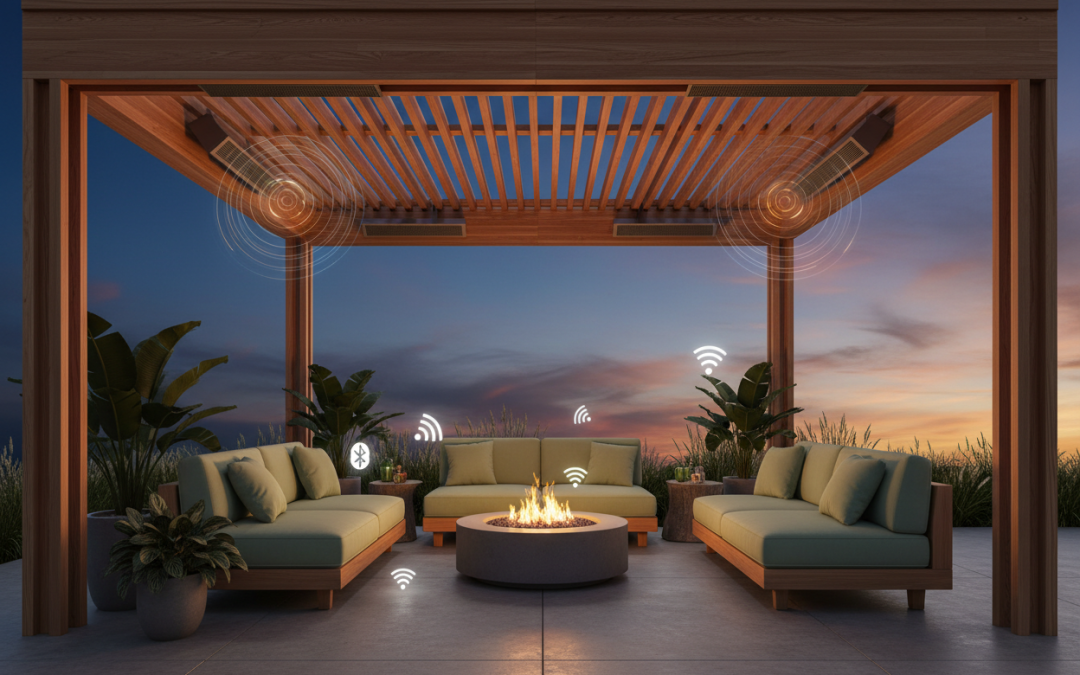
How to Incorporate Outdoor Audio Systems with Custom Patio Covers
Table of Contents
1. Introduction to Outdoor Audio and Patio Covers
2. Planning Your Outdoor Audio Integration
3. Choosing the Right Audio Equipment for Outdoor Use
4. Design Considerations for Custom Patio Covers
5. Installation Best Practices
6. Weatherproofing and Protection Strategies
7. Smart Home Integration Options
8. Maintenance and Long-term Care
9. Budget Considerations and Cost-Effective Solutions
10. Frequently Asked Questions
11. Conclusion
Introduction to Outdoor Audio and Patio Covers
There’s something magical about enjoying your favorite music while relaxing under a beautifully designed patio cover. The combination of custom outdoor structures and high-quality audio systems creates an entertainment oasis that extends your living space beyond the confines of your home’s walls.
Whether you’re hosting summer barbecues, enjoying quiet evening conversations, or simply unwinding after a long day, integrating outdoor audio systems with custom patio covers transforms your backyard into a sophisticated entertainment venue. This comprehensive guide will walk you through everything you need to know about creating the perfect harmony between form and function in your outdoor space.
The popularity of outdoor living spaces has skyrocketed in recent years, with homeowners increasingly viewing their patios, decks, and gardens as extensions of their interior living areas. Custom patio covers provide the structural foundation for these spaces, offering protection from the elements while creating defined areas for relaxation and entertainment. When you add carefully planned audio systems to these structures, you’re not just installing speakers – you’re creating an immersive environment that enhances every outdoor experience.
Planning Your Outdoor Audio Integration
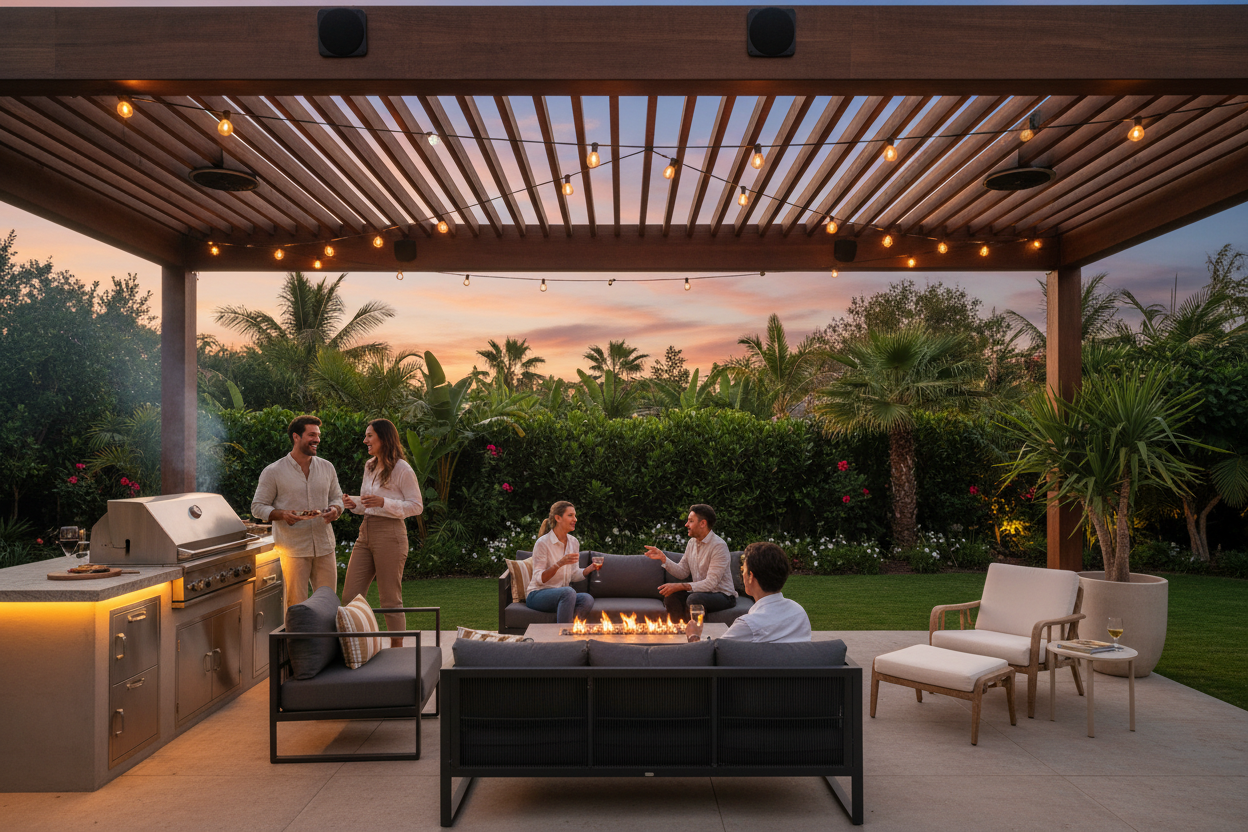
Before diving into equipment selection or installation details, successful outdoor audio integration begins with thoughtful planning. The key is to consider your space holistically, thinking about how sound will travel, where people will gather, and how the audio system will complement your patio cover design.
Start by mapping out your outdoor space and identifying the primary listening areas. Consider the natural flow of your patio – where do guests typically congregate? Are there multiple seating areas that need coverage? Understanding these patterns helps determine speaker placement and ensures even sound distribution throughout your covered area.
Think about the types of activities you’ll be hosting. Intimate dinner parties require different audio considerations than large gatherings or pool parties. Some homeowners prefer subtle background music that enhances conversation, while others want the capability for more dynamic sound during celebrations. Your usage patterns should directly influence your system design and speaker selection.
Don’t forget to consider your neighbors and local noise ordinances. Outdoor audio systems can carry sound much further than indoor setups, so planning for appropriate volume levels and directional sound control is essential for maintaining good relationships with those around you.
Choosing the Right Audio Equipment for Outdoor Use
Outdoor environments present unique challenges that indoor audio equipment simply isn’t designed to handle. Temperature fluctuations, humidity, dust, and precipitation can quickly damage standard speakers and electronics. Investing in equipment specifically designed for outdoor use is crucial for long-term performance and reliability.
Weather-resistant speakers come in various styles and configurations. Rock speakers blend seamlessly into landscaping, while architectural speakers can be mounted directly to patio cover structures. In-ceiling speakers work beautifully when integrated into solid patio roof designs, providing clean aesthetics and excellent sound distribution.
When selecting amplifiers and audio sources, look for equipment with appropriate IP ratings for outdoor use. Many modern systems offer wireless connectivity, reducing the need for extensive cable runs while providing convenient control options. Bluetooth and Wi-Fi enabled systems allow you to stream music directly from smartphones, tablets, or dedicated music servers.
Consider the power requirements for your chosen equipment. Outdoor spaces often require higher wattage to achieve the same perceived volume as indoor spaces due to the lack of walls and ceilings to contain and reflect sound. Plan for adequate amplification to ensure your system can deliver clear, distortion-free audio at your desired listening levels.
Design Considerations for Custom Patio Covers
The beauty of custom patio covers lies in their ability to accommodate integrated audio systems from the design phase. Unlike retrofitting existing structures, building audio considerations into your patio cover plans allows for seamless integration that enhances both aesthetics and functionality.
Structural elements of your patio cover can serve dual purposes, providing both support and speaker mounting points. Exposed beams offer natural locations for architectural speakers, while solid roof sections can accommodate in-ceiling installations. When working with your contractor or designer, discuss these integration opportunities early in the planning process.
Cable management is another crucial design consideration. Running speaker wires, power cables, and control wiring through the structure during construction is far easier and more aesthetically pleasing than surface-mounting cables later. Plan pathways for these cables that protect them from weather exposure while maintaining easy access for future maintenance.
Consider incorporating dedicated equipment storage areas within your patio cover design. Built-in cabinets or enclosures can house amplifiers, control systems, and other electronics while protecting them from the elements. These spaces should include adequate ventilation and easy access for maintenance and upgrades.
Installation Best Practices
Professional installation is highly recommended for outdoor audio systems, particularly when integrating with custom patio covers. The combination of electrical work, structural modifications, and weather protection requirements demands expertise to ensure safe, reliable operation.
Timing is everything when it comes to installation. Ideally, audio system installation should occur during patio cover construction, allowing for proper cable routing and structural integration. If you’re retrofitting an existing cover, careful planning can minimize visible modifications while still achieving excellent results.
Proper grounding and electrical safety are paramount in outdoor installations. All electrical components must be properly grounded and protected with appropriate circuit breakers and GFCI protection. Water and electricity don’t mix, so every connection point needs careful attention to weatherproofing and protection.
Speaker placement requires both technical knowledge and artistic sensibility. Speakers should be positioned to provide even coverage without creating hot spots or dead zones. The goal is natural, immersive sound that enhances the outdoor experience without drawing attention to the equipment itself.
Weatherproofing and Protection Strategies
Even with weather-resistant equipment, additional protection measures can significantly extend the life of your outdoor audio system. Your custom patio cover provides the first line of defense, but comprehensive weatherproofing goes beyond basic shelter.
Sealed enclosures for amplifiers and control equipment provide essential protection from moisture, dust, and temperature extremes. These enclosures should be ventilated to prevent heat buildup while maintaining weather protection. Consider using marine-grade enclosures designed for harsh outdoor environments.
All electrical connections should be made with waterproof connectors and sealed with appropriate materials. Even connections under covered areas can be exposed to wind-driven rain or condensation, so don’t skimp on protection measures.
Regular maintenance schedules help identify potential issues before they become major problems. Inspect connections, clean speaker grilles, and check for signs of wear or weather damage. Proactive maintenance is far less expensive than emergency repairs or equipment replacement.
Smart Home Integration Options
Modern outdoor audio systems can seamlessly integrate with smart home automation platforms, adding convenience and functionality to your outdoor entertainment space. Voice control, automated scheduling, and integration with lighting and climate systems create truly intelligent outdoor environments.
Popular platforms like Amazon Alexa, Google Assistant, and Apple HomeKit can control your outdoor audio system through voice commands or smartphone apps. Imagine adjusting volume, changing playlists, or switching between audio sources without leaving your comfortable patio chair.
Multi-zone audio systems allow different areas of your outdoor space to play different music or operate independently. You might have soft jazz in the dining area while the pool area plays more upbeat music for swimming and games. Smart systems make managing these zones intuitive and effortless.
Integration with other outdoor systems creates cohesive automation scenarios. Your audio system can automatically adjust when outdoor lighting dims for evening ambiance, or pause when security systems detect activity at entry points. These integrated experiences make outdoor living more enjoyable and convenient.
Maintenance and Long-term Care
Proper maintenance ensures your outdoor audio investment continues performing at its best for years to come. Outdoor environments are inherently challenging for electronic equipment, but regular care can prevent most issues and extend system life significantly.
Seasonal maintenance routines should include thorough cleaning of speaker grilles and enclosures, inspection of all connections, and testing of system components. Spring preparation might involve removing protective covers and checking for winter damage, while fall maintenance focuses on preparing systems for harsh weather ahead.
Keep spare parts and supplies on hand for quick repairs. Waterproof connectors, replacement fuses, and cleaning supplies can help address minor issues before they become major problems. Many outdoor audio problems can be prevented or quickly resolved with basic maintenance supplies.
Document your system configuration, including equipment models, installation details, and maintenance history. This information proves invaluable for troubleshooting issues, planning upgrades, or working with service technicians. A simple maintenance log can save time and money over your system’s lifetime.
Budget Considerations and Cost-Effective Solutions
Outdoor audio integration projects can range from modest investments to elaborate installations, depending on your goals, space size, and equipment choices. Understanding the cost factors helps you make informed decisions that balance performance with budget constraints.
Equipment costs typically represent the largest portion of your investment, but don’t overlook installation, weatherproofing, and infrastructure requirements. Professional installation might seem expensive initially, but it often prevents costly problems and ensures optimal performance from day one.
Phased installation approaches can spread costs over time while allowing you to enjoy your system during construction. Start with basic speaker installation and simple amplification, then add features like smart home integration, additional zones, or upgraded equipment as budget allows.
Consider the long-term value of quality equipment and professional installation. Cheaper alternatives might seem attractive initially, but outdoor environments quickly expose quality differences. Investing in appropriate equipment and proper installation typically provides better value over your system’s lifetime.
Frequently Asked Questions
Q: Can I install outdoor speakers myself, or do I need a professional?
A: While basic speaker installation might seem straightforward, outdoor audio systems involve electrical work, weatherproofing, and integration with patio structures that typically require professional expertise. DIY installation can void warranties and create safety hazards if not done properly.
Q: How do I protect my outdoor audio equipment during severe weather?
A: Quality outdoor equipment is designed to handle normal weather conditions, but severe storms may require additional precautions. Consider removable components for portable equipment, and ensure all electrical connections have proper surge protection.
Q: What’s the difference between weather-resistant and weatherproof audio equipment?
A: Weather-resistant equipment can handle exposure to moisture and temperature changes but isn’t designed for direct water contact. Weatherproof equipment provides higher protection levels and can typically handle direct water exposure, though specific IP ratings vary by manufacturer.
Q: How many speakers do I need for my patio cover area?
A: Speaker requirements depend on your space size, desired volume levels, and coverage goals. As a general rule, plan for speakers every 10-12 feet in covered areas, but professional assessment of your specific space provides the most accurate recommendations.
Q: Can I connect my outdoor speakers to my existing indoor audio system?
A: Connection is possible, but outdoor speakers often require different amplification and may need impedance matching to prevent damage to your indoor system. Dedicated outdoor amplification typically provides better performance and protects your existing equipment.
Q: What maintenance does an outdoor audio system require?
A: Regular maintenance includes cleaning speaker grilles, inspecting connections, testing system components, and checking weatherproofing integrity. Seasonal maintenance routines help prevent problems and ensure optimal performance throughout the year.
Conclusion
Integrating outdoor audio systems with custom patio covers creates an exceptional outdoor living experience that extends your home’s entertainment capabilities into the fresh air and natural beauty of your backyard. The key to success lies in thoughtful planning, quality equipment selection, and professional installation that considers both immediate needs and future expansion possibilities.
Remember that this integration is about more than just adding speakers to your outdoor space – it’s about creating an environment that enhances every moment you spend outside. Whether you’re hosting elaborate parties or enjoying quiet evenings with family, a well-designed outdoor audio system becomes an invisible enhancement that elevates your outdoor living experience.
The investment in properly integrated outdoor audio pays dividends in increased property value, enhanced entertainment capabilities, and countless hours of enjoyment in your personalized outdoor oasis. Take the time to plan carefully, invest in quality components, and work with experienced professionals to ensure your outdoor audio dreams become a lasting reality.
Your custom patio cover provides the perfect foundation for these audio enhancements, creating a sophisticated outdoor room that rivals any indoor entertainment space. With proper planning and execution, you’ll create an outdoor environment that becomes the favorite gathering place for family and friends for years to come.

Garland TX custom patio cover cost | Keathley Landscaping

Rockwall TX custom patio cover cost | Keathley Landscaping

Rose Hill TX covered patios | Keathley Landscaping

Dallas TX custom pergolas | Keathley Landscaping

Lake Highlands Dallas TX pergolas | Keathley Landscaping

Wylie TX pergola builders | Keathley Landscaping

Rockwall TX custom patio covers | Keathley Landscaping

Lucas TX custom pergolas | Keathley Landscaping

Lowry Crossing TX custom wood pergola | Keathley Landscaping

Plano TX covered patios | Keathley Landscaping

Frisco TX pergola builders | Keathley Landscaping

Garland TX custom pergolas | Keathley Landscaping

Allen TX custom patio cover builders | Keathley Landscaping

Wylie TX pergolas | Keathley Landscaping

Lakewood Dallas TX covered patio contractors near me | Keathley Landscaping

Highland Park TX pergolas | Keathley Landscaping

Fairview TX outdoor living space contractors | Keathley Landscaping

Murphy TX custom pergolas | Keathley Landscaping

Lakewood Dallas TX custom patio covers | Keathley Landscaping

Lowry Crossing TX pergola companies near me | Keathley Landscaping

Richardson TX custom pergolas | Keathley Landscaping

Highland Park TX outdoor living contractor | Keathley Landscaping

Mobile City TX custom patio cover builders | Keathley Landscaping

Mobile City TX covered patio contractors near me | Keathley Landscaping

Preston Hollow Dallas TX custom pergolas | Keathley Landscaping

Richardson TX outdoor living space contractors | Keathley Landscaping

Rowlett TX custom patio cover cost | Keathley Landscaping

McKinney TX pergola builders | Keathley Landscaping

grass contractor Highland Park Texas

sod grass installation Lakewood Dallas Texas

sod installation companies near me Richardson Texas

sod installation services Rowlett Texas

lawn sod installation near me Wylie Texas

sod installation near me Plano Texas

sod company Rose Hill Texas

sod grass installation Fairview Texas

sod installation cost Lakewood Dallas Texas

sod installation services Rose Hill Texas

lawn sod installation near me Fate Texas

price of sod installation Plano Texas

cost of sod and installation Wylie Texas

lawn sod installation Lake Highlands Dallas Texas

cost of sod and installation Richardson Texas

grass contractor Lavon Texas

sod installation companies Preston Hollow Dallas Texas

price for sod installation Murphy Texas

installation of sod cost Allen Texas

sod installation companies near me Frisco Texas

sod installation company Lavon Texas

sod installation companies near me Mobile City Texas

lawn sod installation Rowlett Texas

price for sod installation Parker Texas

cost of sod and installation Sachse Texas

sod grass installation Mobile City Texas

sod installation companies near me Plano Texas

cost of sod installation Murphy Texas

drain Richardson Texas

landscape drainage contractor near me Highland Park Texas

drain cleaning Lowry Crossing Texas

drainage company near me Lucas Texas

drainage contractors near me Fate Texas

drain cleaning Lakewood Dallas Texas

drain contractor Preston Hollow Dallas Texas

yard drainage contractors near me Mobile City Texas

drain Lakewood Dallas Texas

yard drainage specialist near me Allen Texas

channel drain cleaning Allen Texas

drainage Mobile City Texas

landscape drain Murphy Texas

drainage Lowry Crossing Texas

drainage company near me Fairview Texas

yard drainage specialist near me Murphy Texas

yard drainage contractors near me Dallas Texas

channel drain cleaning Dallas Texas

drain cleaning company near me Lakewood Dallas Texas

yard drainage specialist near me Mobile City Texas

drainage specialist near me Preston Hollow Dallas Texas

drainage contractors near me Wylie Texas

drain cleaning Plano Texas

drain cleaning Richardson Texas

outdoor drain repair Fate Texas

drainage company Sachse Texas

landscape drainage contractor near me Allen Texas

Recent Comments