
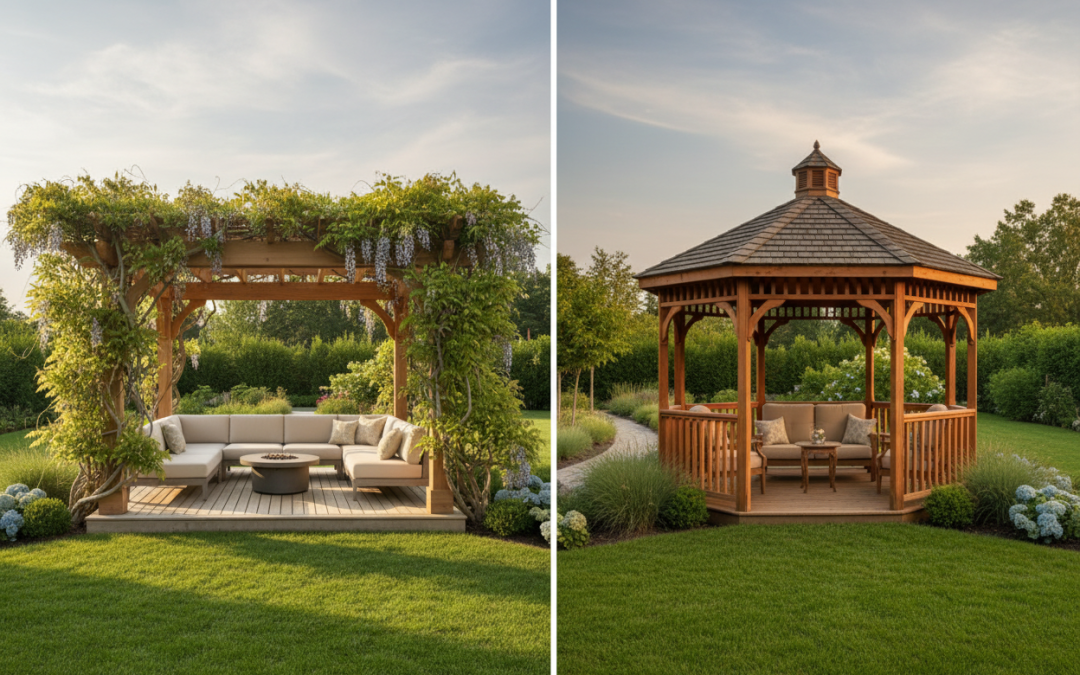
Custom Pergolas vs Gazebos: Which Is Right for Your Backyard?
Table of Contents
1. Introduction: Creating Your Perfect Outdoor Sanctuary
2. Understanding Pergolas: Open-Air Elegance
3. Exploring Gazebos: Complete Outdoor Rooms
4. Design Flexibility and Customization Options
5. Cost Considerations: Budget Planning for Your Project
6. Installation and Maintenance Requirements
7. Climate and Weather Protection Factors
8. Space Requirements and Property Layout
9. Resale Value and Property Enhancement
10. Making the Final Decision: Key Factors to Consider
11. Frequently Asked Questions
12. Conclusion: Your Path to Backyard Transformation
Introduction: Creating Your Perfect Outdoor Sanctuary
Picture this: you’re sipping your morning coffee in a beautiful outdoor space that perfectly complements your home and lifestyle. Whether you’re dreaming of intimate dinner parties under twinkling lights or quiet afternoon reading sessions surrounded by climbing vines, the right outdoor structure can transform your backyard into a personal paradise.
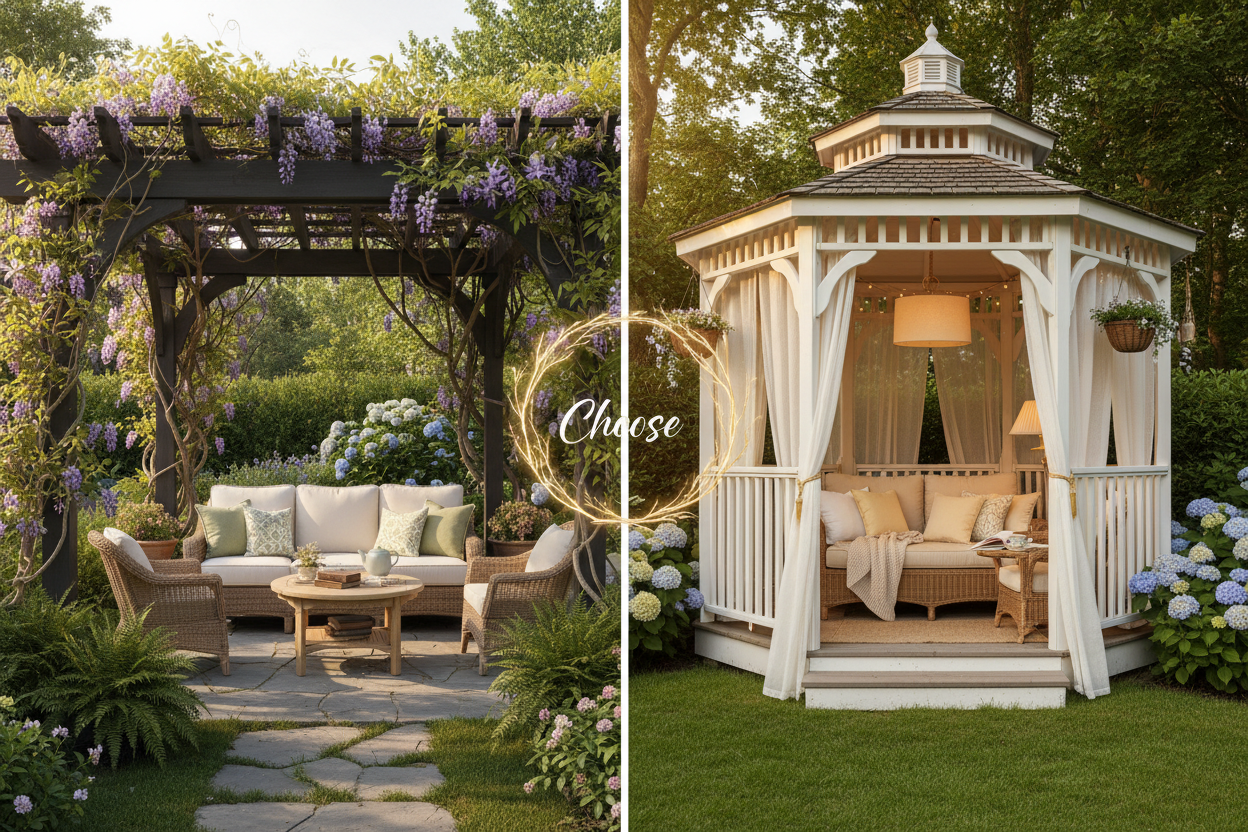
When it comes to enhancing your outdoor living space, two popular options consistently top homeowners’ wish lists: custom pergolas and gazebos. Both structures offer unique advantages and can dramatically improve your property’s functionality and aesthetic appeal. However, choosing between these outdoor additions isn’t always straightforward.
The decision between a custom pergola and a gazebo depends on multiple factors, including your budget, space requirements, design preferences, and intended use. Understanding the distinctive characteristics of each structure will help you make an informed choice that aligns with your vision and practical needs.
Understanding Pergolas: Open-Air Elegance
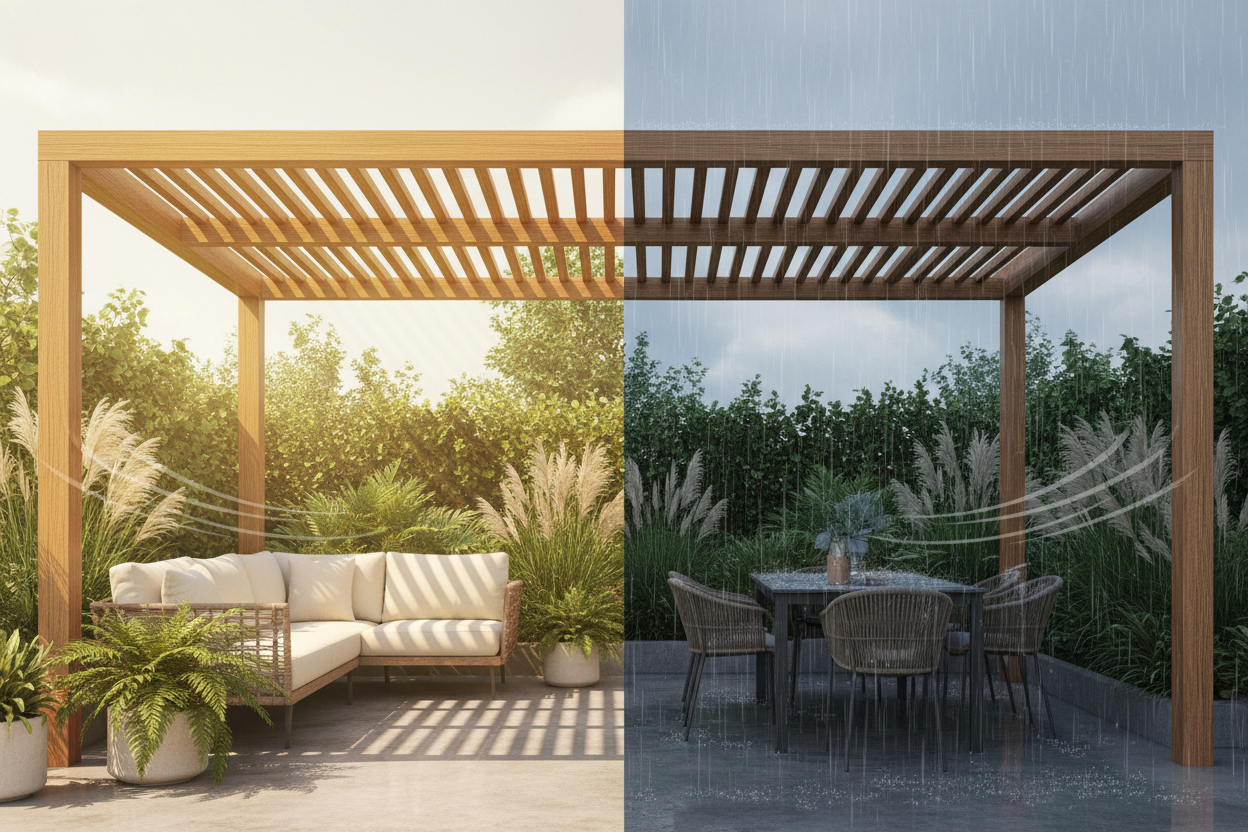
A pergola is an open outdoor structure consisting of vertical posts supporting horizontal beams and an open lattice roof. This classic architectural element has roots dating back to ancient Egypt and continues to be a favorite among modern homeowners seeking to add sophistication to their outdoor spaces.
The beauty of custom pergolas lies in their versatility and adaptability. Unlike pre-fabricated options, custom pergolas can be designed to fit your exact specifications, whether you’re working with a compact urban patio or a sprawling suburban yard. The open-roof design creates a perfect balance between indoor comfort and outdoor freedom, allowing natural light to filter through while providing partial shade.
Modern pergola designs have evolved far beyond traditional wooden structures. Today’s custom pergolas incorporate various materials, including aluminum, steel, vinyl, and composite materials, offering enhanced durability and reduced maintenance requirements. Many homeowners choose to add retractable canopies, climbing plants, or string lights to personalize their pergola experience further.
The architectural flexibility of pergolas makes them ideal for multiple applications. They work beautifully as standalone features, attached to homes as patio covers, or integrated into larger landscape designs. This adaptability has made pergolas increasingly popular among homeowners looking to create defined outdoor living areas without the commitment of fully enclosed structures.
Exploring Gazebos: Complete Outdoor Rooms
Gazebos represent a more traditional approach to outdoor structures, featuring a fully enclosed roof and often including built-in seating or decorative elements. These freestanding structures create intimate outdoor rooms that offer complete protection from the elements while maintaining a connection to the surrounding landscape.
The enclosed roof design of gazebos provides superior weather protection compared to pergolas, making them ideal for regions with unpredictable weather patterns or intense sun exposure. This enhanced protection extends the usability of your outdoor space throughout various seasons and weather conditions.
Custom gazebos offer remarkable design flexibility, allowing homeowners to create structures that perfectly complement their architectural style and functional requirements. From Victorian-inspired octagonal designs to contemporary rectangular structures, custom gazebos can be tailored to match your home’s aesthetic while providing a focal point for your landscape design.
The enclosed nature of gazebos creates natural boundaries that define outdoor living spaces effectively. This characteristic makes them particularly appealing for homeowners who want to create distinct areas for entertaining, relaxation, or outdoor dining. The sense of enclosure also provides psychological comfort and privacy that open structures cannot match.
Design Flexibility and Customization Options
When comparing custom pergolas and gazebos, design flexibility often becomes a deciding factor for many homeowners. Both structures offer extensive customization possibilities, but they cater to different aesthetic preferences and functional requirements.
Custom pergolas excel in their ability to integrate seamlessly with existing architecture and landscape features. Their open design allows for creative additions like retractable shade systems, integrated lighting, privacy screens, and support systems for climbing plants. The modular nature of pergola construction also enables future modifications and expansions relatively easily.
Gazebos, while potentially more complex to modify after construction, offer incredible initial customization opportunities. Custom gazebo designs can incorporate built-in seating, decorative railings, cupolas, weather vanes, and specialized roofing materials. The enclosed structure also provides opportunities for electrical installations, ceiling fans, and more sophisticated lighting systems.
Material selection plays a crucial role in both pergola and gazebo customization. Wood remains a popular choice for its natural beauty and versatility, but modern alternatives like powder-coated aluminum and engineered composites offer superior durability and lower maintenance requirements. The choice of materials significantly impacts both the initial cost and long-term maintenance considerations.
Cost Considerations: Budget Planning for Your Project
Understanding the financial implications of your outdoor structure choice is essential for making an informed decision. The cost difference between custom pergolas and gazebos can be substantial, influenced by factors such as size, materials, complexity of design, and local labor rates.
Generally speaking, custom pergolas tend to be more budget-friendly than gazebos due to their simpler construction requirements and reduced material needs. A basic custom pergola might start around $3,000 to $5,000, while more elaborate designs with premium materials and features can range from $8,000 to $15,000 or more.
Custom gazebos typically require a higher initial investment due to their more complex construction, complete roofing systems, and often more detailed finishing work. Basic custom gazebos usually start around $5,000 to $8,000, with luxury designs potentially reaching $20,000 or more, depending on size and features.
When evaluating costs, consider the long-term value proposition of each option. While gazebos may require a higher upfront investment, their complete weather protection might reduce maintenance costs over time. Pergolas, while potentially less expensive initially, may require more frequent maintenance if constructed from natural materials or if you choose to incorporate living elements like climbing plants.
Installation and Maintenance Requirements
The installation process and ongoing maintenance requirements differ significantly between pergolas and gazebos, factors that can influence both your immediate project timeline and long-term ownership experience.
Pergola installation is generally more straightforward, often requiring fewer permits and less complex foundation work. Many pergola designs can be installed over existing patios or decks, reducing site preparation requirements. The open structure also makes the installation process more accessible for both professional contractors and ambitious DIY enthusiasts.
Gazebo installation typically involves more comprehensive planning and preparation. The enclosed roof structure requires more robust foundations and may trigger additional permit requirements in many municipalities. The complexity of gazebo construction usually necessitates professional installation, particularly for custom designs with specialized features.
Maintenance requirements vary based on material choices and environmental factors. Wooden structures, whether pergolas or gazebos, require regular staining or sealing to maintain their appearance and structural integrity. Modern materials like aluminum or composite options significantly reduce maintenance requirements but may come with higher upfront costs.
The open design of pergolas can make cleaning and maintenance more accessible, while the enclosed nature of gazebos might require more effort to maintain interior spaces and ensure proper ventilation to prevent moisture-related issues.
Climate and Weather Protection Factors
Your local climate plays a crucial role in determining which outdoor structure will best serve your needs throughout the year. Understanding how pergolas and gazebos perform in different weather conditions will help you make a choice that maximizes your outdoor enjoyment.
Pergolas provide partial shade and can offer some wind protection, but they’re not designed to shield you completely from rain or intense weather. This characteristic makes them ideal for mild climates or for homeowners who primarily use their outdoor spaces during pleasant weather conditions. The open design does allow for excellent air circulation, which can be beneficial in hot, humid climates.
Gazebos excel in providing comprehensive weather protection, making them suitable for regions with unpredictable weather patterns or extreme conditions. The complete roof coverage protects against rain, snow, and intense sun, extending the usability of your outdoor space throughout various seasons. However, the enclosed design might feel less comfortable in extremely hot climates without proper ventilation.
Consider how each structure handles wind loads in your area. Pergolas, with their open design, typically experience less wind resistance but may require additional anchoring in high-wind regions. Gazebos, while more wind-resistant due to their enclosed design, present larger surface areas that must be engineered to handle local wind conditions safely.
Space Requirements and Property Layout
The size and layout of your property significantly influence which outdoor structure will work best for your situation. Both pergolas and gazebos have different space requirements and visual impacts that should align with your property’s characteristics.
Pergolas can be more space-efficient, particularly when attached to existing structures like homes or garages. Their open design creates less visual weight in smaller yards and can actually make spaces appear larger by defining areas without creating barriers. This characteristic makes pergolas excellent choices for urban properties or smaller suburban lots.
Gazebos typically require more dedicated space and work best as focal points in larger yards. Their enclosed design creates a stronger visual presence that can overwhelm smaller properties but serves as an attractive centerpiece in more spacious settings. The freestanding nature of most gazebos also requires consideration of placement relative to property lines and existing structures.
Think about how each structure will integrate with your existing landscape features, outdoor furniture, and activity areas. Pergolas can easily accommodate dining sets, outdoor kitchens, or lounging areas while maintaining visual connection to the surrounding yard. Gazebos create more intimate, room-like spaces that might be better suited for quiet retreats or formal entertaining areas.
Resale Value and Property Enhancement
Investing in outdoor structures should consider both immediate enjoyment and potential impact on property value. Both custom pergolas and gazebos can enhance your property’s appeal, but they may attract different types of buyers and provide varying returns on investment.
Well-designed custom pergolas often appeal to a broad range of potential buyers due to their versatility and lower maintenance requirements. The open design doesn’t commit future owners to specific uses, allowing them to adapt the space to their preferences. Quality pergolas also tend to age well and can be easily updated with new features or finishes.
Custom gazebos can create strong emotional connections with potential buyers, particularly those seeking ready-made outdoor entertainment spaces. However, the more specific design and enclosed nature might not appeal to all buyers, potentially limiting their broad market appeal. The key is ensuring that gazebo designs complement rather than compete with the main house architecture.
Both structures can provide positive returns on investment when properly designed and constructed. The key factors influencing resale value include quality of materials, appropriateness to the property size and style, and overall condition at the time of sale. Professional design and installation typically yield better long-term value than DIY projects.
Making the Final Decision: Key Factors to Consider
Choosing between a custom pergola and a gazebo ultimately depends on weighing multiple factors against your specific needs, preferences, and circumstances. Consider creating a priority list of the most important features for your outdoor space project.
If budget is a primary concern, pergolas generally offer more value for money and can be built in phases, allowing you to spread costs over time. The ability to start with a basic structure and add features like retractable canopies or lighting systems later makes pergolas attractive for budget-conscious homeowners.
For maximum weather protection and year-round usability, gazebos typically provide superior performance. If you live in an area with frequent rain, intense sun, or unpredictable weather, the complete coverage of a gazebo might justify the higher investment.
Consider your intended use patterns. If you envision hosting large gatherings or want flexible outdoor space that can accommodate various activities, a pergola’s open design might serve you better. If you prefer intimate settings for quiet relaxation or formal entertaining, a gazebo’s enclosed atmosphere could be ideal.
Think about maintenance preferences and long-term commitment. If you enjoy gardening and don’t mind regular upkeep, a wooden pergola with climbing plants might appeal to you. If you prefer low-maintenance solutions, consider modern materials for either structure type.
Frequently Asked Questions
Q: How long does it take to install a custom pergola versus a gazebo?
A: Custom pergola installation typically takes 1-3 days for most designs, while custom gazebos usually require 3-7 days due to their more complex construction and roofing requirements. Weather conditions and site preparation needs can affect these timelines.
Q: Do I need permits for pergolas and gazebos?
A: Permit requirements vary by location and structure size. Generally, pergolas under certain size thresholds may not require permits, while gazebos more commonly trigger permit requirements due to their enclosed roofs. Always check with your local building department before beginning construction.
Q: Which structure adds more value to my home?
A: Both can add value when properly designed and constructed. Pergolas often have broader appeal due to their versatility, while gazebos can create stronger emotional connections. The key is choosing a structure that complements your property size and style appropriately.
Q: Can I convert a pergola to a gazebo later?
A: Converting a pergola to a gazebo is possible but often requires significant structural modifications, including foundation reinforcement and complete roof reconstruction. It’s usually more cost-effective to choose the right structure initially.
Q: What materials last longest for outdoor structures?
A: Aluminum and steel frameworks with powder coating offer excellent longevity with minimal maintenance. High-quality composite materials also provide durability. Traditional wood can last decades with proper maintenance but requires more ongoing care.
Q: How do I choose the right size for my outdoor structure?
A: Consider your typical usage patterns, available space, and proportion to your home and yard. A good rule of thumb is to ensure the structure doesn’t overwhelm your property while providing adequate space for your intended activities. Professional design consultation can help optimize sizing decisions.
Conclusion: Your Path to Backyard Transformation
The choice between a custom pergola and a gazebo isn’t about finding the objectively better option – it’s about discovering which structure aligns best with your lifestyle, budget, and vision for your outdoor space. Both pergolas and gazebos offer unique advantages that can transform your backyard into a more functional and beautiful extension of your home.
Custom pergolas shine when you want versatile, budget-friendly structures that integrate seamlessly with existing landscapes and architecture. Their open design promotes airflow and flexibility while providing partial shade and support for creative additions like climbing plants or retractable canopies.
Gazebos excel when complete weather protection and intimate outdoor rooms are priorities. Despite higher initial costs, they offer superior shelter and can serve as stunning focal points that define and enhance your property’s character.
Remember that either choice represents a long-term investment in your property and quality of life. Take time to consider your climate, space constraints, budget, and intended use patterns. Don’t hesitate to consult with design professionals who can help you visualize how each option would work with your specific property and needs.
Ultimately, the best outdoor structure is one that you’ll use and enjoy for years to come. Whether you choose the open elegance of a custom pergola or the sheltered comfort of a gazebo, you’re taking a meaningful step toward creating the backyard sanctuary you’ve always envisioned. Your future self will thank you for the thoughtful consideration you put into this important decision.

Sachse TX covered patio contractors near me | Keathley Landscaping

Allen TX covered patios | Keathley Landscaping

Lucas TX custom wood pergola | Keathley Landscaping

Murphy TX custom patio covers | Keathley Landscaping

Lowry Crossing TX pergola builders | Keathley Landscaping

Highland Park TX custom patio covers | Keathley Landscaping

Lake Highlands Dallas TX pergolas | Keathley Landscaping

Lakewood Dallas TX outdoor living space contractors | Keathley Landscaping

Dallas TX custom patio covers | Keathley Landscaping

Garland TX custom patio cover cost | Keathley Landscaping

Rockwall TX pergola builders | Keathley Landscaping

Wylie TX covered patio contractors near me | Keathley Landscaping

Rose Hill TX custom patio cover builders | Keathley Landscaping

Frisco TX pergola companies near me | Keathley Landscaping

Highland Park TX outdoor living contractor | Keathley Landscaping

Parker TX pergola builders | Keathley Landscaping

Rowlett TX custom pergolas | Keathley Landscaping

Allen TX outdoor living contractor | Keathley Landscaping

Lake Highlands Dallas TX covered patios | Keathley Landscaping

Parker TX custom pergolas | Keathley Landscaping

Lakewood Dallas TX custom patio cover cost | Keathley Landscaping

Garland TX outdoor living space contractors | Keathley Landscaping

Lowry Crossing TX outdoor living contractor | Keathley Landscaping

Richardson TX custom patio cover cost | Keathley Landscaping

Fairview TX custom wood pergola | Keathley Landscaping

Preston Hollow Dallas TX custom patio covers | Keathley Landscaping

Plano TX luxury custom pergolas | Keathley Landscaping

Frisco TX custom patio covers | Keathley Landscaping

grass installation McKinney Texas

sod installation companies Plano Texas

residential sod installation Sachse Texas

sod lawn installation Sachse Texas

residential sod installation Garland Texas

sod installation cost Sachse Texas

grass installation Garland Texas

sod grass installation Frisco Texas

new sod installation Mobile City Texas

lawn sod installation Parker Texas

lawn sod installation Sachse Texas

price for sod installation Mobile City Texas

sod installation service Garland Texas

sod company Plano Texas

sod installation services Sachse Texas

sod installation company near me Parker Texas

sod installation company Wylie Texas

sod installation services Lakewood Dallas Texas

sod grass installation Highland Park Texas

sod installation services Murphy Texas

residential sod installation Fate Texas

cost of sod and installation Dallas Texas

lawn sod installation Lake Highlands Dallas Texas

sod contractors Rose Hill Texas

sod installation near me Rowlett Texas

grass installation Dallas Texas

sod lawn installation Frisco Texas

cost of sod and installation Lavon Texas

outdoor drain repair Rockwall Texas

drain cleaning company near me Fate Texas

yard drainage specialist near me Allen Texas

landscape drain McKinney Texas

drain contractor Lucas Texas

drainage company near me Rockwall Texas

drain Rowlett Texas

drain contractor Rockwall Texas

drainage contractors near me Garland Texas

outdoor drain repair Fate Texas

channel drain cleaning Richardson Texas

yard drainage Rowlett Texas

landscape drain Rose Hill Texas

drain cleaning Dallas Texas

landscape drainage Richardson Texas

yard drainage contractors near me Murphy Texas

yard drainage Preston Hollow Dallas Texas

drainage solutions near me Garland Texas

channel drain cleaning Preston Hollow Dallas Texas

yard drainage specialist near me Plano Texas

yard drainage contractors near me Rose Hill Texas

drainage Lake Highlands Dallas Texas

drainage company near me Lowry Crossing Texas

drainage Dallas Texas

drainage specialist near me Plano Texas

drainage solutions near me Lowry Crossing Texas

drainage Richardson Texas

Recent Comments