
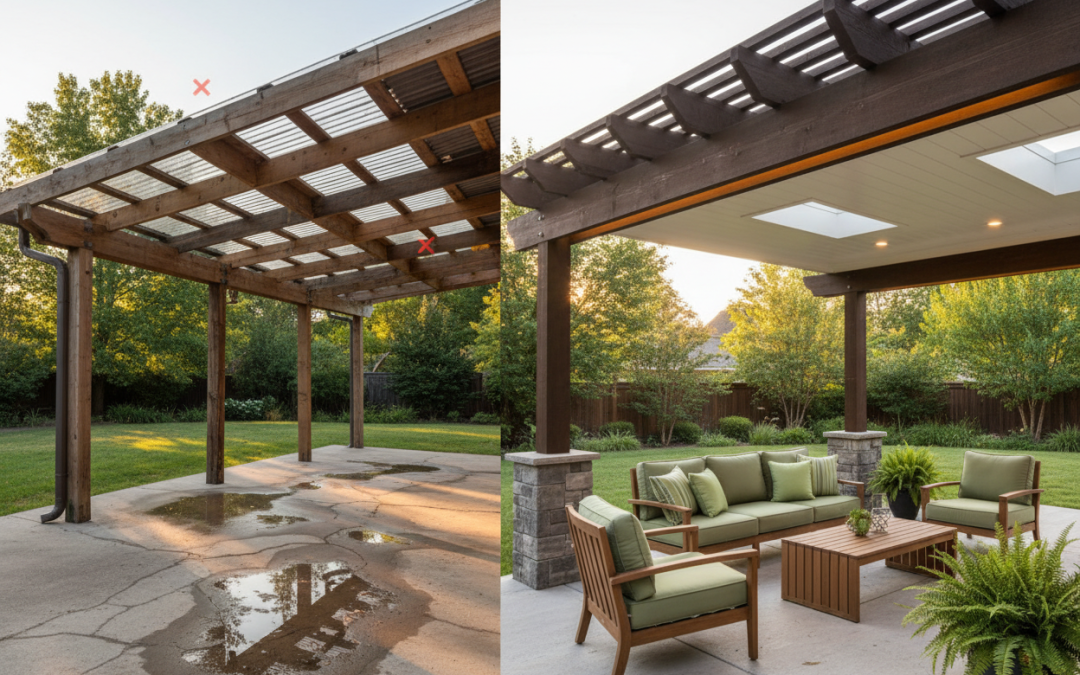
7 Mistakes to Avoid When Designing Your Custom Patio Cover
Table of Contents
1. Introduction
2. Mistake #1: Ignoring Local Building Codes and Permits
3. Mistake #2: Choosing the Wrong Materials for Your Climate
4. Mistake #3: Poor Planning for Drainage and Water Management
5. Mistake #4: Inadequate Structural Support and Foundation
6. Mistake #5: Overlooking Proper Ventilation and Airflow
7. Mistake #6: Neglecting Future Maintenance Requirements
8. Mistake #7: Rushing the Design Process Without Professional Input
9. Conclusion
10. Frequently Asked Questions
Introduction
There’s something magical about extending your living space outdoors with a custom patio cover. Whether you’re dreaming of hosting summer barbecues, creating a peaceful reading nook, or simply adding value to your home, a well-designed patio cover can transform your backyard into an oasis.
However, what starts as an exciting home improvement project can quickly turn into a costly nightmare if you’re not careful. After working with countless homeowners over the years, I’ve seen the same mistakes repeated time and again. The good news? These pitfalls are entirely avoidable when you know what to watch for.
In this comprehensive guide, we’ll walk through the seven most common mistakes homeowners make when designing their custom patio covers. By understanding these potential issues upfront, you’ll save yourself time, money, and frustration while ensuring your patio cover becomes the outdoor sanctuary you’ve always envisioned.
Mistake #1: Ignoring Local Building Codes and Permits
Let me tell you about Sarah, a homeowner who spent three months building her dream patio cover, only to receive a visit from the city inspector demanding she tear it down. Why? She had skipped the permit process entirely, assuming her project was too small to require official approval.
This scenario plays out more often than you might think. Many homeowners mistakenly believe that patio covers fall into a gray area where permits aren’t necessary. The reality is quite different. Most municipalities require permits for any structure that’s attached to your home or exceeds certain size limitations.
Building codes exist for good reason. They ensure your structure is safe, properly constructed, and won’t pose risks to you, your family, or your neighbors. These regulations cover everything from setback requirements to height restrictions and structural specifications.
Before you even start sketching your design, contact your local building department. Ask about permit requirements, setback rules, and any homeowner association restrictions that might apply. Yes, this step might add a few weeks to your timeline, but it’s infinitely better than facing fines or being forced to demolish your completed project.
The permit process also provides an invaluable safety net. Having your plans reviewed by professionals can catch potential issues before they become expensive problems. Think of it as insurance for your investment.
Mistake #2: Choosing the Wrong Materials for Your Climate
Climate considerations should be at the forefront of every material selection decision, yet many homeowners focus solely on aesthetics or initial cost. This oversight can lead to premature deterioration, constant maintenance headaches, and ultimately, complete replacement much sooner than expected.
In humid coastal areas, untreated wood quickly succumbs to rot and insect damage. Meanwhile, metal structures in these same environments face constant battles with rust and corrosion. Conversely, in arid desert climates, certain plastics become brittle and crack under intense UV exposure, while some metals expand and contract dramatically with temperature swings.
The key is matching your materials to your specific environmental challenges. For high-humidity areas, consider pressure-treated lumber, composite materials, or aluminum with proper protective coatings. In regions with intense sun exposure, look for materials with UV-resistant properties and light colors that reflect rather than absorb heat.
Don’t forget about wind loads either. If you live in an area prone to strong winds or storms, your material choices need to account for these forces. Lighter materials might seem appealing for their ease of installation, but they could become projectiles in severe weather.
Research local suppliers and ask about materials specifically recommended for your area. They’ll have firsthand experience with what works and what doesn’t in your climate zone.
Mistake #3: Poor Planning for Drainage and Water Management
Water is both your patio cover’s greatest enemy and most overlooked challenge. I’ve witnessed beautiful patio covers destroyed by water damage that could have been prevented with proper planning during the design phase.
The most common water-related mistake is creating areas where water can pool or accumulate. Flat surfaces might look sleek and modern, but they’re recipes for disaster. Water needs somewhere to go, and if you don’t provide a path, it will create its own, often through your structure or into areas where it can cause damage.
Proper slope is crucial. Your patio cover should have at least a quarter-inch of slope per foot to ensure water flows toward designated drainage points. This might seem minimal, but it’s the difference between water flowing away harmlessly and creating pools that lead to rot, rust, or structural damage.
Gutters and downspouts aren’t just accessories; they’re essential components of a well-designed system. Size them appropriately for your roof area and local rainfall intensity. A gutter that’s too small will overflow during heavy rains, potentially causing water damage to your home’s foundation or creating erosion problems in your yard.
Consider where the water will go once it leaves your patio cover. Directing runoff toward your home’s foundation or your neighbor’s property can create serious problems. Plan drainage routes that direct water to appropriate areas like storm drains, rain gardens, or designated drainage areas.
Mistake #4: Inadequate Structural Support and Foundation
Nothing is more terrifying than watching your patio cover collapse under the weight of snow, wind, or simply time. Structural integrity isn’t an area where you want to cut corners or guess at requirements.
Many DIY enthusiasts underestimate the engineering requirements for patio covers. These structures need to support not just their own weight, but also additional loads from weather, hanging plants, lights, fans, and anything else you might add over time. Snow loads can be particularly deceiving, as wet snow can weigh significantly more than many people realize.
Foundation requirements vary dramatically based on your soil type, local frost lines, and the size of your structure. In areas with clay soils that expand and contract with moisture changes, inadequate foundations can lead to shifting, cracking, and eventual failure. Similarly, in regions with frost, footings must extend below the frost line to prevent heaving.
Post spacing is another critical consideration that’s often miscalculated. While wider spacing might seem more appealing aesthetically, it places additional stress on your roof structure and can lead to sagging or failure over time. Follow engineering guidelines for your specific span and load requirements.
When in doubt, consult with a structural engineer. The cost of professional consultation is minimal compared to the expense of rebuilding a failed structure or dealing with injury from a collapse.
Mistake #5: Overlooking Proper Ventilation and Airflow
A patio cover should enhance your outdoor experience, not create a stifling, uncomfortable environment. Yet many homeowners focus so heavily on protection from sun and rain that they inadvertently create spaces that trap heat and humidity.
Solid roof materials without proper ventilation can turn your covered patio into an oven during summer months. Heat builds up under the cover with nowhere to escape, making the space unusable during the times you’d most want to enjoy it. This is particularly problematic with metal roofing, which can radiate significant heat downward.
The solution lies in strategic ventilation planning. Ridge vents, soffit vents, or simply leaving gaps between roof panels can provide crucial airflow. The goal is creating a pathway for hot air to escape while still maintaining protection from the elements.
Consider the prevailing wind patterns in your area when designing your structure. Positioning openings to take advantage of natural breezes can significantly improve comfort levels without requiring mechanical ventilation systems.
For attached patio covers, ventilation becomes even more critical. Poor airflow can lead to moisture buildup against your home’s exterior walls, potentially causing paint damage, siding problems, or even structural issues over time.
Mistake #6: Neglecting Future Maintenance Requirements
In the excitement of planning a new patio cover, maintenance considerations often take a backseat to design and aesthetics. This shortsighted approach can lead to structures that look great initially but become maintenance nightmares over time.
Different materials have vastly different maintenance requirements. Wood structures might need annual staining or sealing, while metal components may require periodic cleaning and touch-up painting. Some materials, like certain composites, offer low maintenance but come with higher upfront costs.
Accessibility for maintenance is equally important. Design your structure so you can safely reach all areas that will require periodic attention. This might mean incorporating permanent access points or ensuring ladder placement won’t damage landscaping or other structures.
Consider the long-term costs of maintenance when making material selections. A cheaper initial option that requires expensive annual maintenance might cost more over the structure’s lifetime than a more expensive, low-maintenance alternative.
Factor in the availability of replacement parts and materials. Choosing obscure or discontinued products might save money initially, but could create expensive problems if repairs or modifications become necessary years down the road.
Mistake #7: Rushing the Design Process Without Professional Input
The enthusiasm to start building can sometimes override the wisdom of thorough planning. I’ve seen countless projects where homeowners jumped into construction without fully thinking through their design, only to realize major flaws once the structure was partially complete.
Professional input doesn’t necessarily mean hiring an architect for every project, but it does mean consulting with experts who understand the technical requirements of patio cover construction. This might include structural engineers, experienced contractors, or specialized patio cover designers.
Professionals bring valuable perspective on local conditions, material performance, and construction techniques that can save you from expensive mistakes. They’ve seen what works and what doesn’t in your specific area and climate conditions.
The design process should also include careful consideration of how the patio cover integrates with your existing home and landscape. A structure that looks great in isolation might clash with your home’s architecture or create awkward transitions with existing outdoor spaces.
Take time to visualize the completed project from multiple angles and seasons. What looks perfect in summer might create problems in winter when the sun angle changes or when leaves fall from nearby trees.
Consider creating detailed drawings or even simple models to help visualize the final result. Many expensive changes could be avoided with better upfront visualization and planning.
Conclusion
Designing a custom patio cover is an investment in your home’s value and your family’s quality of life. By avoiding these seven common mistakes, you’re setting yourself up for a successful project that will provide years of enjoyment and add lasting value to your property.
Remember that the most expensive mistake is often the one that requires you to start over. Taking time upfront to address permits, choose appropriate materials, plan for drainage, ensure structural adequacy, provide proper ventilation, consider maintenance requirements, and seek professional input when needed will save you time, money, and frustration in the long run.
Your patio cover should be a source of pride and enjoyment, not a constant reminder of what could have been done better. With careful planning and attention to these critical areas, you’ll create an outdoor space that enhances your home and lifestyle for decades to come.
Don’t let the complexity of these considerations discourage you from pursuing your patio cover dreams. Instead, use this knowledge as a roadmap to guide your decision-making process. The result will be a structure that not only looks beautiful but performs reliably in all conditions while requiring minimal ongoing maintenance.
Frequently Asked Questions
How much does a custom patio cover typically cost?
Custom patio cover costs vary widely based on size, materials, and complexity, typically ranging from $3,000 to $15,000 or more. Factors affecting cost include local labor rates, permit fees, foundation requirements, and material choices. It’s best to get multiple quotes from licensed contractors for accurate pricing in your area.
Do I always need a permit for a patio cover?
Permit requirements vary by location and project scope. Most attached patio covers require permits, while some small, detached structures might not. Check with your local building department early in the planning process, as permit requirements can affect your design and timeline significantly.
What’s the best material for a patio cover in a hot climate?
For hot climates, consider materials that reflect heat and provide good ventilation. Aluminum with light-colored finishes, composite materials with UV protection, or traditional tile roofing work well. Avoid dark colors and solid materials without ventilation, as these can create uncomfortably hot conditions underneath.
How long does it typically take to build a custom patio cover?
Construction time varies based on size and complexity, but most custom patio covers take 1-3 weeks to complete once permits are approved. Factor in additional time for permit approval, which can take 2-6 weeks depending on your local jurisdiction and project complexity.
Can I attach a patio cover to any type of house?
Most homes can accommodate attached patio covers, but the attachment method depends on your home’s construction type and age. Older homes or those with unique construction materials may require special engineering considerations. A structural assessment can determine the best attachment approach for your specific situation.
What maintenance should I expect with different patio cover materials?
Maintenance varies significantly by material. Wood requires regular staining or sealing, aluminum needs occasional cleaning and inspection for loose fasteners, while composite materials typically need only periodic cleaning. Consider maintenance requirements when choosing materials, as this affects long-term costs and time investment.

Highland Park TX pergolas | Keathley Landscaping

Parker TX custom wood pergola | Keathley Landscaping

Murphy TX luxury custom pergolas | Keathley Landscaping

Frisco TX custom patio covers | Keathley Landscaping

Parker TX outdoor living contractor | Keathley Landscaping

Murphy TX outdoor living contractor | Keathley Landscaping

Allen TX custom patio cover cost | Keathley Landscaping

Sachse TX custom patio cover builders | Keathley Landscaping

Preston Hollow Dallas TX pergola builders | Keathley Landscaping

Rowlett TX custom patio covers | Keathley Landscaping

Rose Hill TX luxury custom pergolas | Keathley Landscaping

Parker TX pergola builders | Keathley Landscaping

Highland Park TX custom patio cover cost | Keathley Landscaping

Lowry Crossing TX covered patios | Keathley Landscaping

Preston Hollow Dallas TX outdoor living contractor | Keathley Landscaping

Lavon TX luxury custom pergolas | Keathley Landscaping

Lavon TX covered patio contractors near me | Keathley Landscaping

Lucas TX pergolas | Keathley Landscaping

Mobile City TX custom patio cover builders | Keathley Landscaping

Lowry Crossing TX custom patio cover cost | Keathley Landscaping

Lowry Crossing TX outdoor living contractor | Keathley Landscaping

Rockwall TX covered patios | Keathley Landscaping

McKinney TX luxury custom pergolas | Keathley Landscaping

Lucas TX outdoor living space contractors | Keathley Landscaping

Lakewood Dallas TX covered patio contractors near me | Keathley Landscaping

Lowry Crossing TX covered patio contractors near me | Keathley Landscaping

Highland Park TX outdoor living space contractors | Keathley Landscaping

McKinney TX covered patios | Keathley Landscaping

sod installation companies near me Lucas Texas

sod company Lavon Texas

cost of sod installation Preston Hollow Dallas Texas

residential sod installation Plano Texas

sod installation companies near me Mobile City Texas

sod installation near me Wylie Texas

sod company Wylie Texas

cost of sod installation Sachse Texas

sod contractors Sachse Texas

sod installation near me Lucas Texas

sod installation service Lucas Texas

lawn sod installation near me Garland Texas

price of sod installation Fate Texas

sod installation company near me Dallas Texas

cost of sod installation Lakewood Dallas Texas

sod installation companies Fairview Texas

residential sod installation Lavon Texas

sod installation companies near me Lake Highlands Dallas Texas

price for sod installation Fairview Texas

sod lawn installation Sachse Texas

price of sod installation Parker Texas

new sod installation Preston Hollow Dallas Texas

sod installation services Lavon Texas

lawn sod installation Parker Texas

sod lawn installation Fairview Texas

cost of sod installation McKinney Texas

sod grass installation McKinney Texas

new sod installation Lucas Texas

drainage contractors near me Lake Highlands Dallas Texas

drainage solutions near me Rockwall Texas

outdoor drain repair Wylie Texas

drain contractor Parker Texas

drain cleaning Rose Hill Texas

drainage Lake Highlands Dallas Texas

drainage Lakewood Dallas Texas

channel drain cleaning Garland Texas

drainage solutions near me Frisco Texas

drainage company McKinney Texas

drainage specialist near me Frisco Texas

drainage contractors near me Preston Hollow Dallas Texas

landscape drainage contractor near me Allen Texas

drainage Lavon Texas

yard drainage contractors near me Lavon Texas

drainage company Rowlett Texas

yard drainage specialist near me Parker Texas

drain contractor Allen Texas

yard drainage contractors near me Mobile City Texas

drain cleaning company near me Lucas Texas

drain Lake Highlands Dallas Texas

drainage company Lowry Crossing Texas

drain Lowry Crossing Texas

drainage solutions near me Lavon Texas

drainage Preston Hollow Dallas Texas

drainage company near me Fairview Texas

yard drainage specialist near me Lake Highlands Dallas Texas

Recent Comments