
Small Backyard, Big Impact: Custom Pergola Ideas for Compact Spaces
Table of Contents
1. Introduction
2. Why Pergolas Work Perfectly in Small Spaces
3. Space-Maximizing Pergola Design Ideas
4. Corner Pergolas: Making the Most of Neglected Spaces
5. Attached vs. Freestanding: Which Works Better for Small Yards?
6. Vertical Elements That Add Height and Drama
7. Multi-Functional Pergola Features for Compact Yards
8. Material Choices That Won’t Overwhelm Your Space
9. Lighting and Accessories for Small Pergolas
10. Budget-Friendly DIY Options
11. Conclusion
12. Frequently Asked Questions
Introduction
Just because your backyard is small doesn’t mean your outdoor living dreams have to be equally modest. I’ve seen countless homeowners transform tiny patios and compact yards into stunning outdoor retreats with one simple addition: a thoughtfully designed pergola.
The beauty of custom pergolas lies in their versatility. Unlike bulky gazebos or extensive deck additions, pergolas create defined outdoor rooms without overwhelming your space. They’re like the perfect piece of jewelry for your backyard – they add elegance and function without being too much.
Whether you’re working with a narrow side yard, a small patio, or just a corner of grass, the right pergola design can completely transform how you use and enjoy your outdoor space. Let’s explore how to make every square foot count with smart pergola solutions that pack a serious design punch.
Why Pergolas Work Perfectly in Small Spaces
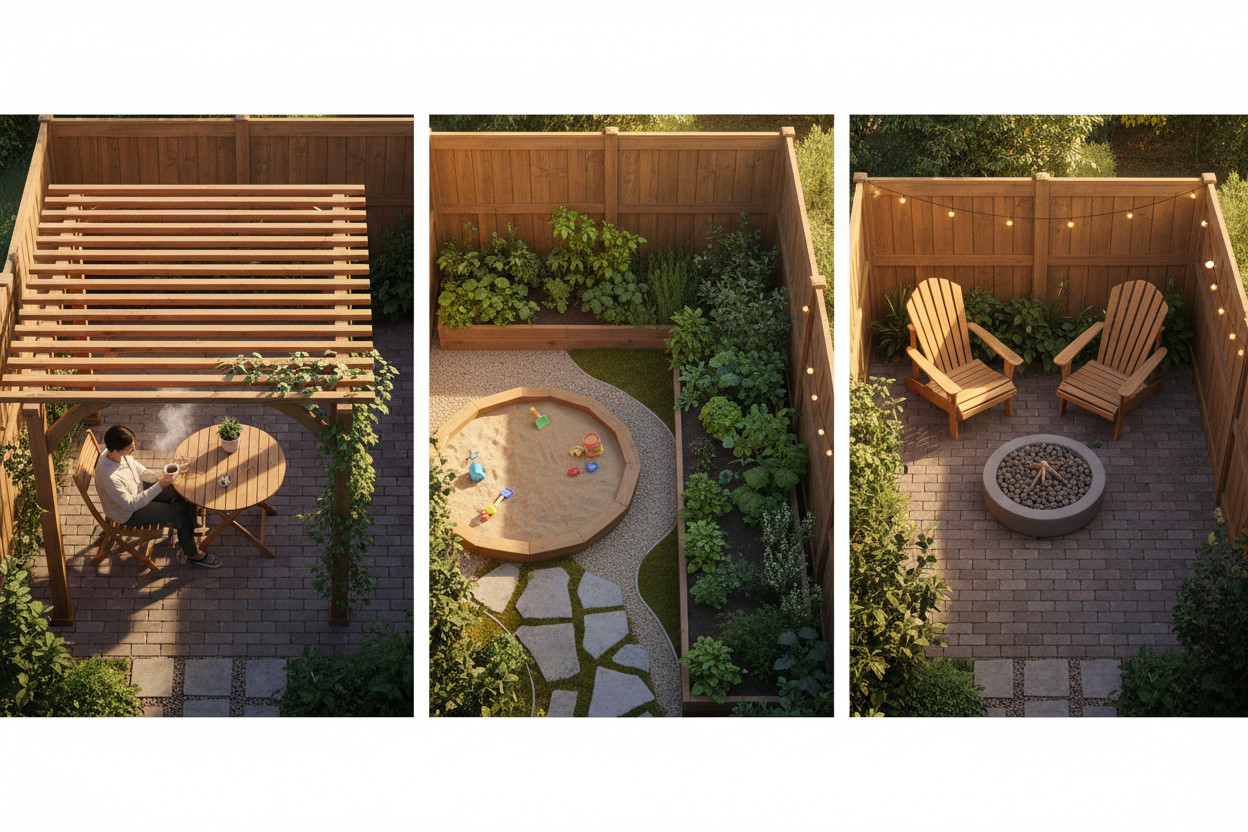
Pergolas are the ultimate small-space heroes for several compelling reasons. First, they create the illusion of more space by drawing the eye upward, making your yard feel larger than it actually is. Think of it as the outdoor equivalent of hanging curtains close to the ceiling – it’s all about creating visual height.
Unlike solid structures, pergolas maintain an open, airy feeling while still defining separate areas in your yard. You can have your morning coffee under the pergola while the rest of your small yard serves other purposes. It’s like having multiple rooms in a studio apartment – everything has its place without feeling cramped.
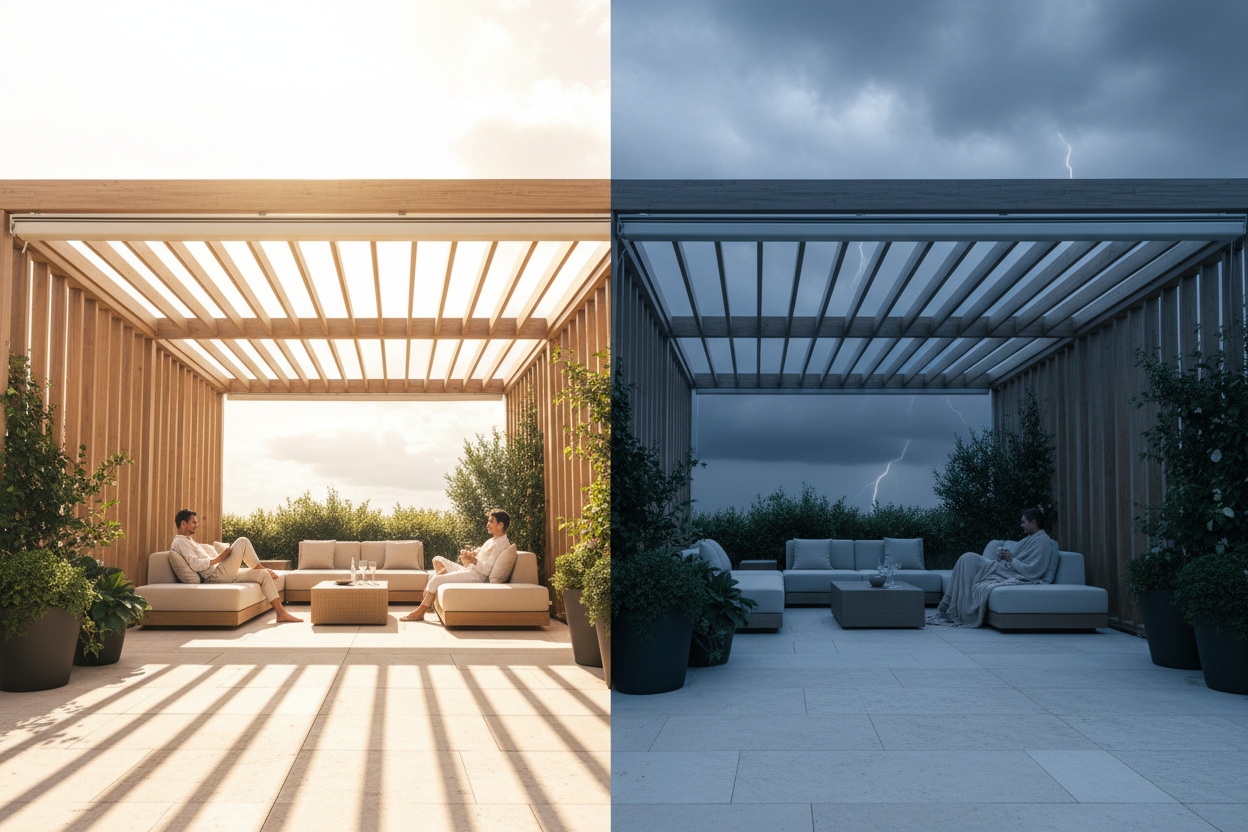
The partial shade created by pergola beams also makes small spaces more comfortable during hot summer days. You’re not dealing with the harsh shadows of a solid roof or the complete exposure of an open patio. Instead, you get that perfect dappled light that makes everything look Instagram-worthy.
Perhaps most importantly, pergolas are incredibly adaptable. Need more privacy? Add climbing vines or curtains. Want better weather protection? Install a retractable canopy. Your pergola can evolve with your needs without requiring major renovations.
Space-Maximizing Pergola Design Ideas
When square footage is at a premium, every design decision matters. Lean-to pergolas attached to your house are absolute game-changers for narrow spaces. They extend your indoor living area seamlessly outdoors while taking up minimal yard space. I’ve seen 8-foot by 10-foot lean-to pergolas completely transform tiny patios into functional outdoor dining rooms.
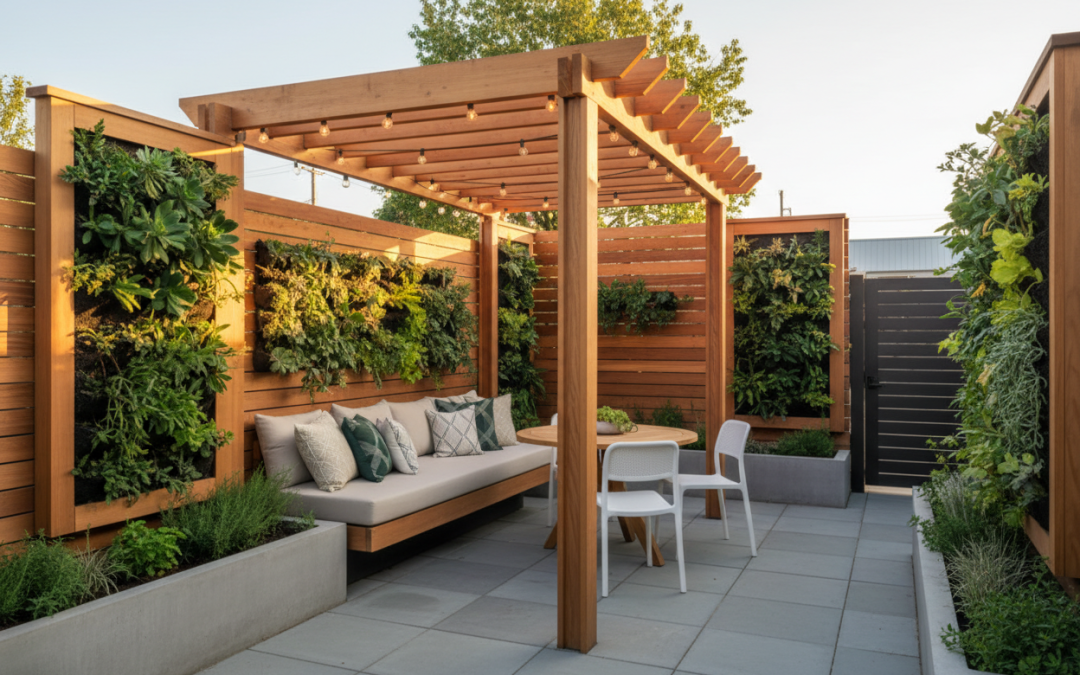
Consider pergolas with built-in seating along the perimeter. This eliminates the need for separate outdoor furniture while creating a cozy, intimate atmosphere. Built-in benches with storage underneath serve double duty – seating and storage in one smart solution.
Narrow pergolas work beautifully for creating outdoor hallways or transitional spaces. A 4-foot wide pergola can transform a boring side yard into an enchanting garden path. Add some strategic lighting and climbing plants, and you’ve created a magical journey from your front yard to your back door.
For truly tiny spaces, consider a pergola that spans just a portion of your patio. A 6-foot by 6-foot structure over a bistro table creates an intimate dining nook without overwhelming the entire area. The key is proportion – your pergola should enhance your space, not dominate it.
Corner Pergolas: Making the Most of Neglected Spaces
Corners are often the most underutilized areas in small backyards, but they’re perfect for creative pergola installations. A corner pergola can transform that awkward angle where two fence lines meet into your favorite outdoor retreat.
L-shaped pergolas are particularly brilliant for corner installations. They wrap around the corner, creating a sense of enclosure and intimacy that’s hard to achieve with traditional rectangular designs. You can position seating along both sides, creating a conversation area that feels much larger than its actual footprint.
Corner pergolas also offer excellent opportunities for privacy screening. Since corners are often visible from multiple angles, strategic placement of lattice panels or climbing plants can create a secluded hideaway. I’ve seen corner pergolas become the most private spots in otherwise exposed small yards.
The triangular space created by a corner pergola is perfect for creative landscaping. Consider a small water feature, a collection of potted plants, or even a compact outdoor kitchen setup. These corners become destination spots rather than forgotten spaces.
Attached vs. Freestanding: Which Works Better for Small Yards?
This is one of the most common questions I encounter, and the answer depends entirely on your specific situation. Attached pergolas are typically more space-efficient because they use your house as one structural element. This means you need fewer posts and can position the pergola closer to your indoor living areas.
Attached pergolas also create better flow between indoor and outdoor spaces. When you step out your back door directly under a pergola, it feels like a natural extension of your home rather than a separate outdoor structure. This psychological connection makes small spaces feel more integrated and functional.
However, freestanding pergolas offer more flexibility in placement and design. If your house doesn’t have an appropriate wall for attachment, or if the best spot for your pergola is away from the house, freestanding is your only option. They also allow for more creative shapes and orientations.
Freestanding pergolas can serve as focal points that draw attention away from the small size of your yard. A beautifully designed freestanding pergola positioned strategically can make your yard feel more spacious by creating visual interest and depth.
Vertical Elements That Add Height and Drama
In small spaces, thinking vertically is crucial for maximizing impact. Pergolas naturally draw the eye upward, but you can amplify this effect with thoughtful vertical elements. Climbing plants are the obvious choice, but there are many other creative options.
Vertical gardens integrated into pergola posts create living walls that add color and texture without taking up floor space. You can install planting pockets or trellises directly on the posts, creating a lush, garden-like atmosphere even in the smallest yards.
Hanging elements add movement and interest at eye level. Consider hanging planters, lanterns, or even a small chandelier. These elements create layers of visual interest that make small spaces feel more complex and engaging.
Privacy screens that extend upward from your pergola can create the feeling of outdoor rooms. Lattice panels, bamboo screens, or fabric panels can be installed to create height and enclosure without the weight and expense of solid walls.
Water features that incorporate vertical elements work beautifully with pergolas. A wall-mounted fountain on a pergola post or a tall, narrow water feature positioned nearby adds the soothing sound of water while emphasizing the vertical dimension of your space.
Multi-Functional Pergola Features for Compact Yards
When space is limited, every element needs to work harder. Multi-functional pergola features are essential for maximizing the utility of your small outdoor space. Built-in storage benches provide seating and hide away cushions, gardening tools, or outdoor games.
Pergolas with integrated outdoor kitchens make small yards incredibly functional. Even a simple setup with a built-in grill and prep counter can transform your pergola into an outdoor cooking and entertaining space. The overhead structure provides the perfect framework for hanging utensils, lights, and even a small herb garden.
Retractable canopy systems give you weather flexibility without permanent coverage. On sunny days, you can enjoy dappled light through the open beams. When weather threatens or you need more shade, simply extend the canopy. This adaptability is crucial in small spaces where you can’t afford to have areas that are only useful in certain conditions.
Consider pergolas with integrated technology features. Built-in speakers, charging stations, and Wi-Fi extenders can make your small outdoor space as functional as any indoor room. These features are especially important in small yards where the outdoor space might serve as an extension of your home office or entertainment area.
Material Choices That Won’t Overwhelm Your Space
Material selection can make or break a pergola design in a small space. Heavy, dark materials can make compact areas feel even smaller, while the right choices can create an airy, spacious feeling.
Cedar and other light-colored woods are excellent choices for small pergolas. They weather to a beautiful silver-gray that doesn’t compete with surrounding plants and hardscaping. The natural grain adds texture without being overwhelming, and cedar’s natural resistance to insects and decay makes it practical for long-term use.
Aluminum pergolas offer sleek, modern lines that work particularly well in contemporary small spaces. The thin profile of aluminum beams creates structure without bulk, and powder-coated finishes can complement any color scheme. Aluminum also requires virtually no maintenance, which is a bonus when you’re trying to keep things simple.
Vinyl pergolas might not have the natural beauty of wood, but they’re practically maintenance-free and available in colors that can make small spaces feel larger. White vinyl, in particular, reflects light and creates an open, airy feeling that works beautifully in compact yards.
For a truly modern look, consider steel pergolas with clean lines and minimal ornamentation. Painted steel can virtually disappear into the background, allowing your plants and furnishings to take center stage. Just be sure to choose rust-resistant finishes for longevity.
Lighting and Accessories for Small Pergolas
Proper lighting can make a small pergola feel magical and extend its usability well into the evening hours. String lights are the classic choice, and for good reason – they create a warm, inviting atmosphere without taking up any floor or surface space.
Consider layering different types of lighting for maximum impact. Uplighting from below can highlight the pergola’s structure and any climbing plants, while downlighting provides task lighting for dining or reading. Small solar lights integrated into pergola posts eliminate the need for electrical work while providing subtle ambient lighting.
Lanterns and hanging fixtures add personality and can serve as focal points during both day and night. Choose fixtures that complement your pergola’s style – rustic lanterns for wooden pergolas, sleek pendant lights for modern aluminum structures.
Accessories should be chosen carefully in small spaces. A few well-chosen pieces will have more impact than many small items. Consider a single large piece of outdoor art, a beautiful planter, or a striking piece of furniture rather than multiple smaller accessories that can make the space feel cluttered.
Mirrors can be surprisingly effective in small pergola spaces. A weather-resistant mirror positioned strategically can reflect light and views, making your pergola area feel larger and brighter.
Budget-Friendly DIY Options
Building a custom pergola doesn’t have to break the bank, especially for smaller structures. Simple post-and-beam designs are well within the capabilities of most DIY enthusiasts, and the smaller scale makes projects more manageable.
Pressure-treated lumber is the most budget-friendly option for DIY pergolas. While it may not have the natural beauty of cedar or the low maintenance of aluminum, it’s affordable and readily available. You can always upgrade materials later or enhance the appearance with stains or paints.
Consider using existing structures as starting points for your pergola. An existing deck railing, fence post, or even a large tree can serve as one anchor point, reducing materials and labor. I’ve seen beautiful pergolas that incorporate existing deck posts or fence lines as integral design elements.
Pergola kits designed for small spaces offer a middle ground between full DIY and professional installation. These kits include pre-cut materials and detailed instructions, making installation much easier while still allowing for some customization.
Don’t overlook the impact of sweat equity. Even if you hire professionals for the structural work, you can save significantly by handling the finishing touches yourself. Installing lighting, planting climbing vines, and adding accessories are all tasks that most homeowners can tackle independently.
Conclusion
Small backyards present unique opportunities rather than limitations when it comes to pergola design. The key is thinking creatively about how to maximize every square foot while creating a space that feels both functional and beautiful.
Remember that the most successful small pergola projects focus on quality over quantity. A well-designed, properly proportioned pergola will have far more impact than a larger structure that overwhelms your space. Consider your specific needs, site conditions, and budget, but don’t let a small yard discourage you from creating the outdoor living space you’ve always wanted.
Whether you choose a simple lean-to design, an elaborate corner installation, or something completely custom, your pergola can transform your small backyard into a space that feels much larger and more luxurious than its actual size suggests. The magic happens when you stop seeing your small yard as a limitation and start seeing it as an opportunity to create something truly special.
Frequently Asked Questions
What’s the minimum size for a functional pergola?
A pergola as small as 6 feet by 6 feet can be highly functional, especially when designed for specific purposes like creating a reading nook or small dining area. The key is ensuring the proportions work with your space and intended use.
Do I need a permit for a small pergola?
Permit requirements vary by location and pergola size. Generally, smaller pergolas under 120 square feet may not require permits, but always check with your local building department before starting construction.
How close can a pergola be to my property line?
Setback requirements vary by municipality, but most areas require structures to be at least 3-5 feet from property lines. Check your local zoning codes and consider discussing plans with neighbors to avoid future conflicts.
What’s the best height for a small pergola?
Most pergolas work best with a minimum height of 8 feet for adequate headroom, with 9-10 feet being ideal for creating a more spacious feeling. In small yards, higher pergolas can actually make the space feel larger.
Can I install a pergola on an existing patio?
Yes, pergolas can often be installed on existing patios using surface-mount hardware or weighted bases. This is actually ideal for small spaces as it doesn’t require additional site preparation or footprint expansion.
How do I choose between wood and metal for a small pergola?
Wood offers natural beauty and is often more budget-friendly, while metal provides durability and cleaner lines that can make small spaces feel less cluttered. Consider your home’s style, maintenance preferences, and budget when deciding.

Garland TX custom patio cover cost | Keathley Landscaping

Allen TX pergolas | Keathley Landscaping

Rowlett TX outdoor living space contractors | Keathley Landscaping

Frisco TX custom patio covers | Keathley Landscaping

Rockwall TX pergolas | Keathley Landscaping

Garland TX custom patio covers | Keathley Landscaping

Murphy TX custom patio cover cost | Keathley Landscaping

Rose Hill TX custom pergolas | Keathley Landscaping

Parker TX custom patio covers | Keathley Landscaping

Allen TX pergola companies near me | Keathley Landscaping

Richardson TX pergola companies near me | Keathley Landscaping

Lavon TX pergola companies near me | Keathley Landscaping

McKinney TX custom patio cover builders | Keathley Landscaping

Rowlett TX custom patio cover builders | Keathley Landscaping

Rowlett TX outdoor living contractor | Keathley Landscaping

Highland Park TX pergolas | Keathley Landscaping

Fairview TX custom patio cover cost | Keathley Landscaping

Richardson TX custom patio cover cost | Keathley Landscaping

Highland Park TX outdoor living space contractors | Keathley Landscaping

Highland Park TX covered patio contractors near me | Keathley Landscaping

Fairview TX pergolas | Keathley Landscaping

Dallas TX pergola companies near me | Keathley Landscaping

Wylie TX luxury custom pergolas | Keathley Landscaping

Fairview TX covered patios | Keathley Landscaping

Rowlett TX covered patios | Keathley Landscaping

Dallas TX custom pergolas | Keathley Landscaping

Lake Highlands Dallas TX pergola builders | Keathley Landscaping

Parker TX outdoor living space contractors | Keathley Landscaping

lawn sod installation Mobile City Texas

installation of sod cost Rowlett Texas

price for sod installation Mobile City Texas

grass installation Parker Texas

grass installation Frisco Texas

cost for sod installation Richardson Texas

new sod installation Rowlett Texas

cost for sod installation Lake Highlands Dallas Texas

sod installation cost Plano Texas

cost of sod and installation Garland Texas

lawn sod installation Parker Texas

cost for sod installation Allen Texas

sod company Garland Texas

cost for sod installation Plano Texas

sod installation service Fate Texas

sod contractors Wylie Texas

sod lawn installation Fairview Texas

sod contractors Frisco Texas

sod contractors Lakewood Dallas Texas

cost of sod installation Lowry Crossing Texas

sod installation near me Murphy Texas

sod installation services Richardson Texas

grass contractor Mobile City Texas

sod grass installation Lucas Texas

lawn sod installation near me Rose Hill Texas

sod installation companies near me Lake Highlands Dallas Texas

installation of sod cost Dallas Texas

lawn sod installation Lavon Texas

drainage company near me Lakewood Dallas Texas

drain cleaning Dallas Texas

landscape drain Frisco Texas

channel drain cleaning Richardson Texas

drainage contractors near me Allen Texas

drain cleaning Wylie Texas

landscape drain Lakewood Dallas Texas

yard drainage McKinney Texas

landscape drainage Plano Texas

channel drain cleaning Lucas Texas

yard drainage contractors near me Frisco Texas

drainage specialist near me Highland Park Texas

channel drain cleaning Murphy Texas

landscape drainage contractor near me Garland Texas

yard drainage specialist near me McKinney Texas

drain contractor Highland Park Texas

drain cleaning company near me Preston Hollow Dallas Texas

yard drainage contractors near me Murphy Texas

drainage solutions near me Lowry Crossing Texas

landscape drainage Wylie Texas

landscape drain Garland Texas

yard drainage contractors near me Lakewood Dallas Texas

drain contractor Fate Texas

drain Fate Texas

drainage Allen Texas

yard drainage specialist near me Preston Hollow Dallas Texas

drainage solutions near me Rockwall Texas

Recent Comments