
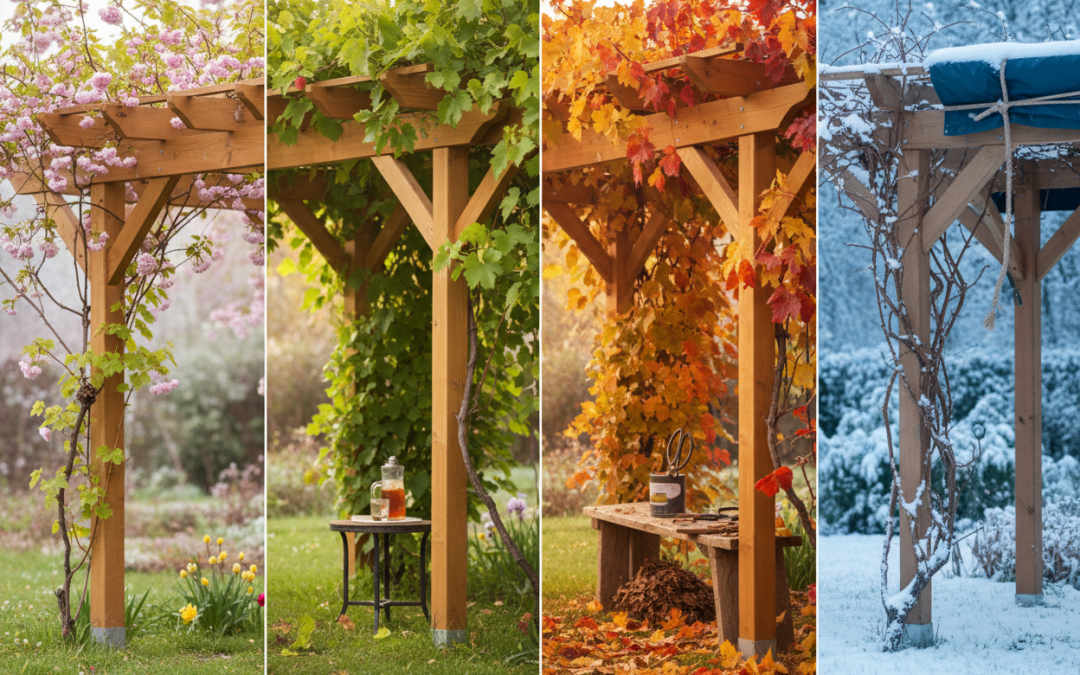
How to Maintain Your Custom Pergola Through All Seasons: A Complete Guide
Table of Contents
1. Introduction: Why Seasonal Pergola Maintenance Matters
2. Spring Maintenance: Awakening Your Pergola
3. Summer Care: Protecting Against Heat and UV Damage
4. Fall Preparation: Getting Ready for Winter
5. Winter Protection: Safeguarding Your Investment
6. Year-Round Maintenance Tips
7. Common Pergola Problems and Solutions
8. When to Call Professional Help
9. Conclusion
10. Frequently Asked Questions
Introduction: Why Seasonal Pergola Maintenance Matters
Your custom pergola represents more than just an outdoor structure – it’s an investment in your home’s beauty, functionality, and value. Whether you spent months planning the perfect design or carefully selected premium materials, proper maintenance ensures your pergola will continue enhancing your outdoor living space for decades to come.
I’ve seen countless homeowners who thought their pergola would be maintenance-free, only to discover weather damage, pest issues, or structural problems years later. The truth is, like any outdoor structure, pergolas face unique challenges throughout the year. From scorching summer sun to freezing winter temperatures, each season brings its own set of maintenance requirements.
This comprehensive guide will walk you through exactly what your pergola needs during each season, helping you develop a maintenance routine that protects your investment while keeping your outdoor space looking spectacular year-round.
Spring Maintenance: Awakening Your Pergola
Spring marks the perfect time for your pergola’s annual checkup. After months of winter weather, your structure needs attention to prepare for the active outdoor season ahead.
Deep Cleaning and Inspection
Start with a thorough cleaning using a soft-bristled brush and mild soap solution. Pay special attention to areas where debris tends to accumulate, such as beam joints and decorative elements. While cleaning, inspect every component for signs of damage, loose hardware, or wear patterns that developed over winter.
Check all connection points, bolts, and brackets. Winter’s freeze-thaw cycles can cause metal components to expand and contract, potentially loosening fasteners. Tighten any loose hardware, but be careful not to over-tighten, which can strip threads or crack wood.
Wood Treatment and Staining
If your pergola features natural wood, spring is typically the ideal time for refinishing. Look for signs that your stain or sealant is wearing thin – areas where water no longer beads on the surface or where the wood appears gray or weathered.
Sand any rough spots lightly before applying new stain or sealant. Choose products specifically designed for your wood type and climate conditions. Cedar and redwood pergolas may only need treatment every two to three years, while pressure-treated lumber often requires annual attention.
Summer Care: Protecting Against Heat and UV Damage
Summer brings intense UV radiation and high temperatures that can damage your pergola’s materials and finish. Your maintenance focus should shift to protection and monitoring.
UV Protection Strategies
Prolonged sun exposure can fade stains, crack wood, and degrade metal finishes. If you notice signs of UV damage, consider adding protective elements like retractable canopies or shade cloths during peak summer months.
For metal pergolas, inspect the powder coating or paint finish regularly. Small chips or scratches should be touched up immediately to prevent rust formation. Keep touch-up paint handy for quick repairs throughout the season.
Watering and Plant Management
If your pergola supports climbing plants or hanging baskets, summer watering becomes crucial. However, be mindful of water splashing onto wood surfaces, which can promote rot and mildew growth. Use drip trays under hanging plants and direct irrigation away from structural elements.
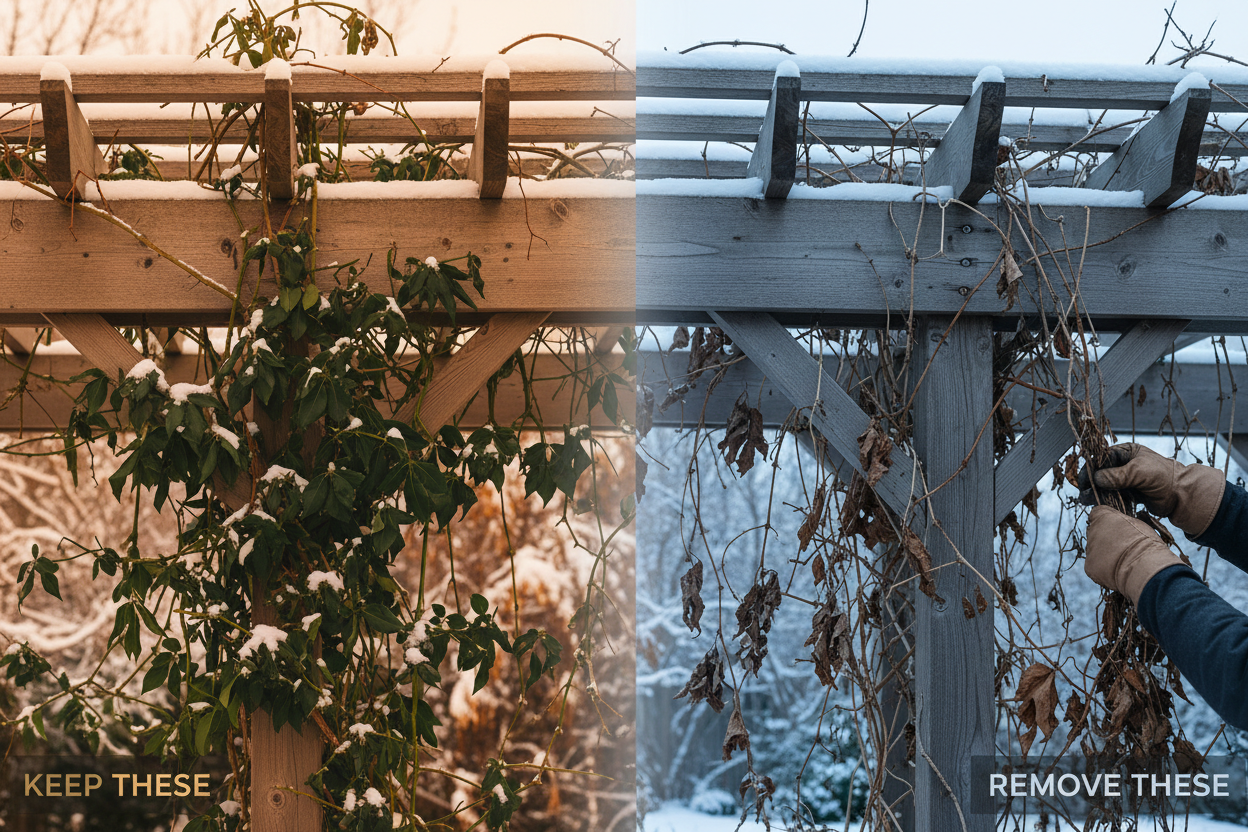
Trim climbing vines regularly to prevent them from becoming too heavy or growing into areas where they might trap moisture against the pergola structure.
Fall Preparation: Getting Ready for Winter
Fall maintenance focuses on preparing your pergola to withstand winter’s harsh conditions. This season offers your last opportunity to address issues before cold weather makes repairs difficult or impossible.
Structural Reinforcement
Inspect your pergola’s structural integrity thoroughly. Look for any signs of sagging beams, cracked joints, or loose connections. Address these issues immediately, as winter snow loads and ice formation can exacerbate existing problems.
Clean gutters and drainage systems around your pergola to prevent ice dams and water backup that could affect the structure’s foundation or nearby landscaping.
Winterizing Plant Elements
Remove annual plants and tender perennials that won’t survive winter. Prune back deciduous climbing vines, but leave enough structure to support spring growth. Wrap or protect any sensitive plants that will remain attached to the pergola.
Consider removing heavy hanging baskets and decorative elements that could become projectiles in winter storms or add unnecessary weight during snow events.
Winter Protection: Safeguarding Your Investment
Winter maintenance is largely about monitoring and protection rather than active work. However, staying vigilant during cold months can prevent expensive damage.
Snow Load Management
Most well-designed pergolas can handle typical snow loads, but excessive accumulation can stress the structure. After heavy snowfalls, gently remove snow from the top of your pergola using a roof rake or soft broom. Never use sharp tools that could damage the surface.
Pay attention to ice formation, particularly around joints and connection points. Ice expansion can force structural elements apart or create stress fractures.
Winter Inspections
Conduct monthly visual inspections during winter, looking for signs of stress, damage, or pest activity. Many homeowners discover winter damage too late because they avoid their outdoor spaces during cold months.
Check for icicle formation that might indicate drainage problems or heat loss from nearby structures. Address these issues promptly to prevent ongoing damage.
Year-Round Maintenance Tips
Some maintenance tasks should be performed consistently throughout the year, regardless of season.
Regular Cleaning Schedule
Establish a monthly cleaning routine that includes removing debris, checking for pest activity, and wiping down surfaces. This regular attention helps you catch small problems before they become major issues.
Keep your pergola’s drainage clear year-round. Clogged drains can cause water to pool around the structure’s base, leading to foundation problems and material deterioration.
Hardware Maintenance
Lubricate moving parts like hinges and adjustable components every few months. Use marine-grade lubricants that resist moisture and temperature extremes.
Replace any rusted or corroded hardware immediately. Stainless steel or galvanized fasteners provide the best long-term performance in outdoor applications.
Common Pergola Problems and Solutions
Understanding common issues helps you identify problems early and take appropriate action.
Wood-Related Issues
Wood rot typically appears as soft, dark, or crumbly areas in the lumber. Small areas can often be treated with wood hardener and filler, but extensive rot requires board replacement.
Insect damage, particularly from carpenter bees or termites, requires immediate attention. Look for small holes, sawdust accumulation, or hollow-sounding wood when tapped.
Metal Component Problems
Rust on metal components should be addressed immediately. Sand affected areas, apply rust converter if necessary, and repaint with appropriate primer and topcoat.
Galvanic corrosion can occur where different metals contact each other. Use appropriate gaskets or isolators to prevent this electrochemical reaction.
When to Call Professional Help
While many maintenance tasks can be handled by homeowners, some situations require professional expertise.
Structural issues like sagging beams, foundation problems, or significant damage should always be evaluated by a qualified contractor. Electrical work for pergola lighting or ceiling fans requires licensed electrician services.
If you’re uncomfortable working at height or lack the proper tools for specific maintenance tasks, hiring professionals is always the safer choice. The cost of professional maintenance is typically much less than repairing damage caused by improper DIY attempts.
Conclusion
Maintaining your custom pergola through all seasons doesn’t have to be overwhelming. By following this seasonal maintenance guide and staying consistent with regular inspections and care, you’ll ensure your pergola remains a beautiful and functional part of your outdoor living space for many years.
Remember that prevention is always more cost-effective than repair. The time and effort you invest in proper maintenance will pay dividends in extended pergola life, maintained property value, and continued enjoyment of your outdoor space.
Your pergola was designed to enhance your lifestyle and provide a gathering place for family and friends. With proper seasonal care, it will continue fulfilling that purpose while standing as a testament to quality craftsmanship and thoughtful maintenance.
Frequently Asked Questions
How often should I stain or seal my wooden pergola?
Most wooden pergolas need staining or sealing every 2-3 years, depending on your climate and wood type. Cedar and redwood naturally resist decay and may need less frequent treatment, while pressure-treated lumber often requires annual attention in harsh climates.
Can I leave my pergola uncovered during winter?
Yes, most pergolas are designed to withstand winter weather uncovered. However, removing temporary elements like fabric canopies, hanging plants, and decorative accessories helps prevent damage and reduces snow load on the structure.
What’s the best way to clean my pergola without damaging it?
Use a soft-bristled brush with mild soap and water for routine cleaning. Avoid pressure washers on wood surfaces, as they can damage the grain and force water into joints. For stubborn stains, use specialized wood cleaners appropriate for your pergola’s material.
How do I know if my pergola needs professional inspection?
Schedule professional inspection if you notice sagging beams, cracked joints, extensive pest damage, or any structural changes. Also consider professional evaluation after severe weather events or if your pergola is more than 10 years old.
Should I remove climbing plants from my pergola for winter?
This depends on your plant types and climate. Hardy perennial vines can usually remain, but should be pruned back. Remove annual plants and tender species that won’t survive winter. Always ensure plants aren’t trapping moisture against the pergola structure.

Murphy TX outdoor living space contractors | Keathley Landscaping

Rowlett TX pergola builders | Keathley Landscaping

Wylie TX custom patio covers | Keathley Landscaping

Mobile City TX custom wood pergola | Keathley Landscaping

Wylie TX outdoor living contractor | Keathley Landscaping

Plano TX luxury custom pergolas | Keathley Landscaping

Parker TX pergolas | Keathley Landscaping

Wylie TX pergolas | Keathley Landscaping

Lavon TX custom patio cover builders | Keathley Landscaping

Frisco TX luxury custom pergolas | Keathley Landscaping

Lakewood Dallas TX pergola builders | Keathley Landscaping

Richardson TX custom patio cover cost | Keathley Landscaping

Preston Hollow Dallas TX luxury custom pergolas | Keathley Landscaping

Preston Hollow Dallas TX custom patio cover builders | Keathley Landscaping

Mobile City TX covered patios | Keathley Landscaping

Murphy TX custom wood pergola | Keathley Landscaping

Fairview TX outdoor living space contractors | Keathley Landscaping

Plano TX custom patio cover builders | Keathley Landscaping

Preston Hollow Dallas TX outdoor living space contractors | Keathley Landscaping

Highland Park TX outdoor living space contractors | Keathley Landscaping

Murphy TX custom pergolas | Keathley Landscaping

Preston Hollow Dallas TX pergola builders | Keathley Landscaping

Sachse TX covered patios | Keathley Landscaping

Plano TX covered patio contractors near me | Keathley Landscaping

Lavon TX outdoor living contractor | Keathley Landscaping

McKinney TX pergolas | Keathley Landscaping

Richardson TX custom patio covers | Keathley Landscaping

Garland TX pergolas | Keathley Landscaping

price for sod installation Allen Texas

sod installation companies Mobile City Texas

cost of sod and installation Rowlett Texas

cost of sod installation Fate Texas

sod company Fairview Texas

sod installation companies Fate Texas

sod contractors Lake Highlands Dallas Texas

residential sod installation Lavon Texas

cost of sod and installation Wylie Texas

sod installation service Rockwall Texas

sod installation companies Fairview Texas

lawn sod installation Murphy Texas

sod installation near me Parker Texas

sod contractors Lowry Crossing Texas

lawn sod installation Lowry Crossing Texas

price for sod installation Rose Hill Texas

sod installation company near me Rowlett Texas

sod installation services Lucas Texas

cost of sod and installation Allen Texas

new sod installation Dallas Texas

price for sod installation Dallas Texas

grass contractor Lakewood Dallas Texas

installation of sod cost Sachse Texas

sod installation company Lake Highlands Dallas Texas

installation of sod cost Lucas Texas

grass installation Preston Hollow Dallas Texas

lawn sod installation near me Frisco Texas

sod installation service McKinney Texas

yard drainage specialist near me Lavon Texas

landscape drainage contractor near me Rockwall Texas

drain cleaning Lowry Crossing Texas

drain contractor Highland Park Texas

drainage company Murphy Texas

drain Garland Texas

drainage solutions near me Fate Texas

landscape drainage contractor near me Allen Texas

landscape drainage Parker Texas

drainage company Lavon Texas

drain cleaning company near me Lake Highlands Dallas Texas

landscape drainage contractor near me Mobile City Texas

channel drain cleaning Murphy Texas

landscape drainage Frisco Texas

outdoor drain repair Richardson Texas

landscape drainage contractor near me Fate Texas

yard drainage contractors near me Fate Texas

drainage Rose Hill Texas

outdoor drain repair Frisco Texas

drain contractor McKinney Texas

landscape drainage Wylie Texas

landscape drainage McKinney Texas

drainage company Highland Park Texas

yard drainage specialist near me Highland Park Texas

landscape drain Lowry Crossing Texas

drainage Parker Texas

channel drain cleaning Fate Texas

Recent Comments