
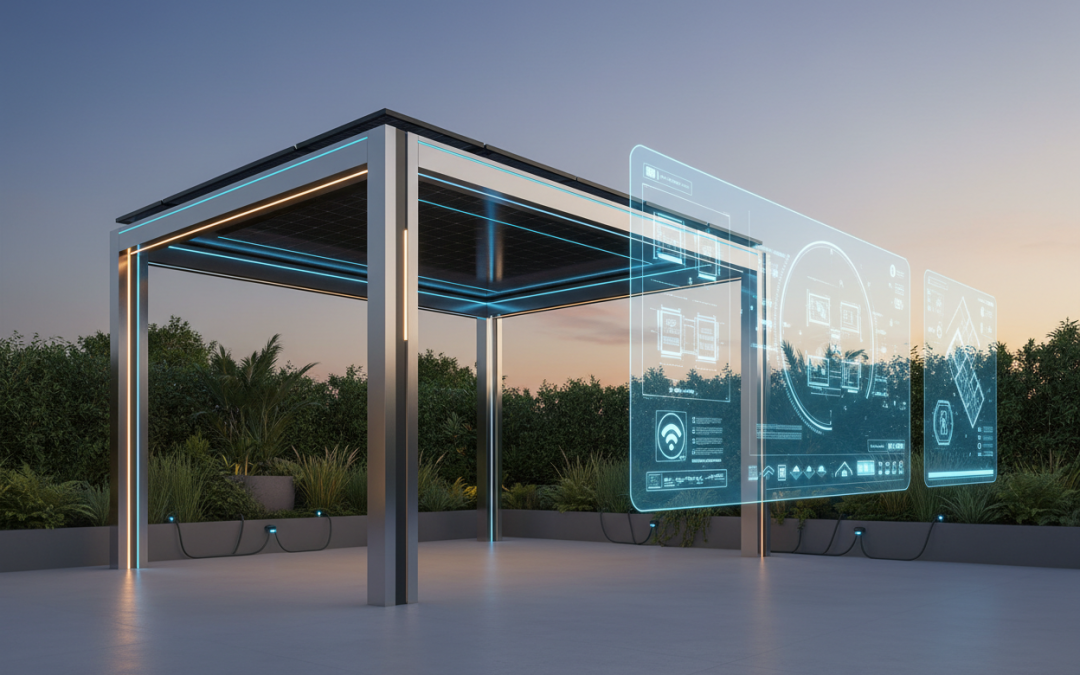
The Future of Custom Pergola Technology and Innovation
As we step into an era where outdoor living has become more important than ever, the humble pergola is experiencing a remarkable transformation. What once was a simple wooden structure providing basic shade has evolved into a sophisticated outdoor living solution powered by cutting-edge technology. The future of custom pergola technology promises to revolutionize how we experience our outdoor spaces, blending traditional craftsmanship with innovative features that would have seemed like science fiction just a decade ago.
From smart automation systems to sustainable materials and climate-responsive designs, today’s pergolas are becoming integral parts of our connected homes. This evolution isn’t just about adding bells and whistles – it’s about creating outdoor environments that adapt to our needs, enhance our comfort, and seamlessly integrate with our digital lifestyles.
Table of Contents
1. Smart Pergola Systems: The Rise of Automated Outdoor Living
2. Sustainable Materials and Eco-Friendly Innovations
3. Climate-Responsive Design Technology
4. Integration with Smart Home Ecosystems
5. Advanced Lighting and Entertainment Solutions
6. Future Trends in Pergola Construction and Design
7. The Role of AI and Machine Learning
8. Frequently Asked Questions
Smart Pergola Systems: The Rise of Automated Outdoor Living
The integration of smart technology into pergola design represents one of the most exciting developments in outdoor living innovation. Modern smart pergolas feature motorized louver systems that can automatically adjust based on weather conditions, time of day, or user preferences. These intelligent structures use advanced sensors to detect changes in sunlight, wind speed, and precipitation, responding instantly to provide optimal comfort.
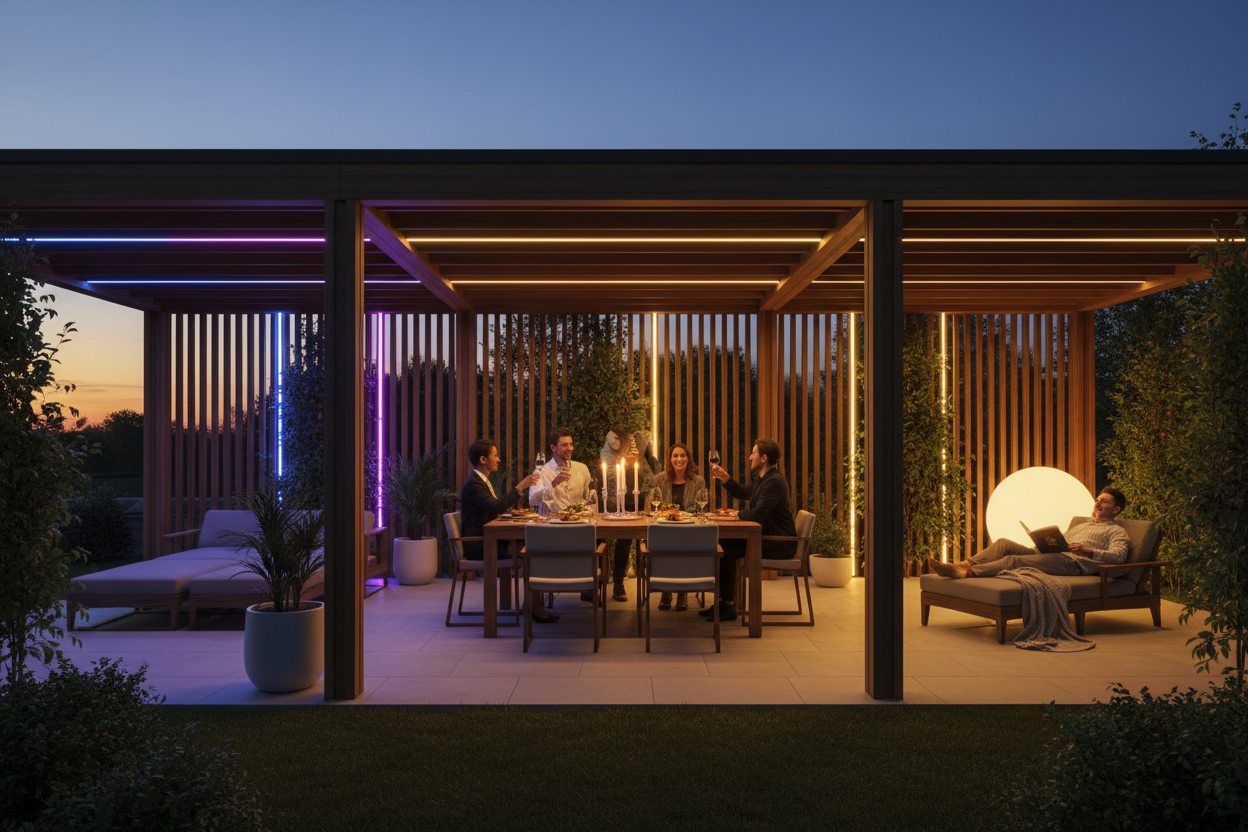
Imagine a pergola that knows when rain is approaching and automatically closes its louvers to keep your outdoor furniture dry. Or one that gradually adjusts throughout the day to maintain perfect shade coverage as the sun moves across the sky. This isn’t futuristic thinking anymore – it’s happening right now in backyards across the country.
The convenience factor extends beyond weather protection. Many smart pergola systems now include integrated sound systems, allowing homeowners to create the perfect ambiance for outdoor entertaining. Voice control compatibility with popular smart home assistants means you can adjust your pergola settings without interrupting your outdoor activities.
Sustainable Materials and Eco-Friendly Innovations
Environmental consciousness is driving significant innovation in pergola materials and construction methods. Traditional wood is being supplemented and sometimes replaced by sustainable alternatives that offer superior durability while reducing environmental impact. Recycled aluminum, composite materials made from recycled plastics, and sustainably harvested timber are becoming standard options for eco-minded homeowners.
One particularly exciting development is the emergence of bio-based materials that can actually improve over time. Some manufacturers are experimenting with living pergola systems that incorporate growing plants as structural elements, creating structures that become more beautiful and functional as they mature.
Solar integration is another area where sustainability meets functionality. Modern pergolas can incorporate photovoltaic panels seamlessly into their design, generating clean energy while providing shade. These solar pergolas can power their own smart systems and even contribute excess energy back to the home’s electrical grid.
Climate-Responsive Design Technology
The future of pergola design lies in structures that actively respond to environmental conditions. Advanced materials with shape-memory properties can automatically adjust their configuration based on temperature changes. This means pergolas that naturally open up during cool mornings and gradually close as the day heats up, all without any mechanical systems.
Thermal regulation technology is becoming increasingly sophisticated, with some pergolas featuring integrated misting systems, radiant heating elements, and even air circulation fans that activate based on ambient conditions. These systems work together to create microclimates that can be 10-15 degrees cooler in summer or significantly warmer during cooler seasons.
Water management is another critical aspect of climate-responsive design. Future pergolas will feature integrated rainwater collection systems that not only protect the space below but also harvest precipitation for irrigation or other uses. Smart drainage systems will prevent water accumulation while directing runoff to beneficial locations in the landscape.
Integration with Smart Home Ecosystems
The most impressive aspect of modern pergola technology is how seamlessly these structures integrate with existing smart home systems. Through Wi-Fi connectivity and compatible apps, homeowners can monitor and control their pergolas remotely, schedule automatic adjustments, and even receive maintenance alerts.
This integration extends to security systems as well. Motion sensors and integrated cameras can make pergolas part of a home’s overall security network, providing additional monitoring coverage for outdoor spaces. Some systems can even detect unusual activity and automatically adjust lighting or alert homeowners to potential issues.
Energy management becomes more sophisticated when pergolas are connected to home automation systems. Smart pergolas can coordinate with indoor climate control systems, reducing cooling costs by providing optimal shade during peak sun hours and opening up to allow warming sunlight during cooler periods.
Advanced Lighting and Entertainment Solutions
The entertainment possibilities for future pergolas are virtually limitless. Integrated LED lighting systems can create dynamic color displays for special occasions, provide task lighting for outdoor dining, or offer gentle ambient lighting for evening relaxation. These systems often feature circadian rhythm programming that automatically adjusts color temperature throughout the day to support natural sleep cycles.
High-definition projection systems are being built directly into pergola structures, creating outdoor theaters that rival indoor entertainment spaces. Weather-resistant screens that can retract when not in use maintain the structure’s aesthetic appeal while providing impressive viewing experiences.
Wireless charging stations integrated into pergola seating and surfaces ensure that outdoor entertainment never has to be interrupted by dead batteries. These charging zones use the latest inductive technology to power devices safely, even in outdoor environments.
Future Trends in Pergola Construction and Design
Looking ahead, several emerging trends are set to reshape the pergola industry. Modular construction techniques will make custom pergolas more affordable and faster to install, while still allowing for complete personalization. These systems use precision-manufactured components that can be configured in countless ways to suit specific spaces and needs.
3D printing technology is beginning to influence pergola design, particularly for custom hardware and decorative elements. This technology allows for incredibly detailed customization at reasonable costs, enabling homeowners to incorporate unique design elements that would be prohibitively expensive using traditional manufacturing methods.
Augmented reality tools are revolutionizing the design and planning process. Homeowners can now visualize their future pergola in their actual outdoor space before construction begins, making adjustments and refinements in real-time to ensure the final result exceeds expectations.
The Role of AI and Machine Learning
Artificial intelligence is beginning to play a significant role in pergola automation and optimization. Machine learning algorithms can analyze usage patterns, weather data, and user preferences to automatically optimize pergola settings for maximum comfort and energy efficiency.
Predictive maintenance systems powered by AI can monitor pergola components and predict when maintenance will be needed, preventing failures and extending the structure’s lifespan. These systems can even order replacement parts automatically when sensors detect wear patterns that indicate impending component failure.
AI-driven design tools are helping architects and designers create more efficient and beautiful pergola structures. These systems can analyze site conditions, local climate data, and aesthetic preferences to suggest optimal designs that balance form, function, and efficiency.
Conclusion
The future of custom pergola technology represents an exciting convergence of traditional outdoor living with cutting-edge innovation. As these structures become more intelligent, sustainable, and integrated with our digital lives, they’re transforming from simple shade providers into sophisticated outdoor living systems that enhance our connection with nature while providing unprecedented comfort and convenience.
The trends we’re seeing today – from smart automation and sustainable materials to AI-powered optimization – are just the beginning. As technology continues to advance and our understanding of outdoor living evolves, we can expect pergolas to become even more integral to how we design and experience our homes.
For homeowners considering a pergola investment, the message is clear: the future is bright for outdoor living technology. Whether you’re drawn to the convenience of smart automation, the appeal of sustainable materials, or the excitement of integrated entertainment systems, there’s never been a better time to explore what modern pergola technology can offer.
Frequently Asked Questions
How much do smart pergolas typically cost compared to traditional ones?
Smart pergolas generally cost 30-50% more than traditional structures, but the investment often pays for itself through energy savings, increased home value, and enhanced outdoor living experience. Prices vary widely based on features and customization levels.
Can existing pergolas be retrofitted with smart technology?
Yes, many smart features can be added to existing pergolas, including motorized louvers, lighting systems, and weather sensors. However, the extent of possible upgrades depends on the structure’s current design and construction.
How reliable are automated pergola systems in harsh weather conditions?
Modern automated pergola systems are designed to withstand extreme weather conditions. Most include fail-safe mechanisms that ensure the structure remains secure even if power or connectivity is lost during storms.
What maintenance do smart pergolas require?
Smart pergolas typically require annual inspections of mechanical components, regular cleaning of sensors, and occasional software updates. Many systems include self-diagnostic features that alert owners to maintenance needs.
Are smart pergolas energy efficient?
Yes, smart pergolas often reduce overall energy consumption by optimizing shade and climate control. Solar-integrated models can actually generate more energy than they consume, contributing to household energy savings.
How long do modern pergola materials last?
Advanced materials used in modern pergolas, such as powder-coated aluminum and engineered composites, can last 25-50 years with minimal maintenance, significantly longer than traditional wood structures.

Frisco TX pergola builders | Keathley Landscaping

Plano TX custom pergolas | Keathley Landscaping

Lowry Crossing TX custom pergolas | Keathley Landscaping

Lakewood Dallas TX luxury custom pergolas | Keathley Landscaping

Plano TX luxury custom pergolas | Keathley Landscaping

Rowlett TX outdoor living contractor | Keathley Landscaping

McKinney TX covered patio contractors near me | Keathley Landscaping

Rose Hill TX pergola companies near me | Keathley Landscaping

Rockwall TX custom patio cover builders | Keathley Landscaping

Frisco TX luxury custom pergolas | Keathley Landscaping

Garland TX outdoor living space contractors | Keathley Landscaping

Fate TX custom patio cover builders | Keathley Landscaping

McKinney TX outdoor living space contractors | Keathley Landscaping

Sachse TX custom patio cover cost | Keathley Landscaping

Richardson TX outdoor living space contractors | Keathley Landscaping

Parker TX pergolas | Keathley Landscaping

Lakewood Dallas TX custom patio covers | Keathley Landscaping

Rowlett TX custom wood pergola | Keathley Landscaping

Plano TX custom patio covers | Keathley Landscaping

Murphy TX pergola companies near me | Keathley Landscaping

Lake Highlands Dallas TX custom wood pergola | Keathley Landscaping

Fate TX outdoor living space contractors | Keathley Landscaping

Parker TX custom patio cover cost | Keathley Landscaping

Lavon TX pergolas | Keathley Landscaping

Lavon TX pergola builders | Keathley Landscaping

Rose Hill TX custom patio cover builders | Keathley Landscaping

Parker TX covered patio contractors near me | Keathley Landscaping

Garland TX custom patio cover cost | Keathley Landscaping

cost of sod and installation Lake Highlands Dallas Texas

grass contractor Mobile City Texas

sod lawn installation Lavon Texas

sod installation services Lucas Texas

sod installation cost Frisco Texas

sod installation near me Lucas Texas

grass installation Lucas Texas

cost of sod and installation McKinney Texas

sod installation cost Dallas Texas

sod grass installation Mobile City Texas

sod installation company Frisco Texas

sod installation near me Highland Park Texas

lawn sod installation near me Lucas Texas

sod lawn installation Lucas Texas

sod installation companies near me Lake Highlands Dallas Texas

grass contractor Rowlett Texas

sod grass installation Murphy Texas

sod lawn installation Rose Hill Texas

sod installation cost Preston Hollow Dallas Texas

lawn sod installation Rose Hill Texas

sod installation company Lucas Texas

cost for sod installation Frisco Texas

sod lawn installation Garland Texas

cost of sod and installation Lavon Texas

price for sod installation Lowry Crossing Texas

lawn sod installation near me Rowlett Texas

grass installation Fate Texas

sod installation company near me Frisco Texas

drainage contractors near me Parker Texas

drainage specialist near me Lucas Texas

drain cleaning company near me Lavon Texas

drainage solutions near me Highland Park Texas

channel drain cleaning McKinney Texas

yard drainage Parker Texas

outdoor drain repair Rose Hill Texas

drain contractor Highland Park Texas

drain cleaning Lowry Crossing Texas

yard drainage specialist near me Mobile City Texas

drain cleaning company near me Plano Texas

drain cleaning company near me Lucas Texas

drainage company near me Highland Park Texas

drain contractor Wylie Texas

landscape drainage Lucas Texas

landscape drainage contractor near me Lucas Texas

drain contractor Dallas Texas

channel drain cleaning Richardson Texas

channel drain cleaning Murphy Texas

drain Richardson Texas

drainage specialist near me McKinney Texas

yard drainage Mobile City Texas

drain cleaning Rowlett Texas

landscape drainage contractor near me Murphy Texas

landscape drainage Fairview Texas

landscape drain Dallas Texas

yard drainage Sachse Texas

Recent Comments