
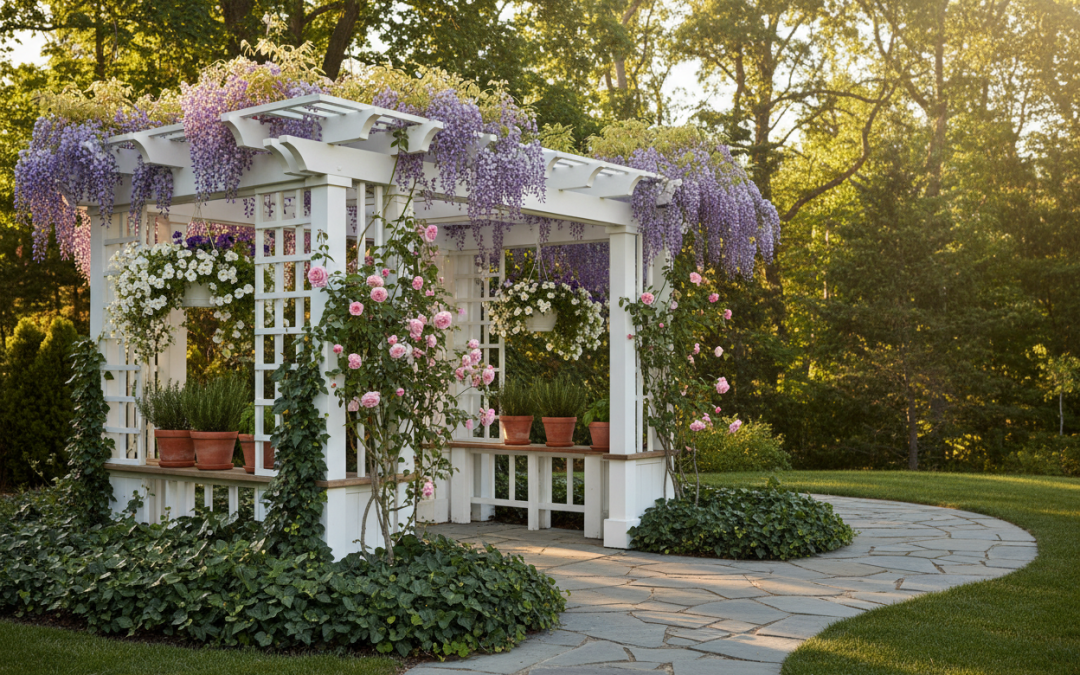
The Best Plants to Grow on Custom Pergola Structures: A Complete Guide to Creating Your Perfect Garden Oasis
Table of Contents
1. Introduction to Pergola Gardening
2. Understanding Your Pergola Structure and Growing Conditions
3. Top Flowering Vines for Custom Pergolas
4. Edible Plants That Thrive on Pergola Structures
5. Low-Maintenance Climbing Plants for Busy Gardeners
6. Seasonal Considerations for Pergola Plant Selection
7. Essential Care Tips for Pergola Plants
8. Common Mistakes to Avoid When Growing Plants on Pergolas
9. Frequently Asked Questions
10. Conclusion
Introduction to Pergola Gardening
There’s something magical about sitting beneath a pergola draped with lush, flowering vines on a warm summer evening. The dappled sunlight filtering through green leaves, the sweet fragrance of blooming flowers, and the natural privacy created by climbing plants transform any outdoor space into a personal sanctuary. If you’ve invested in a custom pergola structure, you’re probably wondering which plants will help you achieve this dreamy garden oasis.
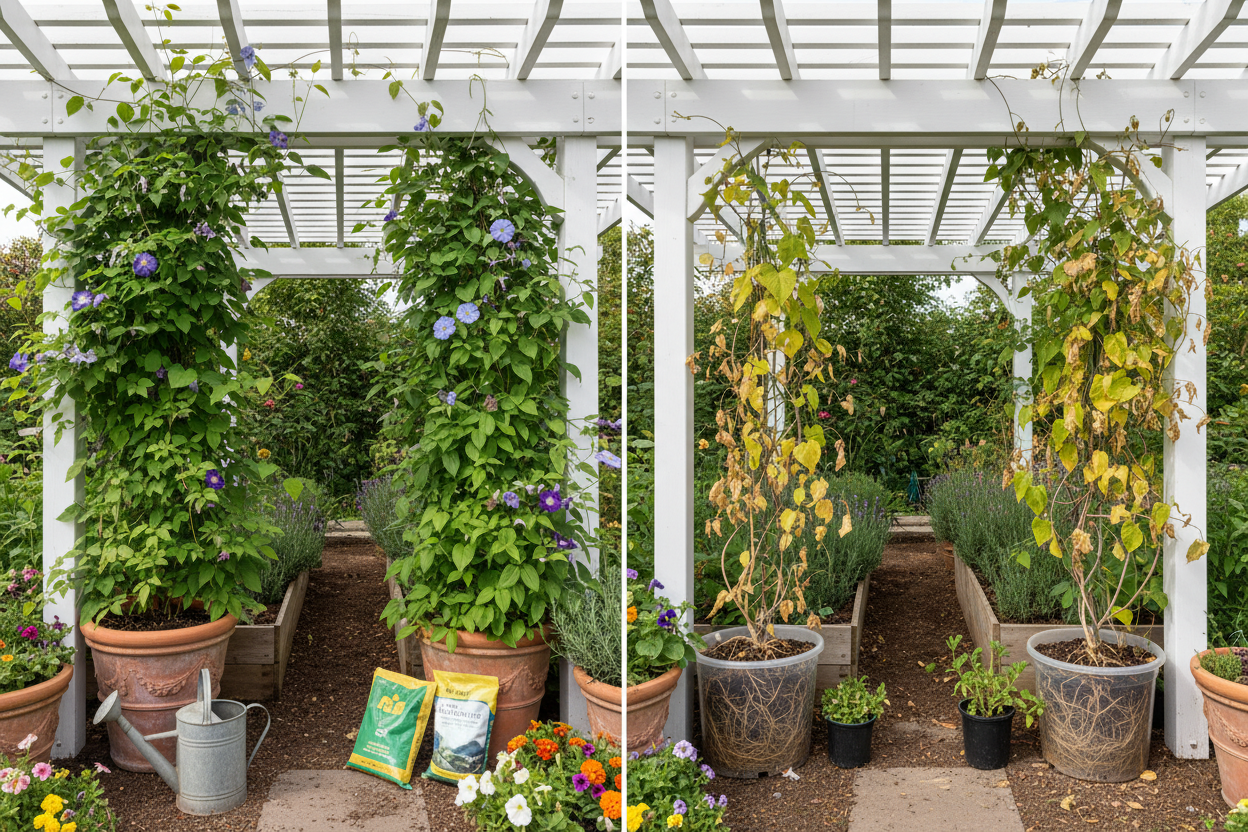
Choosing the right plants for your pergola isn’t just about aesthetics – though that’s certainly important. The plants you select will determine how much shade and privacy you’ll enjoy, the maintenance requirements of your outdoor space, and even whether you’ll have fresh herbs or fruits to harvest. Whether you’re working with a traditional wooden pergola, a modern metal structure, or something completely custom-designed, the right plant selection can make or break your pergola experience.
In this comprehensive guide, we’ll explore the best plants for custom pergola structures, taking into account factors like climate, maintenance requirements, growth patterns, and visual appeal. From fragrant flowering vines that attract butterflies to productive edible climbers that provide fresh produce, we’ll help you create the perfect green canopy for your outdoor living space.

Understanding Your Pergola Structure and Growing Conditions
Before diving into specific plant recommendations, it’s crucial to understand your pergola’s unique characteristics and the growing conditions it provides. Custom pergola structures come in various materials, sizes, and designs, each offering different advantages for plant growth.
The material of your pergola affects both the structural support available for climbing plants and the microclimate beneath it. Wooden pergolas typically provide excellent grip for twining vines and create a warmer microenvironment, while metal structures might require additional support systems but offer superior durability for heavy plants. Stone or concrete pergolas provide the most robust support but may create cooler growing conditions.
Consider the orientation of your pergola as well. A south-facing structure receives the most sunlight throughout the day, making it ideal for sun-loving flowering vines. East-facing pergolas get gentle morning sun, perfect for plants that prefer partial shade, while west-facing structures experience intense afternoon heat that only the most drought-tolerant plants can handle.
The spacing between pergola beams also influences plant selection. Wider spacing allows more light to filter through, supporting a broader range of plants, while closer spacing creates deeper shade that favors foliage plants over flowering varieties. Understanding these factors will help you choose plants that will truly thrive in your specific pergola environment.
Top Flowering Vines for Custom Pergolas
When most people envision their dream pergola, they picture it adorned with beautiful flowering vines that provide both visual appeal and delightful fragrances. These climbing beauties can transform your pergola into a stunning focal point that changes with the seasons.
Wisteria stands out as perhaps the most spectacular pergola plant, with its cascading clusters of purple, pink, or white flowers creating a breathtaking spring display. However, wisteria requires careful management due to its vigorous growth and potential to damage structures if left unchecked. For custom pergolas built to accommodate its weight and growth pattern, wisteria creates an unforgettable canopy that’s worth the extra maintenance effort.
Clematis offers incredible variety in a more manageable package. With hundreds of cultivars available, you can find clematis varieties that bloom in nearly every color and season. Large-flowered varieties like ‘Jackmanii’ provide dramatic purple blooms, while smaller-flowered types like sweet autumn clematis create clouds of fragrant white flowers. The key to success with clematis is providing cool roots and sunny tops – perfect for pergola growing conditions.
For those seeking year-round interest, evergreen climbing roses provide structure even in winter while delivering spectacular summer blooms. Varieties like ‘Eden’ or ‘New Dawn’ offer repeat flowering and disease resistance, making them excellent choices for pergola cultivation. The thorny canes provide natural security while the blooms attract beneficial pollinators to your garden.
Honeysuckle brings both visual beauty and incredible fragrance to pergola structures. Native varieties like trumpet honeysuckle attract hummingbirds with their tubular red flowers, while Japanese honeysuckle provides intense evening fragrance. Be cautious with invasive varieties and choose native or well-behaved cultivars for sustainable pergola gardening.
Edible Plants That Thrive on Pergola Structures
Why not combine beauty with productivity? Growing edible plants on your custom pergola structure allows you to harvest fresh produce while enjoying natural shade and privacy. This approach maximizes the functionality of your outdoor space while reducing your grocery bill.
Grape vines represent the classic choice for pergola cultivation, and for good reason. They provide excellent shade coverage, produce delicious fruit, and create an authentic Mediterranean atmosphere. Table grape varieties like ‘Flame Seedless’ or ‘Thompson Seedless’ are perfect for eating fresh, while wine grape varieties can be used for homemade beverages. Grapes require annual pruning but are relatively low-maintenance once established.
Hardy kiwi vines offer an exotic alternative that’s surprisingly well-suited to many climates. These vigorous climbers produce smooth-skinned, grape-sized fruits with incredible flavor. You’ll need both male and female plants for fruit production, but the harvest is worth the space investment. The heart-shaped leaves create beautiful shade patterns, and the vines can support substantial weight loads.
Passion fruit vines bring tropical flair to pergola structures in warmer climates. The intricate flowers are stunning conversation pieces, while the fruits provide exotic flavors for beverages and desserts. In cooler areas, annual varieties or container growing allows you to enjoy passion fruit even if you need to protect plants during winter.
Don’t overlook the humble hop vine if you’re interested in home brewing or simply want a fast-growing annual climber. Hops can reach 20 feet in a single season, providing quick shade and privacy. The cone-shaped flowers are attractive and useful, while the vigorous growth dies back each winter, allowing for easy pergola maintenance.
Low-Maintenance Climbing Plants for Busy Gardeners
Not everyone has time for intensive garden maintenance, and that’s perfectly okay. Many excellent climbing plants thrive with minimal care once established, making them perfect for busy homeowners who want beautiful pergola coverage without constant attention.
Virginia creeper tops the list for low-maintenance pergola plants. This native North American vine grows rapidly, provides excellent coverage, and requires virtually no care once established. The five-leaflet foliage creates dense shade in summer and turns brilliant red in fall. Virginia creeper is self-clinging, so it won’t require extensive support systems, and it’s completely deciduous, allowing winter sunlight to reach your pergola area.
Boston ivy offers similar benefits with a different leaf structure. Its three-lobed leaves create an elegant tapestry effect, and like Virginia creeper, it provides stunning fall color. Both of these vines are excellent choices for pergolas where you want seasonal variation in light levels.
For evergreen coverage with minimal maintenance, consider hardy varieties of ivy. English ivy provides year-round greenery and grows in almost any conditions, though it can become invasive in some regions. Alternative evergreen climbers like wintercreeper euonymus offer similar benefits with better behavior in most climates.
Trumpet vine delivers spectacular orange or red trumpet-shaped flowers that hummingbirds adore, and it thrives in poor soils with minimal water once established. However, its aggressive spreading habit requires occasional management to prevent it from taking over neighboring plants or structures.
Seasonal Considerations for Pergola Plant Selection
Creating a pergola garden that provides interest throughout the year requires careful consideration of seasonal growth patterns and blooming cycles. The best pergola plantings combine species that offer different seasonal highlights while maintaining overall structure and appeal.
Spring brings the most dramatic displays from many pergola plants. Early bloomers like wisteria and some clematis varieties create stunning canopies of flowers just as outdoor living season begins. Planning for spring interest means selecting plants that bloom before the heat of summer and provide fresh growth to replace any winter damage.
Summer is when your pergola plants need to provide maximum shade and cooling. This is the season when grape vines, hardy kiwis, and other fruit-producing climbers are at their peak foliage density. Summer-blooming varieties like trumpet vine and repeat-flowering roses extend the color season while providing essential shade coverage.
Fall offers opportunities for spectacular foliage displays. Virginia creeper, Boston ivy, and many grape varieties provide brilliant autumn colors that rival any traditional landscape tree. Planning for fall interest means including deciduous climbers that offer seasonal variety rather than relying solely on evergreen species.
Winter considerations are often overlooked but equally important. Evergreen climbers provide structure and some coverage during the dormant season, while deciduous plants allow maximum sunlight penetration when you might want solar heat gain. Some pergola gardeners prefer the architectural beauty of bare vine structures in winter, while others want year-round coverage.
Essential Care Tips for Pergola Plants
Successfully growing plants on pergola structures requires understanding their unique needs and challenges. Unlike ground-level gardening, pergola plants face different environmental stresses and require specialized care approaches.
Watering pergola plants can be challenging since they’re often elevated and may not receive natural rainfall as effectively as ground-level plantings. Drip irrigation systems work excellently for pergola applications, providing consistent moisture without creating overhead spray that might make your pergola area uncomfortable to use. Deep, infrequent watering encourages strong root systems that can better support vigorous top growth.
Pruning is perhaps the most critical aspect of pergola plant care. Most climbing plants require annual pruning to maintain appropriate size, encourage flowering, and prevent structural damage to your pergola. Winter is typically the best time for major pruning, when plants are dormant and you can clearly see the structure. However, spring-blooming plants like wisteria should be pruned immediately after flowering to avoid removing next year’s flower buds.
Fertilizing pergola plants requires a balanced approach. Too much nitrogen encourages excessive foliage growth at the expense of flowers and fruits, while insufficient nutrition results in poor coverage and weak growth. A balanced, slow-release fertilizer applied in early spring typically provides adequate nutrition for most pergola plants throughout the growing season.
Support systems become crucial as plants mature and gain weight. Even custom pergolas designed for plant loads may need additional support cables or training systems for particularly vigorous species. Regular inspection of support structures prevents damage to both plants and pergola components.
Common Mistakes to Avoid When Growing Plants on Pergolas
Learning from others’ mistakes can save you time, money, and frustration in your pergola gardening journey. These common pitfalls catch many gardeners off guard, but they’re easily avoided with proper planning and knowledge.
Underestimating mature plant size ranks as the most frequent mistake in pergola gardening. That small wisteria plant may look insignificant in its nursery pot, but it can easily reach 30 feet or more and weigh hundreds of pounds when mature. Always research ultimate plant sizes and plan accordingly, even if it means waiting longer for coverage.
Choosing invasive species without understanding their growth habits can turn your beautiful pergola into a maintenance nightmare. Plants like kudzu or certain honeysuckle varieties may provide quick coverage but can quickly escape control and damage both your pergola and surrounding landscape. Always research local invasive species lists before making plant selections.
Neglecting structural considerations leads to expensive repairs down the road. Plants create substantial wind loads during storms, and their weight increases significantly when wet. Ensure your pergola is designed and built to handle mature plant loads, including extreme weather conditions.
Ignoring maintenance requirements is another costly mistake. Some beautiful pergola plants require regular, skilled pruning to prevent structural damage and maintain health. If you’re not prepared to provide this maintenance or hire professionals, choose lower-maintenance alternatives that still provide the coverage and beauty you desire.
Frequently Asked Questions
How long does it take for pergola plants to provide full coverage?
Coverage time varies significantly by species and growing conditions. Fast-growing annuals like hops can provide substantial coverage in a single season, while slower species like grape vines might take 2-3 years to establish good coverage. Wisteria and other vigorous perennials typically provide excellent coverage within 3-5 years when properly cared for.
Can I grow multiple plant species on the same pergola?
Yes, combining different species can create more interesting and diverse pergola coverage. However, choose plants with similar care requirements and growth rates to prevent one species from overwhelming others. Consider combining a structural plant like grape vines with seasonal color from annual climbers or different blooming periods from various clematis varieties.
What should I do if my pergola plants become too heavy for the structure?
Regular pruning is the best prevention for weight issues. If plants have already become too heavy, carefully remove excess growth during the dormant season and consider installing additional support cables or posts. In extreme cases, you may need to remove and replant with more appropriate species for your pergola’s structural capacity.
Do pergola plants attract unwanted pests or wildlife?
Most pergola plants attract beneficial wildlife like birds and butterflies, which is generally desirable. However, fruit-producing plants may attract wasps or other insects during harvest season. Proper plant selection and maintenance, along with regular cleanup of fallen fruit, minimizes pest issues while maximizing beneficial wildlife attraction.
Can I grow pergola plants in containers instead of planting them in the ground?
Container growing is possible for smaller pergola plants but requires more intensive maintenance including regular watering and fertilizing. Large containers are necessary for adequate root space, and you’ll need to consider winter protection in cold climates. Container growing works best for annual climbers or smaller perennial species rather than large, permanent installations.
Conclusion
Creating the perfect plant-covered pergola is both an art and a science, requiring careful consideration of your specific conditions, maintenance capabilities, and aesthetic goals. The plants you choose will literally shape your outdoor living experience for years to come, providing shade, privacy, beauty, and potentially even fresh produce.
Whether you’re drawn to the spectacular spring display of wisteria, the productive potential of grape vines, or the low-maintenance appeal of Virginia creeper, success lies in matching plant characteristics to your pergola’s conditions and your personal preferences. Remember that the best pergola garden evolves over time, allowing you to learn from experience and adjust your plantings as needed.
The investment in properly planned and planted pergola coverage pays dividends in increased outdoor living enjoyment, enhanced property value, and the deep satisfaction that comes from creating a beautiful, functional garden space. Take time to plan carefully, choose appropriate species for your climate and conditions, and don’t be afraid to start small and expand your pergola garden over time.
Your custom pergola structure represents the foundation of what could become your favorite outdoor retreat. With the right plant selections and proper care, you’ll soon be enjoying the dappled shade, natural privacy, and seasonal beauty that only a well-planted pergola can provide. The journey from bare structure to lush garden canopy is one of the most rewarding experiences in gardening, and the destination is worth every bit of effort you invest along the way.

Garland TX covered patios | Keathley Landscaping

Lake Highlands Dallas TX custom patio cover builders | Keathley Landscaping

Wylie TX custom wood pergola | Keathley Landscaping

Lowry Crossing TX outdoor living space contractors | Keathley Landscaping

Allen TX custom patio cover cost | Keathley Landscaping

Allen TX custom patio covers | Keathley Landscaping

Dallas TX luxury custom pergolas | Keathley Landscaping

Dallas TX outdoor living space contractors | Keathley Landscaping

Sachse TX custom pergolas | Keathley Landscaping

Highland Park TX outdoor living space contractors | Keathley Landscaping

Mobile City TX outdoor living contractor | Keathley Landscaping

Lakewood Dallas TX custom wood pergola | Keathley Landscaping

Lake Highlands Dallas TX luxury custom pergolas | Keathley Landscaping

Lucas TX custom wood pergola | Keathley Landscaping

Wylie TX custom pergolas | Keathley Landscaping

Lowry Crossing TX outdoor living contractor | Keathley Landscaping

McKinney TX luxury custom pergolas | Keathley Landscaping

Rockwall TX covered patios | Keathley Landscaping

McKinney TX custom wood pergola | Keathley Landscaping

Mobile City TX custom wood pergola | Keathley Landscaping

Plano TX custom patio cover cost | Keathley Landscaping

Lavon TX covered patio contractors near me | Keathley Landscaping

Lucas TX outdoor living contractor | Keathley Landscaping

Rowlett TX outdoor living contractor | Keathley Landscaping

Highland Park TX covered patios | Keathley Landscaping

Mobile City TX pergola companies near me | Keathley Landscaping

Rowlett TX covered patio contractors near me | Keathley Landscaping

Lake Highlands Dallas TX pergola companies near me | Keathley Landscaping

grass installation Dallas Texas

sod grass installation Allen Texas

sod company Sachse Texas

installation of sod cost Lavon Texas

cost of sod and installation Rowlett Texas

sod installation company near me Richardson Texas

residential sod installation Richardson Texas

cost of sod installation Lavon Texas

price of sod installation Lowry Crossing Texas

sod grass installation Plano Texas

sod installation companies Parker Texas

cost of sod installation Highland Park Texas

sod contractors Allen Texas

sod installation companies near me Rowlett Texas

sod installation company Lowry Crossing Texas

sod installation service Garland Texas

sod installation near me Fairview Texas

installation of sod cost McKinney Texas

price of sod installation Garland Texas

sod installation companies Rowlett Texas

sod installation company Wylie Texas

lawn sod installation near me Rowlett Texas

installation of sod cost Sachse Texas

sod company Allen Texas

sod contractors Preston Hollow Dallas Texas

sod installation near me Rose Hill Texas

residential sod installation Lavon Texas

sod installation services Mobile City Texas

landscape drainage Lakewood Dallas Texas

outdoor drain repair Rowlett Texas

drainage specialist near me Mobile City Texas

yard drainage specialist near me Frisco Texas

drainage company Sachse Texas

drain Allen Texas

drain contractor Rose Hill Texas

yard drainage Murphy Texas

channel drain cleaning Lakewood Dallas Texas

drainage solutions near me Murphy Texas

drain Frisco Texas

drain Rowlett Texas

drain Lucas Texas

drainage company Fate Texas

channel drain cleaning Mobile City Texas

drainage Mobile City Texas

channel drain cleaning Garland Texas

drainage contractors near me Rose Hill Texas

outdoor drain repair Lavon Texas

landscape drainage contractor near me Wylie Texas

yard drainage Plano Texas

drainage solutions near me Mobile City Texas

landscape drainage contractor near me Lake Highlands Dallas Texas

yard drainage Richardson Texas

channel drain cleaning Lake Highlands Dallas Texas

outdoor drain repair Rose Hill Texas

yard drainage contractors near me Murphy Texas

Recent Comments