
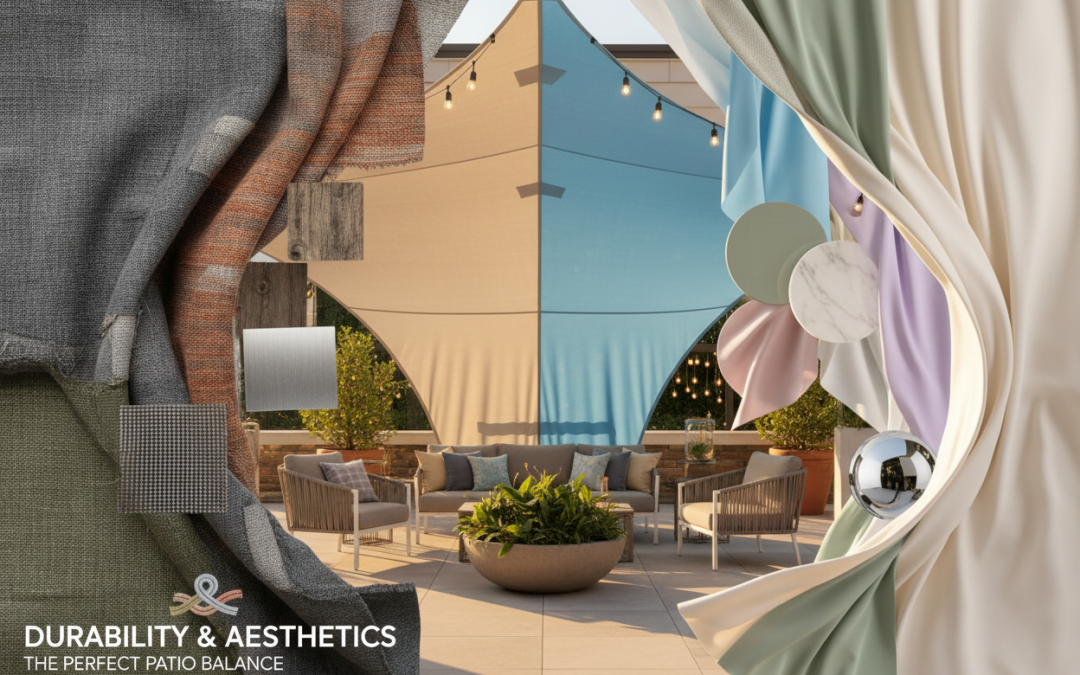
Custom Patio Cover Fabric Options: Durability vs Aesthetics
Choosing the perfect fabric for your custom patio cover can feel like walking a tightrope between practicality and beauty. On one hand, you want something that’ll withstand whatever Mother Nature throws at it. On the other, you’re dreaming of that Instagram-worthy outdoor space that makes your neighbors green with envy. The good news? You don’t have to sacrifice one for the other.
After helping countless homeowners navigate this decision over the years, I’ve learned that the best patio cover fabrics are those that strike the perfect balance between durability and visual appeal. Let’s dive into everything you need to know about custom patio cover fabric options, so you can make an informed choice that you’ll love for years to come.
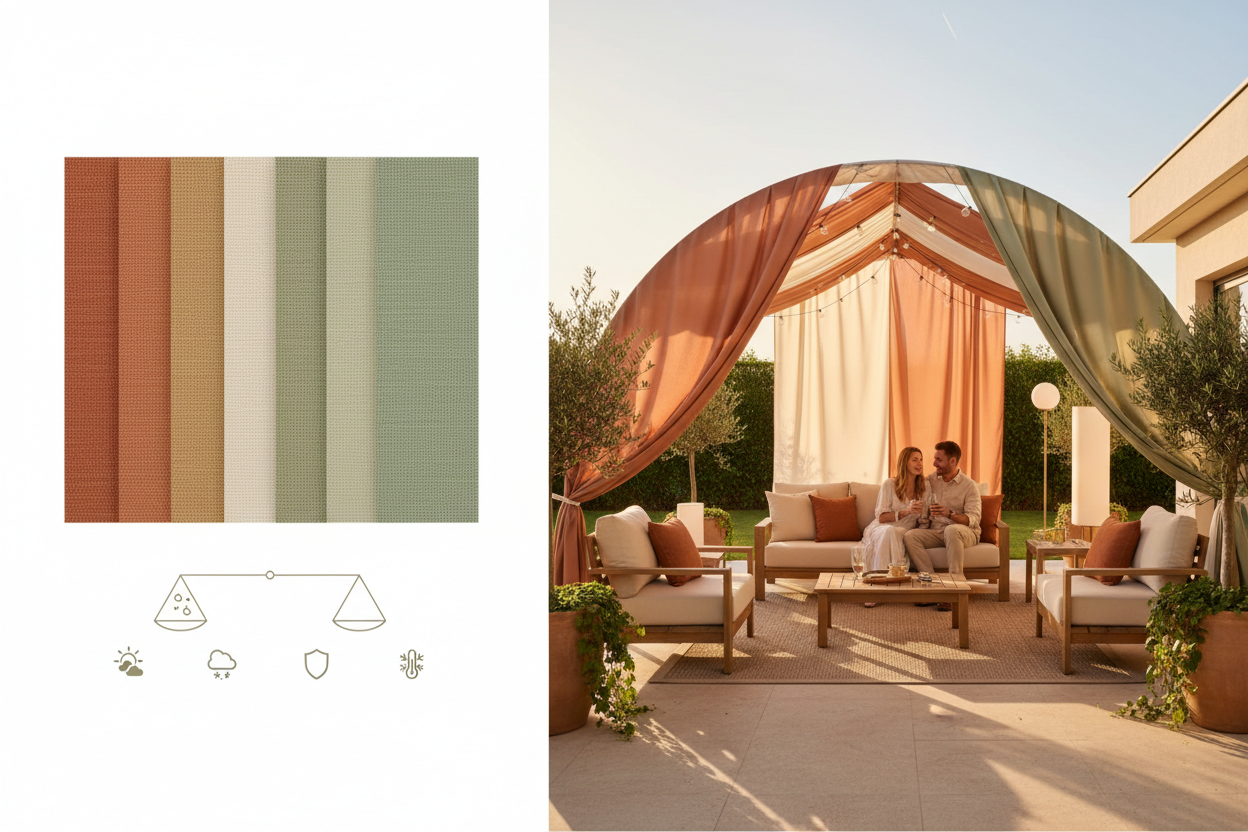
Table of Contents
1. Understanding Patio Cover Fabric Basics
2. The Durability Factor: What Makes Fabric Last
3. Aesthetic Considerations for Patio Cover Fabrics
4. Top Fabric Options for Custom Patio Covers
5. Balancing Durability and Aesthetics
6. Maintenance Tips for Long-lasting Beauty
7. Cost Considerations and Value
8. Making Your Final Decision
9. Frequently Asked Questions
Understanding Patio Cover Fabric Basics
Before we jump into the nitty-gritty of specific materials, it’s important to understand what we’re working with. Patio cover fabrics aren’t your average textile – they’re engineered to handle outdoor conditions while providing comfort and style to your living space.
These specialized fabrics need to resist UV rays, repel water, resist mold and mildew, and maintain their color despite constant sun exposure. At the same time, they should complement your home’s architecture and reflect your personal style. It’s quite a tall order when you think about it.
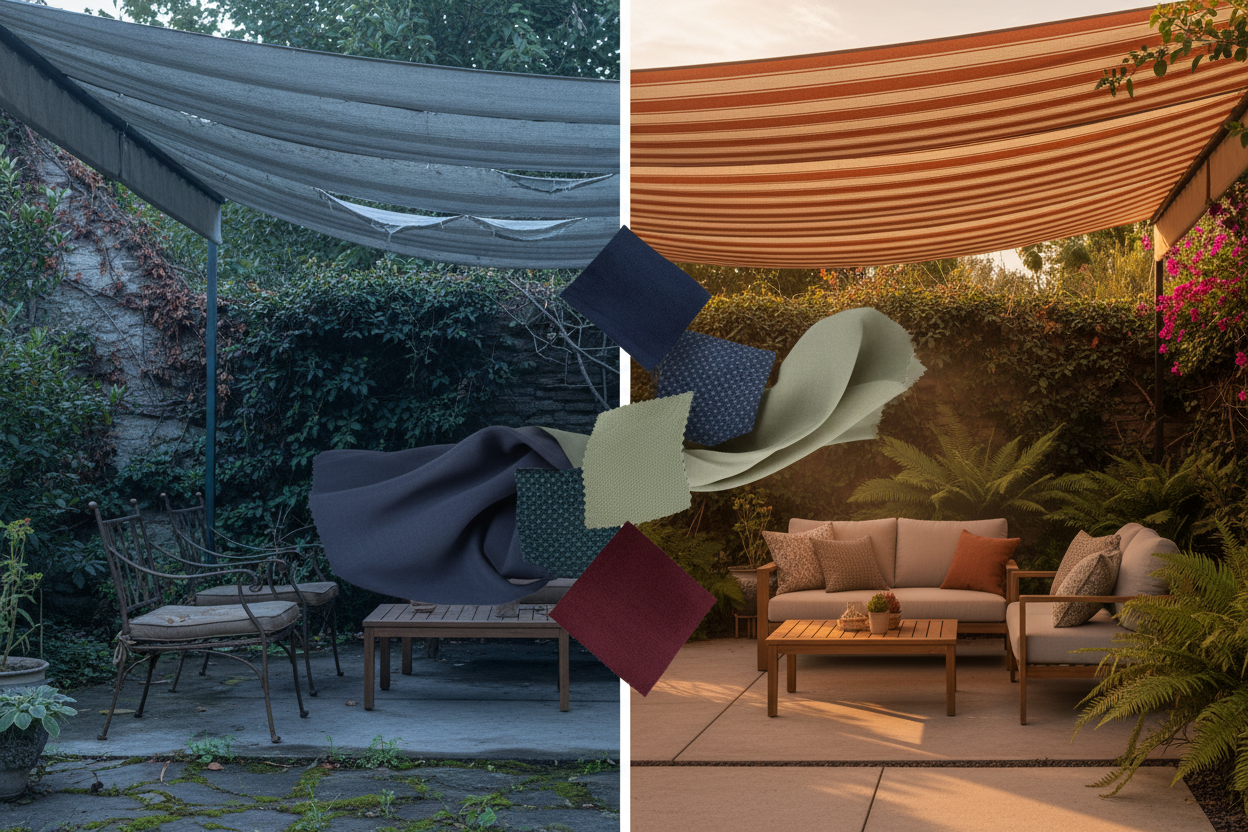
The fabric you choose will directly impact not only how your patio looks but also how much maintenance you’ll need to perform and how long your investment will last. Some homeowners prioritize longevity above all else, while others are willing to replace their covers more frequently in exchange for that perfect aesthetic appeal.
The Durability Factor: What Makes Fabric Last
When we talk about durability in patio cover fabrics, we’re really discussing several key characteristics that work together to ensure longevity. Understanding these factors will help you make a more informed decision about which materials will serve you best.
UV resistance stands at the top of the durability list. Constant sun exposure breaks down fabric fibers over time, causing fading, weakening, and eventual failure. High-quality patio fabrics incorporate UV inhibitors directly into the fiber structure, not just as a surface treatment that can wash away.
Water resistance is equally crucial, even if your patio cover isn’t designed to be completely waterproof. Fabrics that allow moisture to penetrate and linger create perfect breeding grounds for mold and mildew. The best options either repel water entirely or dry quickly after exposure.
Tensile strength determines how well your fabric handles wind, weight, and general stress. A fabric might look beautiful, but if it tears easily or stretches out of shape, you’ll be replacing it sooner than you’d like. Look for fabrics with high denier ratings and reinforced weaving patterns.
Temperature stability ensures your fabric won’t become brittle in cold weather or overly soft in extreme heat. This is particularly important if you live in an area with significant seasonal temperature variations.
Aesthetic Considerations for Patio Cover Fabrics
While durability keeps your patio cover functional, aesthetics make it enjoyable. The visual impact of your fabric choice extends far beyond the patio itself – it affects your entire outdoor living experience and can even influence your home’s curb appeal.
Color selection plays a massive role in both aesthetics and performance. Lighter colors reflect heat and tend to stay cooler, making your patio more comfortable during hot summer days. However, they also show dirt and stains more readily. Darker colors hide imperfections better but can make your space feel smaller and absorb more heat.
Pattern and texture add visual interest and can help tie your outdoor space to your home’s overall design theme. Solid colors offer timeless appeal and versatility, while patterns can create focal points or complement existing outdoor furniture and landscaping.
The fabric’s drape and structure affect how your patio cover looks when installed. Some materials hang in elegant, flowing lines, while others maintain crisp, architectural edges. Consider how the fabric will look both when taut and when it naturally relaxes over time.
Transparency levels determine how much light filters through your cover. Some homeowners prefer complete shade, while others enjoy dappled sunlight. Semi-transparent fabrics can create beautiful lighting effects while still providing UV protection.
Top Fabric Options for Custom Patio Covers
Now let’s explore the most popular fabric options available for custom patio covers, examining how each balances durability and aesthetics.
Solution-dyed acrylic fabrics, like those produced by Sunbrella, represent the gold standard for outdoor applications. These materials have color integrated throughout the fiber during manufacturing, making them incredibly fade-resistant. They offer excellent UV protection, water repellency, and mold resistance while maintaining vibrant colors for years. The aesthetic options are virtually limitless, with hundreds of colors and patterns available.
Vinyl-coated polyester provides maximum waterproofing and is incredibly easy to clean. While it may not have the soft, fabric-like appearance of acrylic options, modern vinyl materials come in attractive colors and textures. They’re particularly suitable for areas that need complete weather protection or where easy maintenance is a top priority.
Mesh fabrics offer excellent airflow and partial sun protection while maintaining visibility. They’re perfect for creating comfortable spaces without completely blocking the view. High-quality mesh materials can be surprisingly durable and come in various colors to complement your outdoor decor.
Canvas materials provide a classic, natural appearance that many homeowners love. Modern outdoor canvas is treated for water and UV resistance, though it typically requires more maintenance than synthetic alternatives. The aesthetic appeal is undeniable – there’s something timeless about canvas that synthetic materials struggle to replicate.
Specialty performance fabrics incorporate advanced technologies like nanotechnology treatments or specialized fiber blends. These materials often command premium prices but can offer superior performance in specific applications, such as extreme weather resistance or enhanced cooling properties.
Balancing Durability and Aesthetics
The secret to successfully balancing durability and aesthetics lies in understanding your specific needs and priorities. There’s no one-size-fits-all solution, but there are strategies that can help you find the sweet spot.
Start by honestly assessing your local climate conditions. If you live in an area with intense sun, frequent storms, or extreme temperature variations, durability should weigh more heavily in your decision. Conversely, if your patio is partially protected or you live in a mild climate, you might have more flexibility to prioritize aesthetics.
Consider your maintenance preferences and capabilities. Some beautiful fabrics require regular cleaning and care to maintain their appearance. If you’re not prepared for this commitment, choose materials that look great with minimal intervention.
Think about your timeline and budget for replacement. If you’re planning to update your outdoor space every few years anyway, you might choose a more aesthetically focused option. For long-term installations, prioritize durability while selecting the most attractive option within that category.
Don’t overlook the importance of proper installation and hardware. Even the most durable fabric won’t perform well if it’s not properly supported and tensioned. Invest in quality mounting systems and professional installation to maximize both performance and appearance.
Maintenance Tips for Long-lasting Beauty
Regardless of which fabric you choose, proper maintenance is essential for preserving both durability and aesthetics over time. The good news is that most high-quality patio cover fabrics are designed to be relatively low-maintenance.
Regular cleaning prevents the buildup of dirt, pollen, and organic matter that can lead to staining and degradation. Most fabrics can be cleaned with mild soap and water using a soft brush. Avoid harsh chemicals or pressure washing, which can damage protective coatings and fibers.
Prompt attention to stains and spills prevents permanent damage. Most quality outdoor fabrics are designed to release stains easily when addressed quickly. Keep appropriate cleaning supplies on hand and don’t let problems linger.
Seasonal inspections help catch small issues before they become major problems. Check for loose hardware, developing tears, or areas where the fabric is showing wear. Early intervention can often extend the life of your patio cover significantly.
Proper storage during extreme weather events protects your investment. If you live in an area prone to severe storms or heavy snow loads, consider retractable options or plan for temporary removal during the worst conditions.
Cost Considerations and Value
When evaluating fabric options, it’s important to consider the total cost of ownership rather than just the initial purchase price. A more expensive fabric that lasts twice as long and requires less maintenance often represents better value than a cheaper alternative.
Premium fabrics like solution-dyed acrylics typically cost more upfront but offer superior longevity and performance. When you factor in replacement costs, maintenance time, and the enhanced enjoyment of your outdoor space, the higher initial investment often pays for itself.
Budget-friendly options can work well in certain situations, particularly for temporary installations or areas with minimal weather exposure. However, be realistic about their limitations and plan accordingly for more frequent replacement.
Consider the value that an attractive, well-functioning patio cover adds to your home and lifestyle. A beautiful outdoor space extends your living area and can significantly enhance your property value. The right fabric choice contributes substantially to this benefit.
Making Your Final Decision
Armed with all this information, how do you actually make the final decision? Start by creating a prioritized list of your must-haves versus nice-to-haves. This might include specific colors, performance requirements, budget constraints, or maintenance preferences.
Request samples of your top fabric choices and observe them in your actual outdoor environment. Colors and textures can look very different under natural light and in the context of your specific space. Live with the samples for a few days and see how they look at different times of day.
Consult with professionals who have experience with your local climate conditions. They can provide valuable insights about how different materials perform in your specific environment and help you avoid costly mistakes.
Don’t rush the decision. A custom patio cover is a significant investment that you’ll live with for years. Take the time to thoroughly research your options and feel confident in your choice.
Remember that the “perfect” fabric is the one that best meets your specific needs and preferences. What works beautifully for your neighbor might not be the right choice for your situation, and that’s perfectly fine.
Creating the ideal outdoor living space is about finding harmony between form and function. With careful consideration of both durability and aesthetic factors, you can select a patio cover fabric that not only withstands the test of time but also creates a beautiful, comfortable environment you’ll enjoy for years to come. The key is understanding your priorities, researching your options thoroughly, and making an informed decision that aligns with your lifestyle and budget. Your future self will thank you for taking the time to choose wisely.
Frequently Asked Questions
How long do high-quality patio cover fabrics typically last?
Premium solution-dyed acrylic fabrics can last 8-12 years with proper care and maintenance. Less expensive options might need replacement every 3-5 years, depending on exposure and climate conditions.
Can I clean my patio cover fabric in a washing machine?
Most patio cover fabrics should not be machine washed as they’re typically too large and the agitation can damage the material. Hand cleaning with mild soap and water is the recommended approach for most outdoor fabrics.
Do darker colored fabrics really get hotter than lighter ones?
Yes, darker colors absorb more heat than lighter colors. However, high-quality outdoor fabrics often incorporate cooling technologies that can minimize this difference. The fabric’s weave and thickness also play important roles in heat management.
Is it worth investing in the most expensive fabric option?
It depends on your specific situation. If you plan to keep your patio cover for many years and want minimal maintenance, premium fabrics often provide better long-term value. For shorter-term installations or budget-conscious projects, mid-range options can be perfectly adequate.
How do I know if a fabric is truly UV resistant?
Look for fabrics that specify UV protection ratings or have been tested to AATCC standards. Reputable manufacturers will provide specific information about UV resistance and fade warranties. Solution-dyed fabrics generally offer superior UV protection compared to piece-dyed alternatives.
Can patio cover fabrics be repaired if they get damaged?
Minor tears or holes can sometimes be repaired using fabric patches and appropriate adhesives or sewing techniques. However, extensive damage usually requires replacement. The repairability often depends on the fabric type and location of the damage.

McKinney TX luxury custom pergolas | Keathley Landscaping

Lavon TX custom patio covers | Keathley Landscaping

Dallas TX luxury custom pergolas | Keathley Landscaping

Lavon TX pergola builders | Keathley Landscaping

Lucas TX outdoor living contractor | Keathley Landscaping

Highland Park TX outdoor living space contractors | Keathley Landscaping

Garland TX custom wood pergola | Keathley Landscaping

Murphy TX custom patio covers | Keathley Landscaping

Rockwall TX outdoor living contractor | Keathley Landscaping

Rowlett TX pergolas | Keathley Landscaping

Lake Highlands Dallas TX pergolas | Keathley Landscaping

Mobile City TX custom patio covers | Keathley Landscaping

Highland Park TX pergolas | Keathley Landscaping

Preston Hollow Dallas TX custom patio cover cost | Keathley Landscaping

Dallas TX custom pergolas | Keathley Landscaping

Lowry Crossing TX pergola builders | Keathley Landscaping

Garland TX pergola companies near me | Keathley Landscaping

Frisco TX pergola companies near me | Keathley Landscaping

Highland Park TX outdoor living contractor | Keathley Landscaping

Lowry Crossing TX custom patio cover cost | Keathley Landscaping

Preston Hollow Dallas TX pergola builders | Keathley Landscaping

Fate TX outdoor living contractor | Keathley Landscaping

Rose Hill TX custom pergolas | Keathley Landscaping

Sachse TX pergola builders | Keathley Landscaping

Rowlett TX custom patio cover builders | Keathley Landscaping

Lucas TX outdoor living space contractors | Keathley Landscaping

Dallas TX covered patios | Keathley Landscaping

Lake Highlands Dallas TX custom patio cover builders | Keathley Landscaping

sod installation services Rockwall Texas

new sod installation Highland Park Texas

sod installation companies Lake Highlands Dallas Texas

residential sod installation Lowry Crossing Texas

price for sod installation Frisco Texas

sod installation companies near me Highland Park Texas

sod installation service Plano Texas

lawn sod installation Rose Hill Texas

lawn sod installation Rowlett Texas

sod installation services Fairview Texas

sod installation companies Rowlett Texas

sod installation company near me Fate Texas

new sod installation Dallas Texas

cost for sod installation Plano Texas

sod installation service McKinney Texas

sod installation companies near me Lowry Crossing Texas

cost of sod and installation Plano Texas

sod installation companies Richardson Texas

sod installation cost Lavon Texas

sod installation near me Rockwall Texas

residential sod installation Plano Texas

price for sod installation Richardson Texas

sod installation company near me Rowlett Texas

new sod installation Allen Texas

lawn sod installation near me Plano Texas

sod installation company near me Sachse Texas

cost for sod installation Lake Highlands Dallas Texas

lawn sod installation near me Fate Texas

outdoor drain repair Fairview Texas

drainage company Lucas Texas

drainage company near me Plano Texas

drain Plano Texas

drain cleaning company near me Wylie Texas

drainage company near me Wylie Texas

yard drainage contractors near me Lowry Crossing Texas

drain cleaning Fairview Texas

drain contractor Lucas Texas

landscape drain Mobile City Texas

drain contractor Allen Texas

drain cleaning company near me McKinney Texas

landscape drainage Highland Park Texas

yard drainage Dallas Texas

landscape drainage Lucas Texas

drainage company McKinney Texas

drainage Rose Hill Texas

drain contractor Lavon Texas

channel drain cleaning Garland Texas

drainage solutions near me Rose Hill Texas

drainage company Fairview Texas

drainage contractors near me Murphy Texas

drain Highland Park Texas

drain Parker Texas

drain cleaning Fate Texas

yard drainage contractors near me Parker Texas

landscape drain Lake Highlands Dallas Texas

Recent Comments