
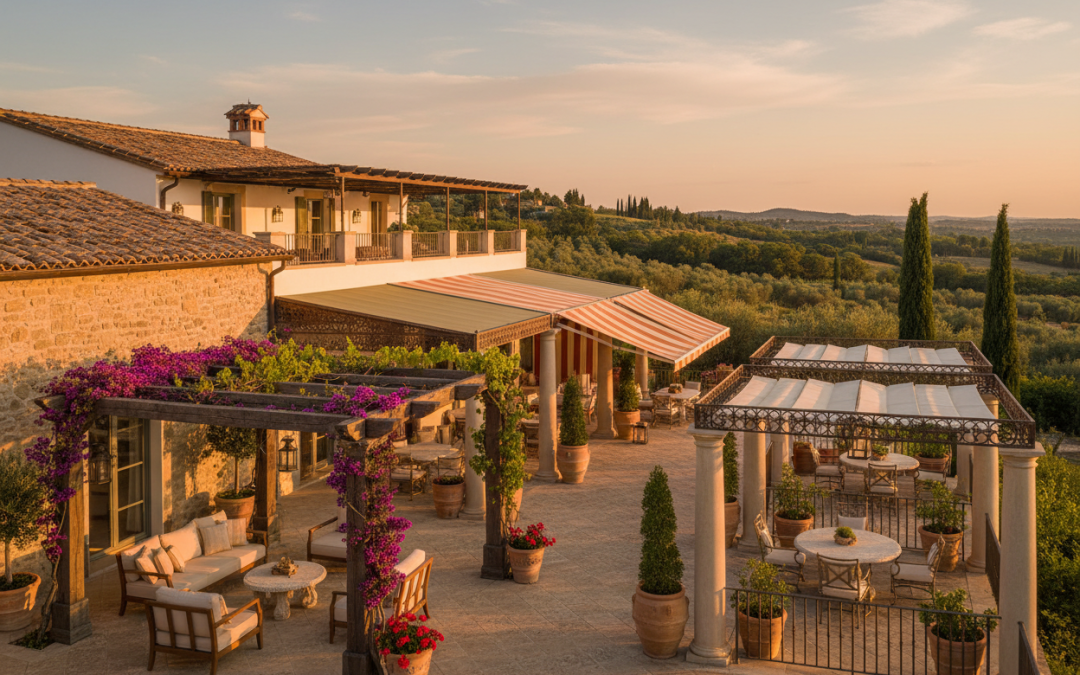
The Best Custom Patio Cover Styles for Mediterranean Home Designs
Table of Contents
1. Introduction to Mediterranean Patio Covers
2. Key Characteristics of Mediterranean Design
3. Pergolas: The Classic Mediterranean Choice
4. Solid Roof Covers with Terra Cotta Tiles
5. Lattice and Trellis Covers
6. Retractable Awnings for Flexible Shade
7. Arbors with Climbing Vines
8. Material Considerations for Mediterranean Patio Covers
9. Design Tips for Authentic Mediterranean Style
10. Frequently Asked Questions
11. Conclusion
Introduction to Mediterranean Patio Covers
There’s something undeniably magical about Mediterranean architecture that captures our hearts and imagination. The warm terracotta hues, rustic textures, and seamless indoor-outdoor living create an atmosphere that feels both luxurious and welcoming. If you’re blessed with a Mediterranean-style home, you understand the importance of extending that beautiful aesthetic to your outdoor spaces.
Your patio serves as the bridge between your home’s interior charm and the natural beauty of your landscape. Choosing the right custom patio cover isn’t just about protection from the elements – it’s about creating a harmonious extension of your Mediterranean design that enhances both functionality and visual appeal.
Mediterranean homes originated in countries surrounding the Mediterranean Sea, including Spain, Italy, Greece, and Morocco. These regions share similar climates and architectural traditions that emphasize outdoor living, natural materials, and designs that work with the environment rather than against it. When selecting a patio cover for your Mediterranean home, you’ll want to honor these time-tested principles while incorporating modern conveniences and personal style preferences.
Key Characteristics of Mediterranean Design
Before diving into specific patio cover styles, it’s essential to understand what makes Mediterranean design so distinctive and appealing. These homes typically feature stucco or adobe walls in warm earth tones, red clay tile roofs, wrought iron details, and arched doorways and windows. The color palette draws inspiration from the natural landscape – think sun-bleached whites, ocean blues, olive greens, and the warm oranges and reds of sunset.
Mediterranean architecture celebrates craftsmanship and natural materials. You’ll often see exposed wooden beams, natural stone accents, and handcrafted tiles that add texture and visual interest. The design philosophy emphasizes creating comfortable outdoor living spaces that take advantage of pleasant weather and beautiful views.
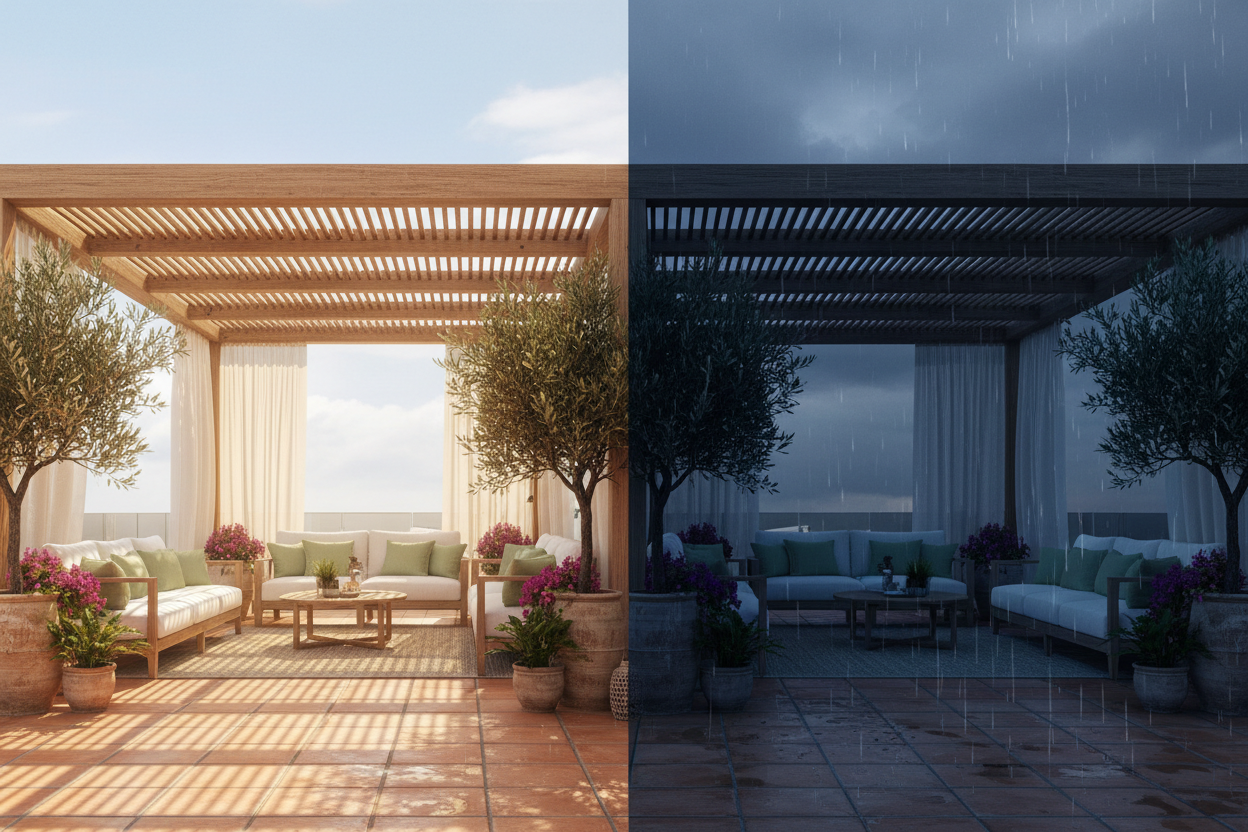
When planning your custom patio cover, consider how it will complement these existing elements. The goal is to create a cohesive design that feels like a natural extension of your home’s architecture rather than an afterthought or addition that clashes with the overall aesthetic.
Pergolas: The Classic Mediterranean Choice
Pergolas represent perhaps the most iconic patio cover style for Mediterranean homes, and for good reason. These open-roof structures perfectly embody the Mediterranean philosophy of creating defined outdoor spaces while maintaining a strong connection to the sky and surrounding landscape.
Traditional Mediterranean pergolas feature sturdy wooden posts and beams, often crafted from cedar, redwood, or pressure-treated pine that’s been stained to complement your home’s color scheme. The open slat design provides partial shade while allowing gentle breezes to flow through, creating a comfortable microclimate for outdoor dining and relaxation.
What makes pergolas particularly well-suited to Mediterranean design is their versatility and potential for customization. You can incorporate curved or arched elements that echo the architectural details of your home, add decorative brackets with Mediterranean-inspired motifs, or include built-in lighting for evening ambiance.
Many homeowners choose to enhance their pergolas with climbing plants like bougainvillea, jasmine, or grapevines. These living elements not only provide additional shade and privacy but also contribute to the lush, garden-like atmosphere that’s central to Mediterranean outdoor living. As the plants mature, they create a natural canopy that changes with the seasons, offering varying levels of shade and visual interest throughout the year.
Solid Roof Covers with Terra Cotta Tiles
For those seeking maximum protection from sun and rain while maintaining authentic Mediterranean style, solid roof patio covers topped with terra cotta tiles offer an excellent solution. This approach creates a seamless visual connection between your home’s roofline and your outdoor living space.
Terra cotta tiles have been used in Mediterranean construction for centuries, and they bring both practical benefits and undeniable charm to patio covers. These clay tiles naturally regulate temperature, staying cooler in summer heat while providing excellent water resistance during rainy seasons. The warm, earthy color variations in terra cotta tiles add depth and character that synthetic materials simply can’t match.
When designing a solid roof patio cover, consider incorporating architectural elements that mirror your home’s existing features. Exposed wooden rafters, decorative corbels, and carved beam ends can add visual interest and authenticity. The support structure can be constructed from matching stucco columns or natural stone pillars that complement your home’s exterior materials.
This style works particularly well for larger patios where you want to create distinct outdoor rooms. You might include ceiling fans for air circulation, integrated lighting systems, or even outdoor speakers for entertainment. The solid roof provides the protection needed for outdoor kitchens, dining areas, or comfortable seating arrangements that can be enjoyed year-round.
Lattice and Trellis Covers
Lattice and trellis-style patio covers offer a lighter, more delicate approach to Mediterranean outdoor design while still providing meaningful shade and visual definition. These covers work exceptionally well in smaller spaces or as accent features within larger patio designs.
The beauty of lattice covers lies in their ability to create interesting shadow patterns while maintaining an open, airy feel. During different times of day, the geometric shadows cast by the lattice work create dynamic visual elements that change with the sun’s movement. This ever-changing interplay of light and shadow adds a layer of visual interest that solid covers simply can’t provide.
Mediterranean-style lattice covers often feature diagonal or diamond patterns rather than simple square grids. These geometric designs can be crafted from wood, vinyl, or even wrought iron for a more substantial appearance. The key is choosing materials and finishes that complement your home’s existing color palette and architectural details.
Trellis-style covers take this concept a step further by incorporating climbing supports designed specifically for vegetation. Morning glories, climbing roses, or Mediterranean favorites like jasmine and honeysuckle can transform a simple trellis into a living ceiling that provides natural cooling and delightful fragrances.
Retractable Awnings for Flexible Shade
Modern Mediterranean homeowners increasingly appreciate the flexibility that retractable awnings provide. These covers allow you to adapt your outdoor space to changing weather conditions and personal preferences throughout the day and seasons.
High-quality retractable awnings can be customized with fabrics that complement Mediterranean design principles. Look for materials in warm earth tones, subtle stripes, or solid colors that harmonize with your home’s exterior palette. Acrylic fabrics offer excellent fade resistance and weather protection while maintaining the soft, welcoming appearance that’s essential to Mediterranean style.
The mechanical components of retractable awnings have improved dramatically in recent years. Motorized systems with remote controls or smartphone apps make it easy to adjust coverage based on sun position, weather changes, or specific activities. Some advanced systems even include wind and sun sensors that automatically extend or retract the awning based on environmental conditions.
When selecting a retractable awning for your Mediterranean home, pay careful attention to the hardware and mounting systems. Choose finishes that complement your home’s existing metalwork, such as oil-rubbed bronze, wrought iron, or aged copper. The goal is to ensure that even when retracted, the awning hardware enhances rather than detracts from your home’s architectural beauty.
Arbors with Climbing Vines
Arbors represent one of the most romantic and traditionally Mediterranean approaches to patio coverage. These structures combine architectural beauty with natural elements to create enchanting outdoor spaces that feel like secret garden retreats.
A well-designed arbor serves as both a functional patio cover and a stunning garden feature. The structure provides a framework for climbing plants while creating intimate, partially enclosed spaces perfect for dining, reading, or quiet conversation. The combination of architectural elements and living plants creates a dynamic covering that evolves throughout the growing season.
Traditional Mediterranean arbors often feature curved or arched tops that echo the architectural lines found in doorways, windows, and other home features. These graceful curves can be crafted from laminated wood beams, bent metal, or even formed concrete for a more substantial appearance. The key is ensuring that the arbor’s proportions and materials harmonize with your home’s existing design elements.
Selecting the right climbing plants for your arbor requires consideration of your local climate, maintenance preferences, and desired coverage density. Grapevines offer authentic Mediterranean appeal and can provide substantial shade when mature, plus the bonus of homegrown fruit. Wisteria creates spectacular spring blooms but requires regular pruning to prevent overwhelming the structure. For year-round coverage in milder climates, evergreen options like star jasmine or Carolina jessamine provide consistent greenery and seasonal flowers.
Material Considerations for Mediterranean Patio Covers
The materials you choose for your custom patio cover will significantly impact both its appearance and longevity. Mediterranean design traditionally favors natural materials that age gracefully and develop character over time.
Wood remains a popular choice for Mediterranean patio covers, with cedar and redwood offering natural weather resistance and beautiful grain patterns. These woods can be left natural to weather to an attractive gray patina, or stained in warm tones that complement your home’s color scheme. Pressure-treated pine offers a more budget-friendly option that can be painted or stained to achieve the desired appearance.
For homeowners seeking lower maintenance alternatives, engineered lumber products and high-quality vinyl can provide the appearance of wood without the ongoing care requirements. Modern manufacturing techniques have created synthetic materials that closely mimic natural wood grain and color variations while offering superior resistance to weather, insects, and decay.
Metal components, particularly wrought iron or aluminum designed to look like wrought iron, add authentic Mediterranean character to patio covers. These materials work well for decorative brackets, support posts, or accent elements that tie into existing metalwork on your home. Powder coating in appropriate colors ensures long-lasting beauty with minimal maintenance.
Stone and stucco elements can create substantial, permanent-feeling patio covers that truly integrate with Mediterranean home architecture. Natural stone columns or stucco-covered support structures provide excellent durability while maintaining authentic Mediterranean appearance. These materials require more substantial foundations and construction expertise but create patio covers that feel like original architectural elements.
Design Tips for Authentic Mediterranean Style
Creating an authentically Mediterranean patio cover involves more than just selecting the right materials and structure type. Attention to proportions, details, and integration with existing landscape elements makes the difference between a cover that looks added-on and one that appears to have always been part of your home’s design.
Scale and proportion play crucial roles in successful Mediterranean design. Patio covers should feel substantial enough to provide meaningful coverage and visual weight, but not so large that they overwhelm your home’s architecture or outdoor space. Consider the height of your home’s roofline, the scale of existing architectural features, and the size of your patio when determining appropriate dimensions.
Color coordination helps ensure your patio cover enhances rather than conflicts with your home’s existing palette. Mediterranean homes typically feature warm, earthy colors that reflect the natural landscape. Your patio cover should either complement these existing colors or provide a harmonious contrast that adds visual interest without creating jarring disconnection.
Lighting integration transforms patio covers from daytime-only features into evening entertainment spaces. Consider incorporating string lights, lantern-style fixtures, or recessed lighting that enhances the Mediterranean ambiance after dark. Warm-toned LED lights create inviting atmospheres while providing energy efficiency and long-lasting performance.
Landscaping around your patio cover helps integrate the structure into your overall outdoor design. Mediterranean plants like lavender, rosemary, olive trees, and citrus create authentic regional character while providing pleasant fragrances and textures. Container gardens allow flexibility in plant placement and make it easy to change seasonal displays.
Frequently Asked Questions
What is the most cost-effective Mediterranean patio cover style?
Pergolas typically offer the best balance of authentic Mediterranean style and affordability. Basic wooden pergolas can be constructed relatively inexpensively, and they provide excellent opportunities for DIY installation or simple contractor projects. Adding climbing plants over time creates additional coverage without significant upfront costs.
How do I choose between open and solid roof patio covers?
Consider your primary needs and local climate. Open structures like pergolas work well in areas with mild weather and provide better ventilation, while solid roofs offer superior protection from rain and intense sun. Many homeowners in Mediterranean climates prefer the partial coverage that allows them to enjoy gentle breezes and changing light patterns.
Can I add a patio cover to an existing Mediterranean home without permits?
Permit requirements vary by location and project scope. Generally, larger or permanent structures require permits, while smaller, temporary installations may not. Check with your local building department before beginning any patio cover project to ensure compliance with zoning laws and building codes.
What maintenance do Mediterranean patio covers require?
Maintenance needs depend on materials and local conditions. Wooden structures typically need annual cleaning and periodic staining or sealing. Metal components may require occasional touch-up painting to prevent rust. Regular inspection of all connections and hardware helps ensure safety and longevity.
How can I make my patio cover more energy efficient?
Strategic placement and design can significantly impact energy efficiency. Covers that block afternoon sun help reduce cooling costs, while allowing morning light can reduce heating needs. Incorporating ceiling fans, choosing light-colored materials that reflect heat, and adding climbing plants for natural cooling all contribute to energy efficiency.
What’s the best way to integrate modern conveniences into traditional Mediterranean design?
Focus on concealing modern elements while maintaining authentic visual character. Hide electrical wiring within structural elements, choose fans and lighting with traditional styling, and select automated systems with discrete controls. The goal is enjoying modern convenience while preserving the timeless appeal of Mediterranean design.
Conclusion
Selecting the perfect custom patio cover for your Mediterranean home represents an opportunity to enhance both your outdoor living experience and your property’s architectural character. Whether you choose the classic appeal of a wooden pergola, the substantial protection of a terra cotta tile roof, or the flexibility of a retractable awning, success lies in choosing options that harmonize with your home’s existing design elements.
Remember that the best patio cover designs don’t just provide shade and weather protection – they create outdoor rooms that extend your living space and reflect your personal style. By carefully considering materials, proportions, and integration with landscaping, you can create a patio cover that feels like an original part of your home’s architecture rather than an afterthought addition.
Take time to evaluate your specific needs, climate conditions, and budget constraints before making final decisions. Consider consulting with design professionals who understand Mediterranean architecture and can help you navigate local building requirements. With thoughtful planning and attention to authentic design principles, your custom patio cover will provide years of enjoyment while enhancing your home’s beauty and value.
The investment in a well-designed Mediterranean patio cover pays dividends in expanded living space, increased property value, and countless hours of outdoor enjoyment. Whether you’re hosting dinner parties under a vine-covered arbor or enjoying morning coffee beneath a elegant pergola, your patio cover will become an integral part of your home’s charm and your family’s lifestyle.

Fairview TX luxury custom pergolas | Keathley Landscaping

Allen TX custom patio cover cost | Keathley Landscaping

Dallas TX covered patios | Keathley Landscaping

Lucas TX custom patio covers | Keathley Landscaping

Lavon TX custom patio cover cost | Keathley Landscaping

Garland TX covered patios | Keathley Landscaping

Richardson TX custom wood pergola | Keathley Landscaping

McKinney TX custom patio cover builders | Keathley Landscaping

Plano TX custom patio cover cost | Keathley Landscaping

Lavon TX pergola builders | Keathley Landscaping

Richardson TX covered patios | Keathley Landscaping

Highland Park TX custom wood pergola | Keathley Landscaping

Highland Park TX luxury custom pergolas | Keathley Landscaping

McKinney TX custom pergolas | Keathley Landscaping

Lowry Crossing TX custom wood pergola | Keathley Landscaping

Highland Park TX pergola companies near me | Keathley Landscaping

Rowlett TX covered patios | Keathley Landscaping

Frisco TX pergolas | Keathley Landscaping

McKinney TX pergolas | Keathley Landscaping

Rose Hill TX covered patio contractors near me | Keathley Landscaping

Mobile City TX outdoor living space contractors | Keathley Landscaping

Murphy TX custom wood pergola | Keathley Landscaping

Dallas TX custom patio covers | Keathley Landscaping

Lowry Crossing TX covered patio contractors near me | Keathley Landscaping

Preston Hollow Dallas TX outdoor living space contractors | Keathley Landscaping

Rowlett TX custom patio cover builders | Keathley Landscaping

Lowry Crossing TX custom patio cover builders | Keathley Landscaping

Rockwall TX covered patio contractors near me | Keathley Landscaping

new sod installation Frisco Texas

cost of sod and installation Highland Park Texas

price for sod installation Lowry Crossing Texas

grass installation Fairview Texas

sod installation company near me Lavon Texas

sod installation cost Sachse Texas

sod installation services Plano Texas

sod grass installation Lakewood Dallas Texas

lawn sod installation near me Lakewood Dallas Texas

grass installation Garland Texas

installation of sod cost Frisco Texas

price for sod installation Richardson Texas

installation of sod cost Lucas Texas

sod installation services Fate Texas

sod installation companies Rose Hill Texas

cost for sod installation Lucas Texas

sod installation companies near me Frisco Texas

cost of sod and installation Fate Texas

lawn sod installation near me Fate Texas

lawn sod installation Richardson Texas

cost of sod installation Lakewood Dallas Texas

sod installation cost Rose Hill Texas

cost of sod installation Rose Hill Texas

sod installation services Lakewood Dallas Texas

lawn sod installation Rose Hill Texas

new sod installation Rose Hill Texas

cost of sod and installation Plano Texas

sod installation cost Lake Highlands Dallas Texas

drain cleaning company near me Lakewood Dallas Texas

drain Lake Highlands Dallas Texas

yard drainage Dallas Texas

drain cleaning Sachse Texas

yard drainage Murphy Texas

drainage solutions near me Rose Hill Texas

drain contractor Lakewood Dallas Texas

drainage contractors near me Fairview Texas

yard drainage contractors near me Murphy Texas

drainage company near me Lake Highlands Dallas Texas

drain Plano Texas

drain cleaning Lowry Crossing Texas

drainage contractors near me Rockwall Texas

drainage company Fate Texas

yard drainage specialist near me Dallas Texas

outdoor drain repair Lakewood Dallas Texas

yard drainage Parker Texas

drainage Allen Texas

drainage company Lavon Texas

drainage company near me Richardson Texas

outdoor drain repair Plano Texas

channel drain cleaning Highland Park Texas

yard drainage specialist near me Fate Texas

drainage Frisco Texas

drain cleaning Allen Texas

drain contractor Lake Highlands Dallas Texas

landscape drainage contractor near me Richardson Texas

Recent Comments