
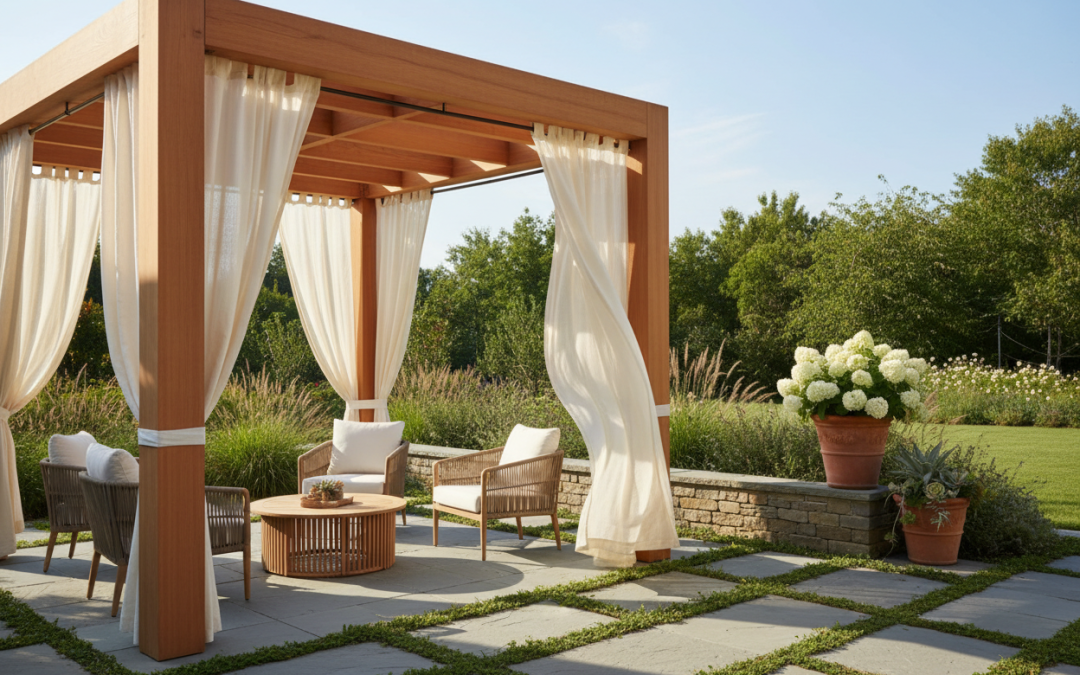
How to Add Curtains and Drapes to Your Custom Pergola Structure
Table of Contents
1. Introduction to Pergola Curtains and Drapes
2. Benefits of Adding Curtains to Your Pergola
3. Choosing the Right Curtain Materials for Outdoor Use
4. Essential Hardware and Installation Tools
5. Step-by-Step Installation Guide
6. Creative Design Ideas for Pergola Curtains
7. Maintenance and Care Tips
8. Common Mistakes to Avoid
9. Cost Considerations and Budget Planning
10. Frequently Asked Questions
11. Conclusion
There’s something magical about sitting under a pergola on a warm summer evening, watching the sunset paint the sky in brilliant colors. But what if you could make that experience even better? Adding curtains and drapes to your custom pergola structure transforms an already beautiful outdoor space into a private sanctuary that offers both style and functionality.
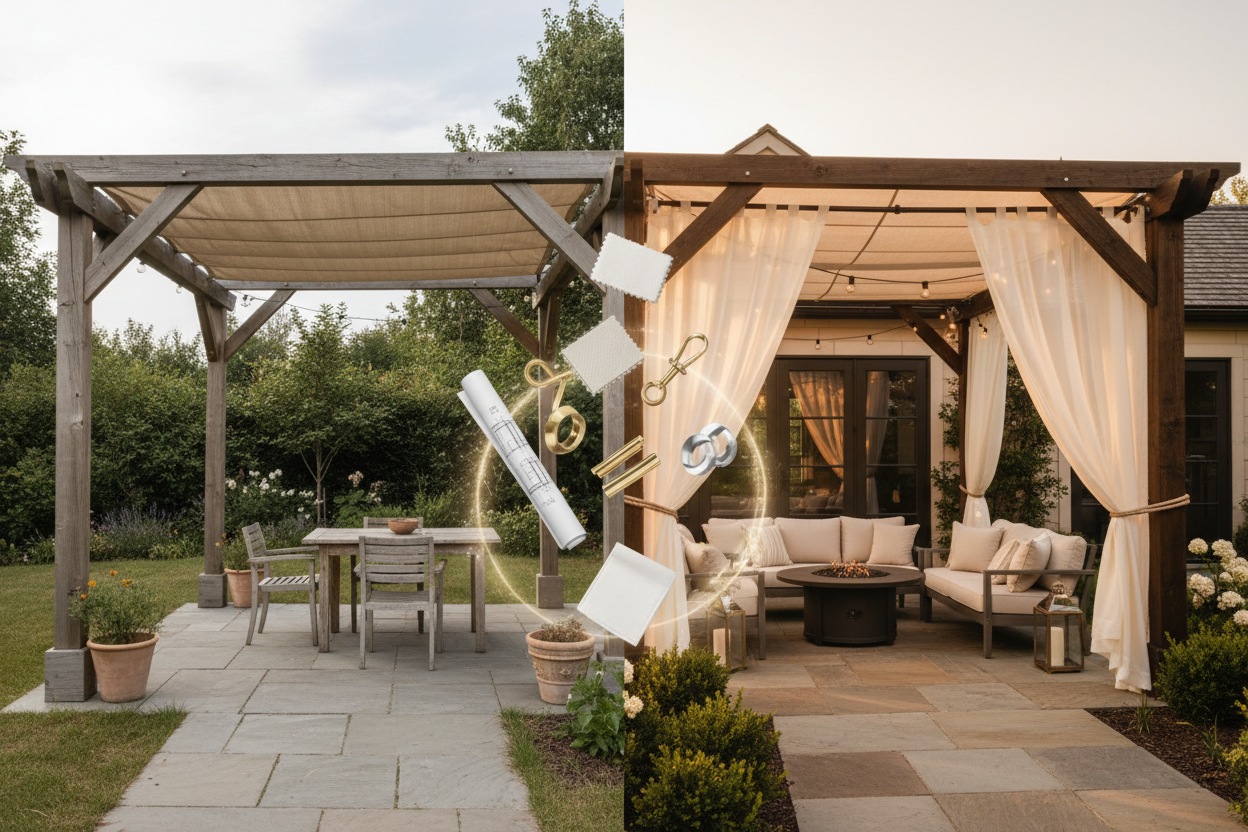
Whether you’re looking to create more privacy, block harsh sunlight, or simply add a touch of elegance to your outdoor living area, pergola curtains are the perfect solution. I’ve helped countless homeowners enhance their pergolas over the years, and I can tell you that this simple addition makes one of the biggest impacts on both comfort and aesthetics.
Benefits of Adding Curtains to Your Pergola
Before diving into the how-to details, let’s explore why pergola curtains are such a game-changer for outdoor spaces. The benefits extend far beyond just looking pretty, though they certainly do that too.
Privacy is often the primary motivation for adding curtains to a pergola. If your outdoor space faces neighboring properties or busy streets, curtains create an intimate atmosphere where you can relax without feeling exposed. I remember working with a client whose pergola overlooked their neighbor’s kitchen window – adding flowing curtains completely transformed their dining experience from awkward to enchanting.
Sun protection represents another crucial advantage. While pergolas provide some shade through their overhead structure, the sides remain completely open to harsh afternoon sun. Curtains allow you to block specific angles of sunlight throughout the day, creating a more comfortable environment for extended outdoor activities.
Weather protection shouldn’t be overlooked either. Light rain, wind, and even morning dew can be managed more effectively with the right curtain setup. This means you can enjoy your pergola in various weather conditions that might otherwise send you indoors.
Choosing the Right Curtain Materials for Outdoor Use
Selecting appropriate materials for outdoor curtains requires careful consideration of durability, weather resistance, and maintenance requirements. Not all fabrics can withstand the challenges of outdoor exposure, so making informed choices here will save you time and money in the long run.
Outdoor fabric options have come a long way in recent years. Solution-dyed acrylic fabrics like Sunbrella offer excellent fade resistance and water repellency while maintaining a soft, comfortable feel. These materials resist mold and mildew, making them ideal for humid climates or areas with frequent precipitation.
Polyester blends provide another excellent option, particularly those treated with UV-resistant coatings. These fabrics often come at a lower price point than premium outdoor fabrics while still offering good durability and weather resistance.
For those seeking a more natural aesthetic, outdoor canvas and treated cotton fabrics can work well, though they typically require more maintenance and may need replacement sooner than synthetic alternatives. The key is ensuring any natural fiber curtains receive proper weatherproofing treatment.
Weight considerations matter significantly for pergola curtains. Lightweight fabrics may blow around excessively in windy conditions, while extremely heavy materials can strain your pergola structure and hardware. Medium-weight fabrics generally provide the best balance of movement control and structural compatibility.
Essential Hardware and Installation Tools
Having the right hardware makes the difference between a professional-looking installation and a frustrating DIY disaster. I’ve learned through experience that investing in quality hardware upfront saves countless headaches down the road.
Curtain rods designed for outdoor use form the foundation of your installation. Stainless steel or powder-coated aluminum rods resist rust and corrosion while providing the strength needed to support outdoor curtains. Avoid standard indoor curtain rods, as they’ll deteriorate quickly when exposed to weather.
Mounting brackets require special attention for pergola installations. Since you’ll be attaching to wood or metal pergola posts, ensure your brackets are designed for your specific post material and size. Heavy-duty brackets distribute weight more effectively and provide better long-term stability.
Curtain rings or grommets facilitate smooth operation when opening and closing your curtains. Marine-grade stainless steel rings won’t rust or bind over time, while reinforced grommets in the curtain fabric itself provide a clean, modern appearance.
Installation tools needed include a drill with appropriate bits for your pergola material, a level for ensuring straight rod placement, measuring tape, pencil for marking, and safety equipment like safety glasses and work gloves. Having a helper makes the installation process much smoother, especially when working with longer curtain panels.
Step-by-Step Installation Guide
Now comes the exciting part – actually installing your pergola curtains. I’ll walk you through the process step by step, sharing tips I’ve picked up from years of installations.
Start by measuring your pergola openings carefully. Measure both the width and height of each area where you plan to hang curtains. For width, measure the distance between posts and add 6-12 inches on each side for proper coverage and a fuller appearance. Height measurements should account for where you’ll mount the rod and how much clearance you want from the ground.
Mark your mounting points using a pencil and level. The rod should be mounted 2-4 inches above the top of your desired curtain coverage area. For pergolas with decorative elements, you may need to adjust mounting height to work around architectural features.
Pre-drill holes for your mounting brackets to prevent splitting wood or damaging metal posts. Use appropriate drill bits for your pergola material – wood bits for wooden posts, metal bits for steel or aluminum structures. The hole size should match your mounting hardware specifications exactly.
Install mounting brackets securely, ensuring they’re level and properly aligned. This step determines how smoothly your curtains will operate, so take your time to get it right. Test the bracket stability before proceeding to rod installation.
Thread your curtains onto the rod before mounting the rod in the brackets. This approach is much easier than trying to add curtains after the rod is in place, especially for heavier fabrics or longer panels.
Mount the rod in the brackets and test the curtain operation. Curtains should slide smoothly without binding or catching. If you notice any issues, address them now before considering the installation complete.
Creative Design Ideas for Pergola Curtains
Once you’ve mastered the basic installation, it’s time to explore creative possibilities that make your pergola truly unique. The design options are virtually limitless, and this is where your personal style can really shine through.
Layered curtain systems create incredible versatility and visual interest. Consider combining sheer panels for daytime privacy with heavier panels that can be drawn for complete coverage during evening entertaining. This approach allows you to adjust your space’s openness throughout the day.
Color and pattern choices significantly impact your pergola’s overall aesthetic. Neutral colors like whites, creams, and soft grays create a timeless, elegant appearance that complements most architectural styles. Bold colors or patterns can make a dramatic statement but should be chosen carefully to coordinate with your existing outdoor decor.
Tiebacks and holdbacks offer both functional and decorative benefits. Rope tiebacks create a nautical or casual coastal vibe, while decorative metal holdbacks can add elegance and sophistication. The key is choosing hardware that complements your pergola’s style and your home’s overall aesthetic.
Asymmetrical arrangements can create visual interest in larger pergolas. Instead of hanging identical panels on every side, consider varying the coverage or creating focal points with different curtain treatments on different sides of the structure.
Maintenance and Care Tips
Proper maintenance ensures your pergola curtains continue looking great and functioning properly for years to come. Outdoor fabrics face unique challenges that indoor curtains never encounter, so developing good maintenance habits is essential.
Regular cleaning prevents dirt, pollen, and other outdoor debris from becoming embedded in the fabric. Most outdoor curtains can be cleaned with a garden hose and mild soap solution. For deeper cleaning, many outdoor fabrics are machine washable, though always check manufacturer instructions first.
Seasonal storage considerations depend on your climate and curtain materials. In areas with harsh winters, removing and storing curtains during the coldest months extends their lifespan significantly. Even weather-resistant fabrics benefit from being stored away from ice, snow, and extreme temperature fluctuations.
Hardware maintenance involves periodic inspection and lubrication of moving parts. Curtain rings and rods should operate smoothly throughout their lifespan. If you notice binding or difficulty moving curtains, clean and lubricate the hardware before the problem worsens.
Fabric protection can be enhanced with periodic application of fabric protection sprays designed for outdoor use. These products help maintain water repellency and UV resistance, especially important for natural fiber curtains or those in particularly challenging environments.
Common Mistakes to Avoid
Learning from others’ mistakes saves time, money, and frustration. I’ve seen these common errors repeatedly, and they’re all easily preventable with proper planning and attention to detail.
Inadequate hardware is the most frequent mistake I encounter. Using indoor curtain rods or lightweight brackets for outdoor applications leads to premature failure and potential safety hazards. Always choose hardware rated for outdoor use and appropriate for your curtain weight and wind conditions.
Incorrect measurements cause numerous problems, from curtains that don’t provide adequate coverage to panels that drag on the ground and collect dirt. Take measurements multiple times and consider factors like fabric shrinkage and seasonal expansion of your pergola structure.
Ignoring wind considerations can turn beautiful curtains into annoying distractions or even safety hazards. In windy areas, consider adding weights to curtain hems or choosing designs that can be secured when not in use.
Poor fabric choices lead to premature fading, tearing, or deterioration. Indoor fabrics simply cannot withstand outdoor conditions, regardless of how beautiful they might look initially. Invest in proper outdoor fabrics from the beginning.
Cost Considerations and Budget Planning
Understanding the financial investment involved helps you make informed decisions about materials, installation methods, and timing. Pergola curtain projects can range from budget-friendly DIY installations to high-end custom solutions.
Basic installations using standard outdoor fabrics and simple hardware typically cost between $200-500 for an average-sized pergola, depending on the number of panels needed. This budget-conscious approach still provides excellent functionality and can look quite attractive with careful material selection.
Mid-range installations incorporating premium outdoor fabrics, decorative hardware, and professional installation services generally range from $500-1200. This investment level provides superior durability, enhanced aesthetics, and often includes warranty coverage.
High-end installations featuring custom fabrics, motorized systems, or complex design elements can exceed $1500 but offer unmatched convenience and aesthetic appeal. These systems often include features like remote control operation and integrated lighting.
DIY versus professional installation costs vary significantly based on your skill level and available time. While professional installation ensures proper technique and may include warranties, capable DIYers can achieve excellent results with careful planning and attention to detail.
Frequently Asked Questions
How do I choose the right curtain length for my pergola?
Curtain length depends on your desired aesthetic and functional requirements. Floor-length curtains create an elegant, formal appearance but require more maintenance and may collect debris. Curtains ending 6-12 inches from the ground provide good coverage while staying cleaner and being easier to maintain.
Can I use regular indoor curtains on my pergola?
Regular indoor curtains aren’t suitable for outdoor pergola use. They lack the UV resistance, water repellency, and durability needed to withstand outdoor conditions. Indoor curtains will fade, deteriorate, and potentially develop mold or mildew when exposed to weather.
What’s the best way to secure curtains during windy weather?
Several options exist for securing curtains in windy conditions. Tiebacks allow you to gather curtains when not needed for coverage. Weighted hems help curtains hang properly in light wind. For extremely windy areas, consider curtains with snaps or ties that can secure to pergola posts.
How often should I clean my pergola curtains?
Cleaning frequency depends on your environment and usage. Monthly rinsing with a garden hose removes surface dirt and pollen. Deep cleaning with soap and water should be done seasonally or as needed. Areas with high pollen, dust, or pollution may require more frequent cleaning.
Can I install curtains on a metal pergola?
Yes, curtains can be installed on metal pergolas using appropriate hardware. Ensure mounting brackets are designed for your specific metal type and thickness. Stainless steel hardware prevents galvanic corrosion when used with aluminum pergolas.
What’s the difference between curtains and drapes for pergolas?
The terms are often used interchangeably, but technically, drapes are typically heavier, more formal, and often lined. For pergolas, the distinction is less important than choosing appropriate outdoor materials and proper installation techniques.
Conclusion
Adding curtains and drapes to your custom pergola structure represents one of the most impactful improvements you can make to your outdoor living space. The combination of increased privacy, sun protection, and enhanced aesthetics creates a more comfortable and inviting environment for relaxation and entertainment.
Success with pergola curtains comes down to careful planning, appropriate material selection, and proper installation techniques. While the process requires attention to detail and some investment in quality materials and hardware, the results are well worth the effort. Your pergola will transform from a simple shade structure into a sophisticated outdoor room that extends your living space and enhances your home’s value.
Remember that this project doesn’t have to be completed all at once. You might start with curtains on the most problematic side of your pergola and add to other sides as budget and time allow. The key is starting with a comprehensive plan that ensures consistency in materials and hardware choices.
Take your time with measurements, invest in quality outdoor-rated materials, and don’t hesitate to seek professional help if any aspect of the installation seems beyond your comfort level. With proper planning and execution, your pergola curtains will provide years of enhanced outdoor enjoyment while adding beauty and functionality to your outdoor living space.

McKinney TX outdoor living contractor | Keathley Landscaping

Allen TX custom wood pergola | Keathley Landscaping

Lucas TX custom patio covers | Keathley Landscaping

Lakewood Dallas TX custom patio covers | Keathley Landscaping

Plano TX custom pergolas | Keathley Landscaping

Mobile City TX pergolas | Keathley Landscaping

Frisco TX custom patio cover cost | Keathley Landscaping

Frisco TX covered patio contractors near me | Keathley Landscaping

Highland Park TX outdoor living space contractors | Keathley Landscaping

Wylie TX custom pergolas | Keathley Landscaping

Fate TX custom patio cover builders | Keathley Landscaping

Lavon TX luxury custom pergolas | Keathley Landscaping

Frisco TX covered patios | Keathley Landscaping

Fairview TX pergola companies near me | Keathley Landscaping

Rockwall TX pergolas | Keathley Landscaping

Lavon TX custom patio covers | Keathley Landscaping

Preston Hollow Dallas TX custom patio covers | Keathley Landscaping

Lucas TX covered patios | Keathley Landscaping

Richardson TX pergola companies near me | Keathley Landscaping

Frisco TX pergola builders | Keathley Landscaping

Lavon TX outdoor living space contractors | Keathley Landscaping

Frisco TX custom wood pergola | Keathley Landscaping

Highland Park TX custom pergolas | Keathley Landscaping

Wylie TX custom wood pergola | Keathley Landscaping

Mobile City TX custom patio covers | Keathley Landscaping

Murphy TX pergolas | Keathley Landscaping

Rowlett TX covered patio contractors near me | Keathley Landscaping

Fairview TX pergolas | Keathley Landscaping

cost of sod installation Lucas Texas

new sod installation Sachse Texas

sod installation near me Fate Texas

installation of sod cost Frisco Texas

residential sod installation Rockwall Texas

price of sod installation Lakewood Dallas Texas

sod company Fairview Texas

sod contractors Lake Highlands Dallas Texas

sod installation service Lake Highlands Dallas Texas

cost of sod installation Frisco Texas

sod installation company near me Richardson Texas

residential sod installation Lavon Texas

lawn sod installation near me Lucas Texas

lawn sod installation Highland Park Texas

installation of sod cost Lakewood Dallas Texas

sod installation cost Allen Texas

sod installation companies Plano Texas

sod installation companies near me Wylie Texas

new sod installation Plano Texas

price of sod installation Richardson Texas

sod installation companies near me Rowlett Texas

installation of sod cost Allen Texas

sod installation companies near me Preston Hollow Dallas Texas

sod lawn installation Murphy Texas

grass contractor Frisco Texas

sod lawn installation Lake Highlands Dallas Texas

sod installation companies Lucas Texas

sod contractors Sachse Texas

drain contractor McKinney Texas

drainage solutions near me Mobile City Texas

landscape drainage Lakewood Dallas Texas

outdoor drain repair Lakewood Dallas Texas

landscape drainage Dallas Texas

outdoor drain repair Allen Texas

drainage company Mobile City Texas

drainage specialist near me Sachse Texas

yard drainage Plano Texas

drain contractor Sachse Texas

drainage solutions near me Lowry Crossing Texas

landscape drainage contractor near me Allen Texas

drainage contractors near me Richardson Texas

yard drainage specialist near me Parker Texas

yard drainage contractors near me McKinney Texas

drain cleaning Murphy Texas

drainage contractors near me Lavon Texas

drain cleaning company near me Rockwall Texas

landscape drain Dallas Texas

landscape drain Preston Hollow Dallas Texas

drain contractor Frisco Texas

drain cleaning company near me Lakewood Dallas Texas

outdoor drain repair Rowlett Texas

drain contractor Wylie Texas

drain Lakewood Dallas Texas

drainage company near me Mobile City Texas

yard drainage contractors near me Dallas Texas

Recent Comments