
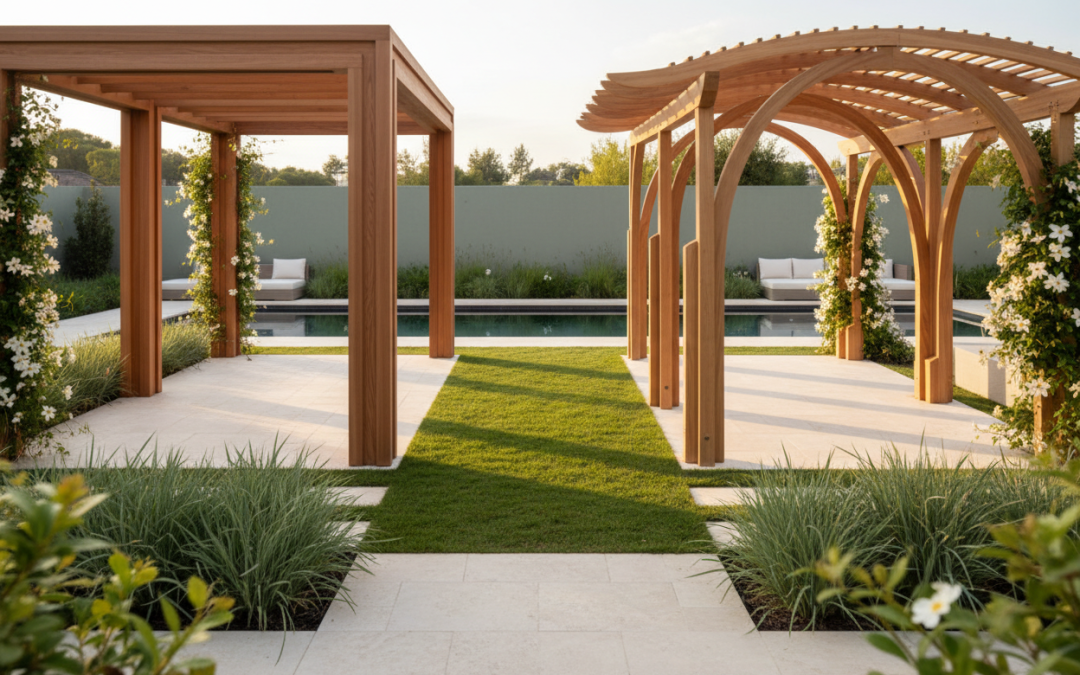
The Benefits of Curved vs Straight Lines in Custom Pergola Design: A Complete Guide
Table of Contents
1. Introduction to Pergola Design Aesthetics
2. Understanding Straight Line Pergola Design
3. The Appeal of Curved Pergola Elements
4. Functional Benefits of Straight vs Curved Lines
5. Cost Considerations and Construction Complexity
6. Choosing the Right Design for Your Space
7. Material Considerations for Different Line Types
8. Maintenance and Longevity Factors
9. Popular Design Trends and Combinations
10. Frequently Asked Questions
Introduction to Pergola Design Aesthetics
When I first started designing outdoor spaces, I never imagined how much the simple choice between curved and straight lines could transform an entire backyard. The pergola, that elegant outdoor structure that bridges the gap between indoor comfort and natural beauty, becomes a completely different experience depending on whether you embrace the clean precision of straight lines or the flowing grace of curves.
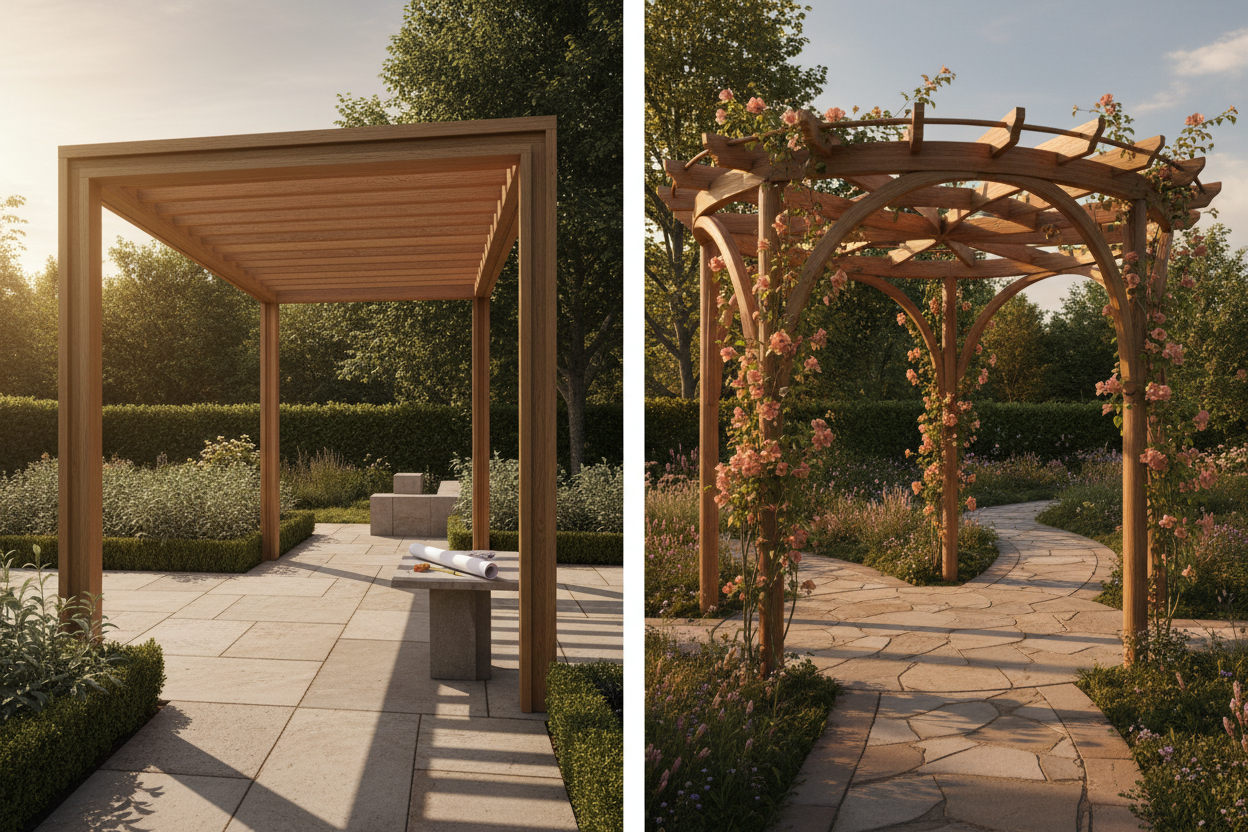
Custom pergola design isn’t just about creating shade or supporting climbing plants anymore. It’s about crafting an architectural statement that reflects your personality while enhancing your outdoor living experience. The decision between incorporating curved or straight elements affects everything from visual impact to construction costs, and understanding these differences can help you create the perfect outdoor sanctuary.
Whether you’re working with a landscape architect or planning a DIY project, the line choices you make will influence how your pergola interacts with your home’s architecture, your garden’s natural flow, and even how guests move through and experience your outdoor space.
Understanding Straight Line Pergola Design
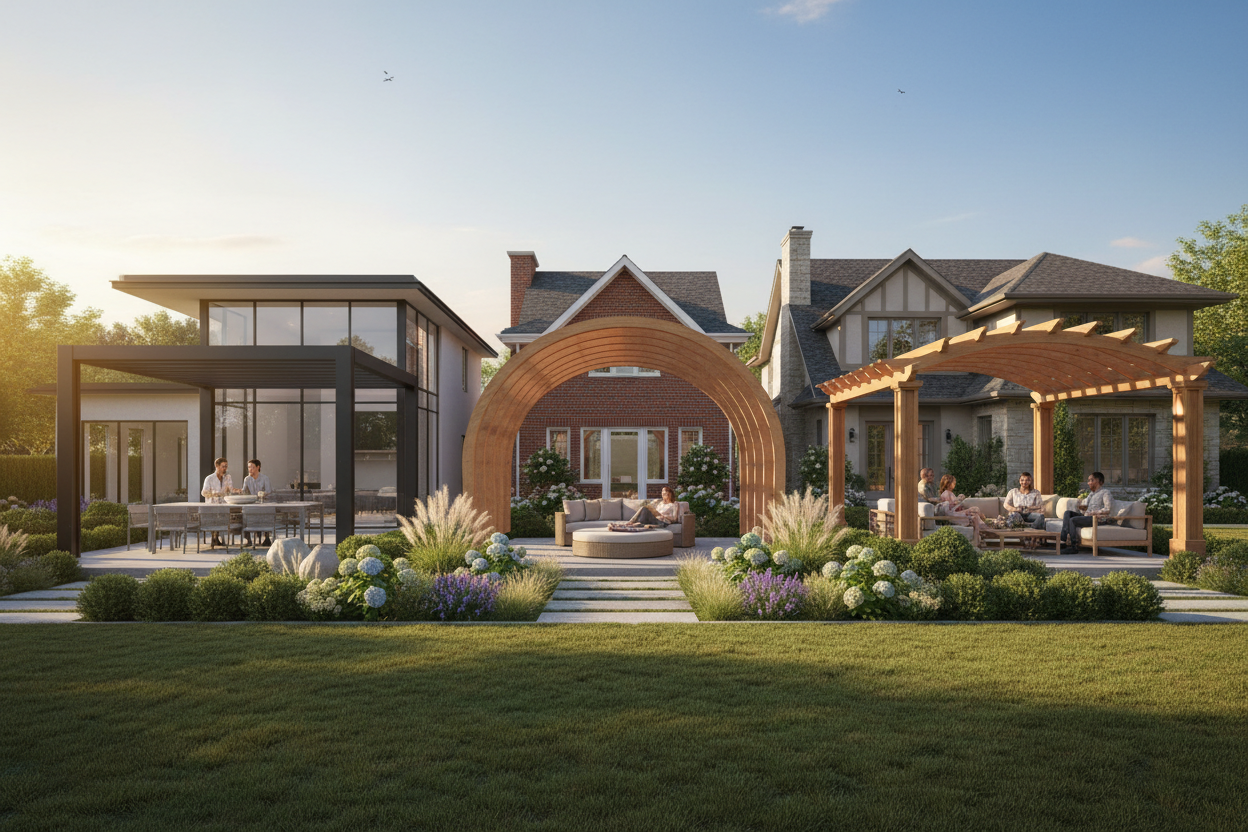
Straight-line pergolas represent the epitome of architectural precision and timeless elegance. These designs feature clean, geometric lines that create a sense of order and sophistication in outdoor spaces. The rectangular or square framework provides a structured canopy that complements modern and traditional architecture alike.
The beauty of straight-line design lies in its versatility and classic appeal. These pergolas work exceptionally well with contemporary homes featuring clean facades, but they’re equally stunning when paired with traditional colonial or craftsman-style architecture. The geometric precision creates visual harmony with existing structures while providing a strong architectural anchor for your outdoor living area.
From a practical standpoint, straight-line pergolas offer excellent structural integrity. The right angles and parallel beams distribute weight evenly, making these designs inherently stable and suitable for supporting heavier loads like retractable canopies, lighting fixtures, or robust climbing vegetation. This structural efficiency often translates to longer-lasting installations with minimal maintenance requirements.
Many homeowners appreciate how straight-line pergolas create defined outdoor rooms. The geometric framework naturally delineates spaces, making it easier to organize outdoor furniture and create distinct functional areas for dining, relaxation, or entertainment.
The Appeal of Curved Pergola Elements
Curved pergola designs introduce an entirely different aesthetic philosophy to outdoor spaces. These flowing, organic lines create visual softness that can transform a rigid backyard into a more natural, welcoming environment. Curved elements might include arched openings, rounded beam ends, or sweeping rooflines that echo the natural curves found in garden pathways and landscape features.
The psychological impact of curved lines shouldn’t be underestimated. Research in environmental psychology suggests that curved architectural elements create feelings of comfort and relaxation, making curved pergolas particularly effective for creating peaceful retreat spaces. The flowing lines guide the eye naturally through the space, creating a more dynamic and engaging visual experience.
Curved pergolas excel at creating focal points and adding architectural interest to otherwise plain outdoor areas. A gracefully arched entrance or gently curved beam can transform a simple shade structure into a stunning garden feature that draws admiration and creates memorable outdoor experiences.
These designs also offer unique opportunities for creative expression. Curved elements can echo existing landscape features like winding pathways, curved garden beds, or the natural flow of your property’s topography, creating a more integrated and harmonious outdoor environment.
Functional Benefits of Straight vs Curved Lines
The functional differences between straight and curved pergola designs extend far beyond aesthetics. Straight-line pergolas offer superior modularity and expansion possibilities. If you decide to extend your pergola later, adding sections to a straight-line design is relatively straightforward and cost-effective. The standardized dimensions and angles make it easier to source matching materials and maintain design consistency.
Straight pergolas also provide more predictable shade patterns throughout the day. The geometric layout creates consistent shadow coverage, making it easier to plan furniture placement and understand how the structure will affect your outdoor activities during different times of day and seasons.
Curved pergolas, while more complex to construct, offer unique functional advantages in specific situations. Curved designs can better accommodate irregular lot shapes or work around existing landscape features like mature trees or natural terrain variations. The flowing lines can help direct foot traffic more naturally, creating intuitive pathways through your outdoor space.
Wind resistance is another consideration where design choice matters. Curved elements can actually improve aerodynamics, potentially reducing wind load and stress on the structure. However, this advantage depends heavily on the specific curve design and local wind patterns.
Cost Considerations and Construction Complexity
Budget-conscious homeowners often find straight-line pergolas more economical for several reasons. The standardized cuts and right angles required for straight designs mean less waste during construction and more efficient use of materials. Most lumber comes in straight lengths, making it perfectly suited for geometric pergola designs without requiring specialized cutting or shaping.
Labor costs typically run lower for straight-line construction because the building process is more straightforward. Most contractors are comfortable with geometric layouts, and the construction sequence follows predictable patterns that reduce both time and potential errors.
Curved pergola elements introduce additional complexity that often translates to higher costs. Creating smooth curves may require laminated beams, steam bending, or multiple smaller pieces joined together. These specialized techniques require more skilled labor and often custom-fabricated components that increase both material and installation costs.
However, the cost difference isn’t always prohibitive. Simple curved elements like rounded beam ends or gentle arches can add visual interest without dramatically increasing the project budget. The key is working with your designer or contractor to identify which curved elements provide the most visual impact for your investment.
Choosing the Right Design for Your Space
Selecting between curved and straight elements depends on multiple factors unique to your property and lifestyle. Consider your home’s existing architecture first. Modern, contemporary homes with clean lines often benefit from straight pergola designs that reinforce the geometric aesthetic. Traditional or cottage-style homes might welcome the softening effect of curved elements.
Your landscape’s character also influences the best design choice. Formal gardens with geometric plantings and straight pathways naturally complement straight-line pergolas. More naturalistic landscapes with flowing garden beds and organic shapes often look better with curved pergola elements that echo the natural forms.
Think about how you plan to use the space. If you’re creating an outdoor dining area or workspace, the defined boundaries of straight-line design might better suit your needs. For meditation spaces or casual relaxation areas, curved elements can create a more soothing, retreat-like atmosphere.
The size of your outdoor space matters too. Smaller areas often benefit from straight designs that maximize usable space and create clean sight lines. Larger properties can accommodate more dramatic curved elements without feeling cramped or overwhelming.
Material Considerations for Different Line Types
Material selection plays a crucial role in successfully executing both straight and curved pergola designs. Traditional wood remains popular for both styles, but different wood species work better for different applications. Cedar and redwood excel in straight applications due to their stability and natural resistance to warping.
For curved elements, woods that bend well or can be laminated effectively work best. Some designers use multiple thin strips laminated together to create smooth curves, while others prefer materials like engineered lumber that can be shaped more easily than solid wood.
Metal pergolas offer unique advantages for both design approaches. Steel and aluminum can be fabricated into precise geometric shapes for straight designs or bent into flowing curves for more organic looks. Powder coating provides excellent weather protection while offering unlimited color options to complement your home’s exterior.
Composite materials have gained popularity for pergola construction, particularly for straight-line designs. These engineered products offer excellent dimensional stability and weather resistance, though they’re generally better suited to geometric applications than curved designs.
Maintenance and Longevity Factors
Long-term maintenance requirements differ between curved and straight pergola designs. Straight-line pergolas typically offer easier access for cleaning, staining, and repairs. The predictable geometry makes it simpler to reach all surfaces and identify potential maintenance issues before they become serious problems.
Curved elements can create areas where debris accumulates or where water might pool, potentially requiring more frequent attention. However, well-designed curved pergolas with proper drainage considerations can be just as low-maintenance as their straight counterparts.
Material choice significantly impacts maintenance requirements regardless of design style. Naturally weather-resistant woods like cedar require less frequent treatment, while pressure-treated lumber needs regular staining to maintain appearance and protection. Metal pergolas generally require the least maintenance but may need occasional touch-up painting in high-wear areas.
Consider how easy it will be to replace individual components over time. Straight pergola elements can often be replaced with standard lumber dimensions, while curved components might require custom fabrication, increasing future maintenance costs.
Popular Design Trends and Combinations
Contemporary pergola design increasingly embraces combinations of straight and curved elements to create more dynamic and interesting structures. Many successful designs use straight structural elements for strength and stability while incorporating curved details for visual interest and softness.
Mixed-material approaches are gaining popularity, combining the clean lines of metal framework with the warmth of wood accents or the modern appeal of fabric elements. These hybrid designs allow homeowners to enjoy the benefits of both straight and curved aesthetics within a single structure.
Integrated lighting has become a major trend, and the choice between straight and curved lines affects lighting design significantly. Straight pergolas lend themselves well to linear LED strips and geometric fixture arrangements, while curved designs might benefit from more organic lighting approaches like string lights that follow the flowing lines.
Living pergolas, which incorporate growing plants as integral design elements, work well with both approaches but for different reasons. Straight designs provide structured support for formal vine training, while curved elements can create more naturalistic growing patterns that blend seamlessly with garden landscapes.
Conclusion
The choice between curved and straight lines in custom pergola design ultimately comes down to your personal style preferences, functional needs, and budget considerations. Straight-line designs offer timeless elegance, structural efficiency, and cost-effective construction, making them ideal for homeowners who value classic aesthetics and practical benefits.
Curved elements bring organic beauty, visual softness, and unique character to outdoor spaces, creating more dynamic and emotionally engaging environments. While they may require higher initial investment and more complex construction, the results can transform an ordinary backyard into an extraordinary outdoor retreat.
Remember that the best pergola design is one that enhances your specific outdoor living goals while complementing your home’s architecture and your landscape’s character. Whether you choose the clean precision of straight lines, the flowing grace of curves, or a thoughtful combination of both, your custom pergola should create a space where you love to spend time and that adds lasting value to your property.
Consider consulting with a landscape architect or experienced pergola designer to explore how different line choices might work in your specific situation. With careful planning and thoughtful design, your pergola can become the perfect centerpiece for years of outdoor enjoyment and memorable gatherings with family and friends.
Frequently Asked Questions
Q: Are curved pergolas more expensive than straight ones?
A: Generally yes, curved pergolas typically cost 15-30% more due to specialized materials, custom fabrication, and more complex installation requirements. However, simple curved details like rounded beam ends add minimal cost while providing significant visual impact.
Q: Which design style lasts longer?
A: Both straight and curved pergolas can last equally long with proper materials and construction. Straight designs may be slightly easier to maintain and repair over time, but well-built curved pergolas are just as durable.
Q: Can I add curved elements to an existing straight pergola?
A: Yes, many curved details can be retrofitted to existing straight pergolas. Options include curved braces, arched openings, or decorative curved beam ends that don’t affect the main structural elements.
Q: Do curved pergolas work with all architectural styles?
A: Curved elements work best with traditional, cottage, Mediterranean, or transitional architectural styles. Very modern or industrial homes might look better with straight-line pergolas, though subtle curves can soften even contemporary designs.
Q: What’s the best material for curved pergola elements?
A: Laminated wood beams, bendable metals like aluminum, or engineered lumber work well for curves. Avoid materials that might crack or split when bent, and always consult with a structural engineer for significant curved load-bearing elements.
Q: How do I decide between straight and curved for my space?
A: Consider your home’s architecture, landscape style, intended use, and budget. Straight designs suit formal spaces and modern homes, while curves work well in naturalistic gardens and traditional settings. When in doubt, consult with a design professional.

Richardson TX custom patio covers | Keathley Landscaping

Rose Hill TX custom wood pergola | Keathley Landscaping

Lowry Crossing TX covered patio contractors near me | Keathley Landscaping

Fairview TX outdoor living contractor | Keathley Landscaping

Fairview TX custom patio covers | Keathley Landscaping

Frisco TX pergolas | Keathley Landscaping

Lakewood Dallas TX custom patio cover cost | Keathley Landscaping

Preston Hollow Dallas TX covered patios | Keathley Landscaping

Frisco TX luxury custom pergolas | Keathley Landscaping

Mobile City TX outdoor living contractor | Keathley Landscaping

Fairview TX outdoor living space contractors | Keathley Landscaping

Rockwall TX custom patio covers | Keathley Landscaping

Highland Park TX custom wood pergola | Keathley Landscaping

Highland Park TX covered patios | Keathley Landscaping

Frisco TX covered patios | Keathley Landscaping

Lakewood Dallas TX covered patios | Keathley Landscaping

Lake Highlands Dallas TX outdoor living contractor | Keathley Landscaping

Parker TX covered patio contractors near me | Keathley Landscaping

Preston Hollow Dallas TX custom pergolas | Keathley Landscaping

Lucas TX outdoor living contractor | Keathley Landscaping

Rowlett TX custom patio cover cost | Keathley Landscaping

Murphy TX custom patio covers | Keathley Landscaping

Rockwall TX outdoor living contractor | Keathley Landscaping

Garland TX custom patio covers | Keathley Landscaping

Dallas TX pergola companies near me | Keathley Landscaping

Parker TX outdoor living space contractors | Keathley Landscaping

Fairview TX custom patio cover cost | Keathley Landscaping

Rowlett TX luxury custom pergolas | Keathley Landscaping

new sod installation Frisco Texas

price of sod installation Dallas Texas

lawn sod installation near me Murphy Texas

sod installation company Lucas Texas

sod installation cost Wylie Texas

price of sod installation Lucas Texas

sod lawn installation Lucas Texas

sod installation service Frisco Texas

sod installation company Lake Highlands Dallas Texas

sod lawn installation Garland Texas

cost of sod installation Lowry Crossing Texas

sod company Parker Texas

sod contractors Mobile City Texas

cost of sod installation Fairview Texas

lawn sod installation near me Rockwall Texas

lawn sod installation near me Mobile City Texas

new sod installation Lowry Crossing Texas

sod grass installation Plano Texas

sod installation companies Fairview Texas

sod grass installation Lakewood Dallas Texas

sod installation cost Fairview Texas

sod installation services Sachse Texas

lawn sod installation near me Lavon Texas

sod installation company near me Preston Hollow Dallas Texas

sod contractors Rockwall Texas

sod installation companies near me Murphy Texas

sod installation service Fairview Texas

cost of sod and installation Lowry Crossing Texas

yard drainage contractors near me Richardson Texas

drainage contractors near me Sachse Texas

yard drainage Mobile City Texas

drainage company Preston Hollow Dallas Texas

drain Wylie Texas

drainage Parker Texas

drain Lowry Crossing Texas

yard drainage specialist near me Lowry Crossing Texas

drainage contractors near me Lakewood Dallas Texas

landscape drainage Murphy Texas

drainage company Fairview Texas

yard drainage contractors near me Rockwall Texas

yard drainage contractors near me Highland Park Texas

drain cleaning company near me Lake Highlands Dallas Texas

drainage Frisco Texas

drainage contractors near me Rockwall Texas

yard drainage specialist near me Murphy Texas

channel drain cleaning Lucas Texas

drainage specialist near me Rockwall Texas

drainage contractors near me Lake Highlands Dallas Texas

landscape drain Lake Highlands Dallas Texas

yard drainage Preston Hollow Dallas Texas

outdoor drain repair Sachse Texas

drain Parker Texas

landscape drainage contractor near me Lake Highlands Dallas Texas

drain contractor Preston Hollow Dallas Texas

channel drain cleaning McKinney Texas

Recent Comments