

The Impact of Custom Patio Covers on Home Insurance Premiums: What Homeowners Need to Know
Table of Contents
1. Introduction
2. Understanding Home Insurance Premium Calculations
3. How Custom Patio Covers Affect Your Property Value
4. Insurance Coverage Considerations for Patio Covers
5. Types of Patio Covers and Their Insurance Implications
6. Factors That Determine Premium Changes
7. Benefits That May Lower Your Premiums
8. Steps to Take Before Installing a Patio Cover
9. Working with Insurance Companies During Installation
10. Long-term Financial Impact
11. Conclusion
12. Frequently Asked Questions
Introduction
When you’re dreaming of lazy summer afternoons under a beautiful patio cover, insurance premiums probably aren’t the first thing on your mind. However, that stunning custom addition to your outdoor space can significantly impact your home insurance costs in ways you might not expect.

As someone who’s helped countless homeowners navigate the complex relationship between home improvements and insurance coverage, I’ve seen firsthand how a well-planned patio cover installation can either boost or burden your annual insurance expenses. The key lies in understanding exactly how these structures influence your coverage needs and premium calculations.
Whether you’re considering a simple aluminum awning or an elaborate pergola with integrated lighting and heating systems, this comprehensive guide will walk you through everything you need to know about the insurance implications of custom patio covers. You’ll discover not only how these additions affect your premiums but also smart strategies to potentially reduce your overall insurance costs.
Understanding Home Insurance Premium Calculations
Before diving into the specific impact of patio covers, it’s crucial to understand how insurance companies calculate your premiums. Your home insurance cost isn’t just pulled from thin air – it’s based on a complex algorithm that considers multiple risk factors and property characteristics.
Insurance providers evaluate your property’s replacement cost, which includes all permanent structures attached to your home. When you add a custom patio cover, you’re essentially increasing your home’s total insurable value. This means your insurance company needs to account for the additional cost of replacing or repairing this new structure if it’s damaged by covered perils like storms, fire, or vandalism.
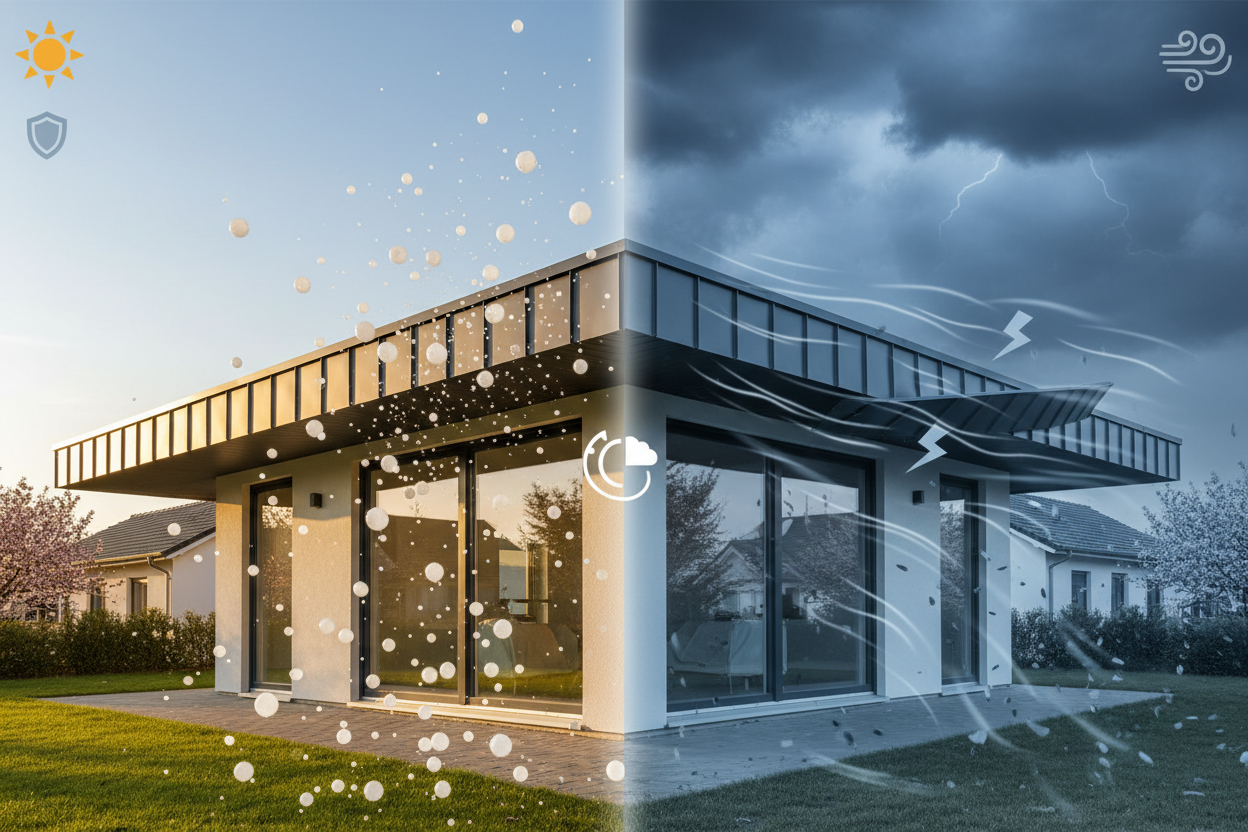
The calculation process also considers your local climate conditions, crime rates, and historical claim data for your area. Interestingly, some patio covers might actually reduce certain risk factors while potentially increasing others. For instance, a sturdy metal patio cover could protect your home’s exterior from hail damage, but it might also create new wind resistance concerns during severe storms.
How Custom Patio Covers Affect Your Property Value
One of the most significant ways patio covers impact insurance premiums is through their effect on your home’s overall value. A well-designed custom patio cover typically increases your property value by 8-15%, depending on the materials used, craftsmanship quality, and local market conditions.
This value increase directly translates to higher replacement costs in your insurance policy. If your home was previously insured for $300,000 and your patio cover adds $25,000 in value, your insurance company will likely adjust your coverage limits accordingly. This adjustment usually results in a proportional increase in your premium costs.
However, it’s important to note that not all patio covers are created equal in the eyes of insurance companies. A professionally installed, permit-approved structure will be viewed much more favorably than a DIY project or unpermitted addition. Insurance providers prefer improvements that meet local building codes and have proper documentation, as these typically represent lower risk investments.
Insurance Coverage Considerations for Patio Covers
When you install a custom patio cover, you’re not just adding square footage – you’re introducing a new element that needs specific insurance protection. Most standard homeowner’s policies will cover patio covers under the “other structures” provision, which typically provides coverage equal to 10% of your dwelling coverage.
For example, if your home is insured for $400,000, you’d have $40,000 in coverage for other structures, including your new patio cover. However, if your custom patio cover costs $50,000, you’ll need to increase this coverage to ensure full protection. This additional coverage will naturally increase your premium costs.
The type of coverage your patio cover receives also depends on how it’s constructed and attached to your home. Covers that are permanently attached and built with substantial foundations are more likely to be considered part of your dwelling coverage, which typically offers more comprehensive protection than other structures coverage.
Types of Patio Covers and Their Insurance Implications
Different patio cover materials and designs carry varying insurance implications. Understanding these differences can help you make informed decisions that balance your aesthetic preferences with insurance cost considerations.
Aluminum patio covers are among the most insurance-friendly options. They’re lightweight, durable, and less likely to cause significant damage if they fail during severe weather. Insurance companies often view aluminum covers favorably because they resist rust, require minimal maintenance, and have excellent wind resistance when properly installed.
Wood patio covers, while beautiful and customizable, may increase your premiums more significantly. Wood structures require more maintenance, are susceptible to fire damage, and can harbor pests. However, if you choose fire-resistant wood treatments and maintain the structure properly, some insurance companies may offer discounts for responsible maintenance practices.
Steel and composite materials fall somewhere in the middle. Steel offers excellent durability but may increase wind load concerns, while composite materials provide good weather resistance but can be expensive to replace. The key is ensuring whatever material you choose meets local building codes and manufacturer specifications.
Factors That Determine Premium Changes
Several specific factors influence how much your patio cover will affect your insurance premiums. The size and cost of your installation play the most obvious role – larger, more expensive covers will generally result in higher premium increases.
Your local climate and weather patterns significantly impact these calculations. If you live in an area prone to hurricanes, tornadoes, or severe hailstorms, insurance companies will scrutinize your patio cover’s wind resistance and potential for creating flying debris. Conversely, in areas with mild weather patterns, the premium impact may be minimal.
The attachment method and structural integrity of your patio cover also matter tremendously. Covers that are properly engineered and attached to your home’s structure with appropriate fasteners and supports are viewed as lower risk than those with questionable installation quality. Always ensure your contractor provides engineering reports and follows local building codes to minimize insurance concerns.
Benefits That May Lower Your Premiums
Surprisingly, certain types of patio covers can actually help reduce your insurance premiums in specific situations. If your patio cover provides significant protection to vulnerable areas of your home, insurance companies may recognize this risk reduction with premium discounts.
Patio covers that protect large windows, sliding doors, or exterior HVAC units from hail damage can be particularly valuable. Some insurance providers offer discounts for protective features that demonstrably reduce claim risks. Additionally, covers that include integrated lighting may improve your home’s security profile, potentially qualifying for security-related discounts.
Energy-efficient patio covers that reduce your home’s cooling costs might also qualify for green building discounts with certain insurance providers. These covers can significantly reduce the strain on your air conditioning system, which may lower the risk of HVAC-related claims and electrical issues.
Steps to Take Before Installing a Patio Cover
Before breaking ground on your patio cover project, contact your insurance agent to discuss the potential impact on your coverage and premiums. This conversation should happen during the planning phase, not after installation is complete.
Obtain detailed quotes from licensed contractors and share these with your insurance provider. Many companies can provide preliminary premium estimates based on the proposed construction details. This information helps you budget accurately for both the installation and ongoing insurance costs.
Ensure all necessary permits are obtained before construction begins. Unpermitted additions can create significant insurance complications and may void certain aspects of your coverage. Work with contractors who understand local building codes and can provide proper documentation throughout the process.
Working with Insurance Companies During Installation
Maintain open communication with your insurance provider throughout the installation process. Some companies require notification when construction begins, while others prefer updates at specific milestones. Understanding your insurer’s requirements helps prevent coverage gaps or claim complications.
Document the installation process thoroughly with photos and keep all receipts, permits, and inspection reports. This documentation proves valuable if you ever need to file a claim related to your patio cover or if you switch insurance providers in the future.
Once installation is complete, schedule a final inspection with both your local building department and your insurance company if required. Some insurers offer discounts for newly installed protective features, but these benefits often require formal inspection and documentation.
Long-term Financial Impact
While the immediate premium increase from a patio cover installation might seem concerning, it’s important to consider the long-term financial picture. A quality patio cover can provide decades of protection and enjoyment, and the insurance costs should be viewed as part of the total cost of ownership.
Additionally, the increased property value from a well-designed patio cover often outweighs the additional insurance costs over time. If you eventually sell your home, the added value typically provides a positive return on investment that more than compensates for the higher insurance premiums you paid.
Regular maintenance of your patio cover can help keep insurance costs stable over time. Well-maintained structures are less likely to fail during storms and create claims, which helps maintain your good standing with insurance providers and may qualify you for claims-free discounts.
Conclusion
Custom patio covers undoubtedly impact home insurance premiums, but the effect doesn’t have to be overwhelming or unexpected. By understanding how insurance companies evaluate these additions and taking proactive steps during the planning and installation process, you can minimize premium increases while maximizing the benefits of your outdoor investment.
The key is working with reputable contractors, maintaining open communication with your insurance provider, and choosing materials and designs that balance your aesthetic goals with practical insurance considerations. Remember that while your premiums may increase, you’re also gaining valuable property improvements that enhance both your lifestyle and your home’s market value.
Most homeowners find that the enjoyment and added property value from a quality patio cover far outweigh the additional insurance costs. With proper planning and execution, your custom patio cover can be a wise investment that pays dividends for years to come, both in terms of personal satisfaction and financial return.
Frequently Asked Questions
Q: Will my insurance premiums definitely increase if I install a patio cover?
A: In most cases, yes, because patio covers increase your property’s replacement value. However, the increase is typically modest and may be offset by potential discounts for protective features or energy efficiency improvements.
Q: Do I need to notify my insurance company before installing a patio cover?
A: Yes, it’s best practice to contact your insurance provider during the planning phase. Some policies require notification before major improvements, and early communication helps ensure proper coverage.
Q: What happens if I don’t tell my insurance company about my new patio cover?
A: Failing to report significant property improvements can result in coverage gaps, claim denials, or policy cancellation. Always disclose major additions to avoid complications.
Q: Are there patio cover materials that insurance companies prefer?
A: Insurance companies generally favor durable, low-maintenance materials like aluminum or steel that meet local building codes. The key is proper installation and documentation rather than specific materials.
Q: Can a patio cover actually lower my insurance premiums?
A: In some cases, yes. Patio covers that protect vulnerable areas of your home from weather damage or improve security may qualify for discounts that offset the premium increase from added property value.
Q: How much will my premiums increase with a new patio cover?
A: The increase varies based on the cover’s cost, your location, and your current coverage levels. Typically, expect an increase proportional to the added property value, often ranging from $50-300 annually for most installations.

Parker TX outdoor living contractor | Keathley Landscaping

Lucas TX covered patios | Keathley Landscaping

Rose Hill TX custom pergolas | Keathley Landscaping

Frisco TX covered patio contractors near me | Keathley Landscaping

Dallas TX custom patio cover cost | Keathley Landscaping

Rockwall TX custom patio cover builders | Keathley Landscaping

Murphy TX outdoor living space contractors | Keathley Landscaping

McKinney TX outdoor living contractor | Keathley Landscaping

Lakewood Dallas TX pergola builders | Keathley Landscaping

Plano TX outdoor living contractor | Keathley Landscaping

Lowry Crossing TX pergola companies near me | Keathley Landscaping

Garland TX custom wood pergola | Keathley Landscaping

McKinney TX luxury custom pergolas | Keathley Landscaping

Lakewood Dallas TX outdoor living space contractors | Keathley Landscaping

Garland TX custom patio covers | Keathley Landscaping

Wylie TX pergola companies near me | Keathley Landscaping

Lowry Crossing TX luxury custom pergolas | Keathley Landscaping

Lucas TX custom patio cover builders | Keathley Landscaping

Wylie TX custom pergolas | Keathley Landscaping

Allen TX custom patio cover builders | Keathley Landscaping

Lakewood Dallas TX custom patio covers | Keathley Landscaping

Dallas TX outdoor living contractor | Keathley Landscaping

Preston Hollow Dallas TX covered patios | Keathley Landscaping

Richardson TX custom patio cover builders | Keathley Landscaping

Sachse TX pergola builders | Keathley Landscaping

Wylie TX outdoor living space contractors | Keathley Landscaping

Parker TX custom patio covers | Keathley Landscaping

Lake Highlands Dallas TX luxury custom pergolas | Keathley Landscaping

sod installation services Highland Park Texas

residential sod installation Fate Texas

sod installation companies near me Lavon Texas

price for sod installation Parker Texas

sod contractors Preston Hollow Dallas Texas

sod installation company near me Rowlett Texas

sod installation service Rose Hill Texas

sod installation services Mobile City Texas

sod contractors Fate Texas

cost of sod and installation Sachse Texas

price of sod installation Rose Hill Texas

grass contractor Lowry Crossing Texas

sod grass installation Allen Texas

installation of sod cost Highland Park Texas

sod lawn installation Mobile City Texas

cost for sod installation Wylie Texas

price of sod installation Dallas Texas

installation of sod cost Sachse Texas

sod installation company near me Lavon Texas

cost of sod installation Highland Park Texas

residential sod installation Lowry Crossing Texas

sod lawn installation Rowlett Texas

new sod installation Lake Highlands Dallas Texas

grass installation Lake Highlands Dallas Texas

new sod installation Fate Texas

sod installation cost Lakewood Dallas Texas

price for sod installation Dallas Texas

sod installation company Fate Texas

drainage Lucas Texas

yard drainage Fairview Texas

yard drainage Garland Texas

drainage contractors near me Frisco Texas

drain Preston Hollow Dallas Texas

yard drainage specialist near me Rowlett Texas

yard drainage Plano Texas

drainage contractors near me Lowry Crossing Texas

drainage specialist near me Lucas Texas

drainage company Lavon Texas

outdoor drain repair Fairview Texas

drainage contractors near me Garland Texas

channel drain cleaning Dallas Texas

landscape drainage contractor near me Dallas Texas

drainage contractors near me Rowlett Texas

landscape drainage contractor near me Wylie Texas

drainage Garland Texas

drain cleaning company near me Lakewood Dallas Texas

channel drain cleaning McKinney Texas

drain cleaning company near me Preston Hollow Dallas Texas

yard drainage Preston Hollow Dallas Texas

drainage company near me Lucas Texas

landscape drainage Rose Hill Texas

yard drainage contractors near me Rowlett Texas

drain cleaning McKinney Texas

yard drainage contractors near me Rockwall Texas

channel drain cleaning Parker Texas

Recent Comments