
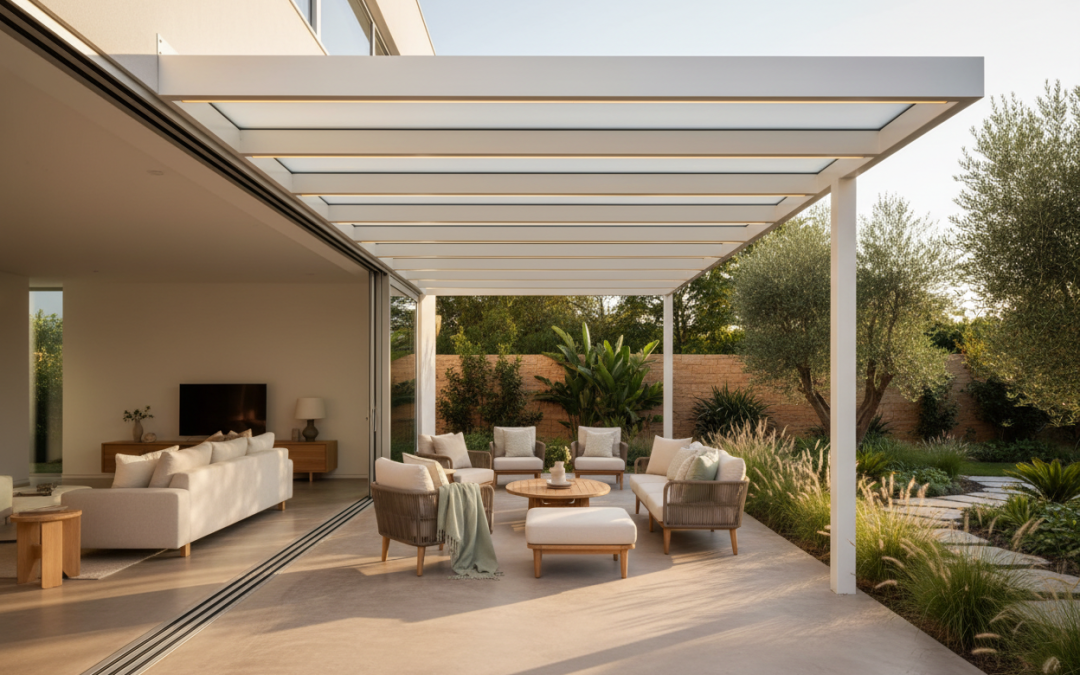
How to Create Seamless Transitions from Indoor to Outdoor with Custom Patio Covers
Table of Contents
1. Understanding the Indoor-Outdoor Connection
2. The Role of Custom Patio Covers in Seamless Design
3. Design Elements for Smooth Transitions
4. Material Selection for Cohesive Flow
5. Lighting Solutions for Day-to-Night Continuity
6. Creating Functional Outdoor Living Spaces
7. Weather Protection Without Sacrificing Style
8. Professional Installation vs. DIY Considerations
9. Maintenance Tips for Long-lasting Appeal
10. Frequently Asked Questions
The dream of effortlessly flowing between your indoor and outdoor spaces isn’t just a luxury anymore—it’s becoming an essential part of modern home design. There’s something magical about stepping from your living room onto a covered patio that feels like a natural extension of your home rather than an afterthought. Custom patio covers play a pivotal role in creating this seamless transition, transforming your outdoor area into a true outdoor room that complements your interior design while providing protection from the elements.
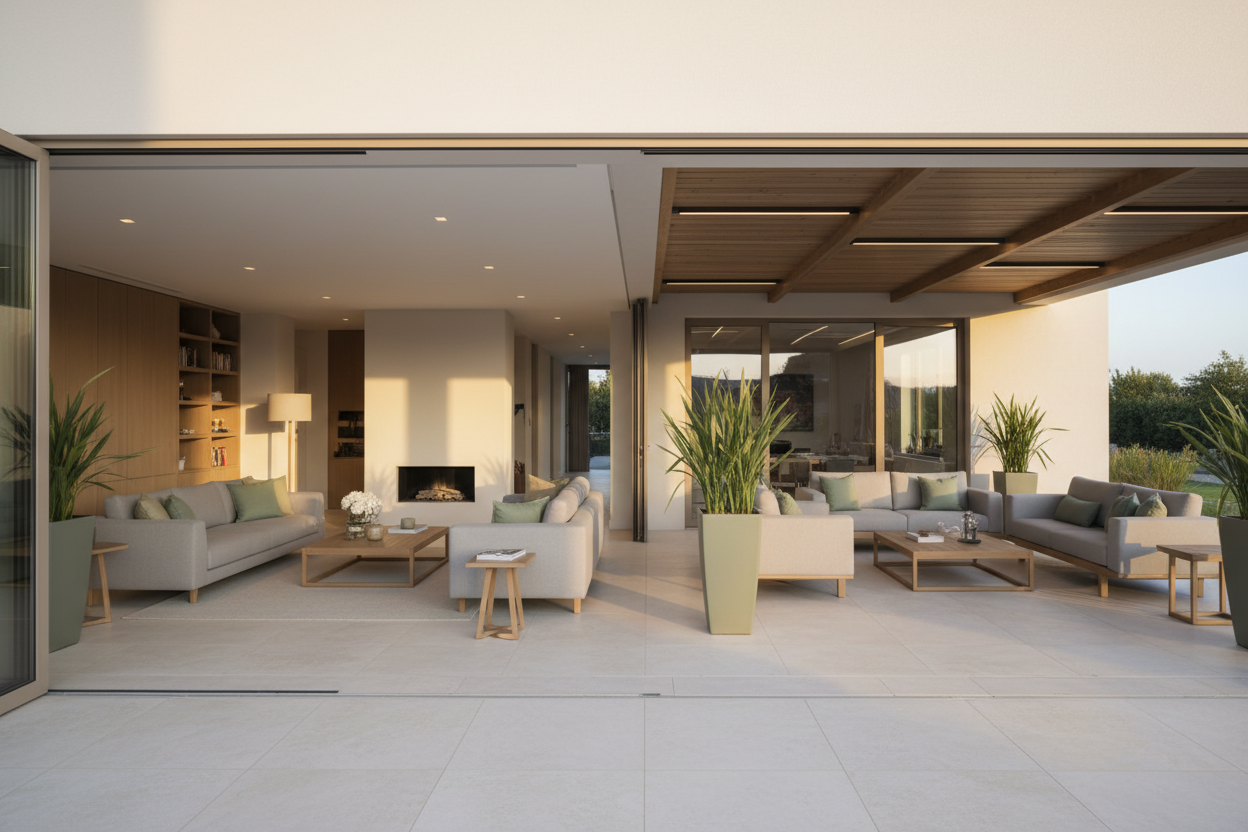
Whether you’re sipping your morning coffee or hosting an evening dinner party, the right patio cover can make your outdoor space feel just as comfortable and inviting as any room inside your house. Let’s explore how you can achieve this perfect indoor-outdoor harmony with thoughtfully designed custom patio covers.
Understanding the Indoor-Outdoor Connection
Creating a seamless transition between indoor and outdoor spaces goes beyond simply adding a roof over your patio. It’s about establishing visual, functional, and emotional continuity that makes both spaces feel like parts of a unified whole. When done correctly, guests should feel like they’re moving from one room to another rather than stepping outside.
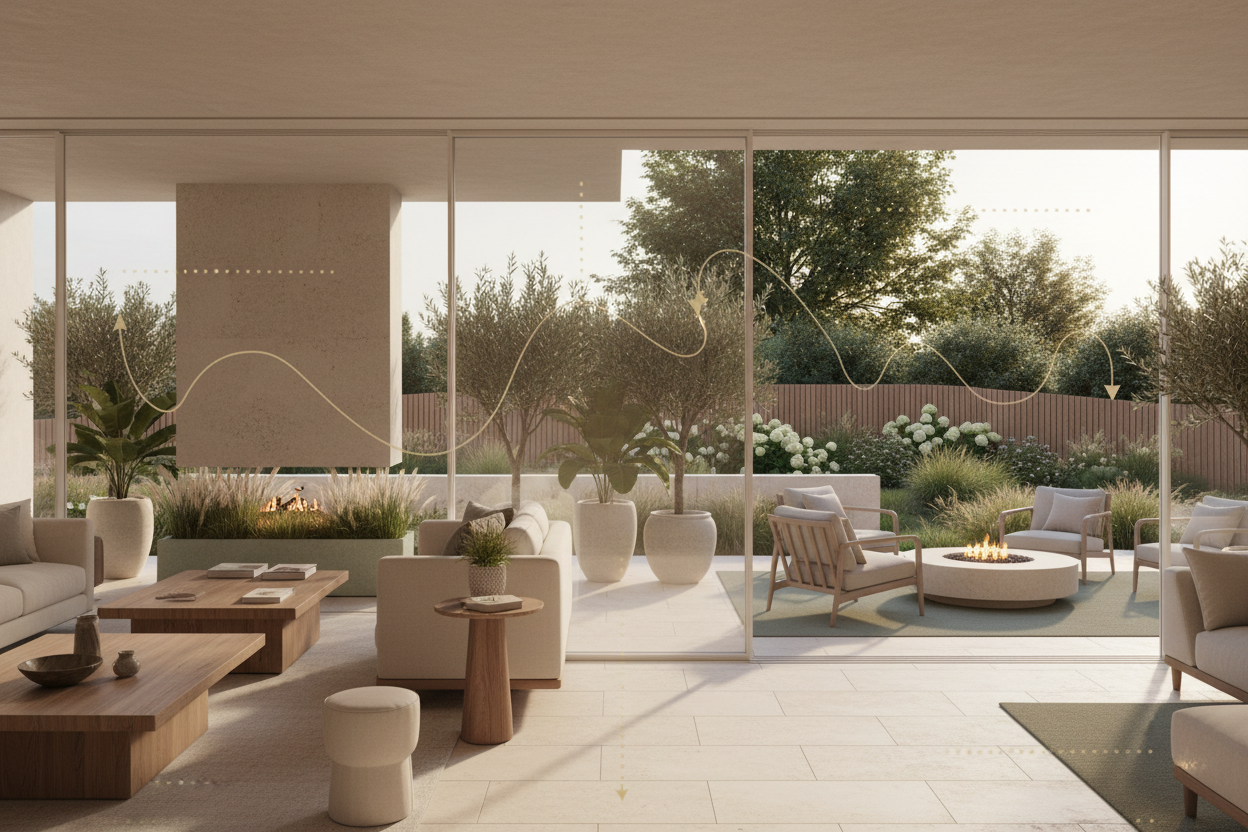
The key lies in understanding how people naturally move through spaces and what visual cues help create that sense of flow. Your eyes should be able to travel smoothly from inside to outside without jarring interruptions in color, style, or scale. This doesn’t mean everything has to match perfectly, but there should be thoughtful connections that tie the spaces together.
Consider how natural light plays a role in both spaces throughout the day. A well-designed patio cover should complement the way light enters your home while providing appropriate shading for outdoor comfort. The goal is to create spaces that feel equally inviting regardless of the time of day or season.
The Role of Custom Patio Covers in Seamless Design
Custom patio covers serve as the architectural bridge between your indoor and outdoor environments. Unlike generic, off-the-shelf solutions, custom covers can be designed to match your home’s existing roofline, architectural details, and overall aesthetic. This creates a sense that the outdoor space was always meant to be part of the original design.
The beauty of custom patio covers lies in their ability to address your specific needs while maintaining design integrity. Maybe you need extra height to accommodate ceiling fans, or perhaps you want integrated lighting that matches your interior fixtures. Custom solutions allow you to incorporate these elements seamlessly rather than adding them as obvious afterthoughts.
A well-designed custom patio cover also considers the proportions of your existing home. It should feel neither too small nor overwhelming, but rather like a natural extension that enhances the overall architectural composition. This attention to scale and proportion is what separates truly seamless transitions from spaces that feel disconnected or awkward.
Design Elements for Smooth Transitions
Several design elements work together to create that coveted seamless flow between indoor and outdoor spaces. Color continuity plays a crucial role—your patio cover should either complement or subtly contrast with your home’s exterior colors. This doesn’t mean everything needs to match exactly, but there should be a thoughtful color relationship that feels intentional.
Architectural details make a significant difference in achieving visual continuity. If your home features specific trim work, column styles, or decorative elements, incorporating similar details into your patio cover design helps maintain that architectural thread. Even simple elements like matching the pitch of your patio cover roof to your home’s existing rooflines can create a more cohesive appearance.
The ceiling treatment of your patio cover offers another opportunity to reinforce the indoor-outdoor connection. Consider using materials or finishes that echo elements from your interior spaces. Exposed beams that mirror interior ceiling treatments, or painted surfaces that complement your indoor color palette, can strengthen the visual relationship between spaces.
Flooring transitions deserve special attention as well. The change from indoor flooring to outdoor surfaces should feel intentional and smooth. Consider using transitional materials or patterns that help bridge the gap between different flooring types while maintaining safety and functionality.
Material Selection for Cohesive Flow
The materials you choose for your custom patio cover significantly impact how well it integrates with your home’s existing architecture. Wood remains a popular choice for its versatility and natural warmth, especially when you can match or complement existing wood elements on your home’s exterior.
For homes with modern or contemporary styling, aluminum and steel offer clean lines and durability while allowing for sleek, minimalist designs. These materials work particularly well when powder-coated in colors that coordinate with your home’s exterior palette. The key is selecting materials that feel consistent with your home’s overall aesthetic rather than introducing jarring contrasts.
Mixed materials can create interesting visual texture while maintaining cohesion. For example, combining wood posts with a metal roof, or incorporating stone columns that echo your home’s foundation or accent walls. The trick is to use materials that already appear somewhere in your home’s design, creating visual echoes rather than introducing entirely new elements.
Consider the aging characteristics of your chosen materials as well. Materials that weather gracefully and develop patina over time can actually enhance the integrated feel of your outdoor space, making it seem like it’s always been part of your home’s landscape.
Lighting Solutions for Day-to-Night Continuity
Thoughtful lighting design ensures your seamless indoor-outdoor transition works just as well after sunset as it does during the day. The goal is to create lighting that feels like a natural extension of your interior lighting scheme while providing appropriate illumination for outdoor activities.
Integrated lighting solutions built into your custom patio cover can include recessed fixtures that mirror your interior can lights, or track lighting that provides flexible illumination options. Consider the color temperature of your lighting carefully—warmer tones typically create a more inviting atmosphere that feels consistent with most interior lighting.
Layered lighting approaches work best for outdoor spaces, just as they do indoors. Combine ambient lighting for overall illumination with task lighting for specific activities and accent lighting to highlight architectural features or landscaping elements. This creates depth and visual interest while maintaining functionality.
Don’t forget about natural lighting transitions throughout the day. Your patio cover design should consider how shadows fall and how the quality of light changes from morning to evening. Adjustable elements like retractable screens or louvers can help you control light levels while maintaining that seamless connection to your indoor spaces.
Creating Functional Outdoor Living Spaces
A truly seamless transition means your outdoor space should function as naturally as any indoor room. This requires careful planning of how you’ll use the space and what amenities you’ll need to make it comfortable and functional year-round.
Consider incorporating outdoor kitchen elements, comfortable seating areas, or even outdoor entertainment systems that mirror the functionality of your interior spaces. The key is to plan these elements during the patio cover design phase so they can be integrated seamlessly rather than added as afterthoughts.
Climate control considerations become important for creating truly livable outdoor spaces. This might include ceiling fans integrated into your patio cover design, or provisions for heating elements that extend the usable season. Some homeowners even incorporate retractable screens or glass panels that can enclose the space when needed while maintaining the open feel when desired.
Storage solutions help maintain the clean, uncluttered look that supports seamless transitions. Built-in storage benches, integrated planters, or concealed storage areas can keep outdoor necessities handy while maintaining the polished appearance that makes the space feel like an extension of your home’s interior.
Weather Protection Without Sacrificing Style
One of the primary functions of any patio cover is weather protection, but this doesn’t mean you have to sacrifice style for functionality. Modern custom patio cover designs can provide excellent protection from sun, rain, and wind while maintaining the aesthetic appeal that supports seamless indoor-outdoor transitions.
Consider adjustable elements that allow you to modify the level of protection based on weather conditions. Retractable awnings, adjustable louvers, or removable panels can provide flexibility while maintaining the clean lines that support your design goals. These elements should be designed to integrate seamlessly with your patio cover rather than appearing as obvious add-ons.
Proper drainage design is crucial but shouldn’t be visually intrusive. Integrated gutters and downspouts that match your home’s existing systems help maintain visual continuity while providing necessary water management. Consider how water will flow and where it will be directed to avoid creating problems for your outdoor living space or your home’s foundation.
Wind protection might require strategic placement of screens or panels, but these can be designed as attractive architectural elements rather than purely functional barriers. Glass panels, decorative screens, or strategically placed planters can provide wind protection while enhancing rather than detracting from your overall design.
Professional Installation vs. DIY Considerations
While the appeal of DIY projects is understandable, custom patio covers that create truly seamless transitions typically require professional expertise. The complexity of integrating new construction with existing architecture, ensuring proper structural support, and achieving the precise details that make transitions feel seamless often exceeds typical DIY capabilities.
Professional designers and installers bring valuable experience in creating cohesive designs that work with your home’s existing architecture. They understand local building codes, structural requirements, and design principles that ensure your patio cover not only looks great but also performs safely and reliably over time.
However, there are elements of the project where homeowner input and even hands-on involvement can be valuable. Selecting finishes, choosing lighting fixtures, or planning furniture arrangements are areas where your personal taste and lifestyle needs should drive decisions. The key is knowing where professional expertise is essential and where your personal involvement adds value.
Consider the long-term implications of your installation choices as well. Professional installation typically comes with warranties and guarantees that protect your investment, while DIY installations may void manufacturer warranties or create liability issues if problems arise.
Maintenance Tips for Long-lasting Appeal
Maintaining the seamless appearance of your indoor-outdoor transition requires ongoing attention to keep both spaces looking their best. Regular cleaning and maintenance of your patio cover helps ensure it continues to complement your home’s appearance rather than detracting from it.
Establish a seasonal maintenance routine that addresses both functional and aesthetic needs. This might include cleaning gutters and drainage systems, washing down surfaces, checking and tightening hardware, and touching up paint or stain as needed. Regular maintenance prevents small issues from becoming major problems that could disrupt the seamless appearance you’ve worked to create.
Pay attention to how different materials age and weather over time. Some materials may require more frequent attention to maintain their appearance, while others develop attractive patina that actually enhances the integrated feel of your outdoor space. Understanding these characteristics helps you plan appropriate maintenance schedules.
Consider seasonal adjustments that help maintain the connection between indoor and outdoor spaces throughout the year. This might involve changing out accessories, adjusting lighting, or modifying plantings to keep the transition feeling fresh and intentional regardless of the season.
Creating seamless transitions from indoor to outdoor spaces with custom patio covers is both an art and a science. It requires careful attention to design details, thoughtful material selection, and professional execution to achieve results that truly feel like natural extensions of your home’s interior spaces.
The investment in a well-designed custom patio cover pays dividends in increased living space, enhanced home value, and improved quality of life. When you can step from your kitchen onto a covered patio that feels like an outdoor dining room, or transition from your living room to an outdoor entertainment area without missing a beat, you’ve achieved something special.
Remember that the best seamless transitions don’t call attention to themselves—they simply feel right. When guests comment on how naturally your outdoor space flows from your interior, you’ll know you’ve succeeded in creating that coveted indoor-outdoor harmony that makes a house feel like a true home.
Frequently Asked Questions
How much does a custom patio cover typically cost?
Custom patio cover costs vary widely based on size, materials, complexity, and location, typically ranging from $15 to $50 per square foot for basic designs, with high-end custom solutions potentially costing $75 to $150 per square foot or more. The investment often pays for itself through increased home value and enhanced outdoor living enjoyment.
Do I need permits for a custom patio cover?
Most custom patio covers require building permits, especially if they’re attached to your home or exceed certain size thresholds. Requirements vary by location, so check with your local building department early in the planning process. Professional contractors typically handle permit applications as part of their services.
How long does it take to install a custom patio cover?
Installation timelines depend on design complexity, size, weather conditions, and contractor availability, but most custom patio covers take 1-3 weeks from start to finish once permits are approved. Simple designs may be completed faster, while complex projects with integrated features might take longer.
Can I add heating and cooling to my covered patio?
Yes, many patio covers can accommodate ceiling fans, outdoor heaters, and even misting systems for cooling. These elements should be planned during the design phase to ensure proper electrical supply and structural support. Professional installation ensures safe and code-compliant integration.
What’s the best material for matching my home’s existing architecture?
The best material depends on your home’s style and existing materials. Wood offers versatility and warmth, aluminum provides durability and clean lines, while composite materials offer low maintenance with natural appearance. A design professional can help select materials that best complement your specific home.
How do I maintain the seamless look over time?
Regular cleaning, seasonal inspections, and prompt attention to maintenance needs help preserve the integrated appearance. This includes cleaning surfaces, maintaining finishes, checking hardware, and ensuring drainage systems function properly. Establishing a routine maintenance schedule prevents small issues from becoming major problems.

Fate TX pergola companies near me | Keathley Landscaping

Fate TX custom patio covers | Keathley Landscaping

Lakewood Dallas TX pergolas | Keathley Landscaping

Richardson TX pergola companies near me | Keathley Landscaping

Mobile City TX custom wood pergola | Keathley Landscaping

Lucas TX custom patio covers | Keathley Landscaping

Murphy TX custom patio cover cost | Keathley Landscaping

Richardson TX covered patios | Keathley Landscaping

Parker TX covered patio contractors near me | Keathley Landscaping

Highland Park TX outdoor living contractor | Keathley Landscaping

Fate TX covered patios | Keathley Landscaping

Plano TX outdoor living space contractors | Keathley Landscaping

Lake Highlands Dallas TX custom pergolas | Keathley Landscaping

Fairview TX pergola companies near me | Keathley Landscaping

Lucas TX custom patio cover builders | Keathley Landscaping

Wylie TX pergola companies near me | Keathley Landscaping

Richardson TX custom patio cover builders | Keathley Landscaping

Rose Hill TX covered patio contractors near me | Keathley Landscaping

Lowry Crossing TX outdoor living contractor | Keathley Landscaping

Sachse TX covered patios | Keathley Landscaping

Dallas TX custom patio cover cost | Keathley Landscaping

Rowlett TX custom patio cover cost | Keathley Landscaping

Rose Hill TX covered patios | Keathley Landscaping

Allen TX outdoor living contractor | Keathley Landscaping

Wylie TX covered patios | Keathley Landscaping

Dallas TX pergolas | Keathley Landscaping

Garland TX pergola companies near me | Keathley Landscaping

Lakewood Dallas TX custom patio cover builders | Keathley Landscaping

grass contractor Rowlett Texas

price for sod installation Garland Texas

sod grass installation Rowlett Texas

sod installation services Lavon Texas

sod company Lavon Texas

sod installation service Rockwall Texas

sod installation cost Plano Texas

sod installation near me Allen Texas

sod installation companies near me Garland Texas

sod contractors Rockwall Texas

new sod installation Highland Park Texas

cost of sod installation Lake Highlands Dallas Texas

sod lawn installation Rockwall Texas

price for sod installation Plano Texas

price of sod installation Frisco Texas

lawn sod installation Rose Hill Texas

sod installation companies near me Rose Hill Texas

lawn sod installation near me McKinney Texas

grass contractor Lavon Texas

installation of sod cost Fate Texas

sod company Mobile City Texas

sod installation cost Rose Hill Texas

sod installation service Murphy Texas

sod installation service McKinney Texas

sod installation service Lavon Texas

sod installation company Lavon Texas

cost of sod and installation Garland Texas

sod grass installation McKinney Texas

drainage company near me Rowlett Texas

drain contractor Lucas Texas

drainage company near me Preston Hollow Dallas Texas

channel drain cleaning Garland Texas

landscape drainage Fairview Texas

yard drainage Lake Highlands Dallas Texas

drain Richardson Texas

drainage company Sachse Texas

drain cleaning company near me Sachse Texas

landscape drainage Wylie Texas

drain cleaning company near me Rowlett Texas

yard drainage specialist near me McKinney Texas

outdoor drain repair Highland Park Texas

drainage company Allen Texas

yard drainage contractors near me Highland Park Texas

drain contractor Fairview Texas

drainage contractors near me Dallas Texas

channel drain cleaning Murphy Texas

drain cleaning company near me Frisco Texas

landscape drainage contractor near me Preston Hollow Dallas Texas

drainage specialist near me Parker Texas

yard drainage specialist near me Rowlett Texas

drain cleaning company near me Plano Texas

drainage contractors near me Garland Texas

landscape drainage Murphy Texas

outdoor drain repair Wylie Texas

landscape drainage Rockwall Texas

Recent Comments