
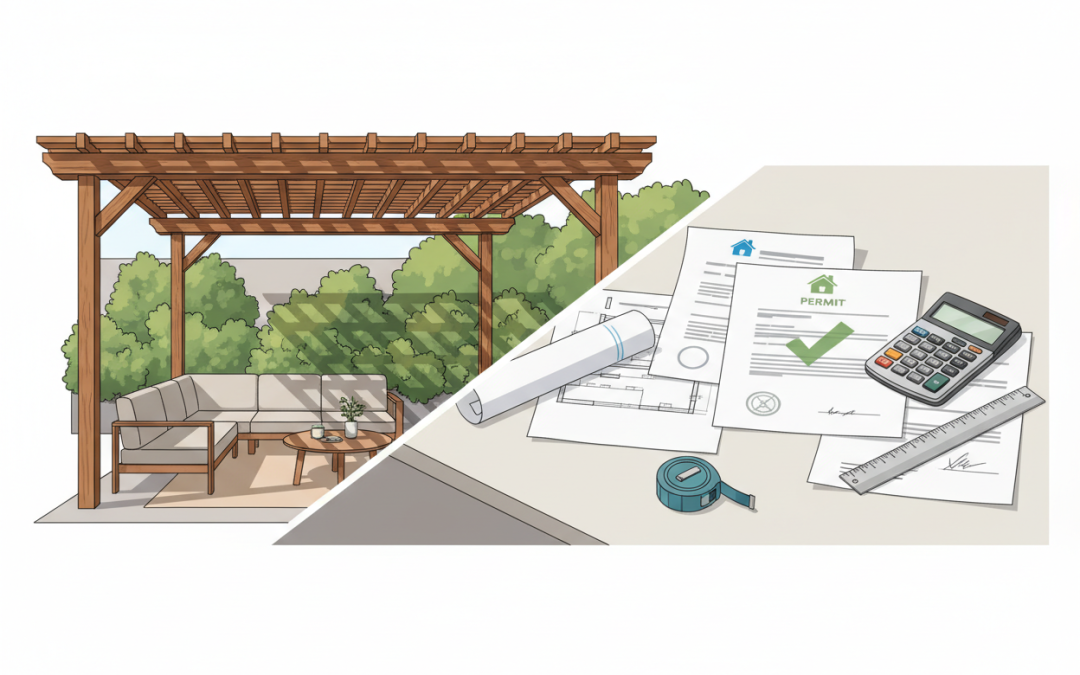
Custom Patio Cover Permits: Everything You Need to Know Before Building
Table of Contents
1. Introduction
2. Understanding Patio Cover Permits
3. When Do You Need a Permit for Your Patio Cover?
4. Types of Patio Cover Permits
5. The Permit Application Process
6. Required Documentation and Plans
7. Common Permit Requirements and Building Codes
8. Timeline and Costs
9. What Happens if You Skip the Permit Process?
10. Working with Contractors and Permit Responsibilities
11. Inspection Process
12. Conclusion
13. Frequently Asked Questions
Introduction
Picture this: you’ve been dreaming about that perfect patio cover for months. You’ve browsed countless designs, measured your space, and you’re ready to create the outdoor oasis you’ve always wanted. But before you start swinging that hammer or calling contractors, there’s one crucial step that could save you thousands of dollars in fines and headaches – understanding patio cover permits.
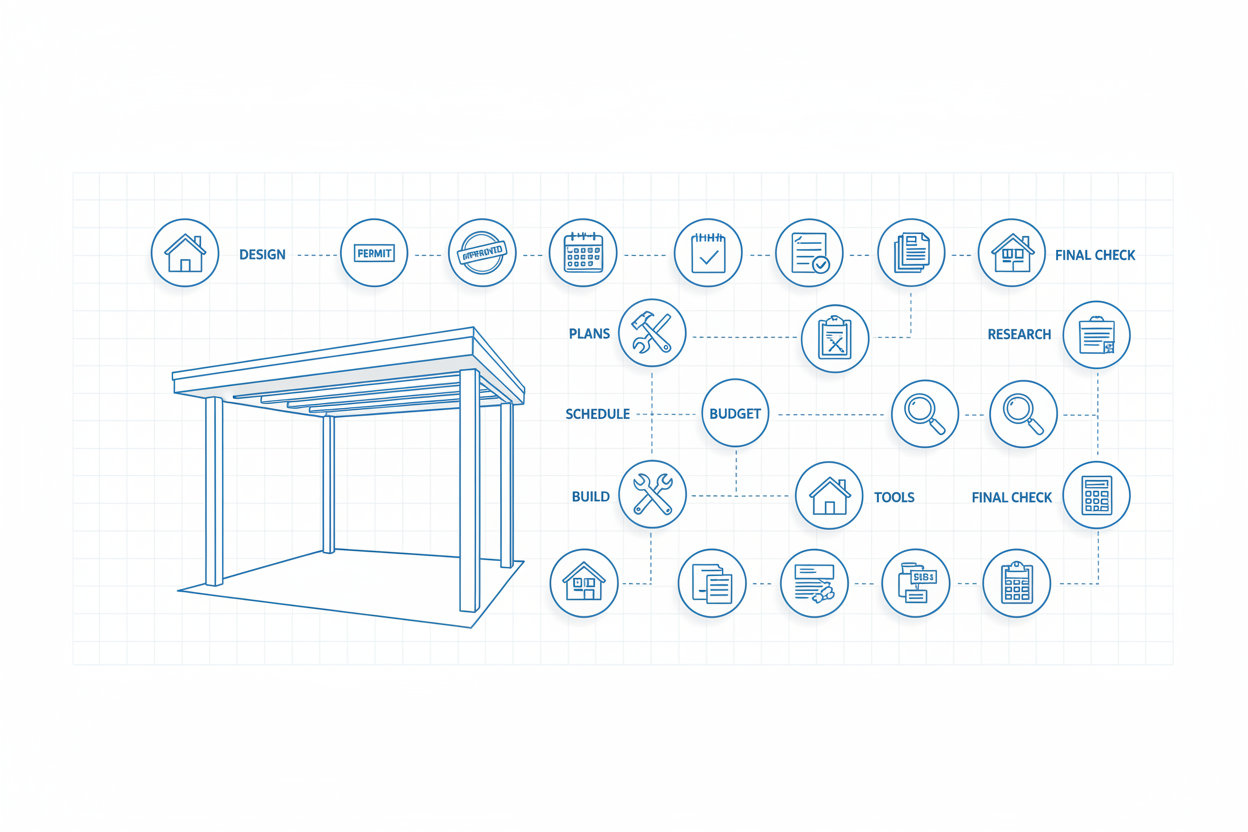
If you’re like most homeowners, the word “permits” probably makes you want to roll your eyes and dive under the covers. Trust me, I get it. The permit process can feel overwhelming, bureaucratic, and downright confusing. However, getting the proper permits for your custom patio cover isn’t just about following rules – it’s about protecting your investment, ensuring your family’s safety, and avoiding costly legal issues down the road.
Whether you’re planning a simple aluminum awning or an elaborate outdoor living space with electrical and plumbing, this comprehensive guide will walk you through everything you need to know about patio cover permits. By the end, you’ll feel confident navigating the process and ready to build your dream outdoor space the right way.

Understanding Patio Cover Permits
A patio cover permit is essentially your local government’s way of ensuring that your construction project meets safety standards, building codes, and zoning requirements. Think of it as a safety net that protects both you and your neighbors from potentially dangerous or inappropriate construction.
These permits aren’t just red tape designed to slow you down. They serve several important purposes: ensuring structural integrity, maintaining neighborhood aesthetics, protecting property values, and most importantly, keeping your family safe. When you obtain a permit, you’re getting official approval that your patio cover design meets local building standards.
The permit process typically involves submitting detailed plans, paying fees, and scheduling inspections at various stages of construction. While this might seem tedious, it’s actually working in your favor. The review process can catch potential problems before they become expensive mistakes, and the inspections ensure everything is built correctly.
When Do You Need a Permit for Your Patio Cover?
This is probably the most common question homeowners ask, and unfortunately, there’s no one-size-fits-all answer. Permit requirements vary significantly depending on your location, the size of your project, and the complexity of your patio cover design.
Generally speaking, you’ll likely need a permit if your patio cover exceeds a certain size threshold – often 120 to 200 square feet, depending on your local jurisdiction. You’ll also need permits for covers that require electrical work, plumbing, or structural modifications to your existing home.
Attached patio covers almost always require permits since they’re considered permanent additions to your home’s structure. Freestanding covers might have different requirements, but don’t assume they’re permit-free. Some areas require permits for any permanent outdoor structure, regardless of whether it’s attached to your house.
Here’s a pro tip that could save you a lot of trouble: when in doubt, call your local building department. A quick phone call can clarify whether your specific project needs a permit. It’s much better to ask upfront than to deal with enforcement issues later.
Types of Patio Cover Permits
Not all patio cover permits are created equal. Understanding the different types can help you determine which one applies to your project and what to expect during the application process.
The most common type is a standard building permit, which covers basic structural work like installing posts, beams, and roofing materials. If your patio cover is relatively simple and doesn’t require utilities, this is probably what you’ll need.
Electrical permits become necessary when you want to add lighting, ceiling fans, or outlets to your patio cover. This type of permit ensures that all electrical work meets safety codes and is performed by qualified professionals.
Plumbing permits apply when you’re incorporating water features, outdoor kitchens, or misting systems into your patio cover design. These permits ensure proper water pressure, drainage, and compliance with health codes.
Some jurisdictions also require separate permits for mechanical work (like HVAC extensions) or specialty permits for unique features like fire pits or outdoor fireplaces.
The Permit Application Process
Navigating the permit application process doesn’t have to be a nightmare if you know what to expect. Most building departments have streamlined their processes in recent years, with many offering online applications and digital document submission.
Your first step should be visiting your local building department’s website or office to understand their specific requirements. Every jurisdiction has slightly different procedures, forms, and documentation requirements. Some cities have helpful guides specifically for patio covers, while others group them under general residential additions.
The application itself typically requires basic information about your project: location, size, materials, estimated cost, and construction timeline. You’ll also need to provide detailed construction plans, which we’ll discuss in the next section.
Once you submit your application, it goes through a review process where building officials check your plans against local codes and regulations. This review can take anywhere from a few days to several weeks, depending on your local department’s workload and the complexity of your project.
During the review, officials might request clarifications or modifications to your plans. Don’t panic if this happens – it’s completely normal and usually involves minor adjustments to ensure code compliance.
Required Documentation and Plans
Proper documentation is crucial for a smooth permit approval process. While requirements vary by location, most jurisdictions ask for similar types of information and plans.
A site plan is typically required, showing your property boundaries, existing structures, and the proposed location of your patio cover. This plan should include setback measurements from property lines, which are critical for zoning compliance. Many homeowners underestimate the importance of accurate measurements here, but they’re essential for approval.
Construction drawings or blueprints detail the structural elements of your patio cover. These don’t need to be architect-level drawings, but they should clearly show dimensions, materials, connection methods, and structural details. If you’re not comfortable creating these yourself, hiring a professional drafter or engineer might be worth the investment.
You’ll also need to provide specifications for all materials you plan to use, including lumber grades, hardware specifications, and roofing materials. This information helps building officials verify that your materials meet local building codes.
Some jurisdictions require additional documentation like soil reports for larger structures, engineering calculations for complex designs, or environmental impact assessments for certain areas.
Common Permit Requirements and Building Codes
Understanding common building code requirements can help you design your patio cover correctly from the start, avoiding costly revisions during the permit review process.
Setback requirements are among the most important considerations. Most areas require patio covers to be set back a certain distance from property lines – typically 3 to 10 feet, depending on your local zoning laws. Corner lots often have additional restrictions due to visibility requirements for traffic safety.
Height restrictions are another common requirement. Many jurisdictions limit patio covers to specific heights, often 12 to 15 feet at the highest point. These limits help maintain neighborhood character and prevent structures from blocking neighbors’ views or sunlight.
Structural requirements ensure your patio cover can withstand local weather conditions. This includes wind load calculations, snow load requirements in colder climates, and proper foundation specifications. Your local building code will specify these requirements based on your area’s climate conditions.
Fire safety codes might affect your patio cover design, especially in wildfire-prone areas. Some regions require fire-resistant materials or specific clearances from structures to reduce fire risk.
Timeline and Costs
Understanding the timeline and costs associated with patio cover permits helps you plan your project budget and schedule more effectively.
Permit fees vary widely depending on your location and project scope. Simple patio covers might cost $50 to $200 in permit fees, while more complex projects with electrical and plumbing components could cost $500 or more. Some jurisdictions calculate fees based on the estimated construction cost, typically charging 1-3% of the total project value.
The timeline for permit approval depends on several factors: your local building department’s workload, the complexity of your project, and how complete your initial application is. Simple projects might get approved in a week or two, while complex designs could take a month or longer.
You can often expedite the process by submitting complete, accurate applications the first time. Incomplete applications or plans that don’t meet code requirements will slow things down significantly as they bounce back and forth for corrections.
Don’t forget to factor inspection scheduling into your timeline. Most jurisdictions require multiple inspections during construction, and you’ll need to coordinate these with your construction schedule.
What Happens if You Skip the Permit Process?
I know it’s tempting to skip the permit process, especially for what seems like a simple patio cover. But let me share why this is almost always a bad idea that can cost you much more than the original permit fees.
First, there are the immediate legal consequences. Most jurisdictions actively enforce building codes, and unpermitted structures can result in significant fines – often several times more than the original permit would have cost. Some areas impose daily fines until you obtain proper permits and bring the structure up to code.
Insurance issues present another major risk. Many homeowners insurance policies don’t cover damage related to unpermitted structures. If your unpermitted patio cover causes damage during a storm or contributes to other property damage, you might find yourself without coverage when you need it most.
Real estate transactions can become complicated when unpermitted structures are discovered. Buyers might demand that you obtain permits and bring everything up to code before closing, or they might walk away from the deal entirely. This can cost you thousands in delays, corrections, or reduced sale prices.
Perhaps most importantly, unpermitted work might not meet safety standards. Building codes exist to protect you and your family, and skipping the permit process means skipping the safety checks that ensure your patio cover won’t collapse or create other hazards.
Working with Contractors and Permit Responsibilities
If you’re hiring a contractor for your patio cover project, understanding permit responsibilities can prevent misunderstandings and ensure everything gets handled properly.
Many reputable contractors will handle the permit process as part of their service, but this isn’t always the case. Before signing any contracts, clarify who’s responsible for obtaining permits, paying fees, and scheduling inspections. Get this agreement in writing to avoid disputes later.
When contractors handle permits, they typically add the costs to your project total. This might seem more expensive upfront, but it often saves time and ensures everything is done correctly. Experienced contractors know local requirements and can navigate the process more efficiently than most homeowners.
However, remember that as the property owner, you’re ultimately responsible for ensuring proper permits are obtained. Even if your contractor promises to handle everything, it’s worth following up to confirm that permits are actually pulled and inspections are scheduled.
If you’re doing the work yourself, you can usually obtain permits as the homeowner. Some jurisdictions have restrictions on electrical or plumbing work that must be done by licensed professionals, but structural work is often allowed for DIY projects.
Inspection Process
The inspection process is your final hurdle before enjoying your new patio cover, and understanding what to expect can help ensure smooth sailing through this final stage.
Most patio cover projects require multiple inspections at different construction phases. A foundation inspection typically happens after you’ve dug footings but before pouring concrete. This ensures proper depth, size, and reinforcement placement.
Framing inspections occur after you’ve installed posts and beams but before adding roofing materials. Inspectors check structural connections, lumber grades, and overall construction quality during this visit.
If your project includes electrical or plumbing work, separate inspections are usually required before these systems are covered or concealed. This typically happens after installation but before drywall or other finishing materials are added.
The final inspection occurs after all work is complete. Inspectors verify that everything matches the approved plans and meets building codes. Once you pass this final inspection, you’ll receive a certificate of occupancy or completion that officially closes out your permit.
Preparing for inspections is crucial for avoiding delays. Make sure work areas are clean and accessible, all required work is complete, and any necessary documentation is available. Most inspectors appreciate homeowners who are prepared and can answer questions about the construction process.
Conclusion
Navigating the patio cover permit process might seem daunting at first, but it’s really about protecting your investment and ensuring your family’s safety. Yes, permits add some time and cost to your project, but they’re far less expensive than dealing with legal issues, insurance problems, or safety hazards down the road.
The key to success is starting early and staying organized. Research your local requirements before finalizing your design, prepare complete and accurate documentation, and don’t hesitate to ask questions when you’re unsure about something. Most building department staff are helpful and want to see your project succeed.
Remember that every jurisdiction is different, so what applies in one city might not apply in another. When in doubt, contact your local building department directly. A quick phone call or visit can save you hours of confusion and potential problems.
With proper permits in hand, you can build your patio cover with confidence, knowing that it meets all safety standards and legal requirements. Your future self will thank you for taking the time to do things right from the start.
Frequently Asked Questions
Q: How long does it take to get a patio cover permit approved?
A: Permit approval times vary by jurisdiction and project complexity, but most simple patio cover permits are approved within 1-4 weeks. Complex projects with electrical or plumbing components may take longer. Contact your local building department for specific timelines in your area.
Q: Can I start building while my permit application is under review?
A: No, you should never start construction before receiving permit approval. Building without an approved permit can result in fines, work stoppage orders, and requirements to tear down completed work. Wait for official approval before beginning any construction.
Q: Do I need a permit for a temporary patio cover?
A: This depends on your local regulations and how “temporary” is defined. Some jurisdictions require permits for any structure that remains in place for more than a few days, while others have specific exemptions for truly temporary structures. Check with your local building department to be sure.
Q: What happens if my patio cover fails inspection?
A: If your patio cover fails inspection, the inspector will provide a list of items that need to be corrected. You’ll need to fix these issues and schedule a re-inspection. Most jurisdictions allow reasonable time to make corrections without additional fees.
Q: Can I get a permit after I’ve already built my patio cover?
A: Many jurisdictions allow after-the-fact permits, but this process is typically more expensive and complicated than getting permits before construction. You may need to provide additional documentation, pay penalty fees, and potentially modify existing work to meet current codes.
Q: Do attached and detached patio covers have different permit requirements?
A: Yes, attached patio covers typically have more stringent requirements since they’re considered additions to your home’s structure. Detached covers might have different setback requirements and structural standards, but both usually require permits if they exceed size thresholds.
Q: How much do patio cover permits typically cost?
A: Permit costs vary widely by location and project scope, ranging from $50 for simple covers to $500+ for complex projects with utilities. Some jurisdictions calculate fees as a percentage of estimated construction costs. Contact your local building department for specific fee schedules.

Plano TX custom patio cover builders | Keathley Landscaping

Lake Highlands Dallas TX custom patio cover builders | Keathley Landscaping

Rockwall TX custom pergolas | Keathley Landscaping

Frisco TX pergola builders | Keathley Landscaping

Lavon TX covered patio contractors near me | Keathley Landscaping

Lucas TX pergolas | Keathley Landscaping

Lowry Crossing TX pergola companies near me | Keathley Landscaping

Fate TX pergola builders | Keathley Landscaping

Allen TX pergolas | Keathley Landscaping

Lakewood Dallas TX covered patio contractors near me | Keathley Landscaping

McKinney TX pergolas | Keathley Landscaping

Allen TX covered patios | Keathley Landscaping

Lake Highlands Dallas TX custom patio covers | Keathley Landscaping

Highland Park TX custom patio cover cost | Keathley Landscaping

Mobile City TX pergola builders | Keathley Landscaping

McKinney TX outdoor living contractor | Keathley Landscaping

Parker TX custom patio cover builders | Keathley Landscaping

Garland TX custom patio cover builders | Keathley Landscaping

Parker TX custom patio covers | Keathley Landscaping

Allen TX covered patio contractors near me | Keathley Landscaping

Rowlett TX custom patio cover cost | Keathley Landscaping

Fairview TX custom pergolas | Keathley Landscaping

Dallas TX pergolas | Keathley Landscaping

Garland TX covered patio contractors near me | Keathley Landscaping

Dallas TX pergola builders | Keathley Landscaping

Parker TX covered patios | Keathley Landscaping

Parker TX covered patio contractors near me | Keathley Landscaping

Wylie TX custom patio covers | Keathley Landscaping

sod grass installation Highland Park Texas

cost of sod and installation Murphy Texas

cost for sod installation Parker Texas

sod installation cost Murphy Texas

sod installation services Lavon Texas

cost of sod installation Richardson Texas

installation of sod cost Dallas Texas

lawn sod installation near me Fate Texas

lawn sod installation Sachse Texas

sod lawn installation Plano Texas

installation of sod cost Lakewood Dallas Texas

sod contractors Frisco Texas

sod installation companies near me Parker Texas

sod installation companies Mobile City Texas

sod installation service Richardson Texas

sod installation near me Lucas Texas

sod lawn installation Lucas Texas

sod installation near me Garland Texas

new sod installation Frisco Texas

installation of sod cost Lavon Texas

price for sod installation Highland Park Texas

new sod installation Rose Hill Texas

installation of sod cost Lucas Texas

sod grass installation Rockwall Texas

grass installation Plano Texas

sod installation service Plano Texas

sod grass installation Lavon Texas

price for sod installation Lucas Texas

drain Lowry Crossing Texas

drain Rockwall Texas

drain cleaning Dallas Texas

yard drainage Allen Texas

channel drain cleaning Plano Texas

outdoor drain repair Murphy Texas

drainage company Garland Texas

yard drainage contractors near me Lucas Texas

drainage Murphy Texas

yard drainage Parker Texas

channel drain cleaning Mobile City Texas

yard drainage specialist near me Preston Hollow Dallas Texas

landscape drain Frisco Texas

drain cleaning company near me Preston Hollow Dallas Texas

drain contractor Parker Texas

channel drain cleaning Murphy Texas

landscape drainage Fairview Texas

landscape drainage McKinney Texas

outdoor drain repair Lakewood Dallas Texas

channel drain cleaning Preston Hollow Dallas Texas

drain Allen Texas

landscape drainage Plano Texas

drainage specialist near me Lavon Texas

landscape drainage contractor near me Wylie Texas

drainage solutions near me Lucas Texas

drain cleaning company near me Fate Texas

drain Fairview Texas

Recent Comments