
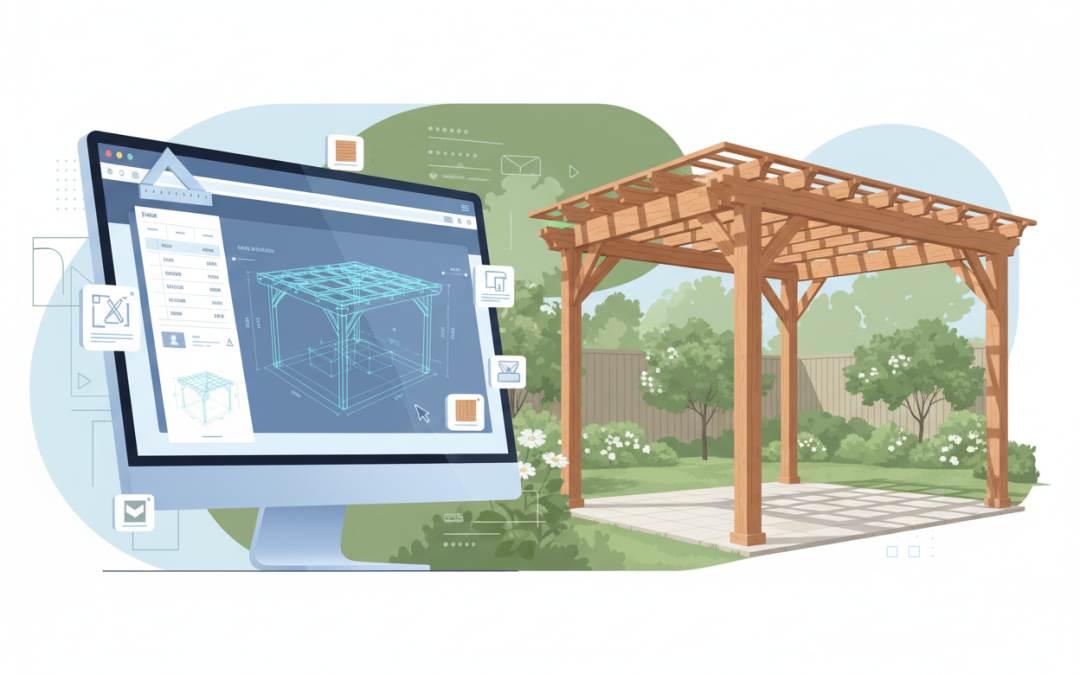
Custom Pergola Design Software: Tools for Planning Your Project
Table of Contents
1. Introduction to Digital Pergola Planning
2. Benefits of Using Pergola Design Software
3. Top Custom Pergola Design Software Options
4. Key Features to Look for in Design Software
5. Step-by-Step Guide to Using Pergola Design Tools
6. Tips for Maximizing Your Design Software Experience
7. Common Mistakes to Avoid When Using Design Software
8. From Digital Design to Reality: Making Your Vision Come True
9. Frequently Asked Questions
10. Conclusion
Introduction to Digital Pergola Planning
Planning a custom pergola used to mean countless sketches on napkins, rough measurements scribbled on scraps of paper, and hoping your contractor could interpret your vision. Those days are behind us. Today’s pergola design software has revolutionized how homeowners approach outdoor structure planning, offering sophisticated tools that make professional-level design accessible to everyone.
Whether you’re dreaming of a cozy reading nook covered by climbing vines or an expansive entertainment area perfect for weekend gatherings, custom pergola design software puts the power of precise planning right at your fingertips. These digital tools have transformed what was once a guessing game into an exact science, allowing you to visualize, modify, and perfect your pergola before the first post goes into the ground.
The beauty of modern pergola design software lies in its ability to bridge the gap between imagination and reality. You’re no longer limited by your drawing skills or spatial reasoning abilities. Instead, you can experiment with different styles, materials, and configurations until you find the perfect match for your space and lifestyle.

Benefits of Using Pergola Design Software
The advantages of incorporating design software into your pergola planning process extend far beyond simple convenience. First and foremost, these tools provide unprecedented accuracy in measurements and proportions. When you’re working with precise digital models, you eliminate the costly mistakes that often occur when relying on rough sketches or verbal descriptions.
Cost estimation becomes significantly more reliable when you’re working with detailed digital plans. Most quality pergola design software includes material calculators that provide accurate lumber lists, hardware requirements, and cost projections. This level of detail helps you budget effectively and avoid the surprise expenses that can derail a project.
Visualization capabilities represent perhaps the most compelling benefit of design software. Instead of trying to imagine how a pergola will look in your space, you can see it rendered in realistic 3D models. Many programs even allow you to place your design within photographs of your actual yard, giving you an incredibly accurate preview of the finished project.
The collaborative aspect of digital design tools shouldn’t be overlooked either. When you can share detailed plans with contractors, family members, or neighbors, everyone involved in the project starts with the same clear understanding of the goals and specifications.
Top Custom Pergola Design Software Options
SketchUp stands out as one of the most popular choices among both professionals and DIY enthusiasts. Its intuitive interface makes it relatively easy to learn, while its powerful features support complex custom designs. The free version offers substantial functionality, though the Pro version unlocks advanced features that serious designers will appreciate.
SmartDraw caters specifically to users who want professional results without a steep learning curve. Its pergola templates and drag-and-drop interface make it possible to create detailed plans in minutes rather than hours. The software includes extensive libraries of outdoor furniture and landscaping elements, helping you design not just the pergola but the entire outdoor living space.
For those seeking specialized outdoor structure design capabilities, Deck Designer Pro offers pergola-specific tools alongside its deck planning features. The software excels at generating accurate material lists and provides excellent integration with local building codes and permit requirements.
Chief Architect represents the high end of design software, offering professional-grade tools that can handle the most complex pergola designs. While it requires more time to master, the results rival those produced by professional architects and designers.
Key Features to Look for in Design Software
When evaluating pergola design software options, certain features will significantly impact your planning experience and final results. Three-dimensional modeling capabilities should top your priority list. The ability to view your design from multiple angles and perspectives helps you catch potential issues before construction begins.
Material libraries play a crucial role in creating realistic designs. Look for software that includes extensive collections of lumber types, hardware options, and finishing materials. The more comprehensive these libraries, the more accurately your digital model will represent the finished pergola.
Measurement precision cannot be compromised when you’re planning a structure. Quality design software should allow you to input exact dimensions and automatically calculate related measurements. Features like snap-to-grid functionality and dimension constraints help maintain accuracy throughout the design process.
Integration capabilities deserve serious consideration, especially if you’re working with contractors or planning to obtain permits. Software that can export plans in standard formats like PDF or DWG ensures compatibility with professional workflows.
User support and learning resources often determine whether you’ll successfully master a design program. Look for software backed by comprehensive tutorials, active user communities, and responsive customer service.
Step-by-Step Guide to Using Pergola Design Tools
Beginning your digital pergola design journey starts with accurate site measurement. Before opening any software, spend time carefully measuring your intended installation area. Note the locations of existing structures, utilities, and landscaping features that might influence your design.
Most design software begins with template selection or basic shape creation. Start simple – choose a basic rectangular or square pergola template that approximates your desired size. You can always modify and customize as you become more comfortable with the software’s capabilities.
The foundation and post placement stage requires careful attention to structural requirements and local building codes. Position your posts according to standard spacing guidelines, typically between 6 and 8 feet apart for most residential applications. Your software should help you maintain these proportions automatically.
Beam and rafter configuration represents the heart of pergola design. Experiment with different beam sizes and rafter spacing to achieve the desired balance between structural integrity and aesthetic appeal. Most software includes structural calculation features that help ensure your design meets safety requirements.
Material selection and finishing touches bring your design to life. Apply different wood types, stains, and hardware options to see how various combinations affect the overall appearance. Don’t forget to consider how your pergola will integrate with existing outdoor furniture and landscaping.
Tips for Maximizing Your Design Software Experience
Success with pergola design software often comes down to patience and systematic approach. Resist the temptation to dive into complex features immediately. Instead, start with simple projects and gradually incorporate more sophisticated techniques as your skills develop.
Take advantage of online tutorials and user communities associated with your chosen software. Most popular design programs have extensive YouTube channels and user forums where you can learn advanced techniques and troubleshoot common problems.
Save multiple versions of your design as you work. This practice allows you to experiment with different approaches while maintaining the ability to return to previous iterations if needed. Many experienced users create separate files for different design concepts rather than trying to modify a single plan repeatedly.
Don’t overlook the importance of scale and proportion in your designs. While software makes it easy to create structures of any size, real-world considerations like material availability, structural requirements, and aesthetic balance should guide your decisions.
Consider creating a complete outdoor living space design rather than focusing solely on the pergola structure. When you design the pergola within the context of your entire yard, you’re more likely to create a cohesive and functional outdoor environment.
Common Mistakes to Avoid When Using Design Software
One of the most frequent errors new users make involves ignoring local building codes and permit requirements. While design software makes it easy to create elaborate structures, your local municipality may have specific requirements for setbacks, height restrictions, and structural specifications that must be incorporated into your plans.
Overcomplicating initial designs often leads to frustration and abandoned projects. Begin with straightforward rectangular or square pergolas before attempting curved beams, multiple levels, or integrated features like lighting and irrigation systems.
Neglecting to account for material dimensions represents another common pitfall. Standard lumber comes in specific sizes, and your design should reflect these constraints. A pergola designed with 3.5-inch beams might require expensive custom milling if you forget that standard 4×4 lumber actually measures 3.5 by 3.5 inches.
Failing to consider seasonal changes and weather patterns can result in designs that look great on screen but perform poorly in real-world conditions. Think about sun angles, prevailing winds, and precipitation patterns when positioning and orienting your pergola.
Inadequate attention to foundation and anchoring requirements often becomes apparent only during construction. Your design software should help you plan for proper footings, anchoring systems, and drainage considerations from the beginning of the design process.
From Digital Design to Reality: Making Your Vision Come True
Transitioning from digital design to physical construction requires careful planning and clear communication. Your design software should generate detailed plans that include material lists, cut sheets, and assembly instructions. These documents become essential references during the construction phase.
When working with contractors, provide both digital files and printed plans. Many contractors prefer traditional paper plans for on-site reference, while digital files allow for easy modifications if field conditions require design changes.
Material ordering becomes much more straightforward when you have accurate plans from design software. However, always order 10-15% more materials than your software calculations suggest to account for waste, mistakes, and potential design modifications during construction.
Consider creating a construction timeline based on your digital plans. Most design software can help you understand the logical sequence of construction steps, from foundation work through final finishing touches.
Quality control during construction involves regularly comparing the actual structure to your digital plans. Many contractors now use tablets on job sites to reference digital plans and ensure accuracy throughout the building process.
Frequently Asked Questions
Q: Do I need professional design software to plan a simple pergola?
A: Not necessarily. For basic rectangular pergolas, simple online calculators and free software options can provide adequate planning tools. However, if you’re planning custom features, complex shapes, or integration with existing structures, professional software will provide better results and more accurate material calculations.
Q: How accurate are the material cost estimates provided by design software?
A: Material calculations are generally very accurate for quantities, but cost estimates depend on current lumber prices and local availability. Use the software quantities as a shopping list, but get current pricing from local suppliers for accurate budget planning.
Q: Can I use pergola design software on my tablet or smartphone?
A: Many design programs now offer mobile versions or web-based interfaces that work on tablets. However, the small screens of smartphones typically make detailed design work difficult. Tablets with larger screens provide a better mobile design experience.
Q: How long does it typically take to learn pergola design software?
A: Basic proficiency with user-friendly programs like SmartDraw can be achieved in a few hours. More sophisticated software like SketchUp or Chief Architect may require several days or weeks to master, depending on the complexity of your projects and your previous experience with design software.
Q: Will my digital pergola plans be accepted for building permits?
A: This depends on your local building department requirements and the level of detail in your plans. Many jurisdictions accept plans generated by quality design software, especially if they include structural details and comply with local building codes. Check with your local building department about their specific requirements.
Q: Can I modify existing pergola templates in design software?
A: Yes, most quality design software allows extensive modification of templates. You can adjust dimensions, change materials, add or remove features, and customize virtually every aspect of pre-designed templates to match your specific needs and preferences.
Conclusion
Custom pergola design software has democratized outdoor structure planning, putting professional-level design capabilities within reach of every homeowner. These powerful tools eliminate much of the guesswork traditionally associated with pergola projects while providing the precision and visualization needed for successful outcomes.
The investment in learning design software pays dividends throughout your project and beyond. Not only will you create better plans for your current pergola, but you’ll also develop skills that apply to future outdoor improvement projects. The confidence that comes from detailed planning and accurate visualization often makes the difference between a project you’re proud to show off and one you wish you’d approached differently.
Remember that the best design software is the one you’ll actually use consistently and effectively. Start with your current skill level and project complexity in mind, but don’t be afraid to challenge yourself with more sophisticated tools as your experience grows. Your outdoor living space deserves the careful planning that only quality design software can provide.
Whether you’re a weekend DIY warrior or someone planning to work with professional contractors, pergola design software will help you communicate your vision clearly and execute your project with confidence. The time you invest in digital planning will be repaid many times over in reduced construction time, fewer mistakes, and a finished pergola that perfectly matches your original vision.

Rowlett TX custom wood pergola | Keathley Landscaping

Lucas TX pergola builders | Keathley Landscaping

Mobile City TX custom pergolas | Keathley Landscaping

Fairview TX custom patio cover builders | Keathley Landscaping

Fairview TX pergolas | Keathley Landscaping

Richardson TX pergola companies near me | Keathley Landscaping

Plano TX custom wood pergola | Keathley Landscaping

Lakewood Dallas TX luxury custom pergolas | Keathley Landscaping

Lucas TX outdoor living contractor | Keathley Landscaping

Murphy TX pergola builders | Keathley Landscaping

Lucas TX custom patio cover cost | Keathley Landscaping

Rockwall TX custom patio cover builders | Keathley Landscaping

McKinney TX pergola companies near me | Keathley Landscaping

Lake Highlands Dallas TX custom pergolas | Keathley Landscaping

Fate TX custom patio covers | Keathley Landscaping

Rockwall TX luxury custom pergolas | Keathley Landscaping

Rowlett TX outdoor living contractor | Keathley Landscaping

Richardson TX custom wood pergola | Keathley Landscaping

Fate TX custom patio cover cost | Keathley Landscaping

Richardson TX luxury custom pergolas | Keathley Landscaping

McKinney TX pergola builders | Keathley Landscaping

Rockwall TX custom wood pergola | Keathley Landscaping

Rose Hill TX pergola builders | Keathley Landscaping

Rose Hill TX custom patio cover builders | Keathley Landscaping

Dallas TX custom patio cover builders | Keathley Landscaping

Fairview TX custom patio covers | Keathley Landscaping

Lavon TX outdoor living space contractors | Keathley Landscaping

Allen TX covered patio contractors near me | Keathley Landscaping

grass contractor Rose Hill Texas

sod lawn installation Rockwall Texas

sod installation cost Sachse Texas

grass contractor Mobile City Texas

sod installation service Rockwall Texas

cost for sod installation Fairview Texas

sod grass installation Parker Texas

price of sod installation Lavon Texas

grass contractor Rowlett Texas

price of sod installation Rowlett Texas

sod contractors Dallas Texas

sod lawn installation McKinney Texas

sod installation near me McKinney Texas

sod installation near me Fairview Texas

sod installation companies Mobile City Texas

sod installation companies near me Lavon Texas

sod contractors Lake Highlands Dallas Texas

price for sod installation Dallas Texas

sod installation company near me Preston Hollow Dallas Texas

sod installation company McKinney Texas

cost for sod installation Dallas Texas

grass contractor Richardson Texas

lawn sod installation Parker Texas

cost for sod installation Highland Park Texas

installation of sod cost Parker Texas

lawn sod installation near me Highland Park Texas

sod grass installation Richardson Texas

cost for sod installation Wylie Texas

drainage company near me Murphy Texas

yard drainage Highland Park Texas

yard drainage specialist near me Dallas Texas

drain Parker Texas

drainage contractors near me Preston Hollow Dallas Texas

drainage contractors near me Richardson Texas

yard drainage contractors near me Lucas Texas

landscape drainage contractor near me Lowry Crossing Texas

drainage company Wylie Texas

landscape drain Garland Texas

drain Fate Texas

landscape drainage contractor near me Lake Highlands Dallas Texas

drainage Lavon Texas

drainage specialist near me Fairview Texas

drainage Sachse Texas

drainage specialist near me Sachse Texas

landscape drainage Lucas Texas

drain cleaning company near me Richardson Texas

drain cleaning Allen Texas

drainage company Highland Park Texas

landscape drain Lake Highlands Dallas Texas

drain Lavon Texas

drain cleaning company near me Lake Highlands Dallas Texas

drain cleaning Fairview Texas

drain contractor Preston Hollow Dallas Texas

channel drain cleaning Lake Highlands Dallas Texas

drain cleaning Lavon Texas

Recent Comments