
The Benefits of UV-Resistant Materials in Custom Pergola Construction
When you’re dreaming of that perfect outdoor space, a custom pergola often tops the wishlist. But here’s something many homeowners don’t consider until it’s too late: the relentless power of UV rays can turn your beautiful pergola into a faded, weathered eyesore faster than you might think. That’s where UV-resistant materials come into play, transforming your outdoor investment from a temporary fixture into a lasting sanctuary.
I’ve seen countless pergolas that looked stunning in their first year, only to become maintenance nightmares by year three. The difference? The materials used in construction. UV-resistant materials aren’t just a nice-to-have feature – they’re essential for anyone serious about creating an outdoor space that maintains its beauty and functionality for decades to come.
Table of Contents
1. Understanding UV Damage in Outdoor Structures
2. What Makes Materials UV-Resistant
3. Top UV-Resistant Materials for Pergola Construction
4. Long-Term Cost Benefits of UV-Resistant Pergolas
5. Enhanced Durability and Structural Integrity
6. Maintaining Aesthetic Appeal Over Time
7. Environmental Impact and Sustainability
8. Choosing the Right UV-Resistant Materials for Your Climate
9. Installation Considerations for UV-Resistant Pergolas
10. Frequently Asked Questions
Understanding UV Damage in Outdoor Structures
The sun’s ultraviolet radiation is incredibly powerful, and its effects on outdoor structures go far beyond simple fading. UV rays break down the molecular bonds in many materials, causing them to become brittle, discolored, and structurally compromised over time. This process, known as photodegradation, is particularly devastating to traditional wood pergolas and certain synthetic materials.
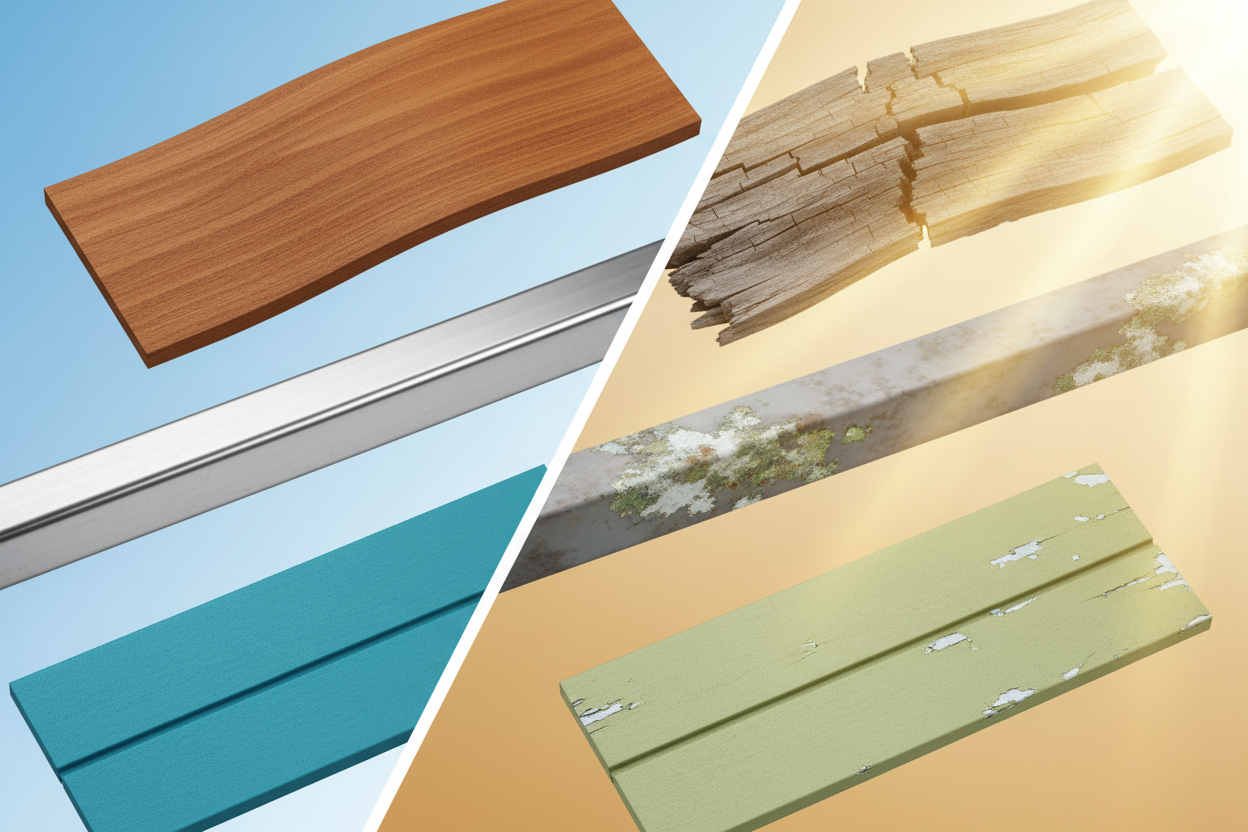
Think about it this way: if you’ve ever left a plastic toy outside for a summer, you’ve witnessed UV damage firsthand. The once-vibrant colors fade to dull pastels, and the material becomes chalky and fragile. Now imagine that same process happening to your pergola’s support beams or decorative elements. It’s not just about aesthetics – it’s about safety and structural integrity.
Different materials react to UV exposure in various ways. Natural wood can gray, crack, and warp. Standard metals may fade and develop surface oxidation. Even some composite materials can experience color degradation and surface chalking without proper UV protection. Understanding these vulnerabilities is the first step in making informed decisions about your pergola construction.
What Makes Materials UV-Resistant
UV resistance isn’t magic – it’s science. Materials become UV-resistant through several mechanisms, each offering different levels of protection and longevity. Some materials naturally contain compounds that absorb or reflect UV radiation, while others are enhanced with additives during manufacturing.
The most effective UV-resistant materials typically incorporate UV stabilizers, which are chemical compounds that absorb UV radiation and convert it to harmless heat. These stabilizers act like sunscreen for your pergola, preventing the damaging rays from penetrating the material’s surface and causing molecular breakdown.
Another approach involves using pigments and fillers that naturally reflect UV light. Titanium dioxide, for example, is commonly used in white and light-colored materials because it effectively reflects UV radiation. Carbon black, used in darker materials, absorbs UV rays without degrading, making it an excellent protective additive.
Some manufacturers also employ surface treatments or coatings that create a protective barrier against UV exposure. These treatments can be applied during manufacturing or as post-installation maintenance, depending on the material and specific product.
Top UV-Resistant Materials for Pergola Construction
When it comes to choosing UV-resistant materials for your custom pergola, you have several excellent options, each with its own advantages and considerations.
Aluminum stands out as one of the most popular choices for UV-resistant pergola construction. Modern aluminum pergolas often feature powder-coated finishes that include UV inhibitors, providing excellent protection against sun damage while maintaining their appearance for decades. The material itself doesn’t degrade under UV exposure, and quality powder coatings can last 15-20 years before showing any signs of fading.
Composite materials represent another excellent option, particularly those specifically engineered for outdoor use. High-quality composite pergola materials combine recycled wood fibers with UV-resistant polymers, creating a product that looks like natural wood but performs far better under constant sun exposure. These materials often come with warranties of 25 years or more against fading and structural degradation.
Vinyl and PVC materials, when properly formulated with UV stabilizers, offer exceptional resistance to sun damage. While they may not have the natural appeal of wood or the sleek look of aluminum, they provide virtually maintenance-free performance in sunny climates. Quality vinyl pergola materials can maintain their color and structural integrity for decades with minimal care.
Even natural wood can be made more UV-resistant through proper treatment and finishing. Hardwoods like teak and cedar naturally contain oils and compounds that provide some UV protection, and when combined with high-quality UV-resistant stains and sealers, they can perform admirably in sunny locations.
Long-Term Cost Benefits of UV-Resistant Pergolas
While UV-resistant materials typically cost more upfront, the long-term financial benefits are substantial and often overlooked by budget-conscious homeowners. Let me break down the real numbers for you.
A traditional wood pergola might save you $2,000-4,000 initially compared to a UV-resistant alternative, but the ongoing maintenance costs tell a different story. Without UV protection, you’ll likely need to restain or refinish your pergola every 2-3 years, with each treatment costing $500-1,500 depending on size and complexity. Over a 20-year period, that’s potentially $5,000-7,500 in maintenance costs alone.
UV-resistant materials dramatically reduce these ongoing expenses. A quality aluminum or composite pergola might require nothing more than occasional cleaning for decades. Even when maintenance is needed, it’s typically limited to simple washing or minor touch-ups rather than complete refinishing.
There’s also the replacement factor to consider. Pergolas built with non-UV-resistant materials often need partial or complete replacement within 10-15 years due to structural degradation. UV-resistant pergolas, properly constructed, can easily last 25-30 years or more, effectively doubling or tripling your investment’s lifespan.
Don’t forget about the value proposition for your property. A well-maintained, attractive pergola adds significant value to your home, while a faded, deteriorating structure can actually detract from your property’s appeal and market value.
Enhanced Durability and Structural Integrity
The structural benefits of UV-resistant materials extend far beyond simple appearance retention. When materials degrade under UV exposure, they often become brittle and lose their load-bearing capacity, potentially creating safety hazards.
I’ve inspected pergolas where UV-damaged support beams developed stress fractures that weren’t visible to the casual observer but significantly compromised the structure’s ability to handle wind loads or support hanging plants and lighting. This kind of hidden deterioration is particularly dangerous because it can lead to sudden failure without warning.
UV-resistant materials maintain their structural properties throughout their service life. The molecular bonds that give materials their strength remain intact, ensuring your pergola can continue to safely support the loads it was designed for. This is especially important if you plan to add features like retractable canopies, hanging gardens, or outdoor lighting systems.
Weather resistance goes hand-in-hand with UV resistance. Materials that can withstand constant sun exposure are typically better equipped to handle other environmental stressors like temperature fluctuations, moisture, and wind. This comprehensive durability means your pergola will perform reliably in all weather conditions, not just sunny ones.
Maintaining Aesthetic Appeal Over Time
There’s something deeply satisfying about owning an outdoor structure that looks as good in year ten as it did on installation day. UV-resistant materials make this possible by preventing the color fading, surface chalking, and texture degradation that plague conventional materials.
Color retention is perhaps the most immediately noticeable benefit. While a standard wood pergola might shift from rich brown to weathered gray within a few seasons, UV-resistant materials maintain their original appearance for decades. This consistency is particularly important if your pergola is a prominent feature in your landscape design or if it needs to coordinate with other outdoor elements.
Surface texture preservation is equally important but often overlooked. UV damage doesn’t just fade colors – it can make smooth surfaces rough and textured surfaces uneven. This not only affects appearance but can also create areas where dirt and moisture accumulate, leading to additional maintenance challenges.
The psychological benefits shouldn’t be underestimated either. There’s real peace of mind in knowing your outdoor investment will continue to enhance your property’s beauty rather than becoming an embarrassing eyesore that you’re constantly explaining to visitors or considering replacing.
Environmental Impact and Sustainability
Choosing UV-resistant materials for your pergola construction isn’t just good for your wallet – it’s good for the environment too. The sustainability benefits come from several angles that many homeowners don’t initially consider.
Longevity is the most obvious environmental benefit. Materials that last 25-30 years instead of 10-15 years reduce the demand for replacement materials and minimize construction waste. When you consider that building materials often travel long distances and require energy-intensive manufacturing processes, extending their useful life has a significant positive environmental impact.
Reduced maintenance requirements also contribute to environmental sustainability. Traditional pergola materials often require chemical stains, sealers, and cleaners for regular maintenance. UV-resistant materials typically need only water for cleaning, eliminating the ongoing use of potentially harmful chemicals in your outdoor space.
Many UV-resistant materials are also recyclable at the end of their service life. Aluminum pergolas, for example, can be completely recycled into new products, while many composite materials incorporate recycled content and can be recycled again when replacement is eventually needed.
The energy efficiency angle is worth considering too. Some UV-resistant pergola designs incorporate features that help regulate temperature in adjacent indoor spaces, potentially reducing cooling costs during hot summer months.
Choosing the Right UV-Resistant Materials for Your Climate
Not all UV-resistant materials perform equally well in every climate, and understanding your local conditions is crucial for making the best choice. The intensity of UV radiation varies significantly based on geographic location, altitude, and seasonal patterns.
In desert climates with intense, year-round sun exposure, materials with the highest UV protection ratings are essential. Aluminum with premium powder coatings or composite materials specifically rated for extreme UV conditions would be ideal choices. The temperature fluctuations common in desert areas also favor materials that can expand and contract without degrading.
Coastal areas present unique challenges beyond UV exposure. Salt air can accelerate corrosion in some materials, so UV-resistant options that also offer excellent corrosion resistance are necessary. Marine-grade aluminum or specially formulated composite materials designed for coastal applications would be appropriate choices.
In regions with moderate sun exposure but high humidity, the combination of UV resistance and moisture management becomes important. Some materials that perform excellently in dry climates may develop issues in consistently humid conditions, even with good UV protection.
Seasonal considerations matter too. Areas with intense summer sun but mild winters might benefit from different material choices than regions with consistent year-round exposure. Your local climate data can help guide these decisions, and consulting with manufacturers about specific regional performance data is always worthwhile.
Installation Considerations for UV-Resistant Pergolas
Even the best UV-resistant materials won’t perform to their potential without proper installation techniques. There are several installation considerations specific to maximizing UV protection and overall performance.
Proper fastening and connection methods are crucial because UV-resistant materials often have different expansion and contraction characteristics than traditional materials. Using the wrong fasteners or connection methods can create stress points where UV damage might accelerate or structural problems might develop.
Orientation and positioning can significantly impact UV exposure patterns. While you can’t always control your pergola’s orientation due to site constraints, understanding how sun angles affect different areas of the structure throughout the day and seasons can inform design decisions that maximize the benefits of UV-resistant materials.
Proper drainage and ventilation design becomes even more important with UV-resistant materials because these structures are likely to be in service much longer than conventional pergolas. Details that might not matter in a 10-year structure become critical in a 30-year installation.
Quality control during installation is essential. UV-resistant materials often have specific handling and installation requirements that differ from traditional materials. Scratches, improper cuts, or installation damage can compromise UV protection and create weak points where degradation might begin.
Frequently Asked Questions
How much more do UV-resistant materials cost compared to standard options?
UV-resistant materials typically cost 20-40% more initially than standard alternatives, but this premium is usually recovered within 5-7 years through reduced maintenance costs and extended service life. The exact cost difference varies by material type and quality level.
Do UV-resistant pergolas require any special maintenance?
Most UV-resistant pergolas require minimal maintenance – typically just periodic cleaning with soap and water. Some materials may benefit from annual inspections and occasional reapplication of protective coatings, but maintenance requirements are significantly reduced compared to non-UV-resistant alternatives.
How long do UV-resistant pergola materials typically last?
Quality UV-resistant materials can last 25-30 years or more with proper installation and minimal maintenance. Some aluminum and composite materials come with warranties of 20-25 years, indicating manufacturer confidence in long-term performance.
Can existing pergolas be upgraded with UV-resistant treatments?
Some existing pergolas can be improved with UV-resistant coatings or treatments, but the effectiveness depends on the current condition of the materials and the type of treatment applied. In many cases, replacement with UV-resistant materials provides better long-term value than attempting to upgrade existing structures.
Are UV-resistant materials safe for areas where food is prepared or consumed?
Yes, quality UV-resistant materials designed for residential use are safe for outdoor dining and cooking areas. Many are specifically tested and certified for food-safe applications. However, always verify certifications with manufacturers if food safety is a concern.
Do UV-resistant materials work in all climates?
UV-resistant materials are beneficial in all climates, but the specific type and level of protection needed varies by location. Areas with intense sun exposure require higher levels of UV protection, while regions with moderate sun may not need the most premium options.
Investing in UV-resistant materials for your custom pergola construction isn’t just about preventing fading – it’s about creating a lasting outdoor space that maintains its beauty, safety, and value for decades to come. While the initial investment may be higher, the long-term benefits in reduced maintenance, extended lifespan, and sustained aesthetic appeal make UV-resistant materials the smart choice for serious outdoor living enthusiasts. Your future self will thank you every time you relax under your still-beautiful pergola years down the road, while your neighbors are dealing with the hassle and expense of refinishing or replacing their sun-damaged structures.

Lowry Crossing TX custom wood pergola | Keathley Landscaping

Rose Hill TX pergola companies near me | Keathley Landscaping

Allen TX custom pergolas | Keathley Landscaping

Sachse TX luxury custom pergolas | Keathley Landscaping

Fairview TX custom patio cover cost | Keathley Landscaping

Rose Hill TX custom patio cover builders | Keathley Landscaping

Preston Hollow Dallas TX custom patio cover builders | Keathley Landscaping

Rose Hill TX custom patio cover cost | Keathley Landscaping

Rowlett TX covered patios | Keathley Landscaping

Fairview TX covered patios | Keathley Landscaping

Dallas TX covered patio contractors near me | Keathley Landscaping

Fairview TX covered patio contractors near me | Keathley Landscaping

Frisco TX pergolas | Keathley Landscaping

Fairview TX custom patio cover builders | Keathley Landscaping

Parker TX covered patios | Keathley Landscaping

Allen TX pergola companies near me | Keathley Landscaping

Richardson TX covered patios | Keathley Landscaping

McKinney TX custom patio covers | Keathley Landscaping

Frisco TX custom patio cover cost | Keathley Landscaping

Richardson TX luxury custom pergolas | Keathley Landscaping

Rowlett TX luxury custom pergolas | Keathley Landscaping

Frisco TX pergola builders | Keathley Landscaping

Highland Park TX covered patios | Keathley Landscaping

Lavon TX outdoor living contractor | Keathley Landscaping

Fairview TX outdoor living contractor | Keathley Landscaping

Plano TX covered patios | Keathley Landscaping

Rockwall TX custom wood pergola | Keathley Landscaping

Dallas TX custom pergolas | Keathley Landscaping

price for sod installation Fate Texas

lawn sod installation near me Garland Texas

cost for sod installation Fairview Texas

sod contractors Garland Texas

price of sod installation Rowlett Texas

sod grass installation Fate Texas

sod installation company Murphy Texas

price for sod installation Mobile City Texas

sod installation cost Preston Hollow Dallas Texas

cost of sod and installation Richardson Texas

sod installation services Rose Hill Texas

cost for sod installation Murphy Texas

residential sod installation Parker Texas

sod installation service Dallas Texas

price of sod installation Lake Highlands Dallas Texas

sod lawn installation Parker Texas

sod installation near me Richardson Texas

sod installation companies Mobile City Texas

sod installation near me Murphy Texas

sod installation companies near me Lake Highlands Dallas Texas

grass contractor Richardson Texas

cost of sod installation Rockwall Texas

sod installation services Frisco Texas

installation of sod cost Mobile City Texas

cost of sod installation Frisco Texas

installation of sod cost Lakewood Dallas Texas

cost for sod installation Fate Texas

installation of sod cost Allen Texas

drainage company near me McKinney Texas

yard drainage specialist near me Dallas Texas

drainage company McKinney Texas

drainage specialist near me Rowlett Texas

drainage company near me Parker Texas

drainage solutions near me Wylie Texas

drainage Fate Texas

drainage solutions near me Lakewood Dallas Texas

landscape drainage contractor near me Plano Texas

drainage company near me Garland Texas

drainage company Lavon Texas

landscape drainage contractor near me Highland Park Texas

drain Fairview Texas

drainage Preston Hollow Dallas Texas

landscape drain McKinney Texas

drainage contractors near me Sachse Texas

landscape drainage Fairview Texas

drain cleaning company near me Lake Highlands Dallas Texas

yard drainage Murphy Texas

drainage company Garland Texas

landscape drain Lowry Crossing Texas

drainage solutions near me Plano Texas

yard drainage contractors near me Lucas Texas

drainage company Rose Hill Texas

drain cleaning Allen Texas

yard drainage contractors near me Richardson Texas

drainage solutions near me Frisco Texas

Recent Comments