
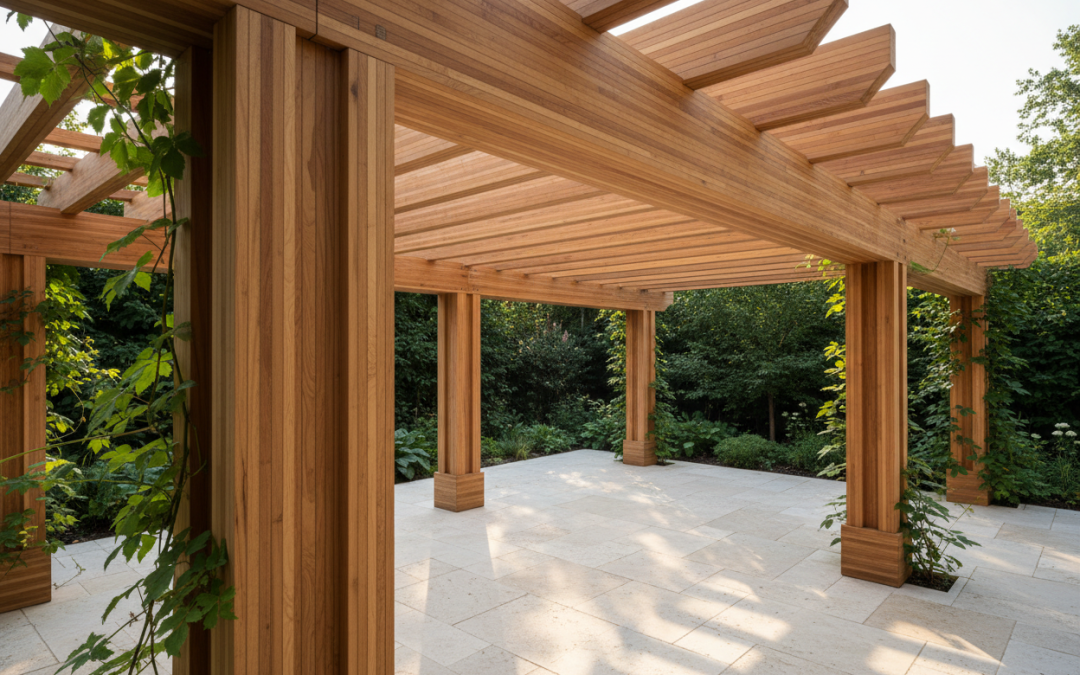
The Benefits of Laminated Beams in Custom Pergola Construction
Table of Contents
1. Introduction to Laminated Beams in Pergola Construction
2. What Are Laminated Beams?
3. Superior Strength and Structural Integrity
4. Enhanced Weather Resistance and Durability
5. Design Flexibility and Aesthetic Appeal
6. Cost-Effectiveness and Long-Term Value
7. Environmental Benefits of Laminated Beam Construction
8. Installation Advantages
9. Maintenance Requirements
10. Conclusion
11. Frequently Asked Questions
Introduction to Laminated Beams in Pergola Construction
When I first started working with outdoor structures fifteen years ago, solid timber was pretty much the only option for pergola construction. Times have certainly changed, and today’s homeowners have access to innovative materials that weren’t even on our radar back then. Among these game-changing materials, laminated beams have emerged as a superior choice for custom pergola construction.
If you’re considering adding a pergola to your outdoor space, you’ve probably wondered about the best materials to use. While traditional solid wood beams might seem like the obvious choice, laminated beams offer compelling advantages that could make them the perfect solution for your project. Let me walk you through why these engineered marvels are revolutionizing the way we build pergolas.
What Are Laminated Beams?
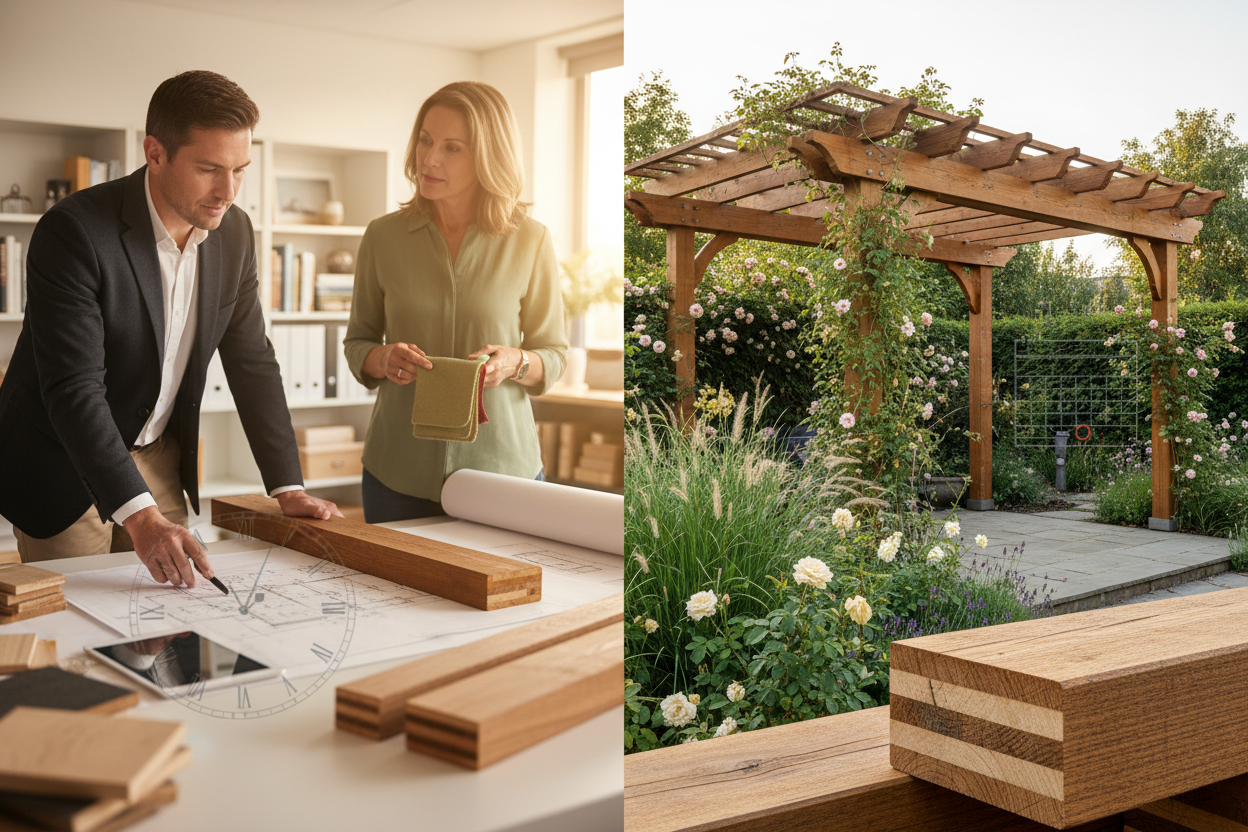
Laminated beams, also known as glue-laminated timber or glulam, are engineered wood products created by bonding together multiple layers of dimensioned lumber with high-strength adhesives. Think of them as the sophisticated cousin of traditional lumber – they take the best qualities of wood and enhance them through modern engineering techniques.
The manufacturing process involves carefully selecting and grading individual wood pieces, then laminating them together under controlled pressure and temperature conditions. This creates a beam that’s actually stronger and more reliable than solid timber of the same size. It’s fascinating how this relatively simple concept can produce such remarkable results.
What makes laminated beams particularly interesting for pergola construction is their ability to span longer distances without sagging. While a solid wood beam might start to bow under its own weight over time, a properly engineered laminated beam maintains its structural integrity for decades.
Superior Strength and Structural Integrity
Here’s where laminated beams really shine in pergola applications. The lamination process actually makes these beams stronger than solid timber of equivalent dimensions. During manufacturing, the wood fibers are oriented to maximize strength, and any natural defects like knots or grain irregularities are distributed throughout the beam rather than concentrated in one weak spot.
I’ve seen solid wood beams fail at knots or other natural weak points, but laminated beams distribute stress more evenly across their entire structure. This means your pergola can safely support heavier loads – whether that’s climbing vines, outdoor lighting, or even light roofing materials if you decide to partially enclose your structure later.
The predictable strength characteristics of laminated beams also make structural calculations more reliable. Engineers can specify exactly what loads these beams can handle, giving you confidence that your pergola will stand strong for years to come. This reliability is especially important in areas prone to high winds or snow loads.
Enhanced Weather Resistance and Durability
One of my biggest concerns with traditional pergola construction has always been how well the structure will hold up to Mother Nature’s mood swings. Laminated beams address this concern beautifully. The adhesives used in their construction are specifically designed to withstand moisture, temperature fluctuations, and UV exposure.
Unlike solid timber, which can develop checks, splits, and warping as it responds to changing moisture levels, laminated beams remain dimensionally stable. The individual layers work together to resist the natural tendency of wood to move with seasonal changes. This means fewer maintenance headaches and a pergola that looks great year after year.
The weather resistance doesn’t stop there. Many laminated beams come with factory-applied treatments that provide additional protection against insects, decay, and moisture. Some manufacturers even offer beams with integrated weather-resistant finishes, saving you time and money on initial treatment and ongoing maintenance.
Design Flexibility and Aesthetic Appeal
When it comes to creating truly custom pergolas, laminated beams open up design possibilities that simply aren’t practical with solid timber. These beams can be manufactured in curved shapes, creating graceful arches and sweeping lines that add architectural interest to your outdoor space.
The manufacturing process also allows for precise dimensioning. Need a beam that’s exactly 12 inches by 16 inches? No problem. Want a length of 28 feet without any joints? Laminated beams can deliver. This precision means cleaner lines, better proportions, and a more polished final appearance.
From an aesthetic standpoint, laminated beams offer consistent grain patterns and color. While some people love the rustic, varied appearance of solid timber, others prefer the clean, uniform look that laminated beams provide. Plus, they accept stains and finishes beautifully, allowing you to achieve exactly the color and appearance you’re after.
Cost-Effectiveness and Long-Term Value
Now, I’ll be honest with you – laminated beams typically cost more upfront than solid timber. However, when you factor in their longevity, reduced maintenance needs, and superior performance, they often represent better value over the life of your pergola.
Consider the hidden costs of solid timber: the potential for warping that might require replacement, the regular maintenance needed to prevent decay, and the possibility of structural failure that could damage other parts of your pergola or adjacent structures. Laminated beams minimize these risks significantly.
The dimensional stability of laminated beams also means your pergola is less likely to develop gaps between joints or require adjustments over time. This translates to lower maintenance costs and fewer headaches down the road. When you’re planning a structure that you hope will enhance your property for decades, this long-term perspective becomes crucial.
Environmental Benefits of Laminated Beam Construction
Here’s something that might surprise you: laminated beams can actually be more environmentally friendly than solid timber in many cases. The manufacturing process allows for the use of smaller, faster-growing trees that would be unsuitable for large solid beams. This means less pressure on old-growth forests and more efficient use of our timber resources.
Additionally, the precision of laminated beam manufacturing results in less waste. Every piece of wood is used efficiently, and there’s minimal trimming and waste on-site during construction. Some manufacturers even use wood waste from other operations as raw material for their laminated beams, creating a more circular approach to wood utilization.
The longevity of laminated beams also contributes to their environmental benefits. A pergola built with quality laminated beams might last 50 years or more with minimal maintenance, while a solid timber structure might need significant repairs or replacement much sooner. This extended lifespan means fewer resources consumed over time.
Installation Advantages
From a contractor’s perspective – and this matters for your project timeline and costs – laminated beams are often easier to work with than solid timber. They arrive on-site precisely dimensioned and ready to install, with minimal need for additional processing.
The consistent dimensions and straight edges of laminated beams make for tighter joints and more professional-looking connections. There’s no need to work around natural irregularities or spend time selecting the best face of each beam. This efficiency can translate to faster installation and lower labor costs.
Laminated beams are also typically lighter than solid timber of equivalent strength, making them easier to handle during installation. This can be particularly important for pergola construction, where beams often need to be lifted into position at height. The reduced weight can also mean less stress on the supporting structure.
Maintenance Requirements
One of the most appealing aspects of laminated beam pergolas is their low maintenance requirements. While solid timber pergolas might need annual inspection for splits, checks, and signs of decay, laminated beams typically require only periodic cleaning and occasional refinishing.
The dimensional stability of laminated beams means connections stay tight, and there’s less likelihood of developing gaps where moisture could penetrate. This reduces the risk of decay and insect infestation, two of the biggest maintenance concerns with outdoor wood structures.
When maintenance is needed, it’s usually straightforward. A gentle cleaning with appropriate wood cleaners, followed by reapplication of protective finishes every few years, is typically all that’s required to keep your laminated beam pergola looking and performing its best.
Conclusion
After years of working with various materials in outdoor construction, I’ve become a strong advocate for laminated beams in custom pergola projects. They offer a compelling combination of strength, durability, design flexibility, and long-term value that’s hard to match with traditional materials.
While the initial investment might be higher than solid timber alternatives, the benefits – reduced maintenance, superior weather resistance, design possibilities, and extended lifespan – make laminated beams an excellent choice for homeowners who want a pergola that will enhance their outdoor living space for decades to come.
If you’re planning a custom pergola, I encourage you to discuss laminated beam options with your contractor or designer. The investment in quality materials at the beginning of your project will pay dividends in performance, appearance, and peace of mind for years to come. Your future self will thank you for choosing materials that stand the test of time.
Frequently Asked Questions
How long do laminated beams last in outdoor applications?
With proper installation and minimal maintenance, laminated beams can last 50 years or more in pergola applications. Their engineered construction and weather-resistant adhesives make them extremely durable in outdoor environments.
Are laminated beams more expensive than solid wood beams?
Yes, laminated beams typically have a higher upfront cost than solid timber. However, their superior durability, reduced maintenance needs, and longer lifespan often make them more cost-effective over the life of the structure.
Can laminated beams be stained or painted like regular wood?
Absolutely! Laminated beams accept stains, paints, and other finishes just like solid wood. In fact, their consistent surface often provides more uniform finish results than natural timber with varying grain patterns.
Do laminated beams require special installation techniques?
Laminated beams use standard wood construction techniques and hardware. However, their precision manufacturing often makes installation easier and more straightforward than working with solid timber that may have natural irregularities.
Are laminated beams environmentally friendly?
Yes, laminated beams can be more environmentally sustainable than solid timber. They make efficient use of smaller trees, generate less waste during manufacturing, and their extended lifespan means fewer resources are consumed over time.
Can laminated beams be curved for architectural designs?
One of the major advantages of laminated beams is their ability to be manufactured in curved shapes. This allows for architectural features like arched pergola openings that would be difficult or impossible to achieve with solid timber.

Dallas TX outdoor living space contractors | Keathley Landscaping

Lavon TX pergolas | Keathley Landscaping

Lake Highlands Dallas TX custom patio covers | Keathley Landscaping

Sachse TX custom pergolas | Keathley Landscaping

Plano TX custom patio covers | Keathley Landscaping

Fairview TX custom wood pergola | Keathley Landscaping

Frisco TX pergola builders | Keathley Landscaping

Frisco TX outdoor living space contractors | Keathley Landscaping

Fairview TX covered patios | Keathley Landscaping

Mobile City TX outdoor living space contractors | Keathley Landscaping

Wylie TX custom wood pergola | Keathley Landscaping

Rockwall TX custom pergolas | Keathley Landscaping

Plano TX pergola companies near me | Keathley Landscaping

Parker TX outdoor living space contractors | Keathley Landscaping

Sachse TX pergola companies near me | Keathley Landscaping

Lakewood Dallas TX custom patio cover builders | Keathley Landscaping

McKinney TX covered patio contractors near me | Keathley Landscaping

McKinney TX custom patio covers | Keathley Landscaping

Lake Highlands Dallas TX custom pergolas | Keathley Landscaping

Rose Hill TX outdoor living contractor | Keathley Landscaping

Dallas TX outdoor living contractor | Keathley Landscaping

Mobile City TX pergola builders | Keathley Landscaping

Murphy TX luxury custom pergolas | Keathley Landscaping

Frisco TX custom wood pergola | Keathley Landscaping

Lakewood Dallas TX pergola companies near me | Keathley Landscaping

Lakewood Dallas TX pergola builders | Keathley Landscaping

Murphy TX custom pergolas | Keathley Landscaping

Parker TX custom wood pergola | Keathley Landscaping

cost of sod and installation Parker Texas

lawn sod installation Sachse Texas

sod contractors Garland Texas

lawn sod installation near me Allen Texas

sod grass installation Murphy Texas

sod installation services Preston Hollow Dallas Texas

sod installation company Richardson Texas

sod installation service Lowry Crossing Texas

sod installation service Mobile City Texas

lawn sod installation near me Richardson Texas

new sod installation Parker Texas

sod company Rockwall Texas

sod lawn installation Dallas Texas

grass installation Mobile City Texas

new sod installation Rockwall Texas

lawn sod installation near me Mobile City Texas

grass installation Rowlett Texas

grass installation Garland Texas

residential sod installation Plano Texas

sod installation companies Wylie Texas

sod contractors Sachse Texas

sod installation company Parker Texas

lawn sod installation Frisco Texas

sod installation near me Richardson Texas

cost of sod and installation Murphy Texas

sod installation companies near me Lavon Texas

sod installation company near me Fairview Texas

sod installation companies near me Rockwall Texas

yard drainage Mobile City Texas

drainage Lucas Texas

drainage company Sachse Texas

landscape drainage Highland Park Texas

drain cleaning company near me McKinney Texas

yard drainage Fate Texas

drainage specialist near me Preston Hollow Dallas Texas

drain cleaning Fairview Texas

drainage solutions near me Mobile City Texas

drain cleaning Lowry Crossing Texas

yard drainage contractors near me Lowry Crossing Texas

outdoor drain repair Mobile City Texas

channel drain cleaning Allen Texas

drain cleaning McKinney Texas

yard drainage Rose Hill Texas

yard drainage Wylie Texas

drainage Rose Hill Texas

yard drainage specialist near me Highland Park Texas

drainage company near me Dallas Texas

drain cleaning company near me Mobile City Texas

yard drainage Plano Texas

landscape drainage contractor near me Parker Texas

drainage Lowry Crossing Texas

drainage company near me Rockwall Texas

yard drainage contractors near me Plano Texas

yard drainage contractors near me McKinney Texas

drain contractor Lucas Texas

Recent Comments