
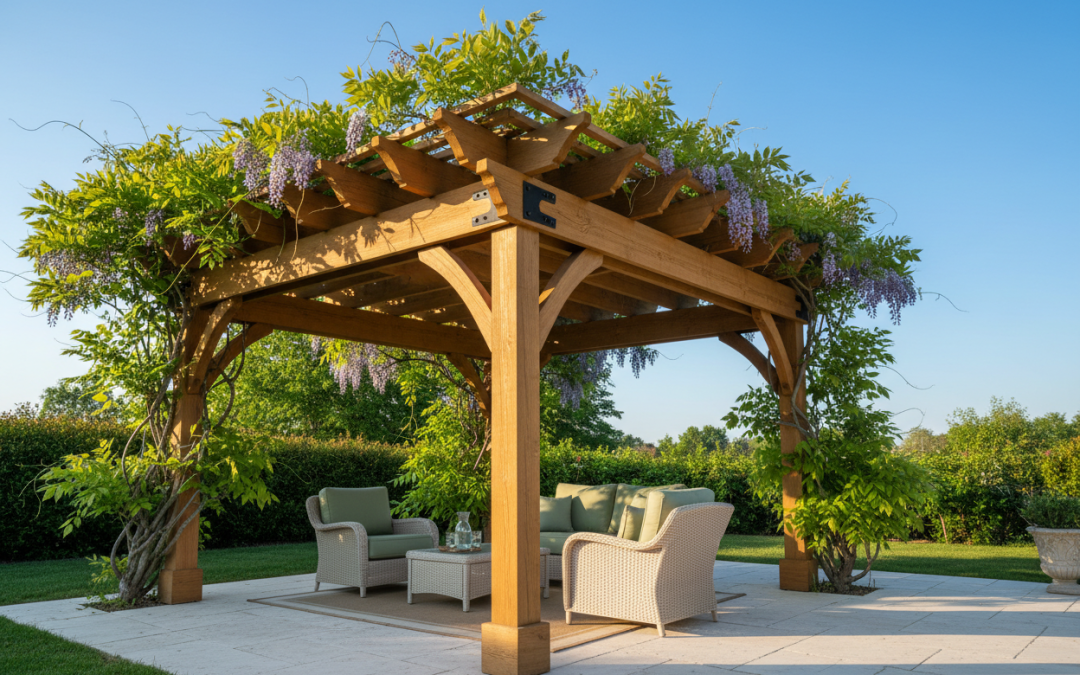
The Benefits of Pressure-Treated Lumber in Custom Pergola Construction
Table of Contents
1. Introduction to Pressure-Treated Lumber for Pergolas
2. Understanding Pressure-Treated Lumber: What Makes It Special
3. Enhanced Durability and Weather Resistance
4. Cost-Effectiveness and Long-Term Value
5. Resistance to Insects and Rot
6. Versatility in Design and Installation
7. Environmental Considerations and Sustainability
8. Maintenance Requirements and Tips
9. Comparing Pressure-Treated Lumber to Other Materials
10. Conclusion
11. Frequently Asked Questions
Introduction to Pressure-Treated Lumber for Pergolas
When I first started working with outdoor structures, I quickly learned that material choice can make or break a project. There’s nothing quite as disappointing as watching a beautiful pergola deteriorate within just a few seasons because the wrong lumber was chosen. That’s where pressure-treated lumber comes into play as a game-changer for custom pergola construction.
Building a custom pergola is an investment in your outdoor living space, and selecting the right materials is crucial for ensuring your structure stands the test of time. Pressure-treated lumber has become increasingly popular among homeowners and contractors alike, and for good reason. This specially processed wood offers a compelling combination of affordability, durability, and performance that makes it an excellent choice for pergola construction.
In this comprehensive guide, we’ll explore why pressure-treated lumber should be at the top of your list when planning your custom pergola project. From its impressive resistance to weather and pests to its cost-effectiveness and design versatility, you’ll discover how this material can help you create a stunning outdoor structure that will enhance your property for years to come.
Understanding Pressure-Treated Lumber: What Makes It Special
Before diving into the specific benefits, it’s important to understand what pressure-treated lumber actually is. The process involves placing lumber in a pressurized chamber and infusing it with chemical preservatives that penetrate deep into the wood fibers. This treatment creates a protective barrier that significantly enhances the wood’s natural properties.
The most common treatment used today is ACQ (Alkaline Copper Quaternary), which has replaced older treatments containing arsenic. This modern approach provides excellent protection while being safer for both installers and the environment. The copper component acts as a fungicide and helps prevent rot, while the quaternary ammonium compound provides protection against insects.
What sets pressure-treated lumber apart from regular untreated wood is this deep penetration of preservatives. Unlike surface treatments that can wear away over time, the pressure treatment process ensures that protective chemicals are embedded throughout the wood structure, providing long-lasting protection from the inside out.
Enhanced Durability and Weather Resistance
One of the most compelling reasons to choose pressure-treated lumber for your custom pergola is its exceptional durability in outdoor conditions. I’ve seen untreated wood pergolas begin showing signs of weathering within the first year, but pressure-treated structures maintain their integrity for decades with proper care.
The treatment process significantly improves the wood’s ability to withstand moisture, which is the primary enemy of outdoor wooden structures. Rain, snow, humidity, and even morning dew can cause untreated wood to expand, contract, and eventually crack or warp. Pressure-treated lumber resists these moisture-related issues much more effectively.
Temperature fluctuations, which are particularly challenging for outdoor structures, are also better handled by pressure-treated lumber. The preservatives help stabilize the wood fibers, reducing the expansion and contraction that can lead to structural problems over time. This stability is especially important for pergola construction, where maintaining proper joints and connections is crucial for both safety and appearance.
UV radiation from sunlight is another factor that can degrade outdoor lumber. While pressure-treated wood isn’t completely immune to UV damage, it handles sun exposure much better than untreated alternatives, maintaining its structural integrity even as it may develop a natural weathered appearance.
Cost-Effectiveness and Long-Term Value
When planning a custom pergola project, budget considerations are always important. Pressure-treated lumber offers an excellent balance between upfront cost and long-term value that’s hard to beat with other materials.
Initially, pressure-treated lumber costs more than untreated wood, but significantly less than premium options like cedar, redwood, or composite materials. However, the real value becomes apparent when you consider the lifespan and maintenance requirements. A pressure-treated pergola can last 15-20 years or more with basic maintenance, while an untreated wood structure might need replacement within 5-7 years.
The math is compelling when you factor in replacement costs, labor, and the inconvenience of reconstruction. I’ve worked with homeowners who chose cheaper untreated lumber initially, only to find themselves facing complete pergola replacement much sooner than expected. The “buy once, use for decades” philosophy really applies here.
Additionally, pressure-treated lumber holds its value well in terms of property improvement. A well-built pergola using quality pressure-treated materials can enhance your property value and provide years of outdoor enjoyment, making it a sound investment in your home’s overall appeal and functionality.
Resistance to Insects and Rot
Nothing can ruin a beautiful pergola faster than insect damage or rot, and this is where pressure-treated lumber truly shines. The chemical preservatives used in the treatment process create an environment that’s hostile to wood-destroying insects like termites, carpenter ants, and wood-boring beetles.
Termite protection alone makes pressure-treated lumber worth considering, especially in regions where these pests are common. I’ve seen untreated structures completely compromised by termite damage within just a few years, requiring complete reconstruction. The copper-based preservatives in modern pressure-treated lumber create a barrier that termites typically avoid.
Fungal decay and rot prevention is equally important. The preservatives inhibit the growth of fungi that cause wood rot, even in consistently moist conditions. This protection is particularly valuable for pergola posts that are in contact with soil or concrete, where moisture exposure is constant.
The peace of mind that comes with this protection cannot be overstated. You can enjoy your pergola without constantly worrying about hidden damage or the need for frequent inspections and treatments that untreated wood requires.
Versatility in Design and Installation
Pressure-treated lumber doesn’t limit your design options – in fact, it opens up possibilities by providing a reliable foundation for various pergola styles and configurations. The material is available in standard lumber dimensions, making it compatible with conventional construction techniques and hardware.
Whether you’re planning a simple rectangular pergola or a complex curved design, pressure-treated lumber can accommodate your vision. It cuts, drills, and shapes just like regular lumber, allowing for custom notching, decorative elements, and precise joinery. This workability is crucial when creating the custom details that make a pergola truly special.
The material also accepts stains, paints, and sealers well, though it’s important to allow proper drying time after installation. This means you can achieve virtually any aesthetic you desire, from natural wood tones to bold colors that complement your home’s exterior design.
Installation flexibility is another advantage. Pressure-treated lumber works with all standard fastening methods, from traditional bolts and screws to modern hidden fastener systems. This compatibility makes it easier to find contractors familiar with the material and ensures that replacement parts will be readily available if needed in the future.
Environmental Considerations and Sustainability
Modern pressure-treated lumber addresses many of the environmental concerns associated with older treatment methods. The elimination of arsenic-based preservatives and the adoption of copper-based treatments have made the material much more environmentally friendly.
The wood itself typically comes from sustainably managed forests, and the treatment process extends the useful life of the lumber significantly. This longevity means fewer trees are needed over time compared to using untreated wood that requires frequent replacement.
When a pressure-treated pergola eventually reaches the end of its life, the lumber can often be recycled or repurposed for other projects. While it shouldn’t be burned due to the chemical treatment, many recycling programs accept pressure-treated lumber for appropriate reuse applications.
The reduced need for maintenance chemicals and treatments over the pergola’s lifetime also contributes to its environmental friendliness. You won’t need to apply pesticides, fungicides, or frequent preservative treatments that can impact surrounding soil and vegetation.
Maintenance Requirements and Tips
While pressure-treated lumber is low-maintenance compared to untreated alternatives, proper care will maximize its lifespan and appearance. The good news is that maintenance requirements are straightforward and not particularly time-consuming.
Annual inspection is the most important maintenance task. Look for any signs of damage, loose connections, or areas where the wood may have been compromised. Early detection of issues allows for simple repairs rather than major reconstruction.
Cleaning your pressure-treated pergola once or twice a year helps maintain its appearance and prevents the buildup of dirt, mildew, or algae. A simple solution of mild detergent and water, applied with a soft brush, is usually sufficient. For stubborn stains or discoloration, specialized wood cleaners designed for pressure-treated lumber are available.
While not strictly necessary for protection, applying a water-repellent stain or sealer every 2-3 years can enhance the wood’s appearance and provide additional protection. This is particularly beneficial if you want to maintain a specific color or prevent the natural graying that occurs with weathering.
Proper drainage around pergola posts is crucial for maximizing lifespan. Ensure that water doesn’t pool around the base of posts, and consider using gravel or other drainage materials if your pergola is installed in an area prone to standing water.
Comparing Pressure-Treated Lumber to Other Materials
To fully appreciate the benefits of pressure-treated lumber, it’s helpful to compare it with other common pergola materials. Each option has its place, but pressure-treated lumber offers a unique combination of benefits that’s hard to match.
Compared to untreated lumber, pressure-treated wood is clearly superior in terms of longevity and pest resistance. While untreated wood may cost less initially, the frequent maintenance requirements and shorter lifespan make it more expensive in the long run.
Cedar and redwood are naturally resistant to insects and decay, making them popular choices for outdoor construction. However, they come at a premium price that can double or triple your material costs. While these materials offer excellent natural beauty, pressure-treated lumber can achieve similar aesthetics with proper finishing at a fraction of the cost.
Composite materials offer excellent durability and minimal maintenance, but they typically cost significantly more than pressure-treated lumber and may not provide the authentic wood look that many homeowners prefer. Additionally, composite materials can be more challenging to work with for custom applications and may have limitations in terms of structural spans and load-bearing capacity.
Metal pergolas, typically made from aluminum or steel, offer excellent durability but lack the natural warmth and beauty of wood. They also require specialized tools and skills for customization, making DIY installation more challenging.
Conclusion
Choosing pressure-treated lumber for your custom pergola construction is a decision that balances practicality, aesthetics, and long-term value. The enhanced durability, weather resistance, and pest protection provided by the treatment process make it an intelligent choice for homeowners who want to enjoy their outdoor investment for years to come.
The cost-effectiveness of pressure-treated lumber becomes even more apparent when you consider the total cost of ownership, including maintenance, repairs, and eventual replacement. While premium materials may offer certain advantages, pressure-treated lumber provides an excellent middle ground that satisfies most homeowners’ needs and budgets.
The versatility and workability of pressure-treated lumber ensure that your design vision won’t be compromised by material limitations. Whether you’re planning a simple shade structure or an elaborate outdoor room centerpiece, this material can accommodate your goals while providing the reliability you need.
As you move forward with your pergola project, remember that material selection is just one part of the equation. Proper design, quality construction, and regular maintenance will all contribute to your pergola’s success. However, starting with pressure-treated lumber gives you a solid foundation that will support your outdoor living dreams for many years to come.
Frequently Asked Questions
How long does pressure-treated lumber last in a pergola?
With proper installation and basic maintenance, a pressure-treated lumber pergola can last 15-20 years or more. Factors like climate, exposure to moisture, and maintenance frequency will affect the actual lifespan.
Is pressure-treated lumber safe for outdoor structures?
Yes, modern pressure-treated lumber using ACQ or similar treatments is safe for outdoor construction. The arsenic-based treatments of the past have been replaced with safer copper-based preservatives.
Can I stain or paint pressure-treated lumber immediately after installation?
It’s best to wait 3-6 months after installation before applying stain or paint to allow the lumber to dry completely. The treatment process leaves the wood quite moist, and premature finishing can lead to poor adhesion and appearance.
Does pressure-treated lumber require special fasteners?
Yes, you should use hot-dipped galvanized, stainless steel, or specially coated fasteners with pressure-treated lumber. Regular steel fasteners can corrode quickly due to the copper in the treatment chemicals.
Will pressure-treated lumber warp or twist over time?
Like all lumber, pressure-treated wood can experience some movement as it dries and weathers. However, proper installation techniques, adequate support, and allowing the lumber to acclimate before installation can minimize these issues significantly.

Parker TX custom pergolas | Keathley Landscaping

Murphy TX custom pergolas | Keathley Landscaping

McKinney TX outdoor living contractor | Keathley Landscaping

Preston Hollow Dallas TX custom patio covers | Keathley Landscaping

Lakewood Dallas TX custom patio cover cost | Keathley Landscaping

Lavon TX luxury custom pergolas | Keathley Landscaping

Fairview TX custom wood pergola | Keathley Landscaping

Dallas TX pergola builders | Keathley Landscaping

Allen TX covered patio contractors near me | Keathley Landscaping

Allen TX custom pergolas | Keathley Landscaping

Frisco TX custom wood pergola | Keathley Landscaping

Plano TX luxury custom pergolas | Keathley Landscaping

Lavon TX pergolas | Keathley Landscaping

Plano TX covered patios | Keathley Landscaping

Rockwall TX custom wood pergola | Keathley Landscaping

Sachse TX pergolas | Keathley Landscaping

Fate TX luxury custom pergolas | Keathley Landscaping

Fairview TX outdoor living contractor | Keathley Landscaping

Lavon TX pergola builders | Keathley Landscaping

Wylie TX custom pergolas | Keathley Landscaping

Frisco TX pergolas | Keathley Landscaping

Lucas TX covered patio contractors near me | Keathley Landscaping

Lavon TX outdoor living space contractors | Keathley Landscaping

Rowlett TX custom patio cover builders | Keathley Landscaping

Richardson TX luxury custom pergolas | Keathley Landscaping

Richardson TX outdoor living space contractors | Keathley Landscaping

Frisco TX outdoor living contractor | Keathley Landscaping

Plano TX pergola companies near me | Keathley Landscaping

cost for sod installation Preston Hollow Dallas Texas

sod installation cost Richardson Texas

new sod installation Highland Park Texas

residential sod installation Parker Texas

new sod installation Parker Texas

lawn sod installation Wylie Texas

cost of sod installation Lake Highlands Dallas Texas

cost for sod installation Plano Texas

sod installation service Highland Park Texas

lawn sod installation Fairview Texas

sod installation companies near me Frisco Texas

residential sod installation Lowry Crossing Texas

sod installation company near me Lowry Crossing Texas

installation of sod cost Highland Park Texas

grass installation Lavon Texas

new sod installation Rowlett Texas

sod installation companies Lucas Texas

cost of sod and installation Lowry Crossing Texas

cost of sod installation Mobile City Texas

residential sod installation Mobile City Texas

price of sod installation Rockwall Texas

new sod installation Frisco Texas

sod installation companies Lakewood Dallas Texas

sod lawn installation Mobile City Texas

new sod installation McKinney Texas

installation of sod cost Richardson Texas

grass contractor Fairview Texas

cost for sod installation Wylie Texas

drainage Lavon Texas

landscape drain Richardson Texas

yard drainage McKinney Texas

landscape drainage Lakewood Dallas Texas

drain contractor Lake Highlands Dallas Texas

drain Frisco Texas

drain Rockwall Texas

channel drain cleaning Plano Texas

drainage specialist near me McKinney Texas

landscape drainage Lavon Texas

yard drainage contractors near me Rose Hill Texas

yard drainage contractors near me Lakewood Dallas Texas

landscape drainage Rockwall Texas

drain cleaning company near me Lucas Texas

drainage Rowlett Texas

outdoor drain repair Fate Texas

landscape drainage Parker Texas

drainage contractors near me Lucas Texas

drain contractor Highland Park Texas

landscape drainage contractor near me McKinney Texas

drainage company near me Lakewood Dallas Texas

drain cleaning company near me Parker Texas

drain Fate Texas

drainage specialist near me Plano Texas

drainage specialist near me Fairview Texas

drain cleaning Lowry Crossing Texas

drainage Fairview Texas

Recent Comments