
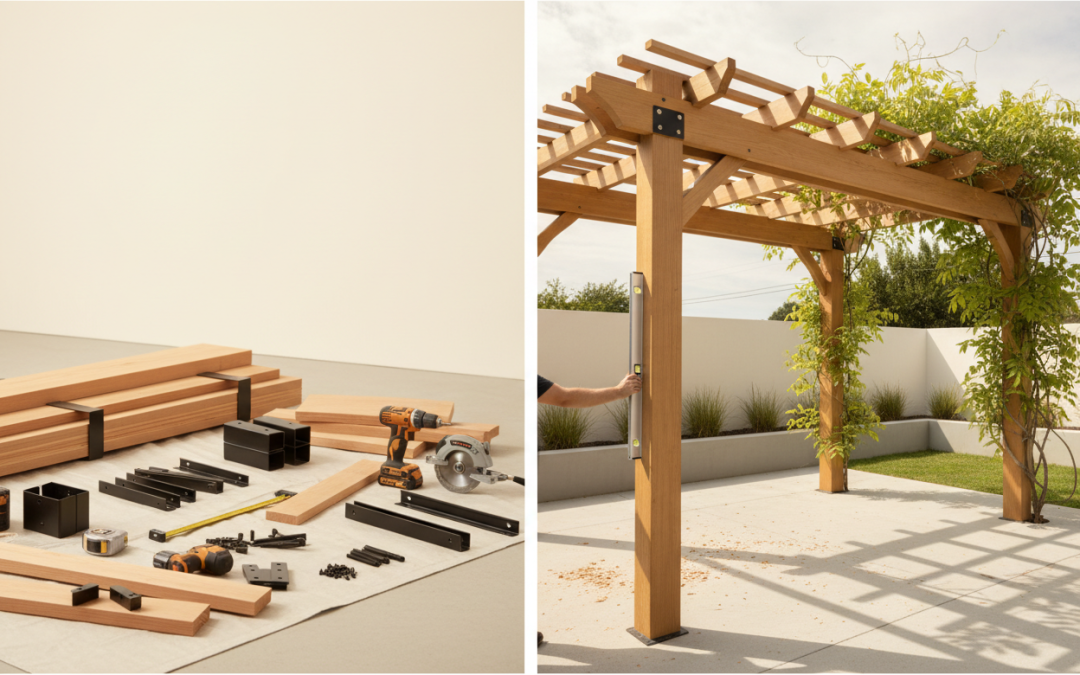
Custom Pergola Assembly: Timeline and Process Expectations
Table of Contents
Planning Phase and Initial Consultation
Design Development and Approval
Permits and Approvals
Material Sourcing and Preparation
Site Preparation and Foundation Work
Assembly and Installation Process
Finishing Touches and Final Inspection
Factors That Affect Timeline
What to Expect During Each Phase
Tips for Smooth Project Completion
Frequently Asked Questions

Introduction
Building a custom pergola is an exciting journey that transforms your outdoor space into a stunning focal point. Whether you’re dreaming of a cozy retreat for morning coffee or an elegant entertainment area for hosting friends, understanding the assembly timeline and process expectations is crucial for planning your project successfully.
Most homeowners underestimate the complexity and time involved in creating a truly custom pergola. Unlike pre-fabricated kits that can be assembled in a weekend, custom pergolas require careful planning, professional expertise, and patience. The entire process typically spans several weeks to a few months, depending on various factors we’ll explore in detail.
This comprehensive guide will walk you through every stage of custom pergola assembly, from initial consultation to final inspection. You’ll learn what to expect at each phase, how long each step typically takes, and what factors might influence your project timeline. By the end, you’ll have realistic expectations and be well-prepared for your pergola installation journey.
Planning Phase and Initial Consultation
The journey begins with thorough planning and consultation, which typically takes one to two weeks. During this crucial phase, you’ll work closely with designers and contractors to establish your vision, budget, and project scope.
Your contractor will conduct a detailed site assessment, examining factors like soil conditions, drainage, existing structures, and local building codes. They’ll measure the space precisely and take note of any obstacles such as underground utilities, mature trees, or slopes that might affect the installation process.
This phase also involves discussing your specific needs and preferences. Do you want a traditional wooden pergola or a modern aluminum structure? Will you need electrical work for lighting or fans? These decisions significantly impact both timeline and cost, so it’s essential to be thorough during initial planning.
Professional contractors often use 3D modeling software to help you visualize the final product. This technology allows you to see how different materials, sizes, and styles will look in your actual space before committing to the design.
Design Development and Approval
Once the initial consultation is complete, the design development phase begins. This process typically takes one to three weeks, depending on the complexity of your project and how quickly decisions are made.
Your designer will create detailed blueprints and technical drawings that specify every aspect of your pergola, from post spacing and beam sizes to decorative elements and finishing details. These plans must be precise because they’ll guide the entire construction process and may be required for permit applications.
During this phase, you’ll review multiple design iterations and make refinements. It’s common to go through several rounds of revisions as you fine-tune details like roof style, column design, and integrated features such as built-in seating or planters.
The approval process involves both you and, potentially, your homeowner’s association or local building department. Some communities have strict architectural guidelines that must be followed, which can extend this phase if modifications are required.
Permits and Approvals
Obtaining necessary permits is often the most unpredictable part of the timeline, potentially taking anywhere from one to eight weeks. The duration depends heavily on your local municipality’s efficiency and the complexity of your project.
Most custom pergolas require building permits, especially if they’re attached to your home or exceed certain size thresholds. Some areas also require electrical permits if you’re adding lighting, fans, or outlets. Your contractor should handle this process, but delays are common and largely outside anyone’s control.
During permit review, building officials examine your plans for compliance with local codes, setback requirements, and structural safety standards. They may request modifications or additional engineering calculations, which can add time to the approval process.
While waiting for permits, your contractor can begin ordering materials and scheduling subcontractors, helping to minimize delays once construction approval is received.
Material Sourcing and Preparation
Material procurement typically takes two to six weeks, depending on your choices and current market conditions. Standard lumber and hardware are usually readily available, but custom elements, specialty woods, or imported materials can significantly extend this timeline.
High-quality materials often require longer lead times. For example, if you’ve chosen cedar, redwood, or exotic hardwoods, these may need to be specially ordered and properly dried before use. Metal components like custom brackets or decorative elements might need to be fabricated specifically for your project.
Weather conditions can also affect material availability and quality. During peak construction seasons or after natural disasters, lumber prices and availability fluctuate dramatically. Your contractor should keep you informed about any material-related delays and their potential impact on your timeline.
Pre-cutting and preparation of materials often happens off-site in controlled workshop conditions. This approach ensures precision and can actually speed up the on-site assembly process, even though it adds time to the overall project timeline.
Site Preparation and Foundation Work
Site preparation and foundation installation typically take three to seven days, depending on soil conditions and the complexity of your pergola design. This phase is critical because a solid foundation ensures your pergola’s longevity and structural integrity.
The process begins with marking utility lines and excavating post holes or foundation areas. In areas with rocky soil or challenging conditions, this step can take longer than expected. Some projects require concrete footings, while others use metal anchors or pier systems.
Weather plays a significant role during this phase. Rain can delay excavation work and concrete curing, while extreme temperatures affect concrete setting times. Your contractor will monitor weather forecasts and may adjust the schedule accordingly.
If your pergola includes electrical components, trenching for conduit and wiring installation happens during this phase. Coordinating with electricians adds complexity but ensures all infrastructure is properly installed before assembly begins.
Assembly and Installation Process
The actual pergola assembly typically takes three to ten days, depending on size, complexity, and weather conditions. This is often the most exciting phase for homeowners as they watch their vision come to life.
Assembly usually begins with setting posts and ensuring they’re perfectly plumb and properly spaced. Next comes the installation of beams, rafters, and any decorative elements. Precision is crucial during this phase because small errors can compound and affect the entire structure’s appearance and stability.
For larger or more complex pergolas, cranes or other heavy equipment might be necessary to position large beams safely. This requirement can add time and cost but ensures worker safety and structural integrity.
Throughout assembly, quality control checks ensure everything meets design specifications and building codes. Experienced contractors perform these checks continuously rather than waiting until the end, preventing costly corrections later.
Finishing Touches and Final Inspection
The final phase involves applying finishes, installing any accessories, and conducting thorough inspections. This process typically takes two to five days but can extend longer for complex projects with extensive finishing work.
Finishing work includes sanding, staining, or painting all surfaces to protect the wood and achieve your desired appearance. Multiple coats are often necessary, with drying time between applications affecting the overall timeline.
If your pergola includes integrated features like lighting, fans, or audio systems, final electrical connections and testing happen during this phase. All systems must be properly tested and inspected before project completion.
The final building inspection is typically scheduled once all work is complete. The inspector will verify that construction matches approved plans and meets all applicable codes. Passing this inspection is required before the project can be considered officially complete.
Factors That Affect Timeline
Several factors can significantly impact your pergola assembly timeline, and understanding these helps set realistic expectations. Weather is perhaps the most unpredictable factor, with rain, extreme temperatures, or high winds potentially delaying work for days or weeks.
Project complexity plays a major role in timeline determination. Simple, rectangular pergolas with standard materials assemble much faster than curved designs with custom millwork and integrated features. Each additional element adds time and complexity to the process.
Contractor availability and scheduling can affect timelines, especially during peak construction seasons. Experienced pergola specialists often book weeks or months in advance, so early planning is essential for meeting desired completion dates.
Change orders during construction almost always extend timelines. While some modifications are minor, others require new materials, additional permits, or design revisions that can add weeks to the project schedule.
What to Expect During Each Phase
During the planning and design phases, expect frequent communication with your contractor and designer. You’ll make numerous decisions about materials, dimensions, and features, so being responsive helps keep the project on schedule.
The permit phase requires patience, as you’ll have little control over government processing times. Use this period to finalize material selections and prepare your yard for construction activities.
During construction phases, expect some disruption to your normal routine. Construction noise, worker presence, and limited access to parts of your yard are normal. Good contractors minimize these impacts while maintaining safety and quality standards.
Regular progress updates from your contractor help you stay informed and address any concerns promptly. Don’t hesitate to ask questions or request clarification about any aspect of the work being performed.
Tips for Smooth Project Completion
Clear communication with your contractor from the beginning establishes expectations and prevents misunderstandings. Discuss preferred communication methods, update frequency, and decision-making processes before work begins.
Making decisions promptly keeps projects on schedule. Delays in selecting materials, approving changes, or responding to questions can push back completion dates significantly.
Preparing your yard before construction begins helps contractors work efficiently. Clear the work area, relocate outdoor furniture, and ensure easy access for workers and equipment.
Having realistic timeline expectations reduces stress and disappointment. Remember that custom construction projects often face unexpected challenges that can extend completion dates despite everyone’s best efforts.
Conclusion
Custom pergola assembly is a multi-phase process that requires patience, planning, and realistic expectations. From initial consultation to final inspection, the entire journey typically spans six to sixteen weeks, depending on project complexity and various external factors.
Understanding each phase of the process helps you prepare mentally and logistically for your pergola project. While timelines can vary due to weather, permits, material availability, and design complexity, working with experienced professionals and maintaining clear communication significantly improves your chances of a smooth, successful project.
The investment in time and patience pays off when you’re finally enjoying your custom pergola. These beautiful structures provide decades of enjoyment and add significant value to your property. By understanding the assembly timeline and process expectations outlined in this guide, you’re well-prepared to embark on your pergola installation journey with confidence and realistic expectations.
Remember that quality construction takes time, and rushing the process often leads to problems later. Trust your contractor’s expertise, stay involved in decision-making, and soon you’ll be enjoying the perfect outdoor living space you’ve envisioned.
Frequently Asked Questions
How long does it typically take to build a custom pergola from start to finish?
A complete custom pergola project typically takes 6-16 weeks from initial consultation to final completion. This timeline includes design development, permit approval, material sourcing, and construction phases.
Can weather delays significantly impact the pergola assembly timeline?
Yes, weather can substantially affect timelines. Rain delays concrete work and assembly, while extreme temperatures affect material handling and worker safety. Plan for potential weather-related delays, especially during winter months or rainy seasons.
What permits are typically required for custom pergola installation?
Most custom pergolas require building permits, especially if attached to your home or exceeding certain size thresholds. Electrical permits may be needed for lighting or fan installations. Requirements vary by municipality, so check with local building departments.
How can I minimize delays during my pergola project?
Make decisions promptly, maintain clear communication with your contractor, prepare your yard before construction begins, and have realistic timeline expectations. Avoid change orders during construction when possible, as these typically extend completion dates.
What factors most commonly cause pergola project delays?
The most common delay factors include permit approval processes, weather conditions, material availability issues, change orders during construction, and contractor scheduling conflicts. Planning ahead and working with experienced professionals helps minimize these risks.
Should I expect any disruption to my daily routine during pergola assembly?
Yes, expect some disruption including construction noise, worker presence, and limited yard access. Good contractors minimize these impacts while maintaining safety standards. The actual assembly phase typically causes the most disruption but usually lasts only 3-10 days.

Lowry Crossing TX outdoor living contractor | Keathley Landscaping

Lavon TX custom patio cover cost | Keathley Landscaping

Lavon TX pergola builders | Keathley Landscaping

Preston Hollow Dallas TX covered patio contractors near me | Keathley Landscaping

Fate TX covered patios | Keathley Landscaping

Mobile City TX custom patio cover builders | Keathley Landscaping

Parker TX covered patios | Keathley Landscaping

Mobile City TX custom pergolas | Keathley Landscaping

Fairview TX custom patio covers | Keathley Landscaping

Richardson TX outdoor living space contractors | Keathley Landscaping

Mobile City TX pergolas | Keathley Landscaping

Frisco TX pergola companies near me | Keathley Landscaping

Richardson TX custom pergolas | Keathley Landscaping

McKinney TX covered patios | Keathley Landscaping

Dallas TX custom patio cover builders | Keathley Landscaping

Lakewood Dallas TX covered patios | Keathley Landscaping

Sachse TX outdoor living space contractors | Keathley Landscaping

Mobile City TX custom wood pergola | Keathley Landscaping

McKinney TX custom wood pergola | Keathley Landscaping

Rose Hill TX covered patio contractors near me | Keathley Landscaping

Lowry Crossing TX custom pergolas | Keathley Landscaping

Rose Hill TX pergola companies near me | Keathley Landscaping

Richardson TX covered patio contractors near me | Keathley Landscaping

Fate TX outdoor living space contractors | Keathley Landscaping

Fate TX custom patio cover builders | Keathley Landscaping

Lowry Crossing TX luxury custom pergolas | Keathley Landscaping

Rockwall TX pergola builders | Keathley Landscaping

Fairview TX pergola companies near me | Keathley Landscaping

sod lawn installation Lake Highlands Dallas Texas

new sod installation Rockwall Texas

price for sod installation Rowlett Texas

sod installation cost Plano Texas

cost of sod installation Lake Highlands Dallas Texas

sod installation companies Lake Highlands Dallas Texas

sod company Lakewood Dallas Texas

cost of sod installation Parker Texas

sod installation near me Highland Park Texas

price for sod installation Rockwall Texas

new sod installation Rowlett Texas

sod installation company near me Highland Park Texas

installation of sod cost Mobile City Texas

price for sod installation Dallas Texas

sod installation service Lakewood Dallas Texas

sod contractors Garland Texas

price for sod installation Richardson Texas

grass installation Lakewood Dallas Texas

sod grass installation Parker Texas

grass contractor Parker Texas

residential sod installation Fate Texas

cost for sod installation Sachse Texas

sod grass installation Lucas Texas

sod installation companies near me Parker Texas

installation of sod cost Fate Texas

sod company Wylie Texas

sod contractors Mobile City Texas

sod installation companies near me Richardson Texas

drainage company Garland Texas

drainage contractors near me Lucas Texas

drain cleaning Rowlett Texas

drainage Wylie Texas

channel drain cleaning Rowlett Texas

drain contractor Dallas Texas

drainage company near me Wylie Texas

drainage company Sachse Texas

drainage company Rowlett Texas

yard drainage specialist near me Fate Texas

drain cleaning company near me Frisco Texas

landscape drainage Rockwall Texas

drain Richardson Texas

drainage solutions near me Murphy Texas

drainage company Rockwall Texas

outdoor drain repair Lakewood Dallas Texas

drain cleaning Wylie Texas

landscape drainage Rose Hill Texas

yard drainage contractors near me Lowry Crossing Texas

drainage specialist near me Wylie Texas

yard drainage specialist near me Frisco Texas

yard drainage specialist near me Murphy Texas

drainage Sachse Texas

drain cleaning Lucas Texas

drainage company Murphy Texas

drainage Parker Texas

yard drainage Lakewood Dallas Texas

Recent Comments