
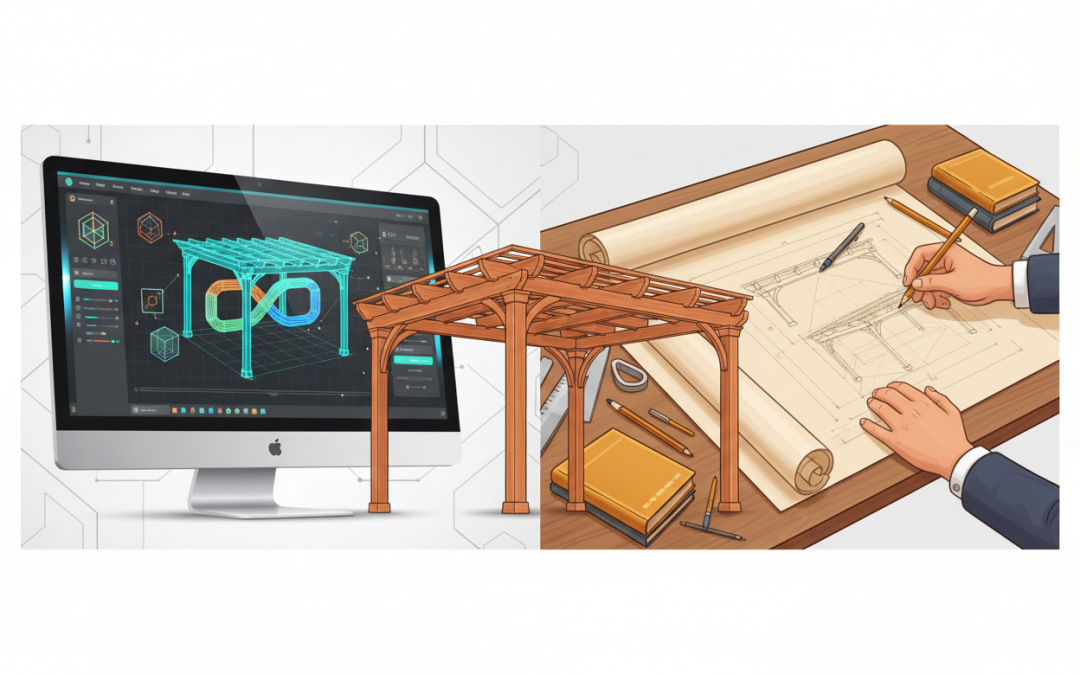
Custom Pergola Design Software vs Professional Design Services: Which Path Should You Choose?
Table of Contents
1. Introduction
2. Understanding Custom Pergola Design Software
3. The Benefits of DIY Pergola Design Software
4. Limitations of Design Software Solutions
5. Professional Pergola Design Services: What to Expect
6. Advantages of Hiring Professional Designers
7. Drawbacks of Professional Design Services
8. Cost Comparison: Software vs Professional Services
9. When to Choose Design Software
10. When Professional Services Make More Sense
11. Making the Right Decision for Your Project
12. Conclusion
13. Frequently Asked Questions
Introduction
Planning your dream pergola can feel overwhelming, especially when you’re standing at the crossroads between using custom pergola design software and hiring professional design services. I’ve seen countless homeowners struggle with this very decision, and honestly, there’s no one-size-fits-all answer.
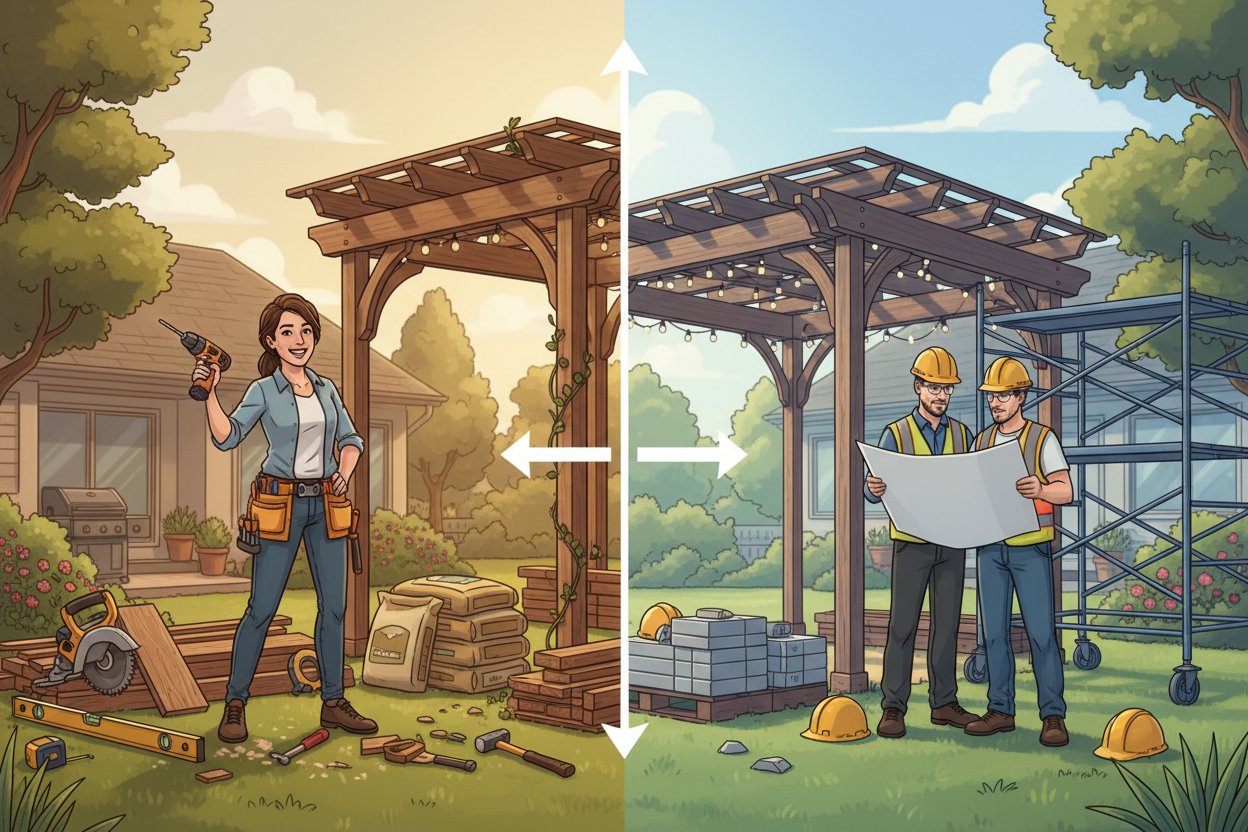
Whether you’re a weekend warrior who loves tackling DIY projects or someone who prefers leaving complex tasks to the experts, choosing the right design approach can make or break your pergola project. The good news? Both options have their merits, and understanding the differences will help you make an informed decision that aligns with your budget, timeline, and skill level.
In this comprehensive guide, we’ll dive deep into the world of pergola design options, exploring everything from cost considerations to design complexity. By the end, you’ll have a clear picture of which path suits your specific situation best.
Understanding Custom Pergola Design Software
Custom pergola design software has revolutionized how homeowners approach outdoor structure planning. These digital tools range from simple drag-and-drop interfaces to sophisticated 3D modeling platforms that rival professional CAD software.
Most pergola design software programs offer pre-built templates, customizable dimensions, and material libraries. You’ll typically find options for different pergola styles, from traditional wooden structures to modern aluminum designs. The software often includes features like automatic material calculations, cost estimations, and even augmented reality previews that let you visualize your pergola in your actual backyard.
Popular platforms like SketchUp, SmartDraw, and specialized pergola design tools have made it possible for virtually anyone to create detailed construction plans. These programs have become increasingly user-friendly, with many offering tutorial videos and step-by-step guides to help beginners navigate the design process.
The Benefits of DIY Pergola Design Software
The appeal of design software lies primarily in its accessibility and control. When you’re using these tools, you’re in the driver’s seat throughout the entire design process. You can experiment with different configurations, try out various materials, and make changes on the fly without worrying about additional consultation fees.
Cost savings represent perhaps the most significant advantage. Most pergola design software programs cost between $50 and $500, a fraction of what you’d pay for professional design services. This budget-friendly approach allows you to allocate more resources toward high-quality materials or additional features for your pergola.
The convenience factor cannot be overstated. You can work on your design at midnight in your pajamas, take breaks whenever you want, and spend as much time as needed perfecting every detail. There’s no need to coordinate schedules with designers or wait for appointment availability.
Learning opportunities abound when you tackle the design yourself. You’ll gain valuable knowledge about pergola construction, local building codes, and structural requirements. This understanding proves invaluable during the actual construction phase, whether you’re building it yourself or supervising contractors.
Limitations of Design Software Solutions
However, design software isn’t without its challenges. The learning curve can be steeper than expected, especially if you’re not naturally tech-savvy. What seems like a simple task might take hours to master, and complex design elements could prove frustratingly difficult to execute properly.
Technical limitations often become apparent as your design grows more sophisticated. While software can handle basic pergola designs beautifully, it might struggle with unique site conditions, complex structural requirements, or integration with existing landscape features. The software simply doesn’t have the nuanced understanding that comes with years of hands-on experience.
Accuracy concerns represent another significant limitation. Design software typically relies on user input for measurements and site conditions. If you make mistakes during the measuring process or overlook important factors like soil conditions or utility lines, these errors will carry through to your final design.
Building code compliance poses yet another challenge. While some software includes basic code information, regulations vary significantly by location and change frequently. Ensuring your design meets all local requirements often requires expertise that goes beyond what software can provide.
Professional Pergola Design Services: What to Expect
Professional pergola design services bring decades of combined experience to your project. These specialists understand the intricacies of outdoor construction, from soil analysis and drainage considerations to wind load calculations and material selection.
A typical professional design process begins with an on-site consultation where the designer assesses your space, discusses your vision, and identifies potential challenges or opportunities. They’ll take precise measurements, evaluate site conditions, and consider factors that might not be obvious to the untrained eye.
Professional designers create detailed construction drawings that include structural specifications, material lists, and installation instructions. These plans often exceed the detail level possible with most design software, incorporating elements like foundation requirements, connection details, and finishing specifications.
Many professional services also handle permit applications and ensure building code compliance. This service alone can save you significant time and potential headaches, as navigating local building departments can be complex and time-consuming.
Advantages of Hiring Professional Designers
The expertise that professionals bring to pergola design projects is unmatched. They’ve seen countless installations, encountered numerous challenges, and developed solutions that work in real-world conditions. This experience translates into designs that not only look great but also stand the test of time.
Professional designers excel at maximizing your space and budget. They can suggest design modifications that improve functionality while reducing costs, recommend materials that offer better value, and identify potential issues before they become expensive problems during construction.
The time savings aspect deserves special mention. While you might spend weeks learning design software and creating plans, professionals can typically deliver comprehensive designs within days. This efficiency allows you to move forward with construction much more quickly.
Quality assurance comes standard with professional services. Experienced designers stand behind their work and often provide warranties or guarantees. If issues arise during construction due to design flaws, reputable professionals will address these problems at no additional cost.
Access to industry resources represents another significant advantage. Professional designers often have relationships with suppliers, contractors, and specialty manufacturers that can result in better pricing or access to unique materials and components.
Drawbacks of Professional Design Services
The most obvious drawback of professional design services is cost. Depending on project complexity and designer reputation, you might pay anywhere from $1,000 to $5,000 or more for comprehensive design services. For budget-conscious homeowners, this expense can represent a significant portion of the total project cost.
Communication challenges sometimes arise when working with professionals. Your vision might not translate perfectly to the designer, leading to revisions and potential frustration. Unlike design software where you maintain complete control, professional services require clear communication and compromise.
Timeline dependencies can also pose challenges. Professional designers often work on multiple projects simultaneously, which means your timeline becomes dependent on their availability. Rush jobs typically cost extra, and delays in the design phase can push back your entire construction schedule.
Limited creative control might frustrate homeowners who have specific ideas about their pergola design. While professionals bring expertise, they might also bring preconceptions about what works best, potentially limiting exploration of unique or unconventional design approaches.
Cost Comparison: Software vs Professional Services
Understanding the true cost difference between design software and professional services requires looking beyond the initial price tag. Design software typically costs between $50 and $500, while professional services range from $1,000 to $5,000 or more.
However, hidden costs can significantly impact the software route. If your DIY design contains errors that require construction changes, these modifications can easily exceed the cost of professional design services. Similarly, if building department rejections require multiple plan revisions, the time and frustration costs can be substantial.
Professional services often include value-added benefits that offset their higher initial cost. These might include material sourcing assistance, contractor recommendations, construction oversight, and warranty protection. When factored into the total project cost, professional services sometimes deliver better overall value.
Consider also the opportunity cost of your time. If you’re earning $50 per hour at your day job but spending 40 hours learning design software and creating plans, you’re effectively paying $2,000 in opportunity costs for your DIY design effort.
When to Choose Design Software
Design software makes the most sense for straightforward pergola projects with standard dimensions and conventional designs. If you’re planning a basic rectangular pergola with standard post spacing and typical materials, software can handle these requirements beautifully.
Budget constraints often drive the decision toward software solutions. When every dollar counts and you have more time than money, the software route allows you to achieve professional-looking results without professional-level costs.
Tech-savvy individuals who enjoy learning new skills often find design software rewarding and engaging. If you’re comfortable with computers and enjoy the creative process, software can provide a satisfying way to bring your vision to life.
Simple site conditions favor software solutions. If your yard is relatively flat, free of obstacles, and doesn’t require complex integration with existing structures, design software can handle the planning requirements effectively.
When Professional Services Make More Sense
Complex projects almost always benefit from professional expertise. If your pergola involves unusual dimensions, challenging site conditions, or integration with existing structures, professional designers can navigate these complexities much more effectively than software.
Tight timelines often necessitate professional services. When you need to move quickly from design to construction, professionals can deliver comprehensive plans much faster than you could learn software and create designs yourself.
High-stakes projects warrant professional involvement. If your pergola represents a significant investment or if construction errors would be particularly costly or difficult to correct, professional design services provide valuable insurance against problems.
Building code complexities in your area might require professional expertise. Some jurisdictions have particularly strict requirements or unique local conditions that are best handled by designers familiar with local regulations and practices.
Making the Right Decision for Your Project
The decision between design software and professional services ultimately depends on your specific circumstances, skills, and priorities. Start by honestly assessing your technical abilities, available time, and budget constraints.
Consider creating a simple decision matrix that weighs factors like cost, timeline, project complexity, and your comfort level with technology. Assign importance ratings to each factor based on your specific situation, then evaluate how each option performs against these criteria.
Don’t overlook hybrid approaches that combine elements of both options. You might use design software for initial planning and visualization, then consult with a professional for final plan review and building code compliance. This approach can provide cost savings while ensuring professional oversight where it matters most.
Remember that the “right” choice is the one that aligns with your goals, capabilities, and circumstances. There’s no shame in choosing professional services if your project is complex or if you simply prefer having expert guidance throughout the process.
Conclusion
The choice between custom pergola design software and professional design services isn’t about finding the universally “better” option – it’s about finding the right fit for your specific project and situation. Both approaches have proven successful for countless homeowners, and both can deliver excellent results when applied appropriately.
Design software offers affordability, flexibility, and creative control, making it ideal for straightforward projects and budget-conscious homeowners with time to invest in learning. Professional services provide expertise, efficiency, and peace of mind, making them valuable for complex projects or when time and accuracy are paramount.
Take time to carefully evaluate your project requirements, personal capabilities, and priorities before making your decision. Whether you choose to go the DIY software route or invest in professional design services, the most important thing is moving forward with confidence toward creating the pergola of your dreams.
Remember, a well-designed pergola will provide years of enjoyment and add significant value to your property. Whether that design comes from software or professional services matters far less than ensuring it’s done right the first time.
Frequently Asked Questions
Q: How much does pergola design software typically cost?
A: Most pergola design software ranges from $50 to $500, depending on features and complexity. Some basic programs are available for free, while professional-grade software can cost more.
Q: Can I use free design software for my pergola project?
A: Yes, several free options exist, including SketchUp Free and various online design tools. However, free software often has limitations in features and export capabilities compared to paid versions.
Q: How long does it take to learn pergola design software?
A: Learning basic functions typically takes 10-20 hours, but becoming proficient enough to create detailed construction plans can require 40+ hours of practice, depending on your technical background.
Q: Do professional designers provide construction oversight?
A: Many professional designers offer construction oversight as an additional service, though this typically costs extra beyond the initial design fee. Always clarify what’s included in the base service.
Q: Can design software handle local building codes?
A: Most design software includes general building code information, but local codes vary significantly. You’ll likely need to research and verify local requirements independently or consult with local authorities.
Q: What happens if my DIY design doesn’t pass building department review?
A: You’ll need to revise the plans to address any issues identified by the building department. This might require additional software learning or potentially hiring a professional to correct problems.
Q: Is it worth hiring a professional for a simple pergola design?
A: For very basic, standard pergola designs, software might be sufficient. However, even “simple” projects can have hidden complexities that professionals can identify and address proactively.
Q: Can I combine both approaches for my project?
A: Absolutely! Many homeowners use design software for initial planning and visualization, then hire professionals for final plan development, code compliance, or construction oversight.

Lucas TX custom wood pergola | Keathley Landscaping

Wylie TX custom patio cover builders | Keathley Landscaping

Dallas TX luxury custom pergolas | Keathley Landscaping

Garland TX custom patio covers | Keathley Landscaping

Dallas TX custom patio covers | Keathley Landscaping

Allen TX custom patio covers | Keathley Landscaping

Sachse TX custom patio cover builders | Keathley Landscaping

Garland TX pergola companies near me | Keathley Landscaping

Plano TX pergola companies near me | Keathley Landscaping

Highland Park TX custom wood pergola | Keathley Landscaping

Allen TX outdoor living contractor | Keathley Landscaping

Rowlett TX covered patio contractors near me | Keathley Landscaping

Mobile City TX pergolas | Keathley Landscaping

Lakewood Dallas TX pergola builders | Keathley Landscaping

Sachse TX pergola builders | Keathley Landscaping

Lowry Crossing TX pergola builders | Keathley Landscaping

Parker TX outdoor living space contractors | Keathley Landscaping

Rowlett TX covered patios | Keathley Landscaping

Lakewood Dallas TX luxury custom pergolas | Keathley Landscaping

Wylie TX luxury custom pergolas | Keathley Landscaping

Dallas TX custom patio cover cost | Keathley Landscaping

Lake Highlands Dallas TX custom patio cover cost | Keathley Landscaping

Rockwall TX outdoor living space contractors | Keathley Landscaping

Lowry Crossing TX custom patio cover builders | Keathley Landscaping

Frisco TX luxury custom pergolas | Keathley Landscaping

Highland Park TX outdoor living space contractors | Keathley Landscaping

Lavon TX pergola builders | Keathley Landscaping

Rose Hill TX outdoor living space contractors | Keathley Landscaping

sod grass installation McKinney Texas

sod company Richardson Texas

grass installation Lucas Texas

price for sod installation Rockwall Texas

lawn sod installation near me Richardson Texas

sod lawn installation Lowry Crossing Texas

sod installation cost McKinney Texas

price of sod installation Lowry Crossing Texas

sod installation near me Mobile City Texas

sod installation services Lakewood Dallas Texas

sod company Plano Texas

residential sod installation Rowlett Texas

sod installation service Allen Texas

price of sod installation Rose Hill Texas

sod installation company Rowlett Texas

lawn sod installation near me Lowry Crossing Texas

cost for sod installation Fairview Texas

lawn sod installation McKinney Texas

cost for sod installation Lake Highlands Dallas Texas

installation of sod cost Garland Texas

sod company McKinney Texas

price of sod installation Allen Texas

sod installation companies Mobile City Texas

sod company Parker Texas

cost of sod installation Lavon Texas

lawn sod installation near me Lucas Texas

price for sod installation Mobile City Texas

grass contractor Dallas Texas

yard drainage contractors near me Plano Texas

drain Preston Hollow Dallas Texas

drain contractor Allen Texas

channel drain cleaning Garland Texas

drain contractor Sachse Texas

drainage solutions near me Wylie Texas

drainage solutions near me Rowlett Texas

drain contractor Rockwall Texas

landscape drainage Allen Texas

drain Frisco Texas

channel drain cleaning Dallas Texas

landscape drainage Lucas Texas

channel drain cleaning Highland Park Texas

outdoor drain repair Wylie Texas

drain contractor Garland Texas

landscape drain Parker Texas

landscape drain Allen Texas

drain cleaning Lucas Texas

drainage specialist near me Lucas Texas

drainage specialist near me Allen Texas

drainage company Sachse Texas

yard drainage Richardson Texas

drainage solutions near me Fate Texas

landscape drainage Mobile City Texas

yard drainage specialist near me Garland Texas

landscape drain Lake Highlands Dallas Texas

drainage solutions near me Fairview Texas

Recent Comments