
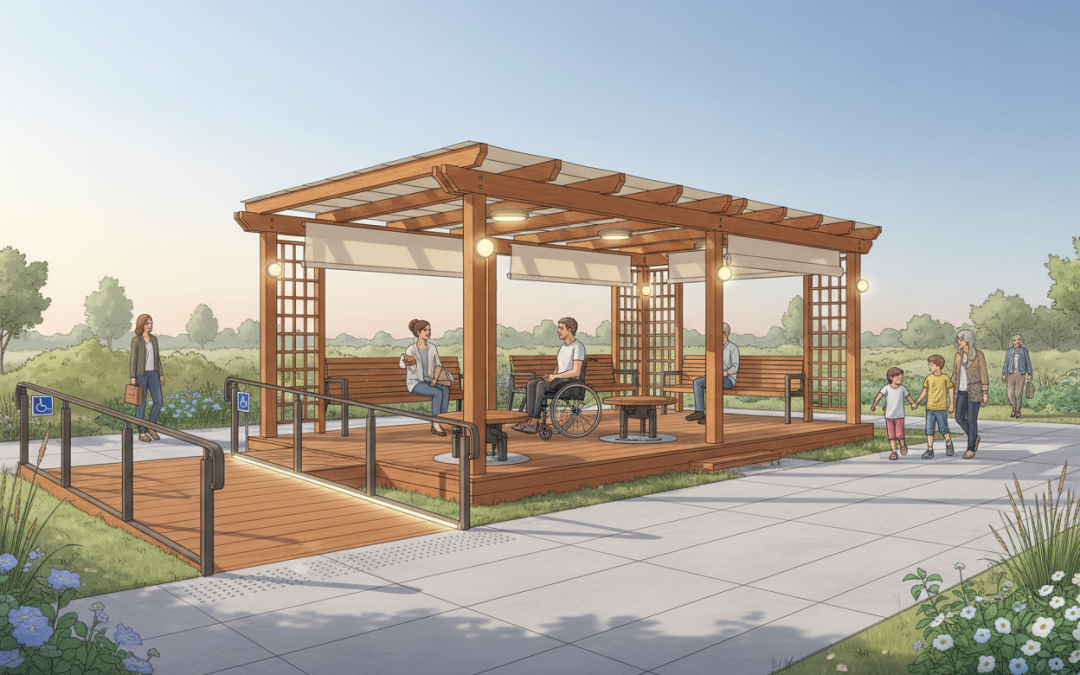
How to Design Custom Pergolas for Accessibility and Universal Design
Table of Contents
1. Introduction to Accessible Pergola Design
2. Understanding Universal Design Principles
3. Essential Accessibility Features for Pergolas
4. Pathway and Surface Considerations
5. Height and Clearance Requirements
6. Seating and Rest Area Integration
7. Lighting and Visibility Solutions
8. Material Selection for Safety and Durability
9. Weather Protection and Comfort Features
10. Professional Planning and Installation Tips
11. Frequently Asked Questions
Introduction to Accessible Pergola Design
Creating outdoor spaces that welcome everyone isn’t just good design practice—it’s essential for building communities where all people can thrive. When I first started working with families who needed accessible outdoor solutions, I quickly realized that traditional pergola designs often overlooked the needs of people with mobility challenges, visual impairments, or other disabilities.
Custom pergolas designed with accessibility and universal design principles create beautiful outdoor spaces that serve everyone, regardless of their physical abilities or age. These structures go beyond mere compliance with building codes to embrace thoughtful design that enhances usability, safety, and enjoyment for all users.
Universal design isn’t about creating separate spaces for people with disabilities—it’s about designing spaces that work better for everyone. A well-designed accessible pergola benefits not only wheelchair users but also parents with strollers, elderly individuals with walking aids, and anyone who values ease of movement and thoughtful design.
Understanding Universal Design Principles
The foundation of any successful accessible pergola project lies in understanding the seven principles of universal design. These principles, developed by architect Ronald Mace and his colleagues, provide a framework for creating spaces that are usable by all people to the greatest extent possible.
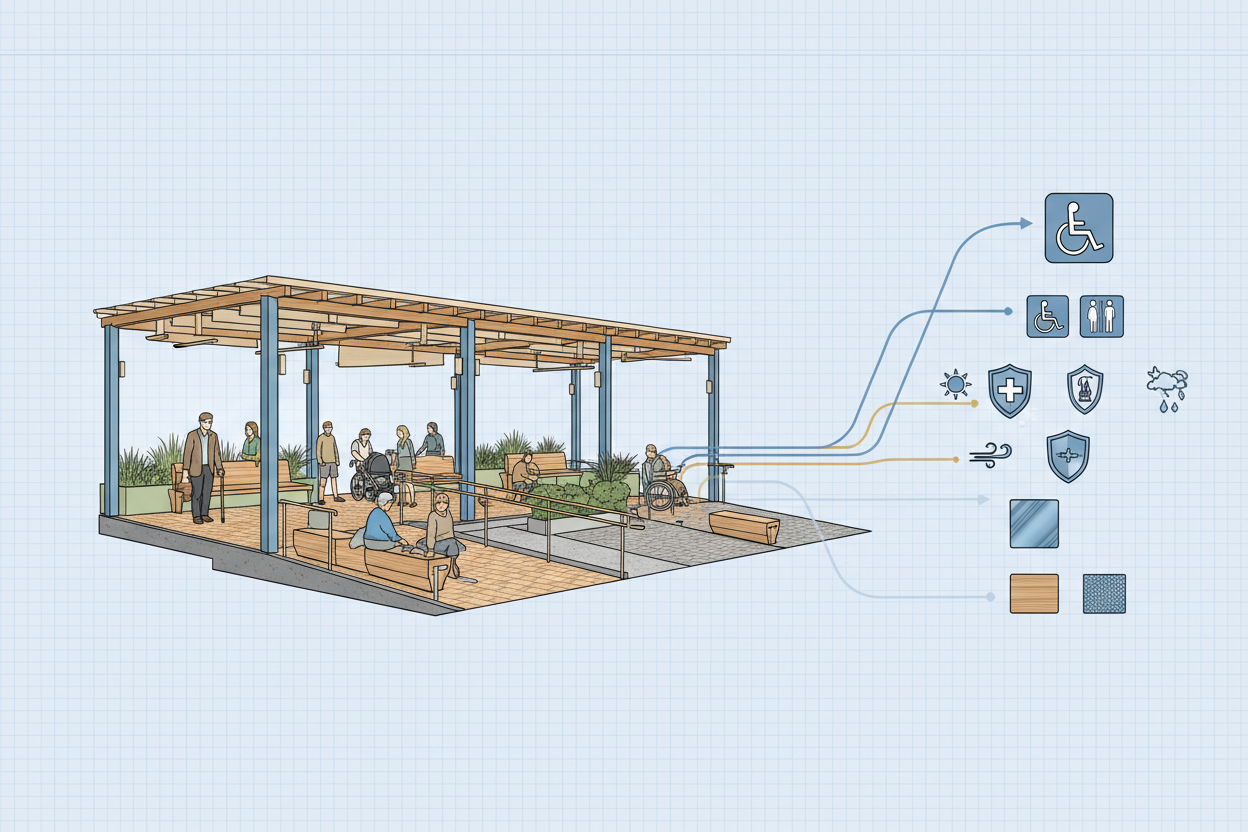
Equitable use means your pergola should be useful to people with diverse abilities. This might involve creating multiple seating options at different heights or ensuring that decorative elements can be appreciated by people with varying visual abilities. Flexibility in use allows for personal preferences and individual needs—think adjustable shade elements or movable furniture.
Simple and intuitive use ensures that your pergola’s features are easy to understand regardless of experience, language skills, or concentration level. Perceptible information means that necessary information is communicated effectively through multiple sensory channels. This could include tactile elements for wayfinding or contrasting colors for visual clarity.
Tolerance for error involves designing features that minimize hazards of accidental actions. Size and space for approach and use ensures that appropriate space is provided for reaching, manipulation, and use regardless of body size, posture, or mobility.
Essential Accessibility Features for Pergolas
When designing an accessible pergola, certain features become non-negotiable elements that ensure the space truly serves all users. The most fundamental consideration is creating barrier-free access, which means eliminating steps, steep slopes, and narrow passages that could prevent someone from entering or moving freely within the space.
Clear width requirements are crucial for wheelchair accessibility. The minimum clear width for accessible routes should be 36 inches, though 44 inches is preferable for comfortable passage. When designing gathering areas under your pergola, ensure there’s adequate space for wheelchair users to maneuver—typically requiring a 60-inch turning space.
Reach ranges matter significantly in pergola design. Any interactive elements, such as lighting controls, water features, or storage compartments, should be positioned between 15 and 48 inches from the floor. This ensures they’re accessible to both seated and standing users while remaining comfortable for people of various heights.
Surface stability cannot be overlooked. All surfaces within and around your pergola must be firm, stable, and slip-resistant. This includes not only the primary flooring but also any decorative elements or transition areas that users might encounter.
Pathway and Surface Considerations
The journey to your pergola is just as important as the destination itself. Creating accessible pathways requires careful attention to slope, surface materials, and width requirements. The maximum running slope for an accessible route is 1:20 (5 percent), while cross slopes should not exceed 1:48 (2 percent).
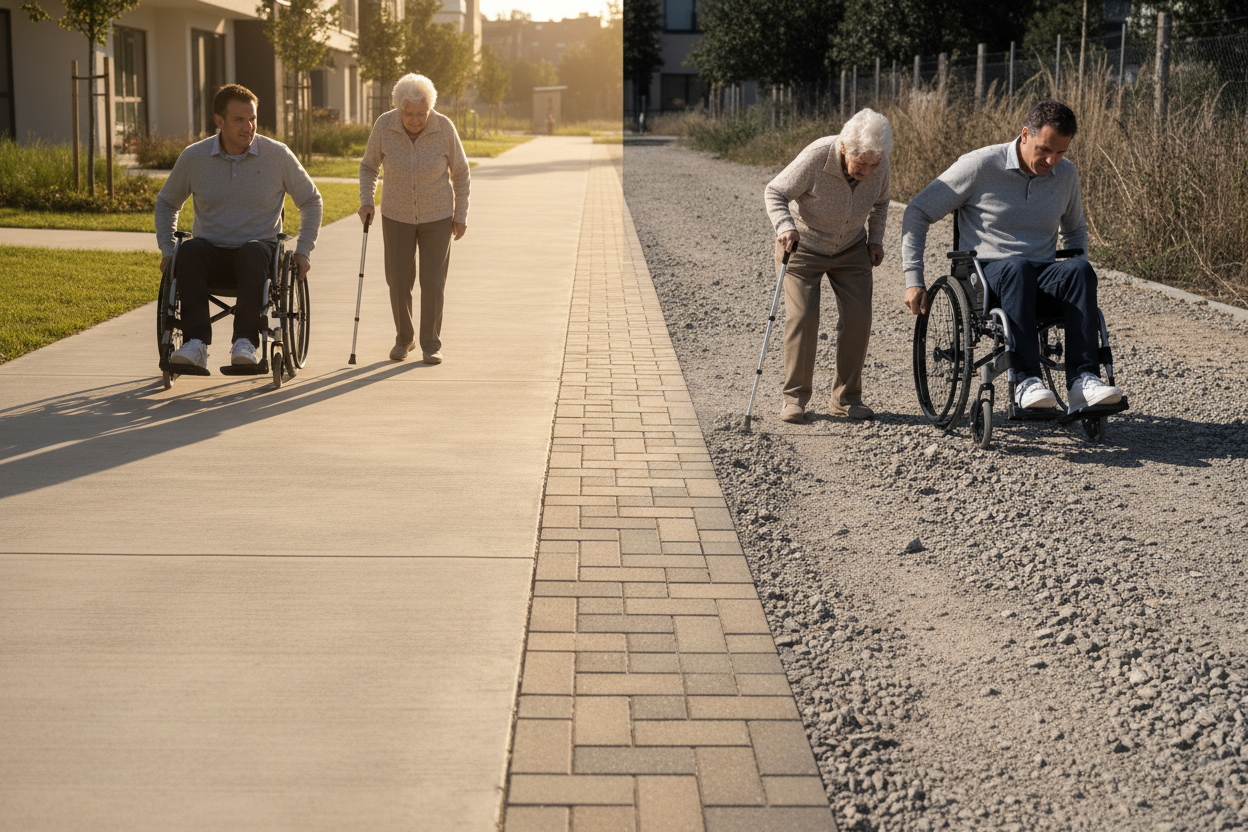
Surface materials play a crucial role in both safety and usability. Smooth concrete with a broom finish provides excellent traction without being too rough for wheelchair wheels. Interlocking pavers can work well if properly installed with minimal gaps and level surfaces. Avoid loose materials like gravel or wood chips in primary access routes, as these create barriers for wheelchair users and can be challenging for people using walking aids.
Transition areas require special attention. Any level changes greater than a quarter-inch must be beveled or ramped. When connecting different surface materials, ensure smooth transitions that won’t catch wheelchair wheels or create tripping hazards.
Consider the long-term maintenance of your pathway surfaces. Materials that require frequent upkeep or that deteriorate quickly can create accessibility barriers over time. Investing in durable, low-maintenance surfaces ensures your pergola remains accessible for years to come.
Height and Clearance Requirements
Vertical clearances in pergola design must accommodate users of all heights and mobility devices. The minimum clear headroom should be 80 inches throughout the accessible route and within the pergola structure itself. However, I often recommend 84 inches when possible, as this provides more comfortable clearance for taller individuals and allows for any decorative elements without compromising accessibility.
When incorporating hanging elements such as plants, lights, or decorative features, maintain these clearance requirements while ensuring that any protruding objects don’t create hazards. Objects that protrude more than 4 inches from walls or posts must be positioned higher than 80 inches or lower than 27 inches to be detectable by people using white canes.
The height of pergola beams and cross-members affects both the visual impact and practical use of the space. Lower beams can create a more intimate feeling but must not compromise accessibility. Higher beams offer more openness but may require additional structural considerations.
Consider how the pergola’s height relates to its surroundings. If your pergola connects to existing structures or pathways, ensure that height transitions are gradual and don’t create unexpected barriers or hazards.
Seating and Rest Area Integration
Thoughtful seating design transforms a pergola from a simple overhead structure into a truly functional gathering space. Accessible seating must accommodate wheelchair users while providing comfortable options for all visitors. This means incorporating both fixed seating and clear spaces where wheelchair users can position themselves alongside friends and family.
Built-in benches should be 17 to 19 inches high with back support, following accessibility guidelines while remaining comfortable for most users. Provide armrests on at least one end of longer benches to assist people who have difficulty standing or sitting. The depth of seating should be 20 to 24 inches to accommodate different body types comfortably.
Clear floor space adjacent to seating is essential. Provide at least 30 by 48 inches of clear space positioned for either forward or parallel approach by wheelchair users. This space should be level and connect to the accessible route serving the pergola.
Consider incorporating tables or surfaces at various heights to accommodate different users and activities. A table height of 28 to 34 inches works well for most wheelchair users, while standard height surfaces serve standing users and those in regular chairs.
Lighting and Visibility Solutions
Proper lighting extends the usability of your pergola while enhancing safety for all users. Accessible lighting design goes beyond simple illumination to consider the needs of people with visual impairments and the importance of creating well-lit pathways and gathering areas.
Pathway lighting should provide even illumination without creating harsh shadows or glare. LED strip lighting integrated into handrails or step edges can provide excellent wayfinding assistance while maintaining aesthetic appeal. Avoid lighting that creates stark contrasts between light and dark areas, as this can be disorienting for people with visual impairments.
Task lighting within the pergola should be adjustable and positioned to minimize glare. Consider incorporating multiple lighting zones that can be controlled independently, allowing users to adjust illumination based on activities and personal preferences.
Emergency lighting and clear exit identification become important considerations in larger pergola installations. Ensure that all egress routes are clearly marked and adequately lit, even during power outages.
Natural lighting considerations include the orientation of your pergola and the amount of shade provided. While shade is often desired, ensure that the space doesn’t become too dark during daytime hours, particularly for users who may have difficulty with vision.
Material Selection for Safety and Durability
Choosing the right materials for an accessible pergola involves balancing aesthetics, durability, maintenance requirements, and safety considerations. Materials must provide adequate contrast for visual identification while maintaining slip resistance and weather durability.
Structural materials should be selected for their longevity and low maintenance requirements. Pressure-treated lumber, composite materials, and aluminum all offer different advantages. Composite materials often provide the best combination of durability and low maintenance, though initial costs may be higher.
Surface textures matter significantly for accessibility. Smooth surfaces are easier for wheelchair navigation, but they must maintain adequate slip resistance when wet. Avoid highly textured surfaces that could catch wheelchair wheels or create uncomfortable vibrations.
Color and contrast considerations help users with visual impairments navigate the space safely. Provide contrast between different elements—flooring and walls, seating and background surfaces, and handrails and their mounting surfaces. A contrast ratio of at least 70 percent ensures adequate visual distinction.
Weather resistance becomes particularly important in accessible designs because maintenance difficulties can quickly create barriers. Materials that degrade, warp, or become slippery when wet can compromise the accessibility of your pergola over time.
Weather Protection and Comfort Features
An accessible pergola should provide comfort and protection for all users, regardless of weather conditions or individual sensitivities. This involves considering not just overhead protection but also wind patterns, temperature control, and seasonal usability.
Adjustable shade elements allow users to control their environment based on personal needs and weather conditions. Retractable canopies, adjustable louvers, or movable shade panels provide flexibility while maintaining the open feel that makes pergolas appealing.
Wind protection may be necessary in exposed locations. Partial walls, screens, or strategic plantings can reduce wind while maintaining accessibility. Ensure that any wind barriers don’t create new obstacles or reduce the clear width of accessible routes.
Drainage considerations become critical in accessible design because standing water creates barriers and safety hazards. Design adequate drainage for both the pergola structure and surrounding areas, ensuring that water doesn’t pool in accessible routes or gathering spaces.
Temperature control might involve incorporating fans, misting systems, or heating elements depending on your climate. Any controls for these features should be positioned within accessible reach ranges and be easy to operate for users with limited dexterity.
Professional Planning and Installation Tips
Successfully implementing an accessible pergola design requires careful planning and often benefits from professional expertise. Working with professionals who understand accessibility requirements can save time, ensure compliance, and result in a better final product.
Start with a thorough site analysis that considers existing topography, drainage patterns, and connections to other accessible features. Professional landscape architects or accessibility consultants can identify potential challenges early in the design process.
Permit requirements may be more complex for accessible structures, particularly if your pergola includes electrical work, plumbing, or structural elements. Many jurisdictions have specific requirements for accessible outdoor spaces that go beyond basic building codes.
Quality control during installation is crucial for maintaining accessibility features. Small deviations in slope, surface smoothness, or clearances can significantly impact usability. Regular inspections during construction help ensure that accessibility features are properly implemented.
Consider phased implementation if budget constraints are a concern. Prioritize the most critical accessibility features first, such as accessible routes and basic clearances, then add comfort and convenience features over time.
Conclusion
Designing custom pergolas for accessibility and universal design creates outdoor spaces that truly welcome everyone. By incorporating thoughtful features like barrier-free access, appropriate clearances, accessible seating, and quality lighting, you can create a pergola that serves users of all abilities while maintaining beauty and functionality.
Remember that accessible design benefits everyone, not just people with disabilities. Parents with strollers, elderly family members, and anyone who values ease of use will appreciate the thoughtful design elements that make your pergola truly inclusive.
The investment in accessible design pays dividends in increased usability, broader appeal, and the satisfaction of creating a space where all people can gather comfortably. As our population ages and awareness of accessibility grows, these design principles become increasingly valuable for both personal enjoyment and property value.
Take time to plan carefully, consult with professionals when needed, and prioritize the features that will have the greatest impact on usability. Your accessible pergola will stand as a testament to thoughtful design that puts people first.
Frequently Asked Questions
What is the minimum width required for an accessible pergola entrance?
The minimum clear width for an accessible entrance is 36 inches, though 44 inches is recommended for more comfortable passage. This measurement should be maintained throughout the accessible route within the pergola.
Do I need a ramp if my pergola has a raised floor?
Any level change greater than 1/2 inch requires a ramp or beveled edge. Ramps must have a maximum slope of 1:12 for accessibility compliance, with landings at regular intervals for longer ramps.
What type of flooring works best for wheelchair accessibility?
Smooth concrete with a broom finish provides excellent traction and durability. Properly installed interlocking pavers with minimal gaps also work well. Avoid loose materials like gravel or mulch in accessible routes.
How high should pergola beams be for accessibility?
Maintain a minimum clear headroom of 80 inches, though 84 inches is preferable. This ensures comfortable clearance for all users while allowing for decorative elements without compromising accessibility.
Are there specific requirements for pergola lighting?
While not always required by code, good lighting enhances safety and usability. Provide even illumination without glare, ensure pathway lighting for safe navigation, and consider adjustable lighting zones for different activities.
Can I build an accessible pergola myself, or do I need professional help?
While simple pergolas can be DIY projects, accessible designs often benefit from professional consultation to ensure proper compliance with accessibility guidelines and local building codes. Complex features like electrical work or drainage systems typically require professional installation.

Parker TX custom patio cover cost | Keathley Landscaping

Highland Park TX custom wood pergola | Keathley Landscaping

Dallas TX pergola builders | Keathley Landscaping

Mobile City TX custom pergolas | Keathley Landscaping

Lavon TX custom patio cover cost | Keathley Landscaping

Lucas TX custom patio cover builders | Keathley Landscaping

Rowlett TX luxury custom pergolas | Keathley Landscaping

Rose Hill TX custom pergolas | Keathley Landscaping

Plano TX custom patio cover builders | Keathley Landscaping

Highland Park TX covered patio contractors near me | Keathley Landscaping

Lakewood Dallas TX covered patio contractors near me | Keathley Landscaping

Lavon TX outdoor living space contractors | Keathley Landscaping

Lakewood Dallas TX custom pergolas | Keathley Landscaping

Murphy TX custom wood pergola | Keathley Landscaping

Lakewood Dallas TX outdoor living contractor | Keathley Landscaping

Fairview TX luxury custom pergolas | Keathley Landscaping

Lucas TX outdoor living space contractors | Keathley Landscaping

Fairview TX covered patio contractors near me | Keathley Landscaping

Frisco TX covered patio contractors near me | Keathley Landscaping

Rose Hill TX custom patio covers | Keathley Landscaping

Lake Highlands Dallas TX covered patio contractors near me | Keathley Landscaping

Lucas TX pergola builders | Keathley Landscaping

Frisco TX outdoor living space contractors | Keathley Landscaping

Murphy TX covered patios | Keathley Landscaping

Allen TX pergola companies near me | Keathley Landscaping

Garland TX custom patio cover cost | Keathley Landscaping

Lake Highlands Dallas TX outdoor living space contractors | Keathley Landscaping

Wylie TX custom pergolas | Keathley Landscaping

sod contractors McKinney Texas

sod installation cost Mobile City Texas

sod installation services Richardson Texas

grass contractor Lavon Texas

sod installation cost Dallas Texas

grass installation Frisco Texas

price of sod installation Lowry Crossing Texas

sod lawn installation Fairview Texas

lawn sod installation Rose Hill Texas

installation of sod cost Murphy Texas

sod installation company Lowry Crossing Texas

price of sod installation Murphy Texas

installation of sod cost Mobile City Texas

price for sod installation Lakewood Dallas Texas

sod lawn installation Frisco Texas

cost for sod installation Fate Texas

sod company Plano Texas

sod installation company Richardson Texas

sod installation company Fairview Texas

cost for sod installation Lucas Texas

sod installation company Parker Texas

sod grass installation Lucas Texas

cost of sod and installation Lucas Texas

sod installation companies Fate Texas

sod installation companies near me Lavon Texas

installation of sod cost Lowry Crossing Texas

lawn sod installation near me Mobile City Texas

sod installation services Wylie Texas

outdoor drain repair Lucas Texas

yard drainage specialist near me Lavon Texas

drainage contractors near me Sachse Texas

drainage company near me Plano Texas

drainage Mobile City Texas

drain cleaning company near me Fairview Texas

outdoor drain repair Lowry Crossing Texas

drainage company Allen Texas

yard drainage specialist near me McKinney Texas

drain cleaning company near me Lakewood Dallas Texas

drain cleaning Rowlett Texas

drain cleaning company near me Wylie Texas

drainage contractors near me Dallas Texas

drainage company near me Lake Highlands Dallas Texas

drain cleaning Rose Hill Texas

landscape drain Lake Highlands Dallas Texas

yard drainage specialist near me Rose Hill Texas

outdoor drain repair Lavon Texas

drain Plano Texas

landscape drainage contractor near me Rowlett Texas

drain Lucas Texas

outdoor drain repair Mobile City Texas

drainage contractors near me Parker Texas

drainage solutions near me Rockwall Texas

drainage contractors near me Preston Hollow Dallas Texas

channel drain cleaning Dallas Texas

landscape drainage contractor near me Parker Texas

Recent Comments