
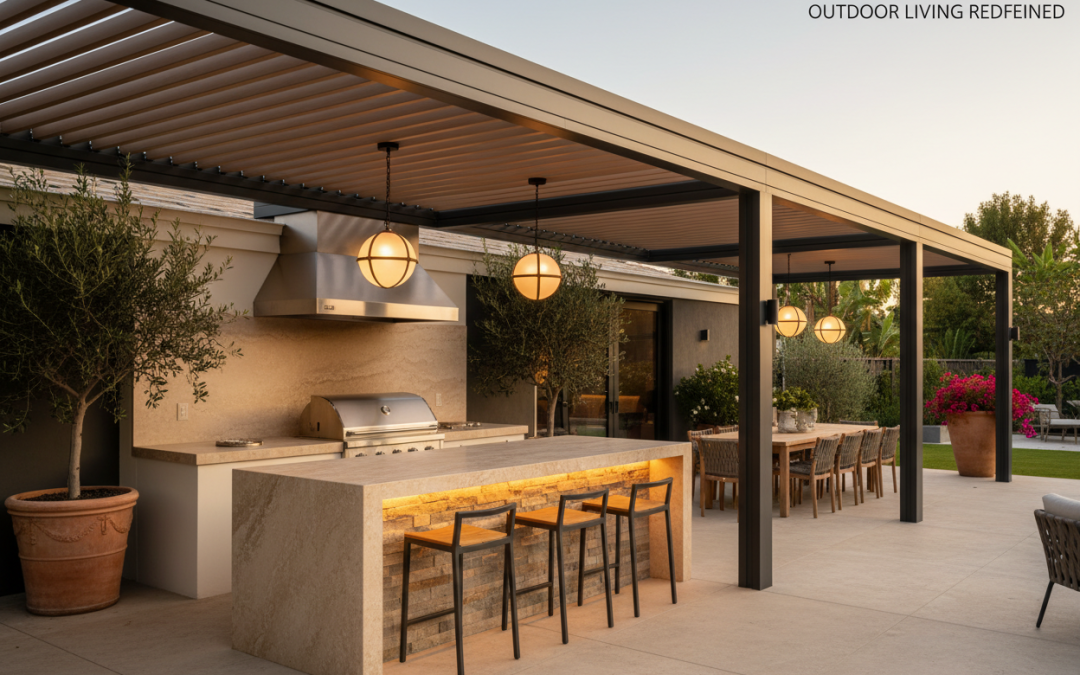
How to Integrate Outdoor Kitchens with Custom Patio Covers: Creating Your Perfect Backyard Oasis
Table of Contents
1. Introduction: The Rise of Outdoor Living Spaces
2. Understanding the Benefits of Integrated Outdoor Kitchen Design
3. Planning Your Outdoor Kitchen and Patio Cover Integration
4. Design Considerations for Seamless Integration
5. Material Selection for Durability and Style
6. Essential Features to Include in Your Integrated Design
7. Professional Installation vs. DIY Approaches
8. Maintenance and Long-term Care
9. Budget Planning and Cost Considerations
10. Conclusion: Bringing Your Vision to Life
11. Frequently Asked Questions
Introduction: The Rise of Outdoor Living Spaces
There’s something magical about cooking and entertaining outdoors that transforms an ordinary evening into an extraordinary experience. As homeowners increasingly seek to extend their living spaces beyond four walls, the integration of outdoor kitchens with custom patio covers has become more than just a trend – it’s become a lifestyle choice that adds significant value to both daily living and property worth.
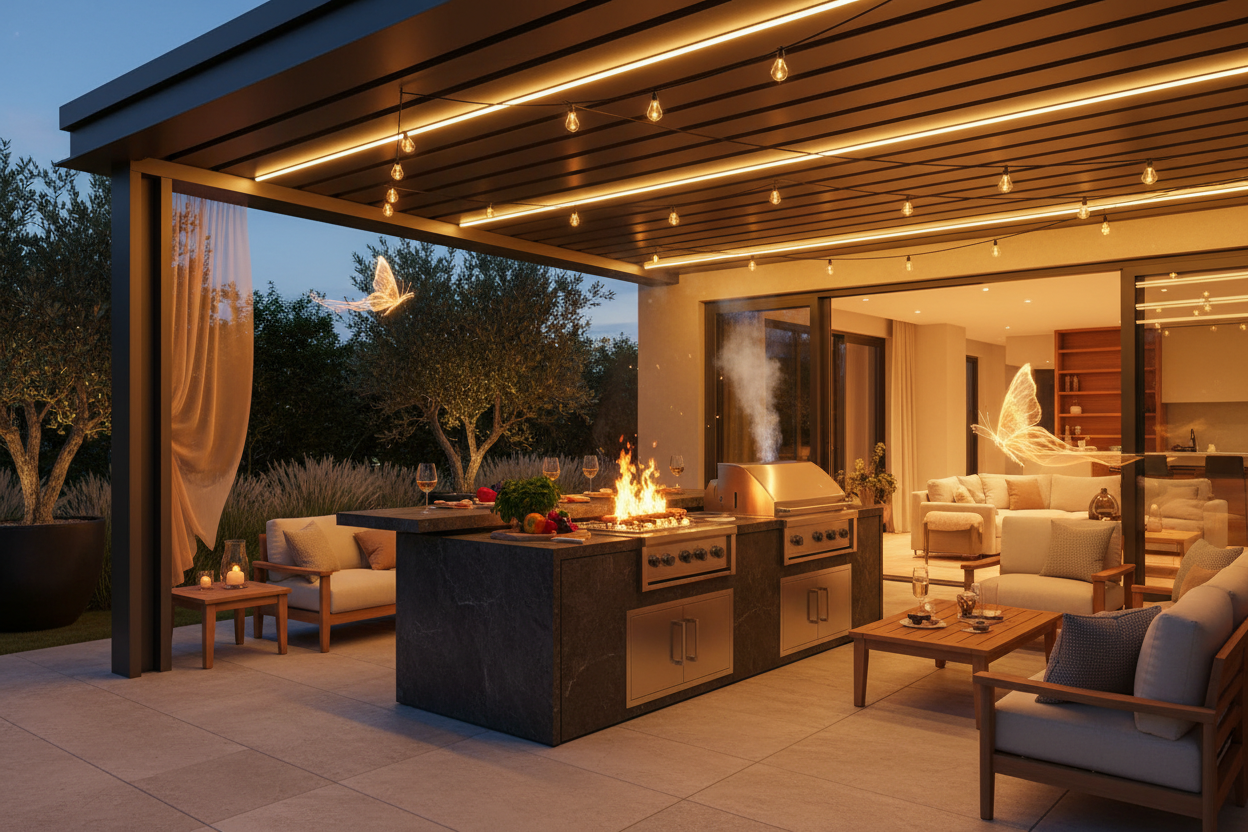
The concept of outdoor cooking has evolved far beyond the simple backyard barbecue. Today’s outdoor kitchens rival their indoor counterparts in functionality and style, while custom patio covers provide the protection and comfort needed to enjoy these spaces year-round. When thoughtfully integrated, these elements create a seamless outdoor living environment that serves as the heart of backyard entertainment.
Whether you’re dreaming of hosting elaborate dinner parties under the stars or simply want a peaceful space to prepare your morning coffee while listening to birdsong, integrating your outdoor kitchen with a custom patio cover can transform your backyard into a true extension of your home. This comprehensive guide will walk you through every aspect of creating this perfect outdoor oasis.
Understanding the Benefits of Integrated Outdoor Kitchen Design
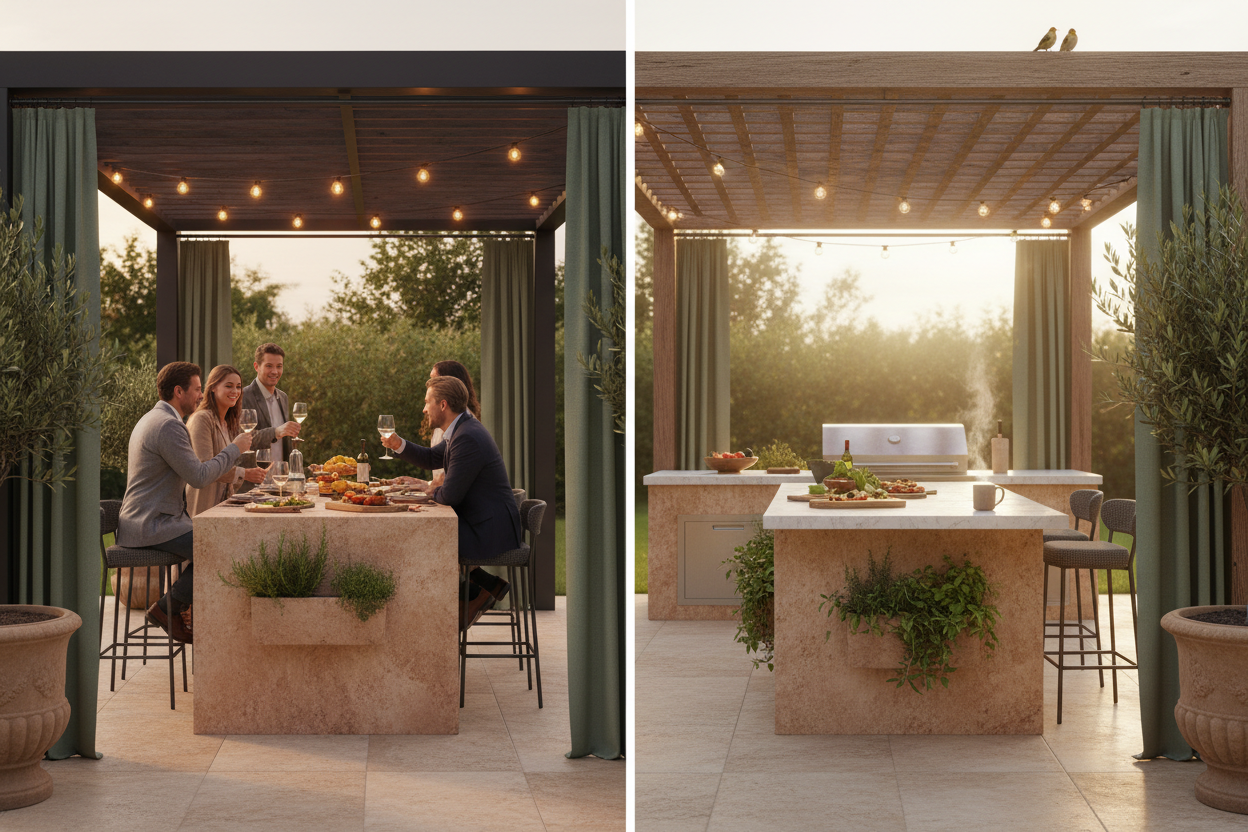
When you integrate an outdoor kitchen with a custom patio cover, you’re creating more than just a cooking space – you’re establishing a complete outdoor living environment. This integration offers numerous advantages that separate homeowners often overlook when planning their outdoor spaces independently.
The primary benefit lies in weather protection. A well-designed patio cover shields your outdoor kitchen from rain, harsh sunlight, and other weather elements, allowing you to cook and entertain regardless of conditions. This protection extends the usable life of your outdoor appliances and furniture while making the space comfortable for guests throughout different seasons.
From a design perspective, integration creates visual cohesion that enhances your property’s overall aesthetic appeal. Rather than having disparate outdoor elements that compete for attention, an integrated design flows naturally and feels intentional. This cohesiveness often translates to higher property values, as potential buyers recognize the thoughtful planning and quality construction that integrated outdoor spaces represent.
Functionality improves dramatically when these elements work together. The patio cover can incorporate lighting, ceiling fans, and even heating elements that make the kitchen area more comfortable and usable. Storage solutions can be built into both the kitchen cabinetry and patio cover structure, maximizing efficiency and minimizing clutter.
Planning Your Outdoor Kitchen and Patio Cover Integration
Successful integration begins with thorough planning that considers both your immediate needs and future aspirations. Start by evaluating your existing outdoor space, taking note of factors like sun exposure, prevailing winds, proximity to your indoor kitchen, and views you want to preserve or block.
Consider how you’ll primarily use the space. Will it serve as an extension of daily meal preparation, or is it primarily for entertaining? Do you envision intimate family dinners or large gatherings? These usage patterns will influence everything from the size and layout of your kitchen to the height and style of your patio cover.
Utility connections represent a crucial planning element that many homeowners underestimate. Your outdoor kitchen will likely require electrical, gas, and water connections, while your patio cover might need electrical for lighting and fans. Planning these connections early in the design process prevents costly modifications later and ensures optimal placement of outlets and fixtures.
Local building codes and homeowner association regulations must be researched and understood before finalizing your plans. Many areas have specific requirements for outdoor cooking facilities, electrical installations, and structure heights. Obtaining necessary permits early in the process prevents delays and ensures your project meets all legal requirements.
Design Considerations for Seamless Integration
Creating a seamless integration between your outdoor kitchen and patio cover requires careful attention to design details that tie the elements together visually and functionally. The key lies in treating these components as parts of a single, cohesive design rather than separate projects that happen to share the same space.
Architectural harmony should guide your design decisions. If your home features specific architectural elements like columns, arches, or particular rooflines, incorporating similar details into your patio cover creates visual continuity. The outdoor kitchen cabinetry and countertops should complement both the patio cover design and your home’s exterior materials and colors.
Scale and proportion play critical roles in successful integration. A massive patio cover can overwhelm a modest outdoor kitchen, while an undersized cover may look inadequate for a substantial cooking area. The cover should provide adequate protection for the entire kitchen workspace while maintaining proportions that feel balanced with your home and yard.
Traffic flow deserves careful consideration during the design phase. The integration should facilitate natural movement between cooking, preparation, and dining areas. Consider how servers will move from the kitchen to dining areas, where guests will naturally gather, and how the space connects to your indoor kitchen and other outdoor areas.
Lighting integration transforms your outdoor space from a daytime-only area to a versatile environment suitable for evening entertainment. Plan for multiple lighting layers, including task lighting for cooking areas, ambient lighting for dining and socializing, and accent lighting that highlights architectural features and landscaping.
Material Selection for Durability and Style
Material selection significantly impacts both the longevity and aesthetic appeal of your integrated outdoor kitchen and patio cover. Unlike indoor spaces, outdoor installations must withstand temperature fluctuations, moisture, UV exposure, and other environmental challenges while maintaining their appearance and functionality over time.
For patio cover structures, materials like aluminum, steel, and engineered lumber offer excellent durability with minimal maintenance requirements. Aluminum provides superior corrosion resistance and can be powder-coated in virtually any color, while steel offers maximum strength for larger spans. Engineered lumber combines the natural beauty of wood with enhanced durability and dimensional stability.
Roofing materials for your patio cover should complement your home’s existing roof while providing appropriate protection and aesthetic appeal. Options range from matching your home’s roofing material for seamless integration to contrasting materials like polycarbonate panels that provide weather protection while allowing natural light to filter through.
Outdoor kitchen materials must withstand constant exposure to heat, moisture, and temperature changes. Stainless steel remains the gold standard for appliances and some cabinetry components due to its durability and easy maintenance. Natural stone countertops like granite or quartzite offer beauty and heat resistance, while porcelain slabs provide consistent appearance with minimal maintenance requirements.
Cabinet materials for outdoor kitchens require special consideration. Marine-grade polymer cabinets resist moisture and insects while requiring minimal maintenance. Stainless steel cabinets offer maximum durability but can show fingerprints and water spots. Some manufacturers now offer specially treated wood cabinets designed for outdoor use, providing traditional aesthetics with improved weather resistance.
Essential Features to Include in Your Integrated Design
A well-integrated outdoor kitchen and patio cover should include features that enhance both functionality and comfort. These elements work together to create a space that rivals indoor kitchens in capability while offering the unique pleasures of outdoor living.
Adequate storage represents one of the most important functional elements. Your integrated design should include weatherproof storage for cooking utensils, serving pieces, outdoor dinnerware, and cleaning supplies. Consider incorporating storage into both the kitchen island and patio cover structure, using every available space efficiently.
Climate control features make your outdoor space comfortable throughout different seasons and weather conditions. Ceiling fans mounted to the patio cover provide air circulation during warm weather, while infrared heaters can extend the usable season into cooler months. Some homeowners even incorporate misting systems for extreme heat or outdoor fireplaces for ambiance and warmth.
Proper ventilation ensures smoke and cooking odors don’t overwhelm the covered area or drift toward your home. This might include range hoods for cooking areas or strategic openings in the patio cover design that promote natural air circulation.
Electrical planning should accommodate current needs while providing flexibility for future additions. Include adequate outlets for appliances, lighting controls that allow for different ambiance settings, and provisions for entertainment systems or outdoor televisions.
Water features, whether functional or decorative, add both practicality and ambiance to your integrated outdoor space. A prep sink in the kitchen area reduces trips to the indoor kitchen, while a decorative fountain or water feature can provide soothing sounds and visual interest.
Professional Installation vs. DIY Approaches
The decision between professional installation and DIY approaches depends on your skill level, available time, local code requirements, and the complexity of your integrated design. While some elements may be suitable for experienced DIY enthusiasts, the integration of outdoor kitchens with patio covers typically involves multiple trades and complex coordination that benefits from professional expertise.
Professional installation offers several advantages, particularly for integrated projects. Contractors experienced in outdoor living spaces understand how different elements work together and can anticipate potential issues before they become problems. They also handle permit applications, coordinate utility connections, and ensure all work meets local building codes and safety requirements.
The complexity of utility connections often necessitates professional involvement. Gas lines for outdoor appliances must be installed by licensed professionals in most areas, while electrical work requires permits and inspections. Water lines for sinks and ice makers also benefit from professional installation to prevent future leaks and ensure proper drainage.
However, some aspects of the project may be suitable for DIY completion, particularly finishing work like painting, basic landscaping, or installing simple accessories. If you choose a hybrid approach, coordinate carefully with your contractors to ensure DIY elements don’t interfere with professional work or void warranties.
When selecting professionals, look for contractors with specific experience in outdoor kitchen and patio cover integration. Ask to see portfolios of completed projects and speak with recent clients about their experiences. Proper licensing, insurance, and warranties should be non-negotiable requirements for any contractor you consider.
Maintenance and Long-term Care
Proper maintenance ensures your integrated outdoor kitchen and patio cover continue to function beautifully and safely for years to come. Outdoor installations face unique challenges that require proactive care and regular attention to prevent minor issues from becoming major problems.
Seasonal maintenance schedules help you stay ahead of potential issues. Spring preparation might include deep cleaning all surfaces, checking for winter damage, servicing appliances, and refreshing protective finishes. Summer maintenance focuses on keeping surfaces clean and ensuring adequate ventilation and cooling. Fall preparation involves protecting sensitive components from harsh winter weather and performing any necessary repairs before cold weather arrives.
Stainless steel components require regular cleaning with appropriate products to maintain their appearance and prevent corrosion. Avoid abrasive cleaners that can scratch surfaces, and always clean in the direction of the grain. Natural stone surfaces benefit from periodic sealing to maintain stain resistance and appearance.
Patio cover maintenance varies by material but generally includes cleaning gutters and drainage systems, checking structural connections, and maintaining any moving parts like retractable screens or adjustable louvers. Wood components may require periodic staining or sealing, while metal structures might need touch-up painting in high-wear areas.
Appliance maintenance follows manufacturer recommendations but typically includes regular cleaning, checking gas connections, and professional servicing for complex equipment like outdoor refrigerators or ice makers. Keep maintenance records and warranty information organized for easy reference.
Budget Planning and Cost Considerations
Creating an integrated outdoor kitchen and patio cover represents a significant investment that requires careful budget planning and realistic cost expectations. Understanding the various cost factors helps you make informed decisions and avoid budget overruns that can derail your project.
Basic integrated designs typically start around $15,000 to $25,000 for modest installations, while elaborate outdoor kitchens with extensive patio covers can exceed $100,000. The wide range reflects differences in size, materials, appliances, and complexity of installation requirements.
Material costs represent a significant portion of your budget. Premium materials like natural stone countertops, high-end stainless steel appliances, and custom millwork increase costs but often provide better long-term value through durability and aesthetic appeal. Consider the total cost of ownership, including maintenance requirements, when evaluating material options.
Labor costs vary significantly by region and project complexity. Integrated projects often cost more per square foot than simple installations due to the coordination required between different trades and the precision needed to achieve seamless integration. However, the integrated approach often provides better value than building components separately over time.
Hidden costs can impact your budget if not planned properly. These might include utility line extensions, permit fees, site preparation requirements, or necessary modifications to existing structures. Professional contractors can help identify potential hidden costs during the planning phase.
Consider financing options if your dream design exceeds your immediate budget. Home equity loans, personal loans, or contractor financing programs can make larger projects more accessible while allowing you to enjoy the benefits immediately.
Conclusion: Bringing Your Vision to Life
Integrating an outdoor kitchen with a custom patio cover creates more than just a cooking space – it establishes a new lifestyle centered around outdoor living and entertainment. The process requires careful planning, thoughtful design decisions, and often professional expertise, but the results justify the investment through enhanced daily living and increased property value.
Success lies in treating the integration as a single, cohesive project rather than separate elements that happen to share space. From initial planning through material selection, installation, and ongoing maintenance, every decision should consider how the kitchen and patio cover work together to create your ideal outdoor living environment.
Remember that this integration represents a long-term investment in your home and lifestyle. Quality materials, professional installation, and proper maintenance ensure your outdoor oasis continues to provide enjoyment and value for decades to come. Whether you’re hosting elaborate dinner parties or simply enjoying a quiet morning coffee outdoors, your integrated outdoor kitchen and patio cover will serve as the foundation for countless memorable moments.
Take time to plan thoroughly, research your options, and work with experienced professionals who understand the unique challenges and opportunities of outdoor living spaces. Your patience during the planning and construction phases will be rewarded with an outdoor environment that exceeds your expectations and becomes the heart of your home’s entertainment and relaxation activities.
Frequently Asked Questions
What is the typical timeline for installing an integrated outdoor kitchen and patio cover?
Most integrated projects take 4-8 weeks from start to completion, depending on size, complexity, and weather conditions. This includes permit approval, utility connections, construction, and final inspections. Custom elements or complex designs may require additional time.
Do I need permits for an outdoor kitchen and patio cover integration?
Most areas require permits for outdoor kitchens due to electrical, gas, and structural requirements. Patio covers may also require permits depending on size and attachment to existing structures. Check with your local building department early in the planning process.
How do I protect my outdoor kitchen appliances during winter?
Use appliance covers designed for outdoor use, disconnect and drain water lines in freezing climates, and follow manufacturer winterization procedures. Some homeowners install seasonal enclosures or move portable appliances to protected storage.
What’s the best way to match my outdoor kitchen to my home’s architectural style?
Incorporate similar materials, colors, and design elements from your home’s exterior. Use complementary rooflines, matching stone or brick, and coordinate hardware finishes. A design professional can help ensure cohesive integration with your home’s architecture.
Can I add an outdoor kitchen and patio cover to an existing patio?
Often yes, but existing patios may require structural evaluation and possible reinforcement to support kitchen equipment and patio cover loads. Utility access and proper drainage must also be considered when retrofitting existing spaces.
How much value does an integrated outdoor kitchen and patio cover add to my home?
Well-designed outdoor living spaces typically return 60-80% of their cost in increased home value, with some premium installations returning even more. The exact value depends on your local market, quality of installation, and how well the design integrates with your home.

Fate TX outdoor living space contractors | Keathley Landscaping

Fate TX custom patio cover builders | Keathley Landscaping

Sachse TX pergolas | Keathley Landscaping

Allen TX covered patio contractors near me | Keathley Landscaping

Lakewood Dallas TX custom pergolas | Keathley Landscaping

Wylie TX outdoor living contractor | Keathley Landscaping

Mobile City TX pergolas | Keathley Landscaping

Rose Hill TX outdoor living space contractors | Keathley Landscaping

Lake Highlands Dallas TX outdoor living space contractors | Keathley Landscaping

Lake Highlands Dallas TX pergola builders | Keathley Landscaping

Rockwall TX covered patios | Keathley Landscaping

Preston Hollow Dallas TX custom patio cover builders | Keathley Landscaping

Lake Highlands Dallas TX pergola companies near me | Keathley Landscaping

Lowry Crossing TX outdoor living space contractors | Keathley Landscaping

Fate TX outdoor living contractor | Keathley Landscaping

Wylie TX outdoor living space contractors | Keathley Landscaping

Allen TX pergola companies near me | Keathley Landscaping

Allen TX pergolas | Keathley Landscaping

McKinney TX custom pergolas | Keathley Landscaping

Plano TX pergolas | Keathley Landscaping

Fairview TX custom wood pergola | Keathley Landscaping

Frisco TX custom pergolas | Keathley Landscaping

Frisco TX pergolas | Keathley Landscaping

Mobile City TX custom patio covers | Keathley Landscaping

Allen TX custom patio cover cost | Keathley Landscaping

Richardson TX pergola companies near me | Keathley Landscaping

Lucas TX covered patios | Keathley Landscaping

Preston Hollow Dallas TX luxury custom pergolas | Keathley Landscaping

sod installation service Rose Hill Texas

installation of sod cost Parker Texas

sod lawn installation Dallas Texas

sod installation services Highland Park Texas

cost for sod installation Rose Hill Texas

cost for sod installation Lucas Texas

cost of sod and installation Plano Texas

cost of sod and installation Preston Hollow Dallas Texas

sod installation company near me McKinney Texas

price of sod installation Allen Texas

sod installation cost Rockwall Texas

sod installation near me Allen Texas

sod installation near me Rockwall Texas

sod installation cost Allen Texas

cost of sod installation Fairview Texas

sod installation service Dallas Texas

residential sod installation Fairview Texas

sod installation near me Lowry Crossing Texas

price of sod installation Preston Hollow Dallas Texas

grass contractor McKinney Texas

lawn sod installation near me Sachse Texas

cost for sod installation Richardson Texas

residential sod installation Sachse Texas

sod installation service Richardson Texas

sod installation service Lowry Crossing Texas

sod installation companies near me Lavon Texas

cost of sod installation Rowlett Texas

sod company Mobile City Texas

yard drainage Mobile City Texas

drainage solutions near me Parker Texas

outdoor drain repair Richardson Texas

drainage solutions near me Rose Hill Texas

drainage company Rowlett Texas

landscape drain Dallas Texas

drainage company near me Rose Hill Texas

drainage company near me Richardson Texas

channel drain cleaning Sachse Texas

drainage company near me Lake Highlands Dallas Texas

drainage solutions near me Sachse Texas

drain contractor Wylie Texas

drainage contractors near me Allen Texas

drainage contractors near me Lavon Texas

channel drain cleaning Murphy Texas

yard drainage contractors near me McKinney Texas

landscape drainage contractor near me Sachse Texas

drainage solutions near me Frisco Texas

outdoor drain repair Lavon Texas

landscape drainage contractor near me Preston Hollow Dallas Texas

drainage solutions near me Richardson Texas

drainage contractors near me Garland Texas

landscape drainage Lavon Texas

yard drainage specialist near me Garland Texas

channel drain cleaning Dallas Texas

drainage contractors near me Highland Park Texas

yard drainage specialist near me Lowry Crossing Texas

Recent Comments