
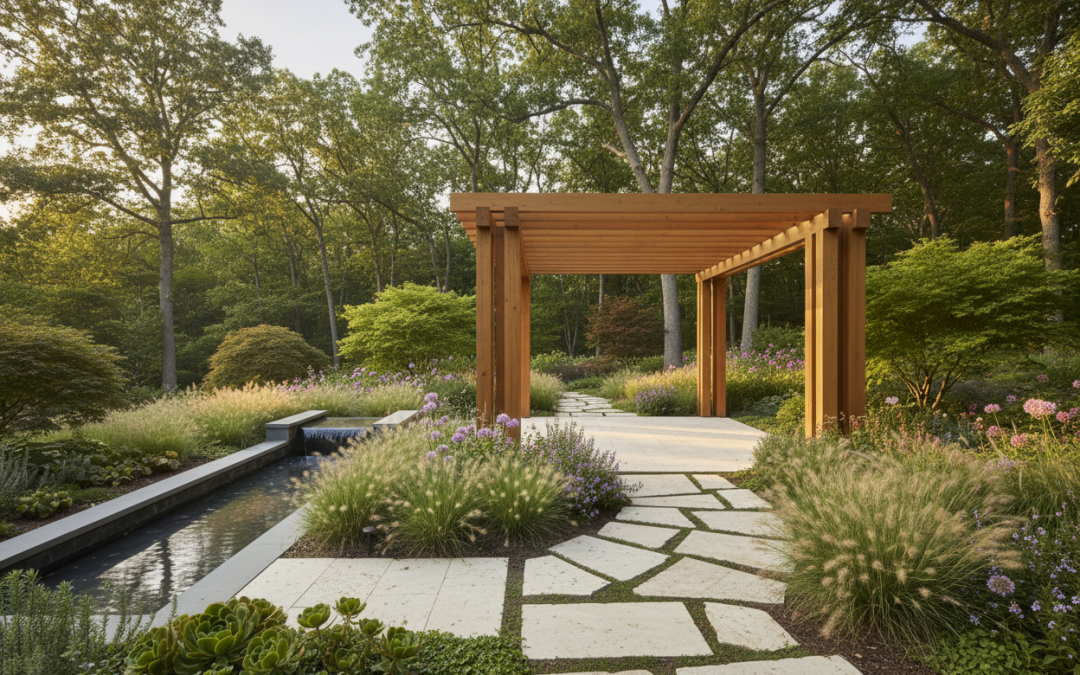
The Art of Blending Custom Pergolas with Landscape Design
Table of Contents
1. Introduction: Where Architecture Meets Nature
2. Understanding the Role of Pergolas in Landscape Design
3. Planning Your Custom Pergola Integration
4. Material Selection for Seamless Landscape Harmony
5. Strategic Placement and Positioning
6. Incorporating Plants and Greenery
7. Lighting and Ambiance Considerations
8. Seasonal Adaptability and Year-Round Appeal
9. Common Mistakes to Avoid
10. Conclusion: Creating Your Perfect Outdoor Sanctuary
11. Frequently Asked Questions
Introduction: Where Architecture Meets Nature
There’s something magical about stepping into a backyard where every element feels perfectly orchestrated, where man-made structures dance harmoniously with natural beauty. Custom pergolas represent one of the most elegant ways to achieve this balance, serving as the bridge between your home’s architecture and the living landscape that surrounds it.
I’ve witnessed countless homeowners struggle with creating outdoor spaces that feel cohesive rather than chaotic. The secret lies not in choosing between structure and nature, but in understanding how to weave them together into a unified vision. A well-designed custom pergola doesn’t just provide shade or define space—it becomes an integral part of your landscape’s story, enhancing both functionality and aesthetic appeal.
Whether you’re working with a sprawling estate or an intimate urban garden, the principles of blending pergolas with landscape design remain surprisingly consistent. It’s about creating conversation between elements, establishing rhythm and flow, and most importantly, designing spaces that feel authentically yours.
Understanding the Role of Pergolas in Landscape Design
Custom pergolas serve multiple functions within landscape architecture, acting as both focal points and supporting players in your outdoor theater. Unlike standalone structures that can feel disconnected from their surroundings, thoughtfully integrated pergolas become natural extensions of your landscape’s existing character.
The primary role of a pergola extends far beyond simple overhead coverage. These structures create what landscape designers call “outdoor rooms”—defined spaces that offer intimacy within larger garden settings. They establish vertical elements that add dimension to predominantly horizontal landscapes, creating visual interest through the interplay of light and shadow.
Consider how pergolas can frame views, directing the eye toward specific landscape features like specimen trees, water features, or distant vistas. This framing effect transforms ordinary garden elements into living artwork, elevating the overall design impact of your outdoor space.
The psychological impact shouldn’t be underestimated either. Pergolas create a sense of enclosure and protection while maintaining connection to the broader landscape. This balance between shelter and openness appeals to our fundamental human need for both security and freedom, making pergola-covered spaces naturally comfortable gathering spots.
Planning Your Custom Pergola Integration
Successful pergola integration begins long before the first post goes into the ground. The planning phase requires careful consideration of your existing landscape’s natural patterns, architectural elements, and intended use patterns. Start by spending time in your outdoor space at different times of day and seasons, observing how light moves, where natural gathering spots emerge, and how foot traffic naturally flows.
Site analysis forms the foundation of good design. Evaluate your property’s topography, drainage patterns, existing vegetation, and microclimates. A pergola positioned to take advantage of cooling summer breezes while blocking harsh winter winds will feel more naturally integrated than one that fights against environmental conditions.
Scale relationships prove critical in achieving visual harmony. Your custom pergola should feel proportionate to both your home and landscape. A massive pergola can overwhelm a small garden, while an undersized structure may appear insignificant in a grand landscape setting. Professional designers often use the golden ratio and other proportional guidelines to ensure pleasing visual relationships.
Consider the pergola’s relationship to existing hardscape elements like patios, walkways, and retaining walls. Alignment and parallel relationships create order and coherence, while strategic angles can add dynamic energy to otherwise static compositions.
Material Selection for Seamless Landscape Harmony
Material choices significantly impact how successfully your pergola integrates with the surrounding landscape. The goal isn’t necessarily perfect matching, but rather creating complementary relationships that enhance rather than compete with existing elements.
Natural materials like cedar, redwood, or reclaimed timber offer inherent compatibility with landscape settings. These materials age gracefully, developing patina that deepens their connection to the natural environment over time. The organic variations in wood grain and color create visual texture that echoes the complexity found in natural landscapes.
Stone and masonry elements can ground pergolas within their landscape context, especially when materials echo those used in existing hardscape features. Consider incorporating local stone varieties that reflect regional character, creating stronger sense of place and environmental harmony.
Metal pergolas, particularly those crafted from weathering steel or powder-coated aluminum, offer contemporary alternatives that can complement modern landscape designs. The key lies in selecting finishes and profiles that enhance rather than dominate the surrounding plantings and hardscape elements.
Mixed-material approaches often yield the most sophisticated results. Combining stone columns with timber beams, or incorporating metal accents within predominantly wooden structures, creates visual richness while maintaining overall design coherence.
Strategic Placement and Positioning
The location of your custom pergola can make or break its integration with the broader landscape design. Strategic placement considers both practical needs and aesthetic relationships, ensuring the structure enhances rather than disrupts the natural flow of your outdoor space.
Transition zones offer particularly effective pergola placement opportunities. Positioning pergolas at the intersection between different landscape areas—such as the boundary between formal and informal garden spaces, or the transition from hardscape to planted areas—creates natural connection points that feel organic and intentional.
Consider how pergola placement affects circulation patterns throughout your landscape. Well-positioned pergolas can guide movement through garden spaces, creating natural stopping points that encourage exploration and discovery. They can also redirect foot traffic away from sensitive plantings or private areas.
Elevation changes provide excellent opportunities for dramatic pergola integration. Pergolas positioned on terraces or elevated platforms gain prominence while offering enhanced views of the surrounding landscape. The vertical separation creates natural hierarchy within the garden composition.
Proximity to existing trees requires careful consideration. While mature trees can provide natural canopy complement to pergola structures, root systems and future growth patterns must be evaluated to prevent conflicts. Sometimes the most successful integrations involve designing pergolas that work around existing trees rather than competing with them.
Incorporating Plants and Greenery
The marriage between pergolas and plantings represents perhaps the most critical aspect of successful landscape integration. Climbing plants and strategic landscaping can transform a stark architectural element into a living, breathing component of your garden ecosystem.
Climbing plant selection should consider both aesthetic goals and practical maintenance requirements. Fast-growing vines like clematis or honeysuckle provide quick coverage but may require regular pruning to maintain desired form. Slower-growing options like climbing roses or grape vines offer more controlled growth patterns with seasonal interest through flowers or fruit.
Layered planting around pergola bases creates smooth transitions between structure and landscape. Combine plants of varying heights, textures, and bloom times to maintain year-round interest. Tall grasses or shrubs can soften hard edges, while groundcovers create seamless connections to adjacent planted areas.
Consider the interplay between pergola shadows and plant requirements. The filtered light created by pergola structures suits many shade-tolerant plants, creating opportunities for interesting understory plantings that might struggle in full sun locations.
Seasonal plant changes ensure your pergola integration remains dynamic throughout the year. Incorporate deciduous climbers that provide summer shade while allowing winter sun penetration. Spring bulbs planted around pergola bases create early season interest before perennial plantings fully emerge.
Lighting and Ambiance Considerations
Thoughtful lighting design extends the usability of pergola spaces while creating dramatic nighttime landscape focal points. The interplay between artificial lighting and pergola structure can transform your outdoor space into an enchanting evening destination.
Integrated lighting solutions work most effectively when planned during the initial design phase. Concealed LED strip lighting within pergola beams creates subtle ambient illumination without visible fixtures cluttering the clean architectural lines. This approach maintains the structure’s daytime aesthetic while providing functional evening lighting.
String lights offer a more casual, festive atmosphere that works particularly well with rustic or cottage-style landscape designs. The key lies in strategic placement that follows the pergola’s architectural lines rather than creating random patterns that compete with the structure’s geometry.
Uplighting from below can dramatically highlight pergola structures against the night sky, creating striking silhouettes that serve as landscape focal points. This technique works especially well when combined with climbing plants, creating interplay between architectural form and organic texture.
Consider how pergola lighting interacts with broader landscape lighting schemes. Consistent color temperatures and lighting levels create cohesive nighttime experiences, while strategic contrast can highlight specific areas or features within the larger composition.
Seasonal Adaptability and Year-Round Appeal
Successful pergola integration considers how the structure and its surroundings will appear and function throughout the changing seasons. This long-term perspective ensures your investment remains valuable and attractive regardless of weather conditions or plant dormancy periods.
Winter interest becomes particularly important in climates with extended dormant seasons. Pergola structures with attractive architectural details maintain visual appeal even when climbing plants lose their foliage. Consider incorporating evergreen elements or winter-flowering plants to provide color during the bleakest months.
Seasonal maintenance requirements should influence both design decisions and plant selections. Pergolas designed for easy access and cleaning will maintain their integration with the landscape more effectively over time. Similarly, plant choices that don’t require extensive seasonal pruning or cleanup will preserve the intended design relationships.
Weather protection considerations affect both pergola longevity and user comfort. Incorporating elements like retractable canopies or strategic windscreens can extend the usable season while maintaining the structure’s landscape integration during periods when these features aren’t needed.
Seasonal decoration opportunities allow for dynamic changes that keep pergola spaces feeling fresh and relevant throughout the year. Built-in features like hooks for hanging baskets or integrated planters for seasonal displays provide flexibility without compromising the overall design integrity.
Common Mistakes to Avoid
Learning from others’ missteps can save both time and money while ensuring your pergola integration achieves its full potential. Several recurring mistakes appear frequently in pergola projects, most stemming from inadequate planning or misunderstanding of design principles.
Ignoring scale relationships represents perhaps the most common error. Pergolas that are too large overwhelm their surroundings, while undersized structures appear insignificant and fail to create meaningful impact. Always consider the pergola in relationship to both immediate surroundings and distant views.
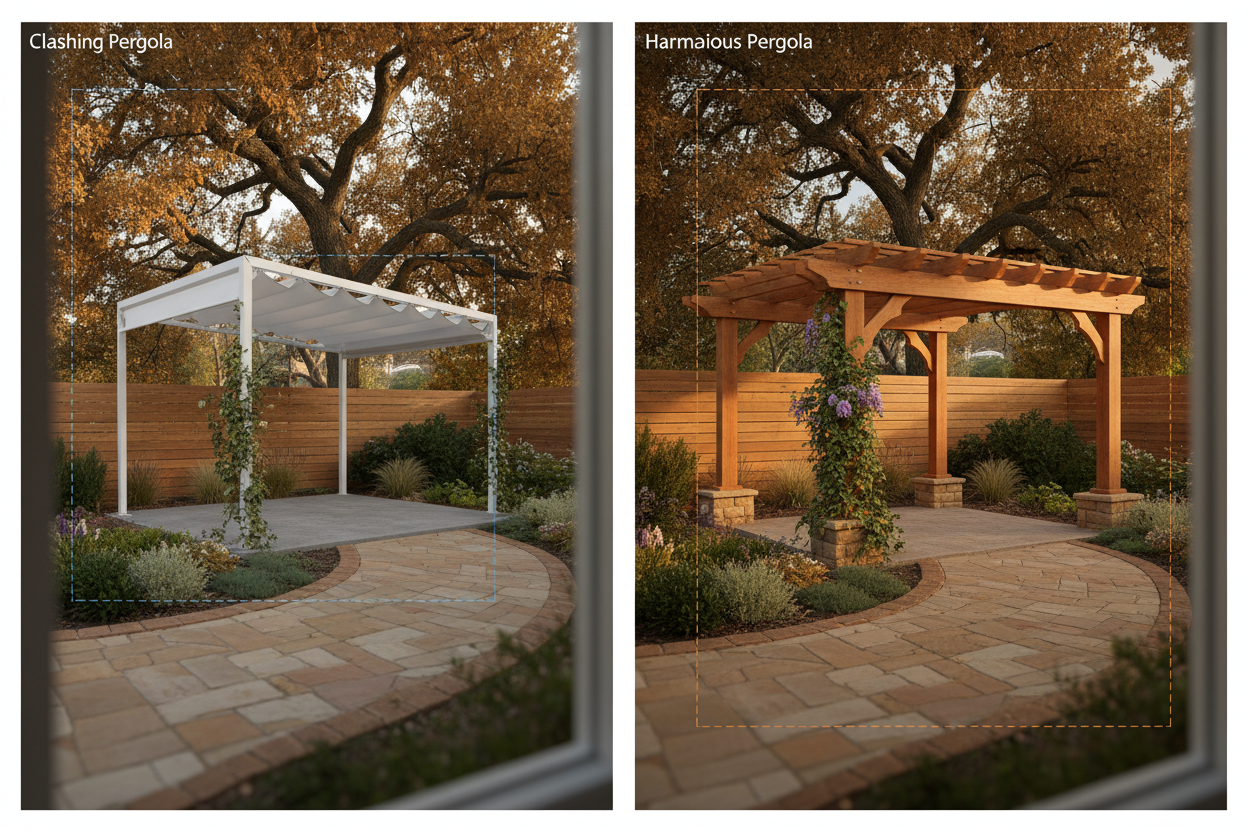
Poor material choices can create jarring contrasts that never resolve into harmonious relationships. Avoid materials that clash with existing architectural elements or appear inappropriate for your regional climate and landscape character. When in doubt, err toward natural materials that will age gracefully.
Inadequate foundation planning leads to structural problems that compromise both safety and aesthetic appeal. Proper footings and drainage considerations ensure your pergola remains stable and attractive for decades. Cutting corners on structural elements often results in costly repairs and potential safety hazards.
Neglecting future growth patterns of both plants and trees can create maintenance headaches or force difficult removal decisions later. Research mature sizes and growth rates of all plant materials, planning for their eventual scale rather than their nursery size.
Failing to consider utility locations can result in pergolas that interfere with irrigation systems, electrical lines, or other infrastructure. Always verify utility locations before finalizing pergola placement to avoid expensive conflicts or compromised functionality.
Conclusion: Creating Your Perfect Outdoor Sanctuary
The art of blending custom pergolas with landscape design ultimately comes down to understanding that the best outdoor spaces feel effortless and natural, even when they require considerable planning and expertise to achieve. Your pergola should enhance your landscape’s existing character while adding new layers of functionality and beauty.
Remember that successful integration is a process rather than a single moment of completion. As plants mature and your needs evolve, your pergola space will continue developing its own unique character. Embrace this evolution as part of the design’s natural progression rather than fighting against change.
The investment in thoughtful pergola integration pays dividends far beyond the initial construction cost. Well-designed outdoor spaces increase property values, provide years of enjoyment, and create lasting memories for family and friends. They become extensions of your home’s living space, blurring the boundaries between indoor and outdoor life.
Take time to observe and appreciate outdoor spaces that inspire you, whether in public gardens, magazines, or neighbors’ yards. Understanding what appeals to you will inform your own design decisions and help communicate your vision to design professionals.
Most importantly, trust your instincts while remaining open to professional guidance. The best pergola integrations reflect their owners’ personalities and lifestyles while adhering to sound design principles. Your outdoor sanctuary should feel authentically yours while contributing positively to the broader landscape composition.
Frequently Asked Questions
How far should a pergola be from the house?
The ideal distance depends on your specific situation, but generally, pergolas should be positioned 8-12 feet from the house to create distinct outdoor rooms while maintaining visual connection. This spacing allows for adequate circulation and prevents the pergola from overwhelming the house’s architecture.
What climbing plants work best for pergolas in different climates?
Climate considerations are crucial for plant selection. In temperate zones, clematis, climbing roses, and grape vines perform well. Warmer climates can support bougainvillea, jasmine, and passion vines. Cold climates benefit from hardy options like Virginia creeper or climbing hydrangeas. Always choose plants rated for your specific hardiness zone.
How do I ensure my pergola complements rather than clashes with existing landscape features?
Focus on creating relationships rather than exact matches. Use similar materials, colors, or proportions found elsewhere in your landscape. Consider sight lines and how the pergola will appear from different vantage points. Professional landscape designers can help identify these relationships and ensure harmonious integration.
What’s the typical timeline for pergola construction and landscape integration?
Pergola construction typically takes 1-3 weeks depending on complexity and weather conditions. However, full landscape integration, including plant establishment and maturation, can take 2-3 growing seasons. Plan for this timeline when setting expectations and budget for ongoing maintenance during the establishment period.
How much maintenance does an integrated pergola and landscape design require?
Maintenance requirements vary significantly based on materials and plant choices. Wood pergolas may need annual staining or sealing, while metal structures require minimal upkeep. Climbing plants typically need pruning 1-2 times per year. Overall, expect seasonal maintenance tasks similar to other landscape features, with the reward of a beautiful, functional outdoor space.

McKinney TX covered patio contractors near me | Keathley Landscaping

Parker TX custom patio cover builders | Keathley Landscaping

Rowlett TX pergola companies near me | Keathley Landscaping

Lavon TX custom patio covers | Keathley Landscaping

Lake Highlands Dallas TX pergola builders | Keathley Landscaping

Lucas TX luxury custom pergolas | Keathley Landscaping

Lowry Crossing TX custom patio cover builders | Keathley Landscaping

Rockwall TX covered patio contractors near me | Keathley Landscaping

Richardson TX pergola companies near me | Keathley Landscaping

Lucas TX outdoor living space contractors | Keathley Landscaping

Lavon TX outdoor living space contractors | Keathley Landscaping

Lowry Crossing TX custom wood pergola | Keathley Landscaping

Allen TX custom patio cover builders | Keathley Landscaping

Plano TX covered patio contractors near me | Keathley Landscaping

Allen TX custom wood pergola | Keathley Landscaping

Murphy TX luxury custom pergolas | Keathley Landscaping

Frisco TX pergolas | Keathley Landscaping

Sachse TX outdoor living contractor | Keathley Landscaping

Plano TX custom pergolas | Keathley Landscaping

McKinney TX pergola builders | Keathley Landscaping

Rowlett TX covered patios | Keathley Landscaping

Frisco TX custom pergolas | Keathley Landscaping

Preston Hollow Dallas TX custom wood pergola | Keathley Landscaping

Sachse TX custom pergolas | Keathley Landscaping

Lowry Crossing TX custom patio covers | Keathley Landscaping

Murphy TX custom pergolas | Keathley Landscaping

Rowlett TX pergola builders | Keathley Landscaping

Lucas TX custom patio covers | Keathley Landscaping

sod installation company near me Rose Hill Texas

lawn sod installation near me Dallas Texas

installation of sod cost Mobile City Texas

price of sod installation Richardson Texas

sod lawn installation Dallas Texas

sod installation companies Lowry Crossing Texas

grass installation Rose Hill Texas

sod installation service Rose Hill Texas

sod installation near me Sachse Texas

sod installation company near me Plano Texas

cost for sod installation Lucas Texas

new sod installation Wylie Texas

lawn sod installation near me Lucas Texas

cost for sod installation Preston Hollow Dallas Texas

residential sod installation Lake Highlands Dallas Texas

price for sod installation Murphy Texas

sod installation cost Lowry Crossing Texas

installation of sod cost McKinney Texas

grass contractor Lakewood Dallas Texas

sod contractors McKinney Texas

price for sod installation Rose Hill Texas

installation of sod cost Rockwall Texas

sod installation near me McKinney Texas

residential sod installation Preston Hollow Dallas Texas

sod installation near me Lucas Texas

cost of sod and installation Lowry Crossing Texas

sod contractors Lowry Crossing Texas

sod installation company Rockwall Texas

drainage solutions near me Lavon Texas

drainage company Lucas Texas

drainage company Dallas Texas

drain cleaning Rockwall Texas

drainage solutions near me Fairview Texas

drain cleaning Plano Texas

channel drain cleaning Lowry Crossing Texas

channel drain cleaning Lake Highlands Dallas Texas

drain cleaning Lavon Texas

landscape drainage Lake Highlands Dallas Texas

drainage company Lake Highlands Dallas Texas

drain cleaning company near me Rowlett Texas

drain cleaning Sachse Texas

yard drainage Wylie Texas

drain cleaning Wylie Texas

landscape drainage contractor near me Garland Texas

drainage company Garland Texas

drainage company Murphy Texas

drainage specialist near me Sachse Texas

drain contractor Richardson Texas

drain contractor McKinney Texas

yard drainage McKinney Texas

yard drainage contractors near me Murphy Texas

drainage company Preston Hollow Dallas Texas

landscape drain Plano Texas

drain cleaning company near me Fate Texas

landscape drain McKinney Texas

Recent Comments