
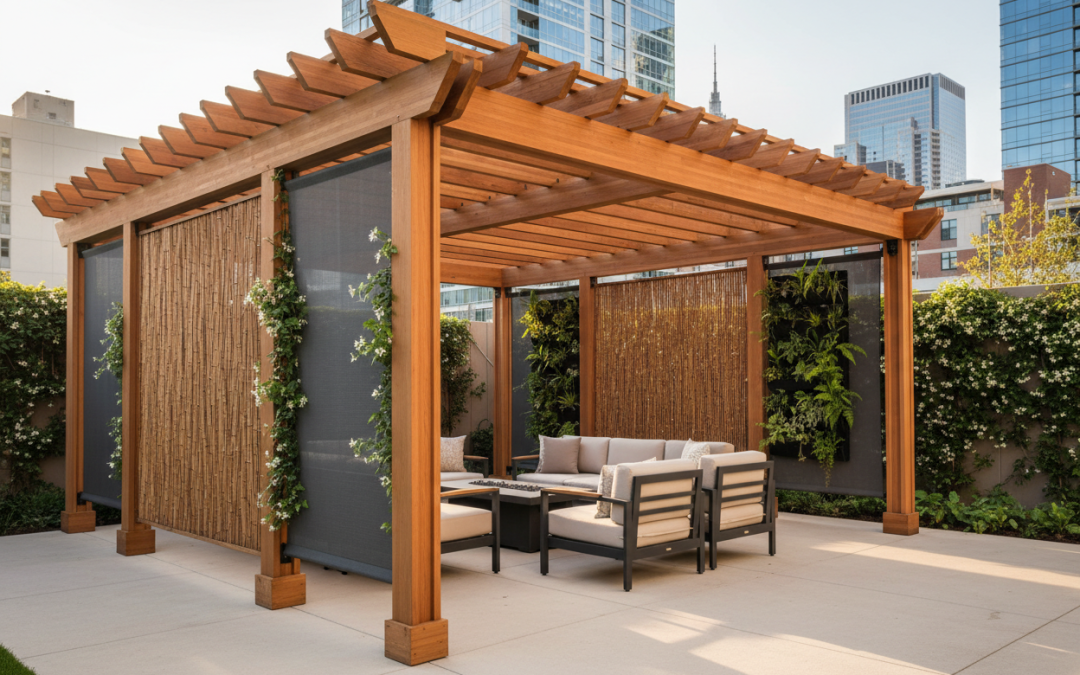
Custom Pergola Privacy Solutions for Urban Backyards: Transform Your Outdoor Space
Table of Contents
1. Introduction to Urban Backyard Privacy Challenges
2. Why Custom Pergolas Are Perfect for Urban Privacy
3. Top Privacy Features for Urban Pergola Designs
4. Material Choices for Maximum Privacy and Durability
5. Design Ideas for Small Urban Spaces
6. Installation Considerations for City Properties
7. Maintenance Tips for Urban Pergola Privacy Solutions
8. Budget-Friendly Custom Privacy Options
9. Frequently Asked Questions
10. Conclusion
Introduction to Urban Backyard Privacy Challenges
Living in the city comes with incredible perks – walkable neighborhoods, cultural attractions, and that unmistakable urban energy. But let’s be honest: when you step into your backyard, the last thing you want is to feel like you’re performing on stage for your neighbors. Urban backyards face unique privacy challenges that suburban homeowners rarely encounter.
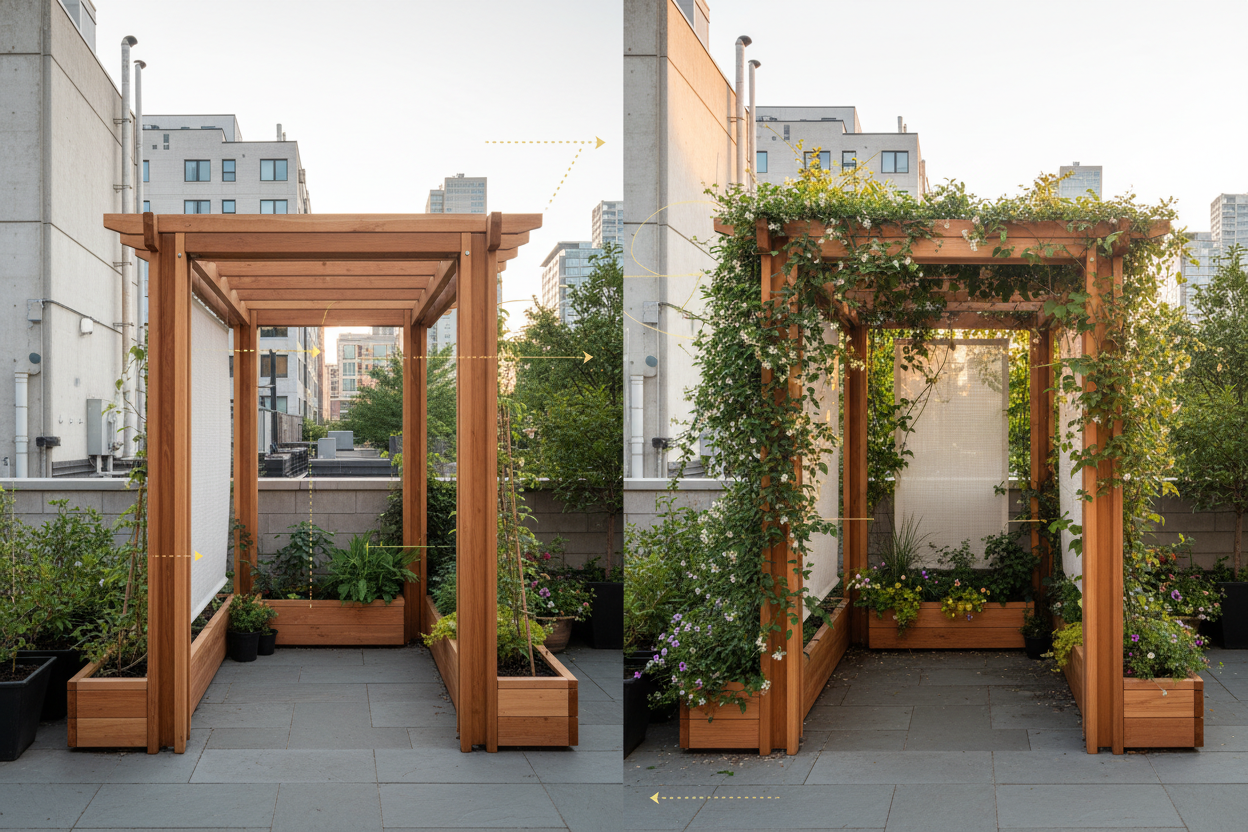
Picture this: you’re trying to enjoy your morning coffee in peace, but you can see directly into three different kitchen windows. Your kids want to play outside, but every apartment balcony overlooks your space. Sound familiar? You’re not alone in this struggle.
The good news is that custom pergola privacy solutions offer an elegant answer to these urban dilemmas. Unlike generic privacy screens or towering fences that can make small spaces feel claustrophobic, a well-designed pergola creates intimate outdoor rooms while maintaining an open, airy atmosphere. These structures don’t just block unwanted views – they transform your backyard into a genuine retreat from city life.
Why Custom Pergolas Are Perfect for Urban Privacy
Custom pergolas excel in urban environments because they’re incredibly versatile. While a standard fence creates a hard barrier, pergolas offer what I like to call “selective privacy.” You can design them to block specific sightlines while preserving pleasant views and natural light.
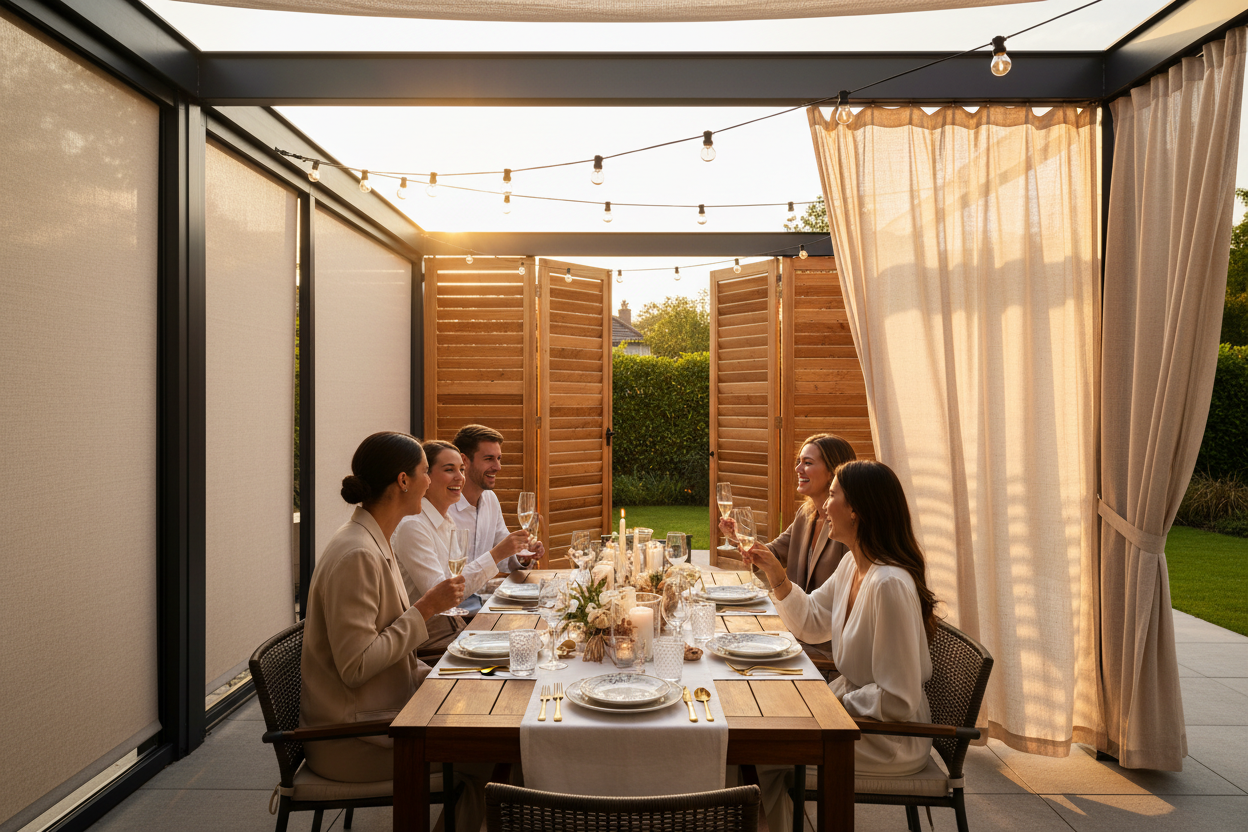
The beauty of going custom lies in the tailored approach. Every urban backyard has its own personality, challenges, and opportunities. Maybe you need to screen out a neighbor’s second-story window without blocking morning sunlight. Perhaps you want to create multiple privacy zones for different activities – a quiet reading nook here, an entertainment area there.
Custom pergolas also work within urban building codes and HOA restrictions better than many alternatives. They’re typically considered temporary structures, which means less red tape and more flexibility in design. Plus, they add significant value to your property while solving practical privacy problems.
Another advantage is their adaptability over time. As neighboring properties change or your privacy needs evolve, you can modify pergola elements like screens, curtains, or plantings without major reconstruction.
Top Privacy Features for Urban Pergola Designs
When designing your custom pergola privacy solution, several key features can dramatically enhance your outdoor privacy without sacrificing style or functionality.
Adjustable privacy panels rank among the most popular features I recommend to clients. These can be sliding screens, retractable curtains, or hinged panels that you can position based on sun angle, wind direction, or privacy needs throughout the day. Imagine hosting a dinner party and being able to create an intimate atmosphere with a simple adjustment.
Vertical privacy screens integrated into the pergola structure offer permanent solutions for persistent privacy issues. These might be decorative metal panels, slatted wood screens, or even living walls with climbing plants. The key is choosing designs that complement your home’s architecture while effectively blocking unwanted sightlines.
Multi-level privacy creates different zones within your outdoor space. You might have lower screens around a seating area for intimate conversations, while keeping upper areas open for airflow and light. This layered approach feels more natural and less fortress-like than uniform screening.
Overhead coverage options include retractable canopies, fixed louvers, or pergola roofing that provides privacy from above – crucial in urban areas with multi-story buildings surrounding your space. Some clients opt for smart pergola systems with motorized louvers that adjust automatically based on weather and time of day.
Material Choices for Maximum Privacy and Durability
Selecting the right materials for your urban pergola privacy solution involves balancing aesthetics, functionality, and longevity. Urban environments present unique challenges – air pollution, limited maintenance access, and often harsh weather conditions reflected off surrounding buildings.
For the main pergola structure, aluminum stands out as an excellent choice for urban applications. It resists corrosion, requires minimal maintenance, and can support various privacy features without sagging or warping. Modern aluminum pergolas can mimic wood grain or other finishes, so you don’t sacrifice style for durability.
Cedar remains a classic choice for those preferring natural materials. It naturally resists insects and decay, ages beautifully, and provides excellent privacy when used in slatted screens or panels. However, urban cedar installations need regular maintenance to combat city pollutants.
For privacy screens specifically, consider weather-resistant fabrics, composite materials, or powder-coated metals. Outdoor fabrics have come a long way – today’s options resist fading, mildew, and tearing while providing excellent privacy and wind resistance.
Tempered glass panels offer a modern solution that provides wind protection while maintaining visual openness. Frosted or tinted glass can block views while still allowing light transmission. Though more expensive initially, glass panels require minimal maintenance and never need replacement due to weather damage.
Design Ideas for Small Urban Spaces
Small urban backyards require creative pergola privacy solutions that maximize functionality without overwhelming the space. The goal is creating the illusion of spaciousness while achieving meaningful privacy.
Corner pergolas work exceptionally well in compact urban yards. By positioning your pergola in a corner, you can use existing walls or fences as part of the structure, reducing costs while creating a cozy, protected space. Add privacy screens on the open sides, and you’ve created a perfect outdoor room.
Floating pergolas – structures that don’t touch the ground on all sides – can create privacy zones without physically dividing your space. These might cantilever from a wall or be supported by strategically placed posts, leaving floor space open for multiple uses.
Vertical gardens integrated into pergola privacy screens serve double duty in small spaces. Living walls provide excellent privacy, improve air quality, and add natural beauty without consuming precious floor space. Choose climbing plants that thrive in your urban microclimate.
Multi-functional pergola designs incorporate storage, lighting, and even outdoor kitchens into the privacy structure. Built-in benches with storage underneath, integrated planters, and hidden utility connections make every square foot count in urban installations.
Installation Considerations for City Properties
Urban pergola installation presents unique challenges that suburban projects rarely encounter. Access limitations top the list – many city properties have narrow side yards, limited street parking for delivery trucks, and restrictions on construction hours.
Before beginning any pergola project, research local building codes and permit requirements. Many cities have specific regulations about structure height, setbacks from property lines, and materials near shared walls. Some areas require engineering stamps for structures over certain sizes.
Underground utilities pose another urban challenge. Call 811 before any digging, and consider that city properties often have more complex utility runs than suburban lots. Sometimes, creative foundation solutions like surface-mounted post bases become necessary.
Neighbor relations matter more in dense urban areas. Discuss your pergola privacy plans with adjacent property owners, especially if your structure might affect their light or views. Good communication upfront prevents conflicts later.
Delivery and staging logistics require careful planning. Coordinate material deliveries for times when street access is available, and have a plan for storing materials securely in urban environments where theft can be a concern.
Maintenance Tips for Urban Pergola Privacy Solutions
Urban pergolas face more environmental stress than their suburban counterparts, making proper maintenance crucial for longevity and continued privacy effectiveness.
Regular cleaning becomes essential in city environments. Air pollution, dust from construction projects, and residue from nearby traffic all accumulate on pergola surfaces. Establish a seasonal cleaning routine that includes washing privacy screens, checking hardware for corrosion, and clearing debris from drainage areas.
Privacy screen maintenance varies by material type. Fabric screens may need annual waterproofing treatments and should be removed during severe weather to prevent damage. Metal screens benefit from periodic touch-up painting to prevent rust, especially in coastal urban areas.
Plant maintenance for living privacy solutions requires urban-specific care. City plants face unique stresses from reflected heat, limited water, and air pollution. Choose hardy species and establish regular watering and fertilizing schedules that account for urban growing conditions.
Hardware inspection should happen twice yearly. Urban temperature fluctuations, vibrations from nearby traffic, and settling in dense soil can loosen connections over time. Tighten bolts, lubricate moving parts, and replace worn components before they fail.
Budget-Friendly Custom Privacy Options
Creating effective pergola privacy solutions doesn’t require breaking the bank, even with custom designs. Smart material choices and phased installation can make urban privacy upgrades accessible to most homeowners.
DIY-friendly privacy additions can significantly reduce costs. Simple curtain systems, bamboo screening, or fabric panels can be installed by handy homeowners. Focus professional installation on structural elements while handling decorative privacy features yourself.
Phased installation allows you to spread costs over time while immediately improving privacy. Start with basic pergola structure and essential privacy screens, then add features like motorized elements, upgraded materials, or integrated lighting in later phases.
Material substitutions can achieve similar looks for less money. Composite materials that mimic expensive hardwoods, aluminum that looks like steel, or high-quality outdoor fabrics instead of custom metalwork can dramatically reduce project costs.
Repurposing and upcycling fits perfectly with urban sustainability values while saving money. Reclaimed wood, architectural salvage, or repurposed materials can create unique privacy features with character that new materials can’t match.
Frequently Asked Questions
How much privacy can a pergola actually provide?
A well-designed custom pergola can provide 80-90% visual privacy when equipped with appropriate screens, curtains, or plantings. The level of privacy depends on screen density, height, and positioning relative to neighboring sightlines.
Do I need permits for a custom pergola in the city?
Permit requirements vary by municipality, but many cities require permits for permanent structures over certain sizes (typically 120-200 square feet). Temporary or freestanding pergolas under size thresholds often don’t require permits, but always check local codes.
How do custom pergolas handle urban wind conditions?
Urban wind patterns can be complex due to building wind tunnels. Custom pergolas address this through engineered foundations, wind-resistant materials, and adjustable privacy screens that can be secured or removed during severe weather.
What’s the typical lifespan of urban pergola privacy features?
Quality pergola structures last 15-25 years with proper maintenance. Privacy screens vary: fabric elements may need replacement every 5-7 years, while metal or composite screens can last as long as the main structure.
Can pergola privacy solutions work in rental properties?
Yes, with landlord permission. Focus on temporary or easily removable solutions like freestanding screens, container gardens, or tension-mounted curtain systems that don’t require permanent modifications to the property.
How do I choose privacy solutions that won’t make my small yard feel cramped?
Use selective screening rather than full enclosure, choose materials with visual lightness (like slatted screens vs. solid panels), incorporate vertical elements, and maintain sight lines to the most attractive views while blocking problematic ones.
Conclusion
Custom pergola privacy solutions offer urban homeowners the perfect balance of functionality, style, and adaptability for creating private outdoor sanctuaries. Unlike one-size-fits-all privacy solutions, custom pergolas can address the specific challenges of your urban backyard while enhancing rather than overwhelming your outdoor space.
The investment in a well-designed pergola privacy system pays dividends in daily enjoyment, property value, and quality of life. Whether you’re looking to create an intimate dining area, a peaceful reading nook, or simply want to enjoy your morning coffee without feeling exposed, the right pergola design can transform your urban backyard into the private retreat you’ve been dreaming of.
Remember that the best pergola privacy solution is one that grows with your needs and adapts to changing circumstances. Start with a solid structural foundation and quality materials, then customize privacy features to match your lifestyle, budget, and aesthetic preferences. With thoughtful planning and professional guidance when needed, your urban backyard can become a true oasis in the heart of the city.

Lavon TX custom patio cover builders | Keathley Landscaping

Dallas TX custom patio cover cost | Keathley Landscaping

McKinney TX custom patio cover cost | Keathley Landscaping

Garland TX covered patios | Keathley Landscaping

Rockwall TX custom pergolas | Keathley Landscaping

Preston Hollow Dallas TX pergolas | Keathley Landscaping

Rowlett TX custom wood pergola | Keathley Landscaping

Preston Hollow Dallas TX custom patio cover builders | Keathley Landscaping

Lakewood Dallas TX custom wood pergola | Keathley Landscaping

Sachse TX custom patio covers | Keathley Landscaping

Lake Highlands Dallas TX covered patio contractors near me | Keathley Landscaping

Rockwall TX covered patios | Keathley Landscaping

Plano TX outdoor living contractor | Keathley Landscaping

Fate TX custom patio covers | Keathley Landscaping

Fairview TX custom pergolas | Keathley Landscaping

Richardson TX custom patio covers | Keathley Landscaping

Lakewood Dallas TX covered patios | Keathley Landscaping

Allen TX covered patios | Keathley Landscaping

Murphy TX pergola companies near me | Keathley Landscaping

McKinney TX covered patios | Keathley Landscaping

Richardson TX pergolas | Keathley Landscaping

Lakewood Dallas TX outdoor living space contractors | Keathley Landscaping

Wylie TX luxury custom pergolas | Keathley Landscaping

Fairview TX pergolas | Keathley Landscaping

Wylie TX outdoor living contractor | Keathley Landscaping

Lowry Crossing TX pergola builders | Keathley Landscaping

McKinney TX custom wood pergola | Keathley Landscaping

Murphy TX pergola builders | Keathley Landscaping

sod company Fate Texas

sod installation near me Fate Texas

lawn sod installation Fate Texas

sod grass installation Lucas Texas

lawn sod installation Fairview Texas

grass installation Rowlett Texas

sod installation companies near me McKinney Texas

lawn sod installation Lake Highlands Dallas Texas

cost for sod installation Allen Texas

sod contractors Fate Texas

residential sod installation Lucas Texas

cost for sod installation Rockwall Texas

sod installation near me Wylie Texas

sod lawn installation Mobile City Texas

sod installation company Wylie Texas

sod installation cost Parker Texas

grass installation Lucas Texas

sod grass installation Plano Texas

grass contractor Lavon Texas

sod installation company near me Parker Texas

grass contractor Rowlett Texas

price for sod installation Preston Hollow Dallas Texas

sod installation companies near me Highland Park Texas

sod installation companies near me Lowry Crossing Texas

residential sod installation Lake Highlands Dallas Texas

sod installation service Rowlett Texas

sod grass installation Highland Park Texas

price of sod installation Fairview Texas

drainage company Wylie Texas

drainage company near me Lowry Crossing Texas

drain Rockwall Texas

drain Lucas Texas

drain cleaning company near me Plano Texas

drainage company near me Fate Texas

landscape drainage contractor near me Mobile City Texas

drainage company Preston Hollow Dallas Texas

drainage contractors near me McKinney Texas

landscape drainage Rockwall Texas

drainage company Highland Park Texas

yard drainage contractors near me Allen Texas

yard drainage specialist near me Frisco Texas

channel drain cleaning Lake Highlands Dallas Texas

drainage company Murphy Texas

drainage Parker Texas

drainage contractors near me Lowry Crossing Texas

landscape drainage Preston Hollow Dallas Texas

outdoor drain repair Rowlett Texas

yard drainage contractors near me Plano Texas

yard drainage specialist near me Rowlett Texas

drain cleaning Lakewood Dallas Texas

landscape drainage contractor near me Highland Park Texas

yard drainage specialist near me Highland Park Texas

landscape drainage contractor near me Lowry Crossing Texas

drainage contractors near me Sachse Texas

drainage specialist near me Sachse Texas

Recent Comments