
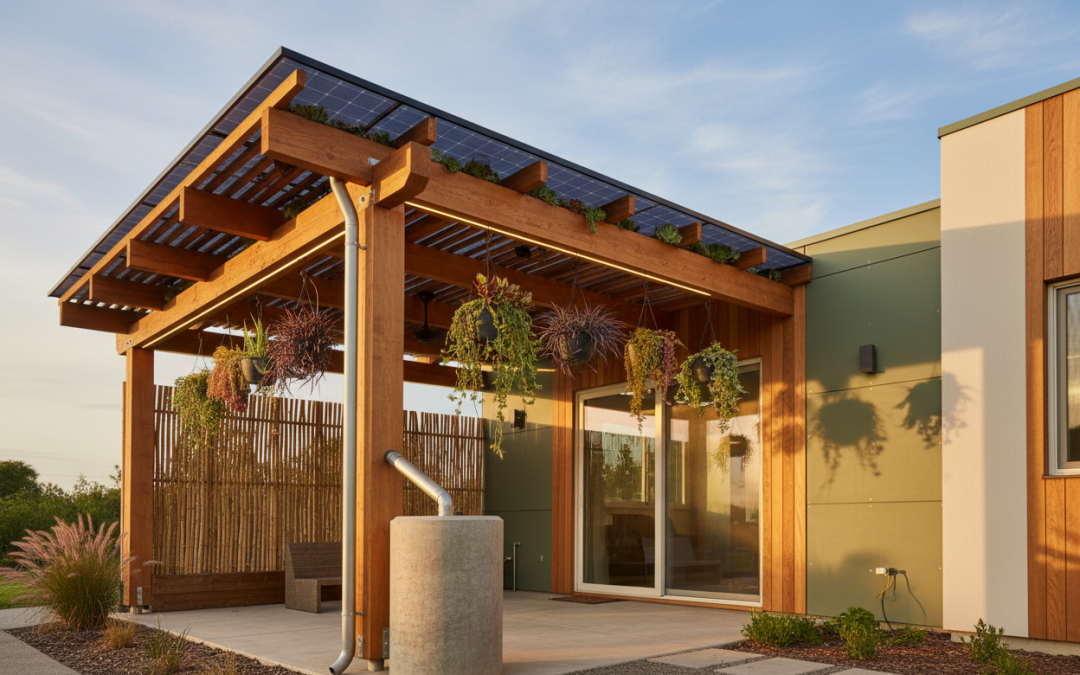
The Role of Custom Patio Covers in Sustainable Home Design
Table of Contents
1. Introduction to Sustainable Patio Design
2. Understanding Custom Patio Covers and Sustainability
3. Energy Efficiency Benefits of Custom Patio Covers
4. Sustainable Materials for Eco-Friendly Patio Covers
5. Water Management and Environmental Protection
6. Extending Outdoor Living Spaces Sustainably
7. Long-Term Cost Benefits and ROI
8. Design Integration with Green Building Practices
9. Maintenance and Longevity Considerations
10. Conclusion
11. Frequently Asked Questions
Introduction to Sustainable Patio Design
When I first started exploring sustainable home design, I never imagined that something as simple as a patio cover could make such a significant environmental impact. Yet here we are, in an era where every design decision matters for our planet’s future. Custom patio covers have emerged as unsung heroes in the sustainable home movement, offering far more than just shade and weather protection.
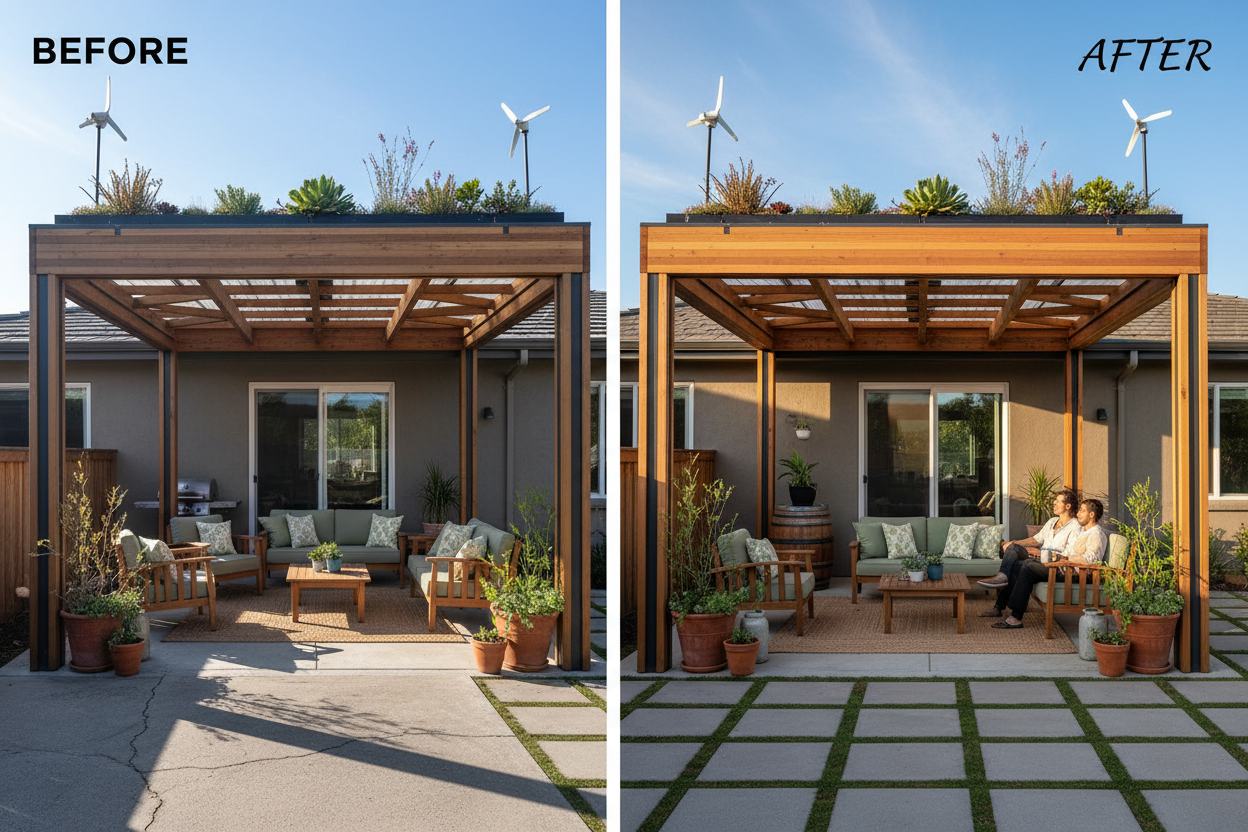
Sustainable home design isn’t just a trendy buzzword – it’s a necessity that’s reshaping how we think about outdoor living spaces. As homeowners become increasingly conscious of their environmental footprint, the integration of eco-friendly elements into every aspect of home design has become paramount. Custom patio covers represent a perfect intersection where functionality meets environmental responsibility, creating spaces that serve both human comfort and planetary health.
The beauty of incorporating sustainable patio covers lies in their dual nature: they enhance your quality of life while contributing to broader environmental goals. Whether you’re a seasoned environmental advocate or just beginning your journey toward greener living, understanding how custom patio covers fit into sustainable home design can transform your outdoor space into an eco-friendly haven.
Understanding Custom Patio Covers and Sustainability
Custom patio covers in sustainable design go beyond traditional awnings or basic overhead structures. They’re thoughtfully engineered systems that work in harmony with your home’s existing architecture while minimizing environmental impact. These structures serve as multifunctional elements that address climate control, energy consumption, and resource conservation simultaneously.
The sustainability aspect of custom patio covers begins with their design philosophy. Unlike mass-produced alternatives, custom solutions are tailored to your specific climate, orientation, and environmental conditions. This precision approach means every square foot serves a purpose, eliminating waste and maximizing efficiency. When properly designed, these covers become integral components of your home’s overall energy management system.
What sets sustainable patio covers apart is their consideration of the entire lifecycle – from material sourcing and manufacturing to installation, use, and eventual disposal or recycling. This holistic approach ensures that the environmental benefits compound over time, making them investments in both your home’s value and the planet’s well-being.
Energy Efficiency Benefits of Custom Patio Covers
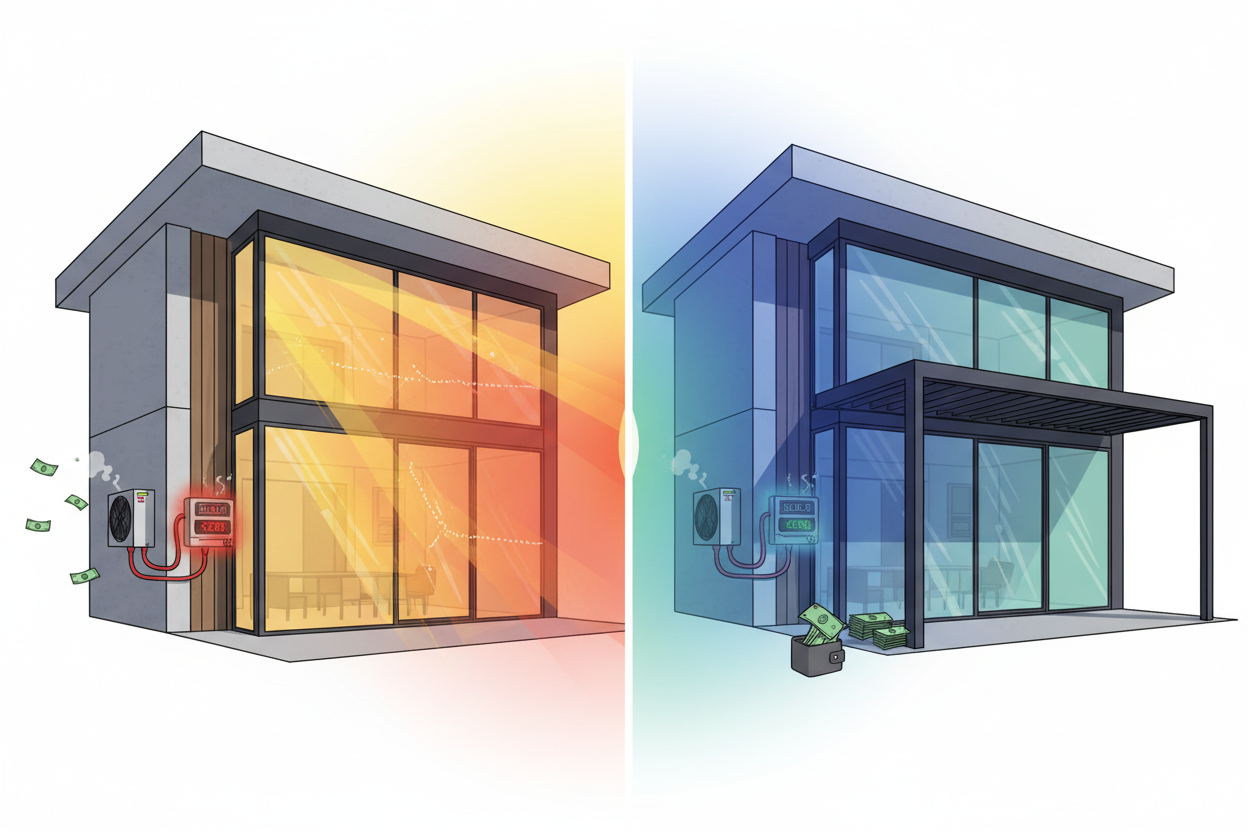
The energy efficiency gains from well-designed patio covers can be remarkable. I’ve seen homeowners reduce their cooling costs by 20-30% simply by installing strategically positioned covers that block intense summer sun while allowing winter warmth to penetrate deeper into their homes. This passive solar design principle has been used for centuries, but modern custom covers take it to new levels of sophistication.
During peak summer months, patio covers create crucial shade that prevents solar heat gain through windows and sliding doors. This reduction in heat transfer means your air conditioning system doesn’t have to work as hard, leading to lower energy consumption and reduced greenhouse gas emissions. The ripple effect extends beyond your utility bill – it contributes to decreased demand on the electrical grid during peak hours.
Custom patio covers can also be designed with seasonal adjustability in mind. Retractable elements, adjustable louvers, or removable panels allow homeowners to optimize their covers for different weather conditions throughout the year. This adaptability ensures maximum energy efficiency regardless of the season, making them year-round contributors to your home’s sustainable performance.
The thermal comfort created by these covers extends your usable outdoor space, reducing the need to cool or heat indoor areas for entertainment and relaxation. When you can comfortably spend time outdoors under a well-designed cover, you’re naturally reducing your indoor energy consumption while enjoying a higher quality of life.
Sustainable Materials for Eco-Friendly Patio Covers
The material selection for sustainable patio covers opens up a world of environmentally conscious possibilities. Reclaimed wood has become increasingly popular, offering character and environmental benefits by giving new life to materials that might otherwise end up in landfills. Each piece of reclaimed lumber tells a story while reducing the demand for newly harvested timber.
Recycled aluminum represents another excellent choice for sustainable patio cover construction. Aluminum’s infinite recyclability means today’s patio cover could become tomorrow’s building material without any loss in quality. The lightweight nature of aluminum also reduces transportation emissions and structural load requirements, creating efficiency gains throughout the construction process.
Bamboo has emerged as a game-changing material for sustainable patio covers. As one of the fastest-growing plants on Earth, bamboo can be harvested without killing the plant, making it incredibly renewable. Its natural strength and flexibility make it ideal for creative patio cover designs that blend seamlessly with garden environments.
Composite materials made from recycled plastics and wood fibers offer durability and low maintenance requirements that extend the lifespan of patio covers. While the initial environmental cost of processing these materials exists, their longevity and resistance to weathering mean fewer replacements over time, ultimately reducing long-term environmental impact.
Solar-integrated materials represent the cutting edge of sustainable patio cover design. Photovoltaic panels can be seamlessly integrated into cover structures, turning your shade solution into an energy generation system. This dual functionality maximizes the environmental benefits while potentially offsetting the cover’s initial carbon footprint through clean energy production.
Water Management and Environmental Protection
Custom patio covers play a crucial role in sustainable water management, an often-overlooked aspect of their environmental benefits. Properly designed covers can channel rainwater into collection systems, reducing runoff and providing a valuable resource for landscape irrigation. This integration turns what might be wasted precipitation into a sustainable water source for your garden.
The protection that patio covers provide extends beyond human comfort to environmental preservation. By shielding outdoor furniture, equipment, and surfaces from harsh weather conditions, these covers reduce the need for frequent replacements and chemical treatments. This protection translates to fewer resources consumed over time and reduced chemical runoff into local water systems.
Erosion control is another environmental benefit of well-positioned patio covers. By managing how rainwater hits and flows around your outdoor spaces, these structures can prevent soil erosion and protect local waterways from sediment pollution. This consideration becomes particularly important in areas with steep terrain or sensitive ecosystems nearby.
The microclimate created by patio covers can also support more sustainable landscaping practices. The partial shade and wind protection they provide can create conditions where native plants thrive with less water and maintenance, supporting local biodiversity while reducing resource consumption.
Extending Outdoor Living Spaces Sustainably
One of the most significant sustainability benefits of custom patio covers lies in their ability to extend usable outdoor living space. When you can comfortably use outdoor areas for more months of the year, you’re effectively increasing your home’s functional square footage without the environmental cost of interior construction and climate control.
This expanded outdoor living reduces pressure on indoor spaces, allowing for more efficient use of existing structures rather than requiring additions or expansions. The environmental savings from avoiding new construction – including materials, labor, and ongoing energy consumption – can be substantial. It’s remarkable how a relatively simple addition can prevent the need for much more resource-intensive projects.
Custom patio covers enable outdoor cooking and dining throughout more of the year, reducing reliance on indoor kitchen appliances and ventilation systems. Outdoor cooking typically uses less energy and creates less heat inside your home, contributing to overall energy efficiency. The social benefits of extended outdoor living also promote community connections and reduced reliance on energy-intensive entertainment options.
The psychological benefits of increased outdoor time shouldn’t be underestimated in the sustainability equation. When people feel more connected to their outdoor spaces and natural environment, they often become more conscious of their environmental impact and more motivated to make sustainable choices in other areas of their lives.
Long-Term Cost Benefits and ROI
While the initial investment in a custom sustainable patio cover might seem substantial, the long-term financial benefits often justify the expense from both economic and environmental perspectives. Energy savings alone can provide significant returns over the structure’s lifetime, with many homeowners seeing payback periods of 5-10 years depending on their local climate and energy costs.
The durability of well-designed sustainable patio covers means fewer replacements and repairs over time. When you choose quality materials and proper installation, these structures can last decades with minimal maintenance. This longevity reduces the long-term environmental cost per year of use, making them increasingly sustainable investments as time passes.
Property value increases from attractive, functional patio covers can be substantial, particularly in markets where outdoor living is highly valued. Sustainable features are increasingly important to home buyers, making eco-friendly patio covers valuable selling points that can command premium prices and faster sales when the time comes.
The avoided costs of not having sustainable patio covers – higher energy bills, more frequent outdoor furniture replacement, and reduced outdoor living enjoyment – add up significantly over time. When you factor in these avoided expenses alongside the direct benefits, the return on investment becomes even more compelling.
Design Integration with Green Building Practices
Successful sustainable patio cover design requires thoughtful integration with broader green building practices. This holistic approach ensures that your patio cover works synergistically with other sustainable features rather than operating in isolation. The orientation, materials, and design details should complement your home’s overall environmental strategy.
LEED certification and other green building standards increasingly recognize the value of well-designed outdoor structures in overall building performance. Custom patio covers can contribute points toward certification in categories including energy efficiency, sustainable materials, and water management. This recognition validates their role in comprehensive sustainable design.
The integration of patio covers with renewable energy systems, rainwater harvesting, and native landscaping creates compound environmental benefits. When these systems work together, they can achieve efficiency gains that exceed the sum of their individual contributions. This synergy represents the future of sustainable home design.
Smart technology integration allows modern patio covers to respond automatically to weather conditions, optimizing their performance without requiring constant human intervention. Sensors can adjust louvers for maximum energy efficiency, extend or retract coverings based on wind conditions, and even integrate with home automation systems for seamless operation.
Maintenance and Longevity Considerations
The sustainability of patio covers extends far beyond their initial construction – proper maintenance practices ensure these structures continue delivering environmental benefits throughout their lifespan. Regular maintenance using eco-friendly products and techniques preserves both the structure and the environment simultaneously.
Choosing low-maintenance materials and designs reduces the ongoing environmental impact of upkeep. Structures that require frequent chemical treatments, replacement parts, or intensive cleaning procedures diminish their overall sustainability. The best sustainable patio covers are designed to age gracefully with minimal intervention.
When maintenance is required, using environmentally friendly cleaning products and techniques preserves local water quality and reduces chemical exposure for both humans and wildlife. Simple practices like using biodegradable soaps and avoiding high-pressure washing can significantly reduce environmental impact while maintaining structural integrity.
Planning for end-of-life disposal or recycling during the design phase ensures that sustainable patio covers remain environmentally responsible even when their useful life concludes. Materials selection and construction methods that facilitate disassembly and recycling extend the sustainability story beyond the structure’s active use period.
Conclusion
Custom patio covers represent a perfect example of how thoughtful design can serve multiple masters – human comfort, economic efficiency, and environmental responsibility. As we’ve explored throughout this discussion, these structures offer far more than simple weather protection. They’re integral components of sustainable home design that contribute to energy efficiency, resource conservation, and enhanced quality of life.
The role of custom patio covers in sustainable home design will only grow as environmental consciousness increases and technology advances. Future innovations in materials, smart systems, and integrated design will likely make these structures even more valuable contributors to sustainable living. For homeowners considering their options today, investing in a well-designed sustainable patio cover represents a decision that benefits both present comfort and future environmental goals.
Whether you’re motivated primarily by environmental concerns, economic benefits, or simply the desire for better outdoor living, custom patio covers designed with sustainability in mind offer compelling advantages. They prove that we don’t have to choose between comfort and environmental responsibility – with thoughtful design, we can have both.
Frequently Asked Questions
What makes a patio cover “sustainable” compared to traditional options?
Sustainable patio covers use eco-friendly materials like reclaimed wood, recycled aluminum, or bamboo, are designed for energy efficiency, incorporate water management features, and are built for longevity to reduce replacement needs. They’re also designed to work with your home’s overall environmental systems rather than as standalone structures.
How much can I expect to save on energy costs with a sustainable patio cover?
Energy savings vary by location, home orientation, and cover design, but many homeowners see 15-30% reductions in cooling costs during peak summer months. The exact savings depend on your local climate, energy prices, and how well the cover is integrated with your home’s design.
Are sustainable patio covers more expensive than traditional ones?
Initial costs for sustainable patio covers can be higher due to premium materials and custom design, but long-term savings through energy efficiency, durability, and reduced maintenance often offset the higher upfront investment. Many homeowners see payback periods of 5-10 years.
What sustainable materials work best for different climates?
Recycled aluminum works well in all climates due to its durability and weather resistance. Reclaimed wood is excellent in moderate climates but may require more maintenance in harsh conditions. Bamboo thrives in humid climates, while composite materials offer versatility across various weather conditions.
Can I add solar panels to my patio cover design?
Yes, many custom patio covers can integrate photovoltaic panels, turning your shade structure into an energy generation system. This integration requires proper structural engineering and electrical work, but it can significantly enhance the sustainability and economic benefits of your patio cover.
How do I maintain a sustainable patio cover?
Use eco-friendly cleaning products, perform regular inspections to catch issues early, and follow manufacturer guidelines for specific materials. Most sustainable materials are chosen for low maintenance requirements, but proper care extends their lifespan and maintains their environmental benefits.

Rose Hill TX luxury custom pergolas | Keathley Landscaping

Lakewood Dallas TX custom pergolas | Keathley Landscaping

McKinney TX custom patio covers | Keathley Landscaping

Garland TX covered patio contractors near me | Keathley Landscaping

Mobile City TX covered patios | Keathley Landscaping

Murphy TX pergola builders | Keathley Landscaping

Murphy TX custom patio cover builders | Keathley Landscaping

Highland Park TX custom patio covers | Keathley Landscaping

Wylie TX luxury custom pergolas | Keathley Landscaping

Richardson TX outdoor living contractor | Keathley Landscaping

Rowlett TX custom patio cover builders | Keathley Landscaping

McKinney TX luxury custom pergolas | Keathley Landscaping

Rowlett TX luxury custom pergolas | Keathley Landscaping

Dallas TX pergola companies near me | Keathley Landscaping

Allen TX custom patio covers | Keathley Landscaping

Mobile City TX outdoor living contractor | Keathley Landscaping

Highland Park TX covered patios | Keathley Landscaping

Parker TX pergola builders | Keathley Landscaping

Murphy TX luxury custom pergolas | Keathley Landscaping

Fairview TX custom patio cover builders | Keathley Landscaping

Rowlett TX custom patio cover cost | Keathley Landscaping

Preston Hollow Dallas TX custom patio cover cost | Keathley Landscaping

Garland TX pergolas | Keathley Landscaping

Allen TX covered patios | Keathley Landscaping

Preston Hollow Dallas TX pergolas | Keathley Landscaping

Plano TX custom patio cover cost | Keathley Landscaping

Rockwall TX custom wood pergola | Keathley Landscaping

Allen TX pergola companies near me | Keathley Landscaping

sod installation company Fate Texas

sod installation companies near me Lowry Crossing Texas

sod company Richardson Texas

sod installation company near me Lakewood Dallas Texas

sod company Dallas Texas

sod installation services Fate Texas

new sod installation Rose Hill Texas

sod installation near me Lowry Crossing Texas

sod installation cost Murphy Texas

sod installation company Wylie Texas

cost of sod and installation Garland Texas

sod installation near me Wylie Texas

cost for sod installation McKinney Texas

sod company Rowlett Texas

sod installation company near me Mobile City Texas

sod installation companies Plano Texas

sod installation near me Lake Highlands Dallas Texas

sod installation companies near me Rowlett Texas

grass installation Lowry Crossing Texas

installation of sod cost Lucas Texas

cost of sod installation Lakewood Dallas Texas

lawn sod installation near me Allen Texas

new sod installation Parker Texas

lawn sod installation Lucas Texas

sod installation services Frisco Texas

sod contractors Lowry Crossing Texas

new sod installation Plano Texas

sod installation company Lowry Crossing Texas

drain McKinney Texas

drain Fate Texas

channel drain cleaning Dallas Texas

drain cleaning company near me Plano Texas

yard drainage contractors near me Preston Hollow Dallas Texas

drain cleaning company near me Garland Texas

channel drain cleaning Wylie Texas

channel drain cleaning Allen Texas

drainage company Rowlett Texas

landscape drain Fairview Texas

drainage company near me Richardson Texas

drain Parker Texas

landscape drain Rowlett Texas

drain contractor Allen Texas

drainage Lakewood Dallas Texas

yard drainage specialist near me Rose Hill Texas

yard drainage McKinney Texas

drain cleaning Lowry Crossing Texas

drainage solutions near me Lakewood Dallas Texas

drainage specialist near me Lowry Crossing Texas

drainage solutions near me Garland Texas

yard drainage specialist near me Lowry Crossing Texas

yard drainage Garland Texas

drain cleaning Frisco Texas

drainage solutions near me Fate Texas

yard drainage Rowlett Texas

landscape drainage McKinney Texas

Recent Comments