
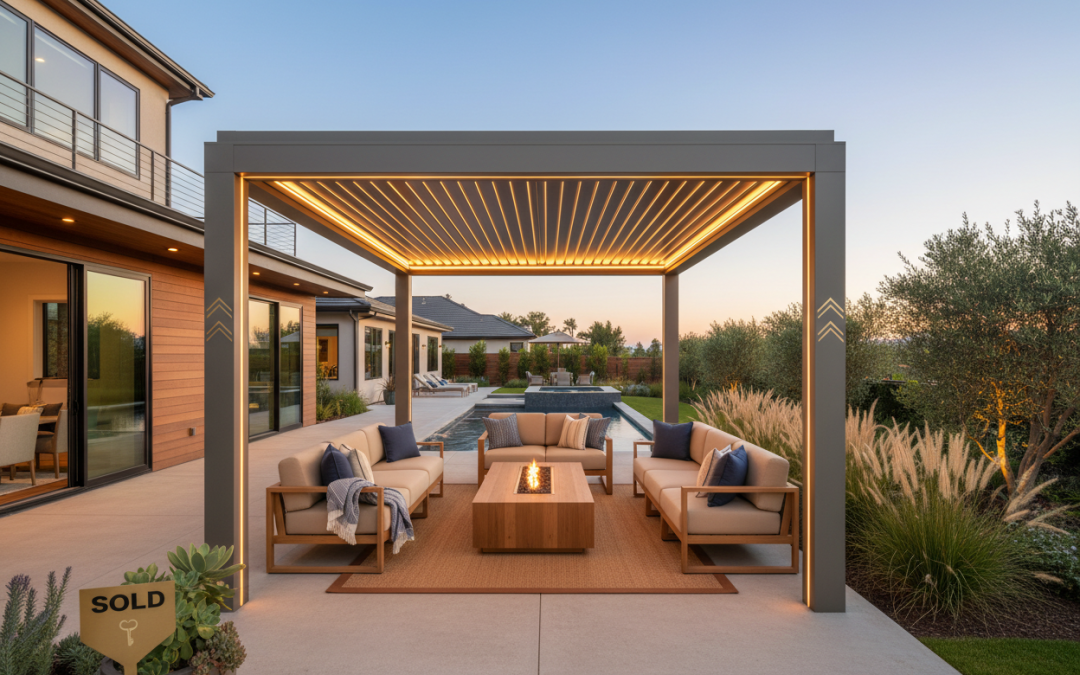
Custom Patio Cover Resale Value: Market Trends and Buyer Preferences
Table of Contents
1. Introduction to Patio Cover ROI
2. Current Market Trends in Outdoor Living Spaces
3. What Buyers Really Want in Patio Covers
4. Material Choices That Maximize Resale Value
5. Design Features That Add the Most Value
6. Regional Preferences and Climate Considerations
7. Cost vs. Value Analysis for Different Patio Cover Types
8. Future-Proofing Your Investment
9. Frequently Asked Questions
Introduction to Patio Cover ROI
When you’re considering adding a custom patio cover to your home, you’re probably thinking about those lazy Sunday mornings with coffee in hand, protected from the elements while still enjoying the outdoors. But here’s something else worth considering: how will this investment affect your home’s resale value?
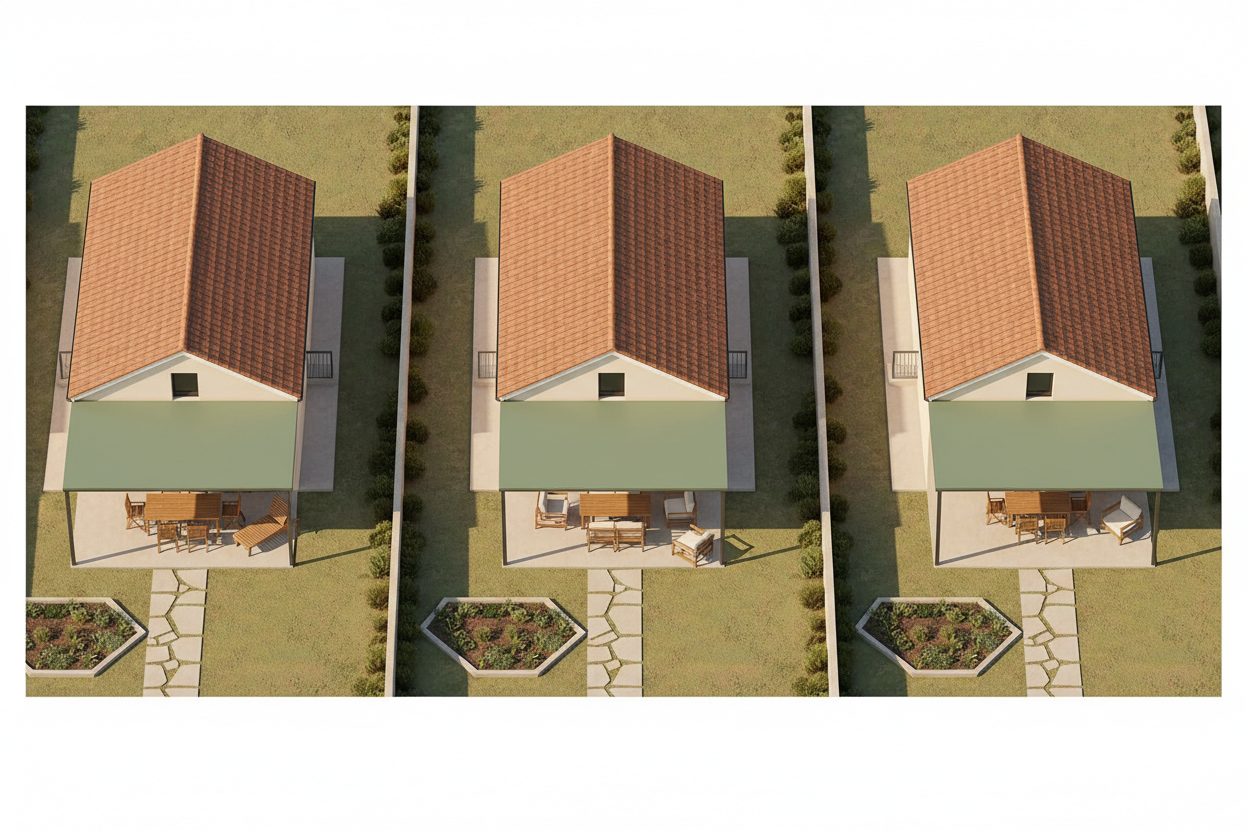
The outdoor living market has exploded in recent years, and smart homeowners are taking notice. A well-designed custom patio cover isn’t just about immediate enjoyment – it’s a strategic investment that can significantly boost your property’s appeal and market value. Recent studies show that quality outdoor improvements can return 60-80% of their initial investment, with some premium installations seeing even higher returns in competitive markets.
Understanding current market trends and buyer preferences can help you make informed decisions that maximize both your enjoyment and your return on investment. Let’s dive into what today’s buyers are looking for and how you can position your patio cover investment for maximum resale value.

Current Market Trends in Outdoor Living Spaces
The pandemic fundamentally changed how we view our homes, and outdoor spaces became more valuable than ever. This shift created lasting changes in buyer behavior that continue to influence the real estate market today.
Outdoor living spaces are no longer considered luxury add-ons – they’re expected features, especially in warmer climates. Real estate agents consistently report that homes with well-designed outdoor spaces sell faster and command higher prices than comparable properties without these amenities.
The trend toward “outdoor rooms” has gained tremendous momentum. Buyers want spaces that feel like extensions of their indoor living areas, complete with comfortable seating, dining areas, and protection from weather. Custom patio covers play a crucial role in creating these desirable outdoor environments.
Technology integration is another growing trend. Modern buyers appreciate patio covers that accommodate ceiling fans, lighting systems, and even outdoor entertainment centers. The ability to use outdoor spaces year-round, regardless of weather conditions, has become a significant selling point.
Sustainability concerns are also shaping buyer preferences. Energy-efficient designs, sustainable materials, and features that reduce cooling costs are increasingly important to environmentally conscious buyers. Patio covers that provide natural cooling and reduce indoor air conditioning needs are particularly appealing.
What Buyers Really Want in Patio Covers
After analyzing thousands of real estate transactions and buyer feedback, several clear preferences emerge when it comes to patio covers. Understanding these preferences can help you design a cover that appeals to the broadest range of potential buyers.
Functionality tops the list of buyer priorities. They want patio covers that actually work – providing meaningful protection from sun, rain, and wind while maintaining good airflow. Covers that create unusable spaces due to poor design or inadequate weather protection often detract from rather than add to property value.
Visual appeal and architectural integration matter enormously. Buyers strongly prefer patio covers that look like they were designed specifically for the home rather than generic afterthoughts. The cover should complement the home’s existing architecture and enhance rather than compete with the overall design aesthetic.
Size and proportion are critical factors. Covers that are too small fail to provide adequate functionality, while oversized covers can overwhelm a property and create maintenance concerns. Buyers typically prefer covers that accommodate standard outdoor furniture arrangements while leaving room for movement and additional activities.
Low maintenance requirements are increasingly important to busy buyers. They want the benefits of outdoor living without the burden of constant upkeep. Materials and designs that require minimal maintenance while maintaining their appearance over time are highly valued.
Flexibility and adaptability also rank high on buyer wish lists. Covers that can accommodate different uses – from intimate dinners to larger gatherings – appeal to a wider range of potential buyers. Features like retractable elements or modular designs that allow for customization are particularly attractive.
Material Choices That Maximize Resale Value
The materials you choose for your custom patio cover can significantly impact both its longevity and its appeal to future buyers. Some materials consistently perform better in terms of resale value and buyer preference.
Aluminum has emerged as a top choice for many homeowners and buyers. It offers excellent durability, requires minimal maintenance, and can be designed to complement virtually any architectural style. Modern aluminum patio covers can mimic the appearance of wood or other materials while providing superior weather resistance and longevity.
Wood remains popular, particularly for homes with traditional or rustic architectural styles. However, buyers are increasingly sophisticated about wood choices. Premium hardwoods or properly treated softwoods that show minimal wear and require reasonable maintenance are preferred over materials that show significant weathering or require frequent refinishing.
Composite materials are gaining ground among environmentally conscious buyers. These materials offer the appearance of wood with reduced maintenance requirements and improved durability. Quality composite materials can provide excellent resale value, particularly in markets where sustainability is highly valued.
Steel and other metal options can work well in contemporary or industrial-style homes. The key is ensuring that the material choice aligns with the home’s overall aesthetic and the local market’s preferences. Powder-coated finishes that resist fading and corrosion are essential for maintaining long-term appeal.
Fabric and canvas covers, while less permanent, can add value when they’re high-quality and well-maintained. Retractable fabric covers offer flexibility that many buyers appreciate, allowing them to adjust coverage based on weather conditions and personal preferences.
Design Features That Add the Most Value
Certain design features consistently add more value than others when it comes to custom patio covers. Understanding these high-impact features can help you maximize your investment’s return potential.
Integrated lighting systems top the list of valuable features. Buyers love the ability to use outdoor spaces after dark, and built-in lighting eliminates the need for temporary or portable solutions. LED systems are particularly appealing due to their energy efficiency and longevity.
Ceiling fan rough-ins or installed fans significantly increase appeal, especially in warmer climates. The ability to create comfortable outdoor environments even on hot days extends the usable season for outdoor spaces and adds real functional value.
Electrical outlets and technology infrastructure are increasingly important. Buyers want the ability to plug in outdoor appliances, charge devices, or install entertainment systems without running extension cords or making major modifications.
Drainage systems and gutters might not be glamorous, but they’re crucial for long-term functionality. Buyers appreciate covers that direct water away from outdoor living areas and protect both the space and the home’s foundation from water damage.
Privacy features like integrated screens, partial walls, or strategic positioning that blocks sight lines from neighboring properties can significantly increase value. The ability to create intimate outdoor spaces is highly valued by many buyers.
Storage integration, such as built-in cabinets or designated areas for outdoor furniture storage, adds practical value that buyers notice. These features help maintain the clean, organized appearance that makes outdoor spaces more appealing.
Regional Preferences and Climate Considerations
Location plays a crucial role in determining which patio cover features and styles will maximize resale value. What works in Phoenix might not be ideal for Portland, and understanding these regional differences is essential for making smart investment decisions.
In hot, sunny climates like Arizona, Nevada, and Southern California, buyers prioritize maximum sun protection and cooling features. Solid covers that block UV rays, integrated misting systems, and designs that promote air circulation are highly valued. Light-colored materials that reflect heat rather than absorbing it are preferred.
Regions with significant rainfall, such as the Pacific Northwest or Southeast, require different considerations. Buyers in these areas value covers that provide excellent water protection while preventing water accumulation. Pitched roofs, quality guttering systems, and materials that resist moisture damage are essential.
Areas with extreme temperature variations need covers that perform well in multiple conditions. Buyers in these regions often prefer materials and designs that can handle both intense summer sun and harsh winter conditions without requiring seasonal modifications or extensive maintenance.
Coastal areas present unique challenges due to salt air and high humidity. Buyers in these markets particularly value corrosion-resistant materials and designs that promote air circulation to prevent moisture buildup. Stainless steel hardware and marine-grade finishes can significantly impact long-term value.
Wind considerations vary dramatically by region. Areas prone to high winds require more robust construction and anchoring systems. Buyers in these markets are often willing to pay premium prices for covers that can withstand local weather conditions without damage.
Cost vs. Value Analysis for Different Patio Cover Types
Understanding the relationship between initial investment and potential resale value return is crucial for making informed decisions about patio cover installations. Different types of covers offer varying return potentials.
Basic aluminum covers typically offer the best return on investment for most homeowners. With installation costs ranging from $3,000 to $8,000 for average-sized patios, these covers can return 60-75% of their cost in added home value. Their durability and low maintenance requirements make them appealing to a broad range of buyers.
Premium wood covers can provide excellent returns in the right markets, particularly for homes where architectural compatibility is crucial. While initial costs may range from $5,000 to $15,000, well-designed wood covers can return 70-85% of their investment in markets that value natural materials and craftsmanship.
High-end custom covers with integrated features like lighting, fans, and technology infrastructure represent larger investments, typically ranging from $10,000 to $25,000 or more. However, these installations can provide returns of 80-90% or higher in luxury markets where outdoor living is highly valued.
Retractable covers offer unique value propositions. While more expensive initially ($8,000 to $20,000), they provide flexibility that many buyers find appealing. The ability to adjust coverage based on conditions can justify premium pricing in competitive markets.
Simple shade structures and pergolas, while less expensive ($2,000 to $6,000), typically provide lower returns but can still add value when properly designed and integrated with the home’s architecture. These options work well for budget-conscious improvements that still enhance outdoor living appeal.
Future-Proofing Your Investment
Making smart choices today can help ensure your patio cover investment continues to add value as market preferences evolve. Several strategies can help future-proof your installation.
Choosing timeless designs over trendy styles helps ensure long-term appeal. While contemporary trends can be appealing, classic designs that complement rather than compete with home architecture tend to age better and appeal to more buyers over time.
Investing in quality construction and materials pays dividends in the long run. Buyers can often distinguish between budget installations and quality work, and they’re typically willing to pay more for covers that will require less maintenance and replacement over time.
Planning for technology integration, even if you don’t install systems immediately, can add significant value. Running conduit for future electrical needs or designing structures that can accommodate evolving technology keeps your installation relevant as buyer expectations change.
Considering expandability and modification potential can extend your cover’s useful life. Designs that allow for future additions or modifications provide flexibility that many buyers value, particularly in growing families or changing lifestyle situations.
Maintaining detailed records of installation, materials used, and any modifications helps demonstrate value to potential buyers. Professional installation documentation and warranty information can significantly impact buyer confidence and willingness to pay premium prices.
Frequently Asked Questions
How much value does a custom patio cover typically add to a home?
Most quality patio covers add 60-80% of their installation cost to a home’s value, with premium installations in desirable markets sometimes returning 85-90% or more. The exact return depends on factors like local climate, market conditions, quality of installation, and how well the cover integrates with the home’s existing architecture.
What’s the best material for maximizing resale value?
Aluminum consistently provides the best return on investment for most homeowners due to its durability, low maintenance requirements, and broad buyer appeal. However, the best choice depends on your home’s architecture, local climate, and regional preferences. Wood may be preferable for traditional homes, while modern homes might benefit from steel or composite materials.
Should I choose a solid or lattice-style patio cover?
Solid covers generally provide better resale value because they offer superior weather protection and functionality. However, lattice or partial covers can work well in specific situations where full coverage isn’t needed or where maintaining sight lines is important. Consider your local climate and typical buyer preferences in your area.
How important is professional installation for resale value?
Professional installation is crucial for maximizing resale value. Buyers can usually identify DIY installations, and they often view them as potential problems rather than value-adds. Professional installation ensures proper permits, code compliance, and quality workmanship that buyers trust and value.
What size patio cover provides the best value?
The optimal size depends on your patio dimensions and typical use patterns, but covers should generally accommodate standard outdoor furniture arrangements with room for movement. Covers that are too small provide limited functionality, while oversized covers can overwhelm smaller properties. Most buyers prefer covers that feel proportional to both the outdoor space and the home itself.
Do patio covers require permits, and does this affect resale value?
Most permanent patio covers require permits, and proper permitting significantly affects resale value. Unpermitted work can create problems during home sales and may require costly corrections. Always check local requirements and obtain proper permits to protect your investment and ensure maximum resale value.
Custom patio covers represent one of the most effective ways to enhance both your current outdoor living experience and your home’s future resale value. By understanding market trends, buyer preferences, and regional considerations, you can make informed decisions that maximize your return on investment while creating outdoor spaces you’ll love for years to come. The key is balancing your personal preferences with proven value-adding features to create installations that appeal to both current enjoyment and future marketability.

Murphy TX outdoor living contractor | Keathley Landscaping

Lavon TX pergolas | Keathley Landscaping

Lake Highlands Dallas TX custom patio cover cost | Keathley Landscaping

Preston Hollow Dallas TX covered patios | Keathley Landscaping

Frisco TX outdoor living space contractors | Keathley Landscaping

Fate TX custom patio cover builders | Keathley Landscaping

Dallas TX luxury custom pergolas | Keathley Landscaping

Allen TX custom patio cover cost | Keathley Landscaping

Fairview TX custom pergolas | Keathley Landscaping

Lakewood Dallas TX luxury custom pergolas | Keathley Landscaping

Lowry Crossing TX covered patios | Keathley Landscaping

Lowry Crossing TX luxury custom pergolas | Keathley Landscaping

McKinney TX covered patios | Keathley Landscaping

Murphy TX custom wood pergola | Keathley Landscaping

Dallas TX custom wood pergola | Keathley Landscaping

Fairview TX custom wood pergola | Keathley Landscaping

Allen TX pergola companies near me | Keathley Landscaping

Murphy TX covered patios | Keathley Landscaping

Rowlett TX pergola builders | Keathley Landscaping

Sachse TX covered patios | Keathley Landscaping

Wylie TX custom patio cover cost | Keathley Landscaping

Murphy TX custom pergolas | Keathley Landscaping

Mobile City TX custom patio cover builders | Keathley Landscaping

Richardson TX outdoor living contractor | Keathley Landscaping

Lowry Crossing TX custom pergolas | Keathley Landscaping

Allen TX pergola builders | Keathley Landscaping

Lavon TX custom wood pergola | Keathley Landscaping

Richardson TX custom patio cover builders | Keathley Landscaping

sod installation company near me Lake Highlands Dallas Texas

sod lawn installation Lake Highlands Dallas Texas

sod installation companies near me Preston Hollow Dallas Texas

cost for sod installation Dallas Texas

sod installation company Lucas Texas

sod installation services Rose Hill Texas

sod installation companies near me Frisco Texas

sod installation companies near me Mobile City Texas

grass installation Lake Highlands Dallas Texas

lawn sod installation near me Frisco Texas

cost for sod installation Fate Texas

sod installation company near me Fairview Texas

price of sod installation Rockwall Texas

grass installation Fate Texas

sod installation companies Frisco Texas

sod grass installation Parker Texas

lawn sod installation Mobile City Texas

cost of sod installation Fate Texas

sod lawn installation Dallas Texas

sod installation companies near me Rowlett Texas

sod installation cost Fairview Texas

sod installation companies near me Rockwall Texas

sod grass installation Allen Texas

installation of sod cost Richardson Texas

price for sod installation Garland Texas

residential sod installation Garland Texas

installation of sod cost Murphy Texas

lawn sod installation near me Fate Texas

yard drainage Preston Hollow Dallas Texas

yard drainage specialist near me Lowry Crossing Texas

drainage company near me Lake Highlands Dallas Texas

drainage solutions near me Lavon Texas

drain cleaning company near me Parker Texas

yard drainage specialist near me Lavon Texas

drain Rose Hill Texas

drain contractor Preston Hollow Dallas Texas

drain cleaning Murphy Texas

landscape drainage Rose Hill Texas

yard drainage Dallas Texas

drain cleaning Richardson Texas

yard drainage Richardson Texas

drain cleaning Fairview Texas

drainage company Rowlett Texas

landscape drain Mobile City Texas

drain contractor Parker Texas

channel drain cleaning Highland Park Texas

drainage Preston Hollow Dallas Texas

drain cleaning company near me Lake Highlands Dallas Texas

drainage solutions near me Richardson Texas

drainage solutions near me Lakewood Dallas Texas

drain contractor Sachse Texas

yard drainage specialist near me Richardson Texas

drain McKinney Texas

drainage contractors near me Plano Texas

yard drainage Lakewood Dallas Texas

Recent Comments