
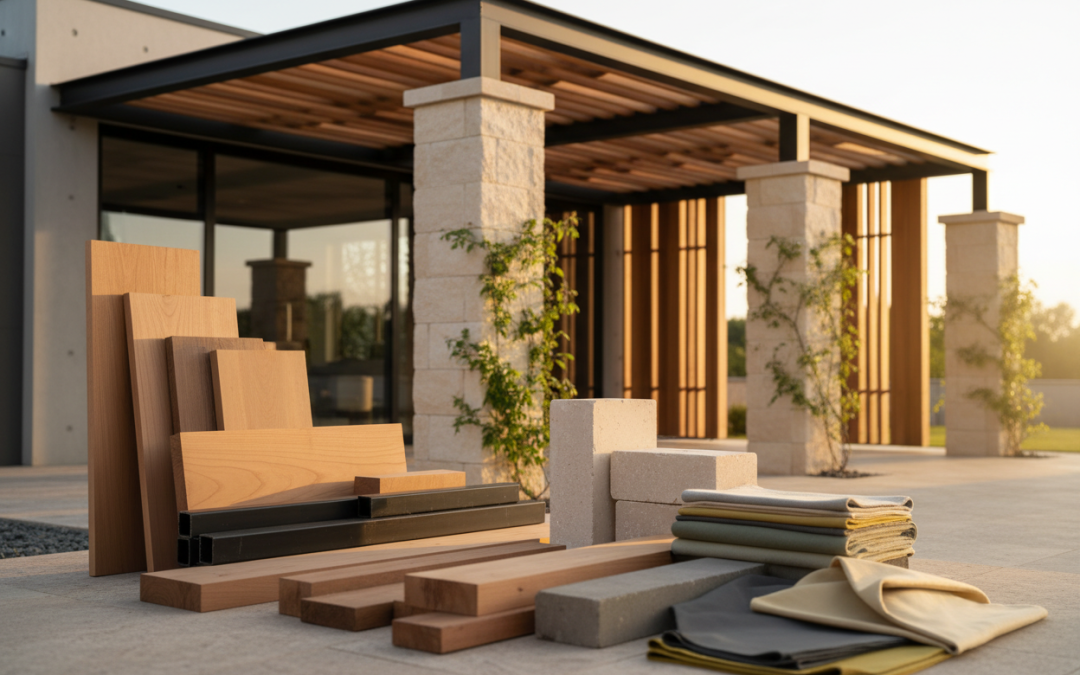
The Art of Mixing Materials in Custom Pergola Design
Table of Contents
1. Introduction: Why Material Mixing Matters in Pergola Design
2. Understanding Material Properties and Characteristics
3. Popular Material Combinations for Custom Pergolas
4. Design Principles for Successful Material Mixing
5. Maintenance Considerations for Mixed-Material Pergolas
6. Budget Planning and Cost-Effective Combinations
7. Professional Tips for Achieving Stunning Results
8. Conclusion
9. Frequently Asked Questions
Introduction: Why Material Mixing Matters in Pergola Design
When I first started designing outdoor structures, I made the mistake of thinking that using a single material would create the most cohesive look. Boy, was I wrong! The magic truly happens when you thoughtfully combine different materials in custom pergola design. This approach not only creates visual interest but also allows you to leverage the unique strengths of each material while minimizing their individual weaknesses.
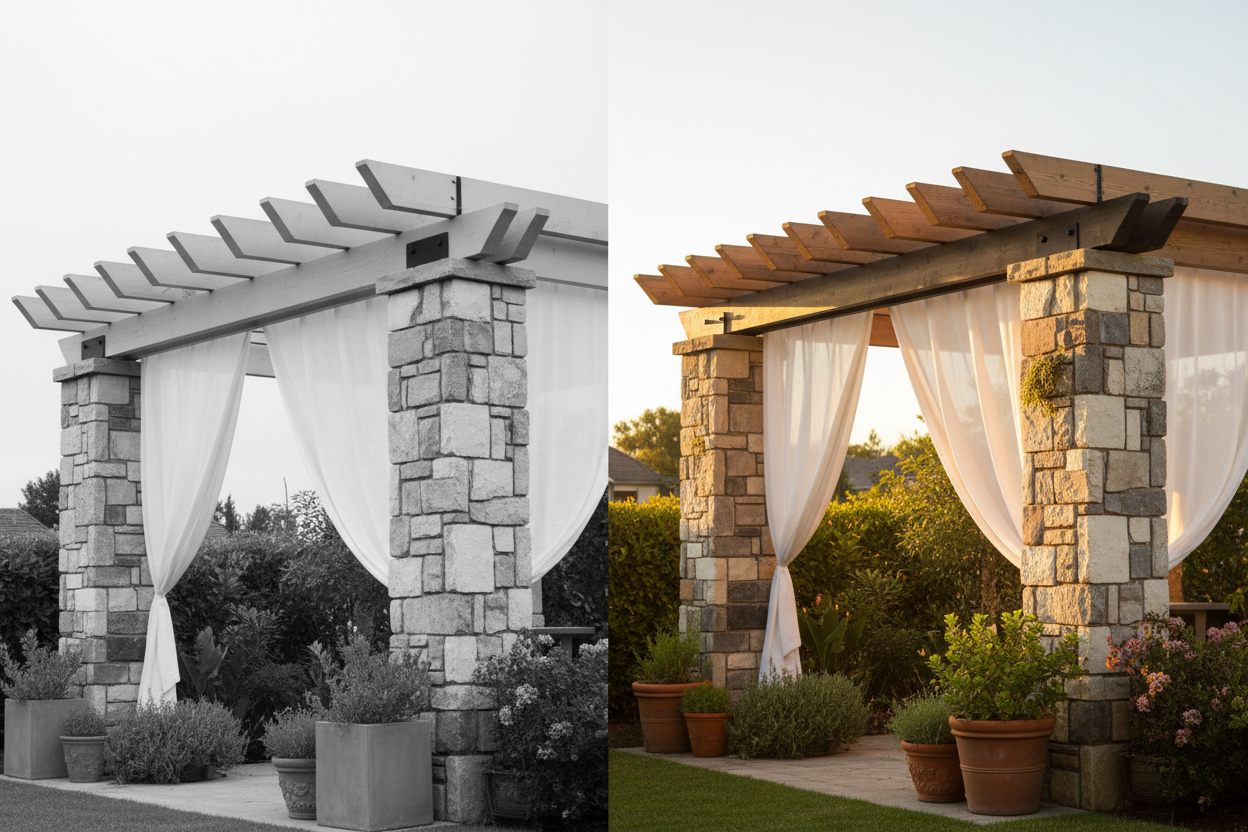
The art of mixing materials in pergola construction has evolved dramatically over the past decade. Today’s homeowners are seeking outdoor structures that reflect their personal style while offering durability, functionality, and aesthetic appeal. By combining materials like wood, metal, stone, and modern composites, you can create a pergola that stands out as a true architectural statement in your outdoor space.
This comprehensive guide will walk you through the essential principles of material mixing, helping you understand how to create stunning custom pergola designs that perfectly complement your landscape and lifestyle needs.
Understanding Material Properties and Characteristics
Before diving into specific combinations, it’s crucial to understand what each material brings to the table. Wood remains the classic choice for pergola construction, offering natural beauty and workability. Cedar and redwood provide excellent weather resistance, while pressure-treated lumber offers affordability with decent durability. However, wood requires regular maintenance and can be susceptible to weather damage over time.
Metal materials, particularly aluminum and steel, bring strength and longevity to pergola designs. Aluminum resists corrosion naturally and requires minimal maintenance, making it perfect for coastal environments. Steel, while heavier and requiring protective coatings, offers unmatched structural integrity for larger spans. The clean lines of metal components can create striking contrasts when paired with organic materials.
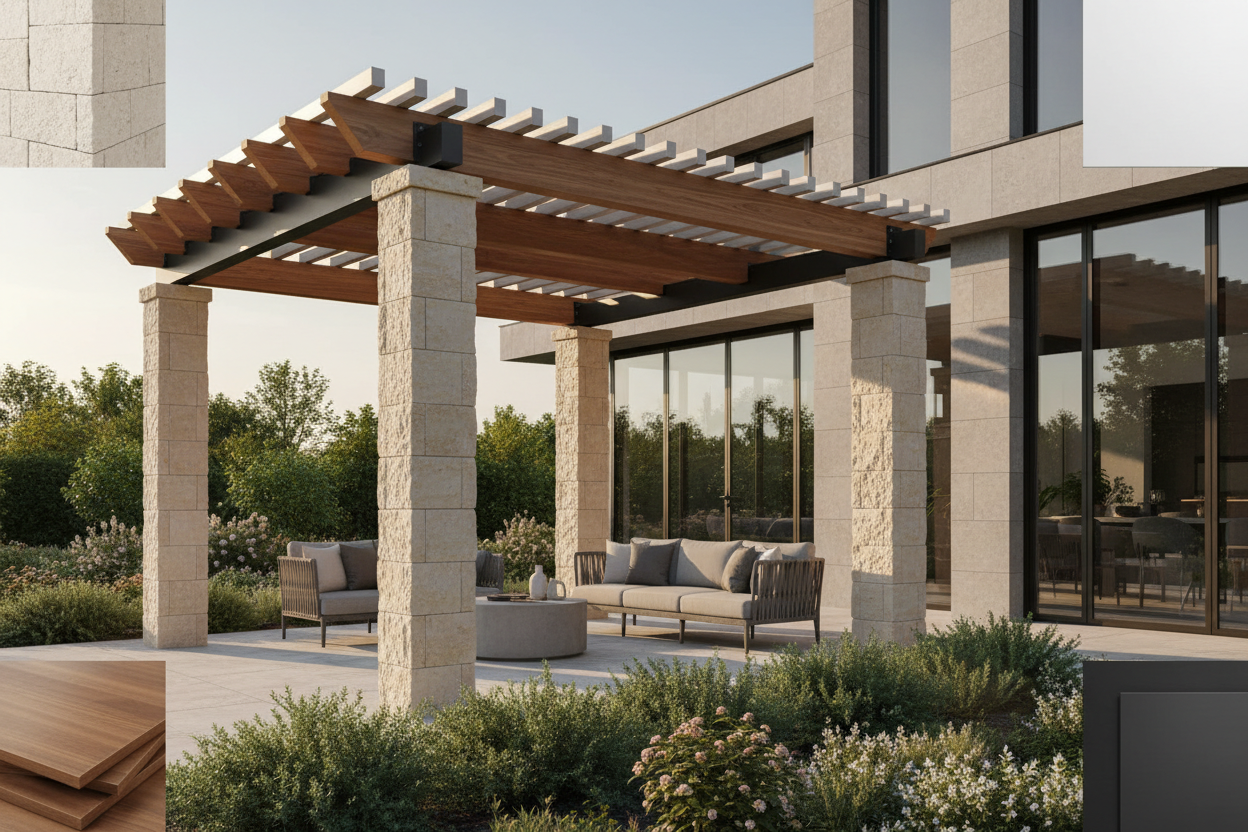
Stone and masonry elements add weight and permanence to pergola designs. Natural stone columns or decorative elements create a timeless appeal, while modern concrete blocks can provide a contemporary edge. These materials excel in foundational applications and can withstand harsh weather conditions indefinitely with proper installation.
Composite materials represent the newest frontier in pergola construction. These engineered products combine the best aspects of wood and plastic, offering wood-like appearance with superior weather resistance. While initially more expensive, composites often prove cost-effective over time due to their low maintenance requirements.
Popular Material Combinations for Custom Pergolas
The wood and metal combination remains one of the most popular choices for good reason. Picture a pergola with sleek steel posts supporting rich cedar beams – this pairing creates an industrial-rustic aesthetic that works beautifully in both modern and traditional settings. The metal provides structural strength while the wood adds warmth and natural texture. This combination works particularly well when you want to create a pergola that feels both sturdy and inviting.
Stone and wood combinations evoke a more traditional, cottage-style atmosphere. Imagine natural stone columns supporting wooden rafters and cross-beams. This pairing works exceptionally well in garden settings where you want the structure to feel like it’s grown from the landscape itself. The permanence of stone foundations also provides excellent long-term stability for the entire structure.
For those seeking a more contemporary look, the metal and composite combination offers sleek lines with minimal maintenance requirements. Black aluminum posts paired with composite beams in wood tones create a sophisticated appearance that complements modern architectural styles. This combination is particularly popular among busy homeowners who want stunning aesthetics without ongoing upkeep.
The triple combination of wood, metal, and stone creates the most complex and visually interesting pergolas. Stone columns, metal brackets and hardware, and wooden beams work together to create structures that feel both substantial and refined. While this approach requires more careful planning, the results can be absolutely breathtaking.
Design Principles for Successful Material Mixing
Successful material mixing isn’t just about throwing different elements together and hoping for the best. There are specific design principles that separate amateur attempts from professional-quality results. The principle of proportion plays a crucial role – you want to ensure that no single material overwhelms the others. Generally, one material should dominate while others serve as accents or supporting elements.
Color coordination is another critical factor. When mixing materials, consider how their natural colors work together. Warm wood tones pair beautifully with weathered steel or copper accents, while cool-toned stones complement aluminum and composite materials. Don’t forget that materials age differently – that bright steel will develop a patina over time, and wood will weather to gray unless treated.
Texture contrast adds visual interest and depth to your pergola design. Smooth metal surfaces create striking contrasts against rough stone or wood grain. However, be careful not to create too much textural chaos – aim for a balanced interplay that guides the eye naturally through the structure.
Scale and proportion become even more important when working with multiple materials. Each material should feel appropriately sized for its role in the overall design. Massive stone columns require substantial wooden beams to look proportional, while delicate metal details need careful sizing to avoid being overwhelmed by larger elements.
Maintenance Considerations for Mixed-Material Pergolas
One aspect that many homeowners overlook is how different materials age and require maintenance at different rates. This reality can actually work to your advantage when planned properly. For instance, while wooden elements may need staining every few years, metal components might only require occasional cleaning and inspection for corrosion.
Creating a maintenance schedule that addresses each material’s specific needs will keep your pergola looking its best for decades. Wood elements typically require the most attention, needing regular cleaning, staining, or sealing depending on the species and finish chosen. Metal components need periodic inspection for rust or corrosion, particularly at connection points where dissimilar metals meet.
Stone elements generally require the least maintenance, though they may need occasional cleaning and repointing of mortar joints. Composite materials fall somewhere in the middle, requiring periodic cleaning but no refinishing. When planning your material mix, consider how much ongoing maintenance you’re willing to commit to.
Water management becomes more complex with mixed materials since each responds differently to moisture. Proper flashing and drainage details at material transitions are crucial for long-term durability. This is where working with experienced professionals really pays off, as they understand how to properly detail these critical connections.
Budget Planning and Cost-Effective Combinations
Budget considerations often drive material selection, but smart mixing can actually help you achieve a high-end look while managing costs effectively. The key is using expensive materials strategically as accents while relying on more affordable options for the bulk of the structure. For example, natural stone columns at key points can create a luxurious feel even when most of the pergola uses pressure-treated lumber.
Labor costs can vary significantly depending on the complexity of your material mix. Simple wood construction is typically the most cost-effective from a labor standpoint, while complex mixed-material designs require specialized skills that command higher rates. However, the long-term value often justifies the initial investment, especially when low-maintenance materials reduce ongoing costs.
Consider the total cost of ownership when evaluating material combinations. While composite and metal materials cost more initially, their longevity and low maintenance requirements often make them more economical over time. A pergola that requires restaining every three years will accumulate significant maintenance costs over its lifetime.
Phased construction can help manage budgets while still achieving your dream design. Start with a basic structure using affordable materials, then upgrade elements over time. For instance, you might begin with pressure-treated posts and upgrade to stone columns later, or start with basic hardware and add decorative metal accents as budget allows.
Professional Tips for Achieving Stunning Results
After years of designing and building custom pergolas, I’ve learned that the details make all the difference. Pay special attention to connection points between different materials – these transitions can either enhance your design or create awkward visual breaks. Quality hardware that complements your material choices is essential, not just for structural integrity but for aesthetic cohesion.
Consider the pergola’s relationship to existing structures and landscape elements. Your material choices should complement your home’s architecture and the surrounding environment. A ultra-modern steel and composite pergola might look out of place next to a traditional brick home, while a rustic wood and stone combination could clash with contemporary architecture.
Lighting integration should be planned from the beginning when working with mixed materials. Different materials offer different opportunities for lighting installation – wood beams can accommodate routed channels for wiring, while metal posts might incorporate integrated lighting systems. Stone elements can be dramatically up-lit to create stunning nighttime effects.
Don’t underestimate the importance of proper foundation design when mixing materials. Heavier materials like stone require more substantial footings, while the expansion and contraction rates of different materials must be accommodated in the foundation design. This is particularly important in climates with significant temperature variations.
Conclusion
The art of mixing materials in custom pergola design offers endless possibilities for creating unique, functional, and beautiful outdoor structures. By understanding each material’s properties and carefully considering how they work together, you can create a pergola that not only meets your functional needs but becomes a true focal point of your outdoor living space.
Remember that successful material mixing requires careful planning, attention to detail, and often professional expertise. While the initial investment may be higher than single-material construction, the results – both aesthetic and functional – typically justify the additional cost and complexity.
Whether you choose the classic appeal of wood and stone, the modern sophistication of metal and composite, or venture into more complex combinations, the key is thoughtful integration that serves both form and function. Your pergola should feel like a natural extension of your home and landscape while providing the durability and low maintenance that modern lifestyles demand.
Take time to plan carefully, consider long-term maintenance implications, and don’t hesitate to consult with professionals when tackling complex designs. With the right approach, your mixed-material pergola will provide years of enjoyment while adding significant value to your property.
Frequently Asked Questions
Q: What is the most durable material combination for pergolas?
A: The combination of steel or aluminum posts with composite beams typically offers the best long-term durability. This pairing provides excellent structural strength with minimal maintenance requirements, making it ideal for harsh weather conditions.
Q: How do I prevent galvanic corrosion when mixing metals in pergola construction?
A: Use proper isolation techniques such as neoprene washers or non-conductive spacers between dissimilar metals. Choose compatible metals when possible, and ensure proper drainage to prevent water accumulation at connection points.
Q: Can I mix materials in a DIY pergola project?
A: While simple combinations like wood and basic metal hardware are DIY-friendly, complex mixed-material designs often require professional expertise. Consider your skill level and the structural requirements before deciding on a DIY approach.
Q: What’s the best way to match new materials with existing landscape features?
A: Take samples of existing materials (stone, brick, siding) when shopping for pergola materials. Consider the color, texture, and style of existing features, and aim for complementary rather than exactly matching materials.
Q: How much more expensive are mixed-material pergolas compared to single-material designs?
A: Mixed-material pergolas typically cost 20-50% more than single-material designs due to increased complexity and specialized labor requirements. However, strategic material mixing can actually reduce costs while maintaining visual appeal.
Q: Do mixed-material pergolas require special permits or engineering?
A: Permit requirements vary by location and pergola size. Larger structures or those using heavy materials like stone often require engineering calculations and permits. Check with your local building department before beginning construction.

Preston Hollow Dallas TX pergola builders | Keathley Landscaping

Highland Park TX luxury custom pergolas | Keathley Landscaping

Parker TX custom patio covers | Keathley Landscaping

Frisco TX covered patios | Keathley Landscaping

Allen TX pergola companies near me | Keathley Landscaping

Parker TX outdoor living contractor | Keathley Landscaping

Lake Highlands Dallas TX custom patio covers | Keathley Landscaping

Mobile City TX custom patio covers | Keathley Landscaping

Mobile City TX custom pergolas | Keathley Landscaping

Lucas TX pergola companies near me | Keathley Landscaping

Fairview TX custom patio covers | Keathley Landscaping

Parker TX luxury custom pergolas | Keathley Landscaping

Allen TX custom patio cover builders | Keathley Landscaping

Murphy TX pergola companies near me | Keathley Landscaping

Fate TX pergola companies near me | Keathley Landscaping

Dallas TX pergola companies near me | Keathley Landscaping

Mobile City TX custom patio cover cost | Keathley Landscaping

Parker TX pergola companies near me | Keathley Landscaping

Richardson TX custom patio cover builders | Keathley Landscaping

Highland Park TX covered patios | Keathley Landscaping

Wylie TX pergolas | Keathley Landscaping

Rowlett TX custom patio covers | Keathley Landscaping

Allen TX covered patio contractors near me | Keathley Landscaping

Rowlett TX outdoor living space contractors | Keathley Landscaping

Lake Highlands Dallas TX pergola builders | Keathley Landscaping

Fairview TX pergola companies near me | Keathley Landscaping

Lowry Crossing TX luxury custom pergolas | Keathley Landscaping

Fairview TX outdoor living space contractors | Keathley Landscaping

sod contractors Lowry Crossing Texas

new sod installation Plano Texas

price of sod installation Wylie Texas

grass contractor Preston Hollow Dallas Texas

sod installation companies Preston Hollow Dallas Texas

cost of sod installation Richardson Texas

sod installation companies near me Wylie Texas

residential sod installation McKinney Texas

cost of sod installation Garland Texas

cost of sod and installation Dallas Texas

lawn sod installation Preston Hollow Dallas Texas

sod installation companies near me Mobile City Texas

sod lawn installation Parker Texas

sod installation cost Fate Texas

sod installation companies Rockwall Texas

lawn sod installation Wylie Texas

new sod installation Lake Highlands Dallas Texas

cost of sod and installation Lowry Crossing Texas

sod installation services Garland Texas

grass contractor Richardson Texas

cost for sod installation Lowry Crossing Texas

lawn sod installation near me Fate Texas

sod grass installation Murphy Texas

sod lawn installation McKinney Texas

sod lawn installation Lakewood Dallas Texas

sod installation companies Fate Texas

grass installation Rowlett Texas

grass contractor Lakewood Dallas Texas

drainage Lakewood Dallas Texas

drain cleaning company near me Lavon Texas

drain cleaning company near me Rockwall Texas

yard drainage Plano Texas

outdoor drain repair Plano Texas

channel drain cleaning Murphy Texas

landscape drain Rose Hill Texas

yard drainage contractors near me Lavon Texas

drainage solutions near me Richardson Texas

yard drainage contractors near me Lakewood Dallas Texas

outdoor drain repair Lavon Texas

yard drainage Lakewood Dallas Texas

drainage solutions near me Preston Hollow Dallas Texas

yard drainage Lowry Crossing Texas

drain contractor Wylie Texas

outdoor drain repair Sachse Texas

drain Lakewood Dallas Texas

landscape drain Frisco Texas

drain contractor Rose Hill Texas

drain cleaning company near me Lake Highlands Dallas Texas

drainage company Wylie Texas

yard drainage Sachse Texas

channel drain cleaning Mobile City Texas

outdoor drain repair Rockwall Texas

drain Highland Park Texas

landscape drainage Fate Texas

drainage solutions near me Plano Texas

Recent Comments