
Custom Pergola Safety Features Every Homeowner Should Consider
Table of Contents
1. Introduction to Pergola Safety
2. Structural Safety Features
3. Weather-Related Safety Considerations
4. Fire Safety and Prevention
5. Electrical Safety for Pergolas
6. Child and Pet Safety Features
7. Maintenance and Inspection Safety
8. Professional Installation vs. DIY Safety
9. Conclusion
10. Frequently Asked Questions
Introduction to Pergola Safety
When I first decided to add a pergola to my backyard, I’ll admit I was mostly thinking about the Instagram-worthy photos and summer dinner parties. Safety wasn’t exactly at the top of my mind. But after talking with contractors and doing some research, I quickly realized that a beautiful pergola isn’t worth much if it’s not built safely.
Custom pergolas have become increasingly popular among homeowners looking to enhance their outdoor living spaces. These stunning structures provide shade, define outdoor areas, and create perfect spots for relaxation and entertainment. However, with great beauty comes great responsibility – particularly when it comes to ensuring your pergola is safe for you, your family, and your guests.
Whether you’re planning to install a simple wooden pergola or a more elaborate structure with integrated lighting and retractable canopies, understanding essential safety features can prevent accidents, protect your investment, and give you peace of mind for years to come.
Structural Safety Features
Foundation and Anchoring Systems
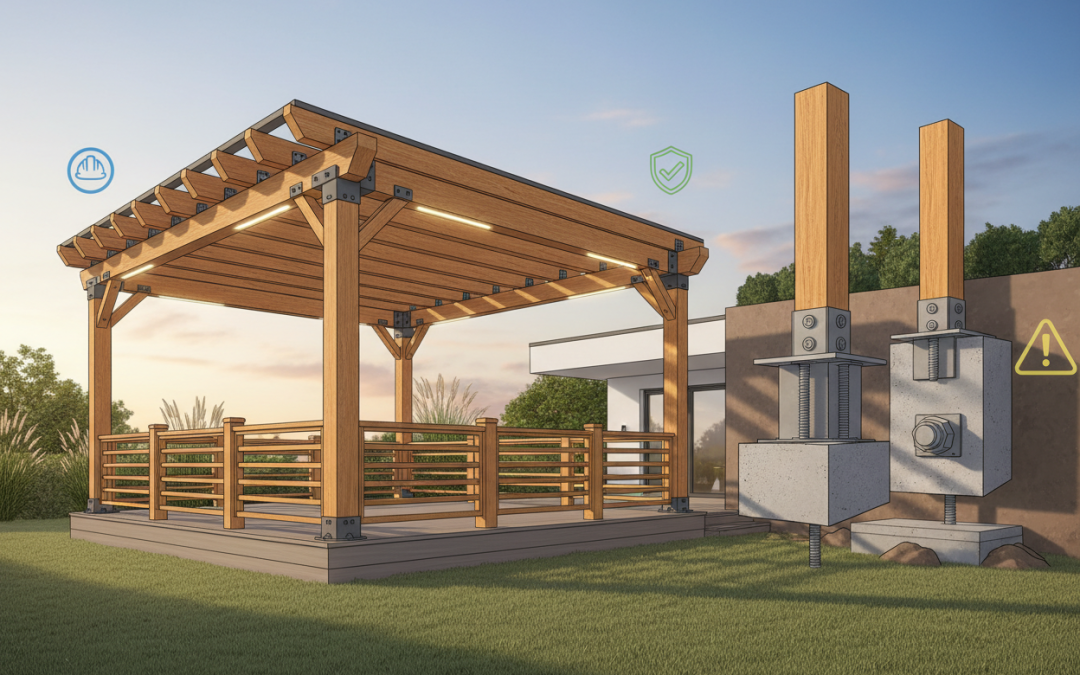
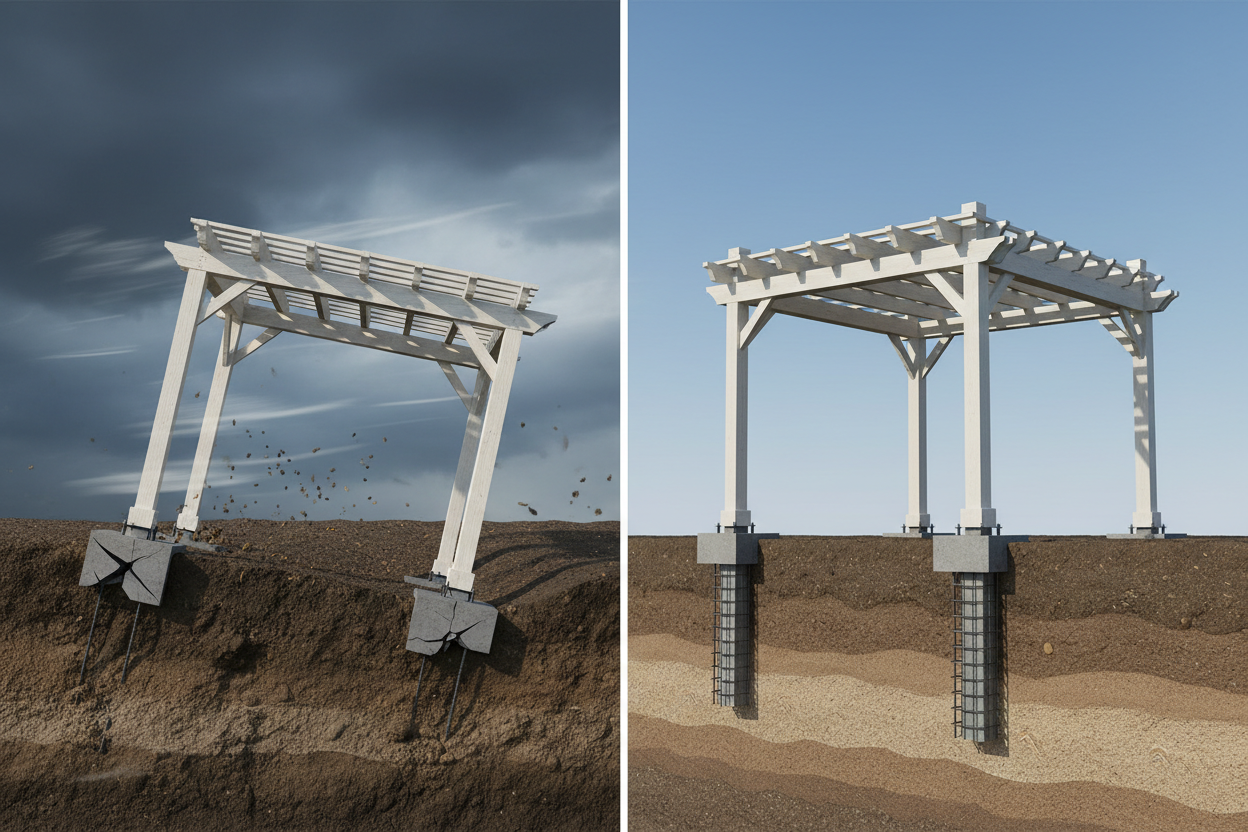
The foundation of your pergola is literally the foundation of its safety. I’ve seen too many pergolas that look gorgeous but wobble in the slightest breeze because corners were cut during installation. A properly designed foundation system should account for your local soil conditions, wind loads, and the overall size of your structure.
For most custom pergolas, concrete footings extending below the frost line are essential. The depth typically ranges from 24 to 36 inches, depending on your climate zone. In areas with expansive clay soils or high wind conditions, you might need deeper footings or additional anchoring systems.
Post anchors and brackets should be galvanized or stainless steel to prevent corrosion. I learned this the hard way when a neighbor’s pergola developed rust issues after just two seasons because they used standard steel hardware. The extra cost for quality materials is always worth it when safety is on the line.
Load-Bearing Capacity and Engineering
Your pergola needs to handle more than just its own weight. Snow loads, wind forces, and the weight of climbing plants or hanging decorations all add up quickly. Many homeowners underestimate these forces, leading to structural failures that could have been easily prevented.
For larger pergolas or those in areas with significant snow loads, consider having a structural engineer review your plans. This might seem like overkill, but it’s a small price to pay for ensuring your structure won’t collapse during the first major storm.
Beam sizing and spacing are critical factors that affect load-bearing capacity. Undersized beams can sag over time, creating safety hazards and costly repairs. Always err on the side of caution when selecting lumber dimensions, and consider engineered lumber products for longer spans.
Weather-Related Safety Considerations
Wind Resistance Design
Wind can turn a beautiful pergola into a dangerous projectile faster than you might think. I remember watching a neighbor’s inadequately anchored pergola slide across their yard during a storm – it was both terrifying and eye-opening.
Proper wind resistance starts with understanding your local wind loads. Most building codes specify minimum wind speeds that structures must withstand, but these are often conservative estimates. If you live in an area prone to severe weather, consider designing for higher wind loads.
The shape and orientation of your pergola also affect wind resistance. Solid roof panels create more wind load than open beam designs, while the direction your pergola faces relative to prevailing winds can significantly impact the forces it experiences.
Snow and Ice Load Management
If you live in an area that receives snow, your pergola needs to handle the additional weight. Fresh snow might seem light, but it adds up quickly – and wet, heavy snow can create enormous loads that exceed your structure’s capacity.
Steep roof pitches help snow slide off naturally, but they also create other design challenges. Flat or low-pitched roofs need to be engineered for full snow loads, which can be substantial in northern climates.
Ice dams and icicle formation present additional safety hazards. Proper drainage and ventilation can help prevent these issues, while heated elements might be necessary in extreme climates.
Fire Safety and Prevention
Material Selection for Fire Resistance
The materials you choose for your pergola can significantly impact fire safety. While wood is the most popular choice for its natural beauty and workability, it’s also combustible. If you live in a fire-prone area, consider fire-resistant alternatives or treatments.
Composite materials, steel, and aluminum offer better fire resistance than untreated wood. If you prefer wood, look for fire-retardant treatments or naturally fire-resistant species like cedar or redwood.
The location of your pergola relative to your house and other structures also affects fire safety. Maintaining adequate clearances and using appropriate materials can help prevent fires from spreading.
Clearance from Heat Sources
Many homeowners want to integrate grills, fire pits, or outdoor kitchens near their pergolas. While this creates wonderful outdoor living spaces, it also introduces fire risks that need careful consideration.
Maintain adequate clearances between any heat sources and combustible pergola materials. This typically means at least 10 feet from grills and significantly more from fire pits, depending on their size and heat output.
Consider installing fire-resistant materials or shields in areas near heat sources. Cement board, metal panels, or stone can provide protection while maintaining aesthetic appeal.
Electrical Safety for Pergolas
GFCI Protection and Weatherproofing
Adding lighting, fans, or other electrical features to your pergola creates convenience and ambiance, but it also introduces electrical safety concerns. All outdoor electrical installations should include Ground Fault Circuit Interrupter (GFCI) protection to prevent electrocution.
Weatherproof outlets and junction boxes are essential for preventing water infiltration. Even covered areas can experience wind-driven rain or snow, so don’t skimp on weatherproofing.
I always recommend having electrical work performed by licensed professionals. The cost savings from DIY electrical work are never worth the risks to your family’s safety.
Proper Wiring and Installation
Electrical wiring in pergolas faces unique challenges from temperature extremes, UV exposure, and moisture. Use appropriate wire types rated for outdoor use, and protect all wiring in conduit where required by code.
Plan your electrical layout carefully to avoid conflicts with structural elements. Running wiring through posts or beams requires careful coordination to avoid weakening the structure.
Consider future electrical needs during initial installation. Adding circuits later is much more difficult and expensive than installing extra capacity upfront.
Child and Pet Safety Features
Eliminating Climbing Hazards
Kids see pergolas as jungle gyms – it’s just their nature. While you can’t eliminate all risks, thoughtful design can minimize climbing hazards and reduce the potential for serious injuries.
Avoid horizontal rails or other features that create obvious footholds. If decorative elements are necessary, position them high enough that children can’t easily reach them.
Sharp corners and edges should be rounded or protected with padding. This is especially important at child head height, where serious injuries are more likely to occur.
Safe Material Choices
Splinter-free materials are essential in areas where children play. While rough lumber might be acceptable for structural elements, any surfaces that people might touch should be smooth and splinter-free.
Avoid toxic materials or treatments, especially in areas where children might put things in their mouths. Many pressure-treated lumber products contain chemicals that can be harmful if ingested.
Consider rounded edges and corners throughout your design. A few extra minutes with a router can eliminate sharp edges that could cause injuries.
Maintenance and Inspection Safety
Regular Safety Inspections
Even the best-built pergola needs regular inspections to maintain safety. I make it a point to walk around my pergola at the beginning of each season, looking for signs of wear, damage, or deterioration.
Check all connections, fasteners, and joints for looseness or corrosion. Pay special attention to areas where different materials meet, as these are often the first places problems develop.
Look for signs of insect damage, rot, or other deterioration in wooden components. Catching these issues early can prevent more serious structural problems later.
Safe Maintenance Practices
Maintaining your pergola safely requires proper equipment and techniques. Use appropriate ladders or scaffolding for high work, and never work alone on potentially dangerous tasks.
Power washing can be an effective cleaning method, but use appropriate pressure settings to avoid damaging materials. High pressure can drive water into joints and connections, leading to rot or corrosion issues.
When replacing components, always use materials and fasteners that meet or exceed the original specifications. Substituting inferior materials to save money can compromise safety.
Professional Installation vs. DIY Safety
When to Hire Professionals
While many homeowners have the skills to build simple pergolas, certain situations require professional expertise. Complex designs, large structures, or installations in challenging conditions are best left to experienced contractors.
Electrical work should almost always be performed by licensed electricians. The risks associated with improper electrical installation far outweigh any potential cost savings.
If your local building code requires permits or inspections, working with professionals familiar with these requirements can save time and ensure compliance.
DIY Safety Considerations
If you decide to build your own pergola, prioritize safety throughout the process. Use proper personal protective equipment, follow manufacturer instructions for tools and materials, and don’t rush the job.
Have someone review your plans before starting construction. A second set of eyes can catch potential problems that you might miss.
Don’t hesitate to consult professionals for specific aspects of the project. You might handle the basic construction yourself while hiring specialists for electrical work or complex structural elements.
Conclusion
Building a safe pergola doesn’t have to be complicated, but it does require careful planning and attention to detail. By considering these safety features from the beginning of your project, you can create a beautiful outdoor space that provides years of safe enjoyment for your family and friends.
Remember that safety isn’t just about following building codes – it’s about creating a structure that will perform reliably under all conditions you might encounter. The extra time and money spent on proper safety features is always a worthwhile investment.
Whether you’re planning a simple shade structure or an elaborate outdoor room, prioritizing safety will ensure that your pergola remains a source of joy rather than worry. Take the time to plan properly, use quality materials, and don’t cut corners when it comes to safety features.
Frequently Asked Questions
Q: Do I need a building permit for my custom pergola?
A: Permit requirements vary by location and pergola size. Most jurisdictions require permits for structures over a certain size or those attached to your house. Check with your local building department before starting construction.
Q: How deep should pergola footings be?
A: Footings should extend below the frost line in your area, typically 24-36 inches deep. Areas with expansive soils or high winds may require deeper footings. Consult local building codes for specific requirements.
Q: What’s the maximum span for pergola beams without support posts?
A: Maximum spans depend on beam size, wood species, and load requirements. For typical residential pergolas, 2×10 beams can span about 12 feet, while 2×12 beams can reach 16 feet. Engineered lumber can span greater distances.
Q: How often should I inspect my pergola for safety issues?
A: Perform visual inspections at least twice yearly, ideally in spring and fall. Look for loose fasteners, damaged wood, or signs of deterioration. More frequent inspections may be needed in harsh weather climates.
Q: Can I add electrical features to an existing pergola?
A: Yes, but electrical additions should be installed by licensed electricians following local codes. All outdoor electrical work requires GFCI protection and weatherproof components. Permits may be required for electrical additions.
Q: What’s the best material for pergolas in fire-prone areas?
A: Steel, aluminum, and composite materials offer better fire resistance than wood. If using wood, choose fire-retardant treated lumber or naturally fire-resistant species like cedar. Maintain proper clearances from heat sources regardless of material choice.

Dallas TX covered patios | Keathley Landscaping

Allen TX covered patio contractors near me | Keathley Landscaping

Lake Highlands Dallas TX custom patio cover cost | Keathley Landscaping

Preston Hollow Dallas TX outdoor living contractor | Keathley Landscaping

Rose Hill TX custom pergolas | Keathley Landscaping

McKinney TX covered patios | Keathley Landscaping

Lowry Crossing TX pergolas | Keathley Landscaping

Lowry Crossing TX custom pergolas | Keathley Landscaping

Rockwall TX pergola builders | Keathley Landscaping

Murphy TX custom patio cover cost | Keathley Landscaping

Lavon TX outdoor living contractor | Keathley Landscaping

Frisco TX custom patio cover builders | Keathley Landscaping

Wylie TX custom wood pergola | Keathley Landscaping

Highland Park TX custom patio cover cost | Keathley Landscaping

Garland TX pergola companies near me | Keathley Landscaping

Allen TX pergola builders | Keathley Landscaping

Murphy TX pergola builders | Keathley Landscaping

Plano TX outdoor living contractor | Keathley Landscaping

Frisco TX pergola companies near me | Keathley Landscaping

Lakewood Dallas TX outdoor living space contractors | Keathley Landscaping

Parker TX custom patio cover builders | Keathley Landscaping

Lowry Crossing TX pergola builders | Keathley Landscaping

Lucas TX custom patio cover cost | Keathley Landscaping

Mobile City TX custom patio covers | Keathley Landscaping

Rockwall TX custom patio cover cost | Keathley Landscaping

Rose Hill TX pergola companies near me | Keathley Landscaping

Lucas TX luxury custom pergolas | Keathley Landscaping

Frisco TX pergola builders | Keathley Landscaping

sod installation company near me Rockwall Texas

price for sod installation Dallas Texas

sod lawn installation Lavon Texas

sod contractors Lake Highlands Dallas Texas

sod grass installation Dallas Texas

price for sod installation Lavon Texas

sod installation companies near me Highland Park Texas

sod company Lavon Texas

installation of sod cost Murphy Texas

sod installation companies near me Frisco Texas

sod installation service Preston Hollow Dallas Texas

lawn sod installation near me Richardson Texas

new sod installation Dallas Texas

sod installation companies Lavon Texas

sod installation cost Allen Texas

new sod installation Garland Texas

lawn sod installation near me Fairview Texas

cost of sod and installation Highland Park Texas

price for sod installation Richardson Texas

grass installation Plano Texas

price for sod installation Allen Texas

cost for sod installation Lowry Crossing Texas

sod installation cost Lucas Texas

sod grass installation Frisco Texas

price for sod installation Mobile City Texas

new sod installation Fairview Texas

cost for sod installation Rowlett Texas

grass installation Murphy Texas

drainage Murphy Texas

drainage specialist near me Rockwall Texas

drain contractor Fate Texas

drainage contractors near me Lavon Texas

drain cleaning Dallas Texas

landscape drainage contractor near me Rowlett Texas

drainage specialist near me Lavon Texas

outdoor drain repair Lavon Texas

yard drainage specialist near me Fairview Texas

landscape drainage Plano Texas

drain cleaning Fairview Texas

drain cleaning company near me Preston Hollow Dallas Texas

drainage Plano Texas

landscape drainage Preston Hollow Dallas Texas

drainage company near me Fate Texas

drainage contractors near me Rockwall Texas

yard drainage specialist near me Wylie Texas

channel drain cleaning Lavon Texas

drainage company Rockwall Texas

yard drainage contractors near me Lake Highlands Dallas Texas

yard drainage specialist near me Sachse Texas

drainage company Dallas Texas

channel drain cleaning Lowry Crossing Texas

drain Rose Hill Texas

drain contractor Fairview Texas

landscape drain Richardson Texas

drainage specialist near me Garland Texas

Recent Comments